

A Guide to Slim Profile Door Frames for UK Homeowners
Explore the technical details, aesthetic benefits, and practical considerations of slim profile door frames, covering materials, U-values, and UK Building Regulations.

Shard Architectural Glazing
24 December 2025
Explore the technical details, aesthetic benefits, and practical considerations of slim profile door frames, covering materials, U-values, and UK Building Regulations.
📋In This Article
A Guide to Slim Profile Door Frames for UK Homeowners
Slim profile door frames, often referred to as minimalist or narrow-sightline systems, have become a defining feature in modern architectural design across the UK. They offer a sophisticated aesthetic, maximising natural light and blurring the lines between indoor and outdoor spaces. However, choosing the right system requires understanding the technical specifications, material differences, and compliance with UK Building Regulations.
What Defines a Slim Profile Door System?
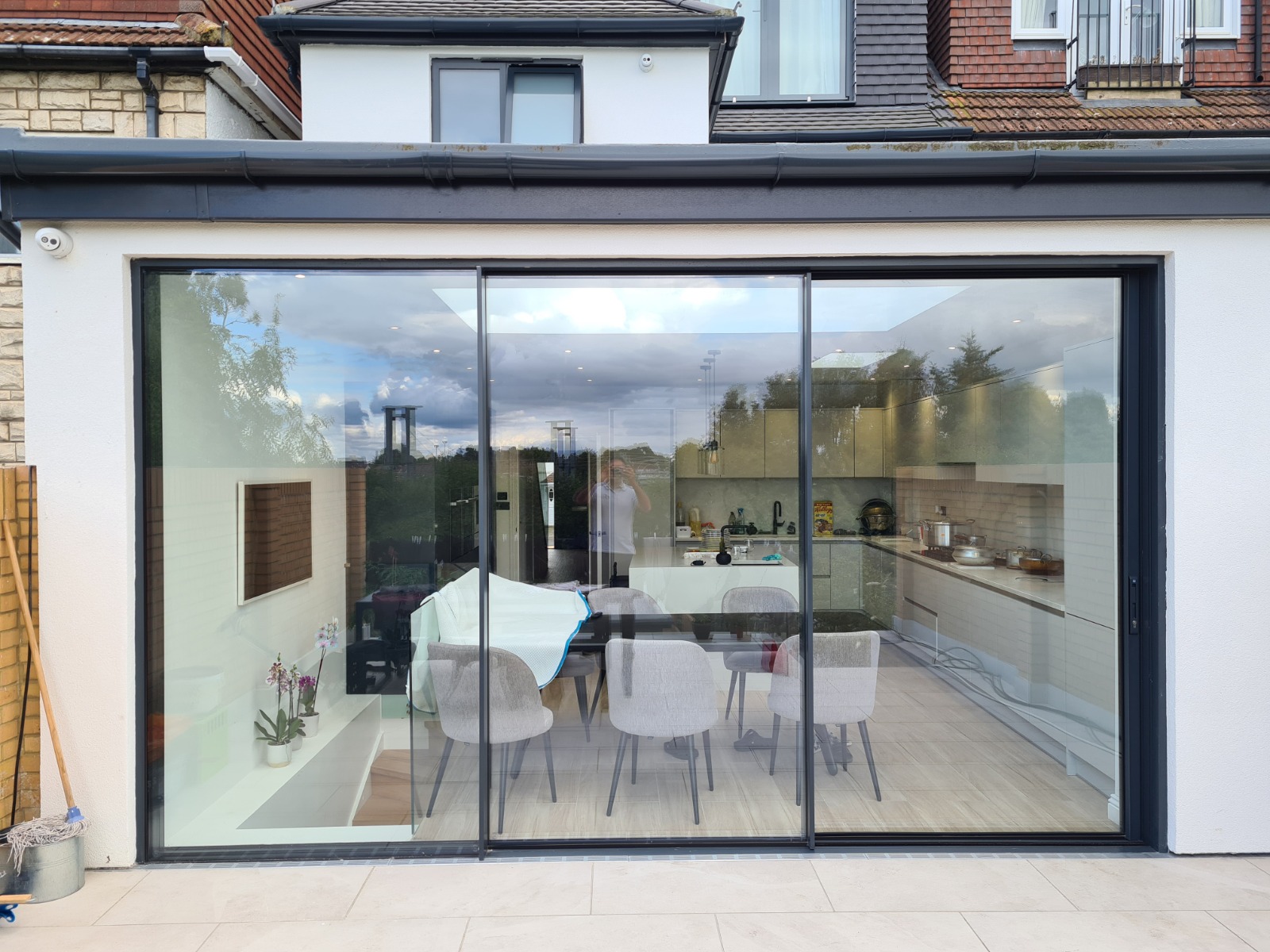
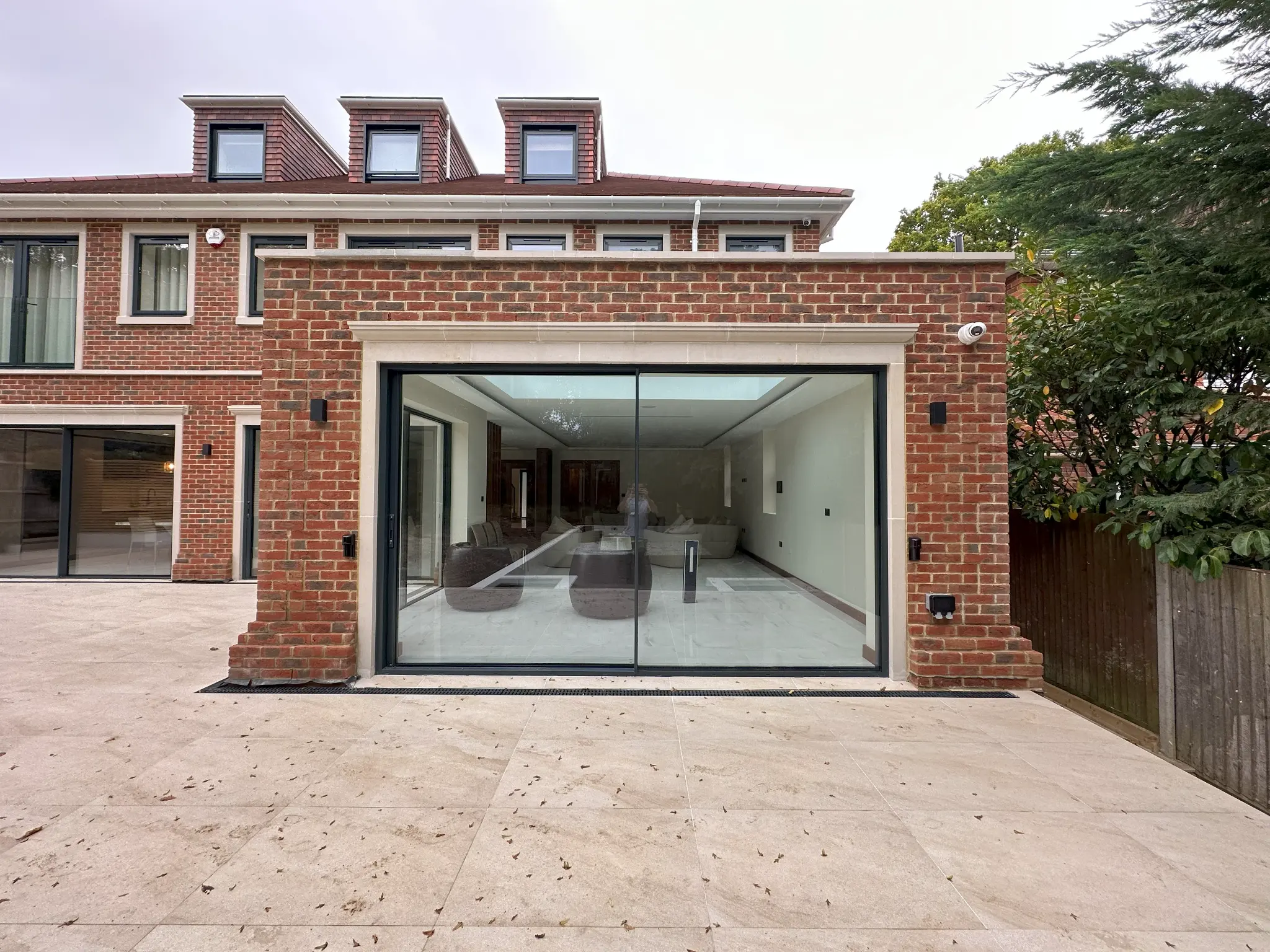
A slim profile door system is characterised by the reduced visible width of the frame and vertical mullions (the upright sections where panels meet). Traditional patio or bi-fold doors often feature sightlines ranging from 120mm to 200mm. In contrast, high-end slim profile systems aim for sightlines as narrow as 15mm to 30mm, particularly in the meeting stiles of sliding doors.
The Importance of Sightlines
The sightline refers to the amount of frame visible when the door is closed. Minimising this measurement is crucial for achieving the desired contemporary, glazed aesthetic. The primary goal is to maximise the glass area, thereby increasing solar gain and natural light penetration into the property.
Common Applications
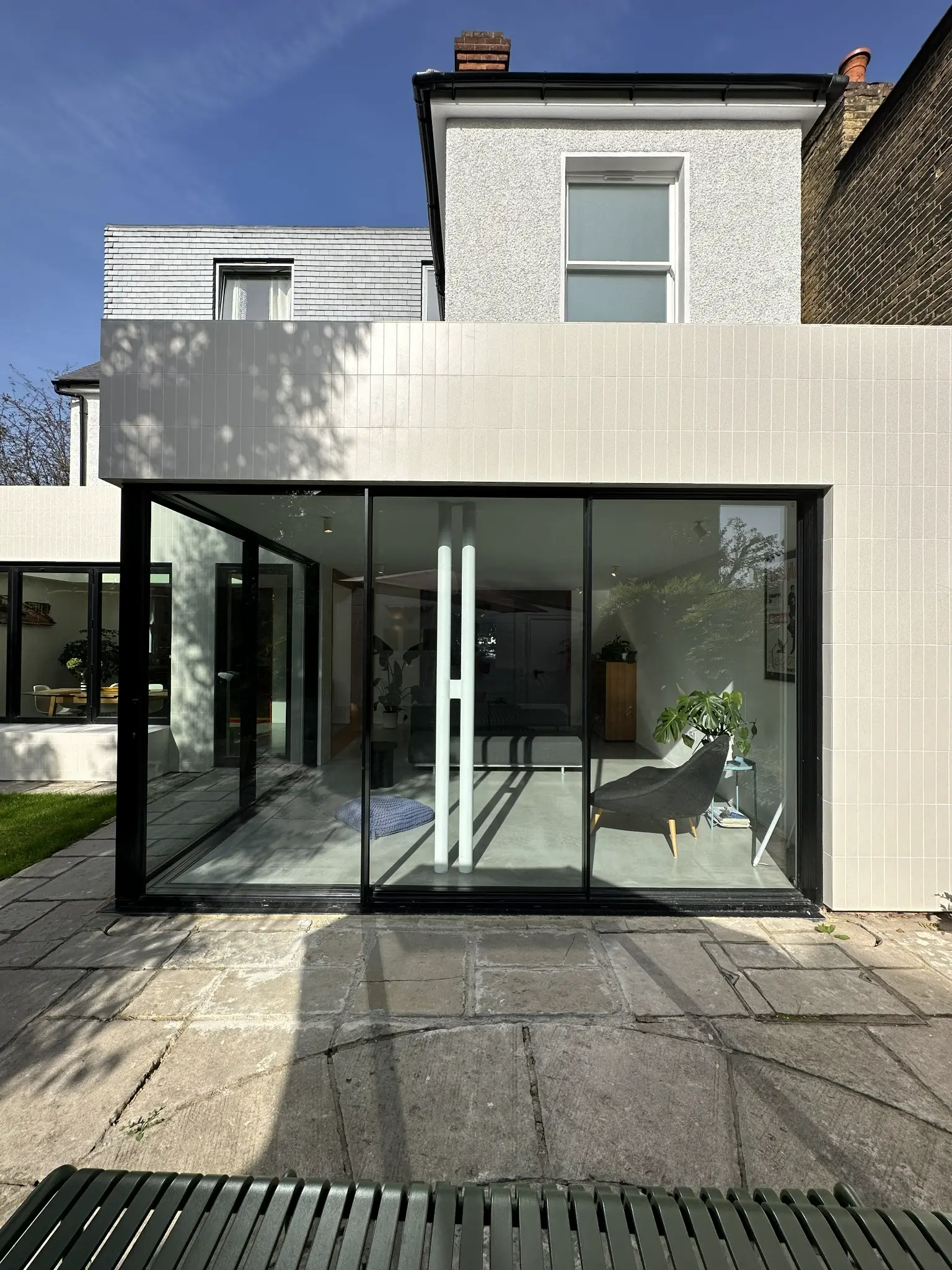
- Sliding Doors (Lift and Slide): These are the most common application for ultra-slim profiles, as the mechanism allows the frame to be recessed into the wall or floor.
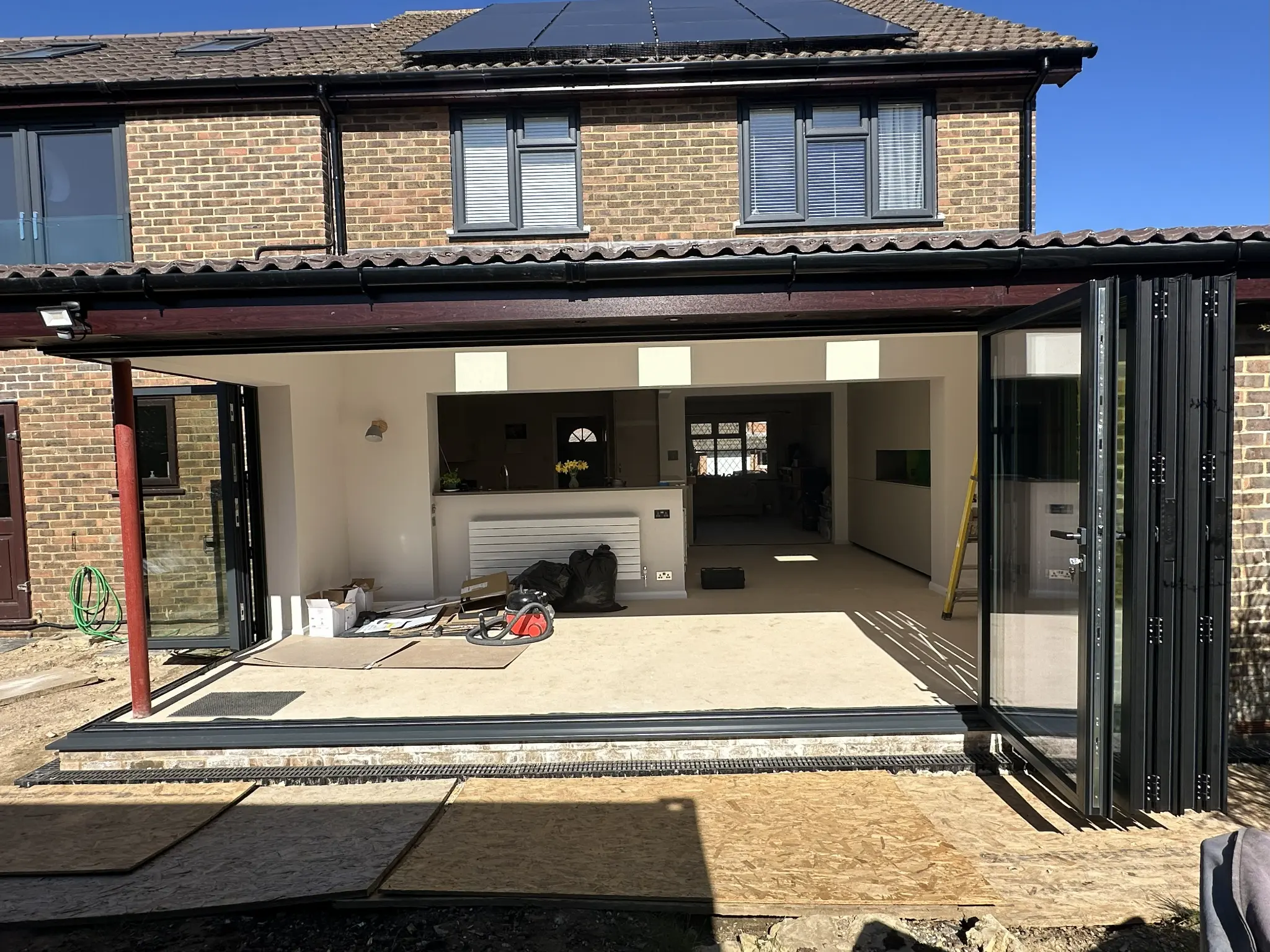
- Bi-Fold Doors: While slim profiles are available, the requirement for hinges and multiple folding panels usually means the sightlines are slightly wider than pure sliding systems (typically 50mm to 90mm).
- Single or French Doors: Used to maintain continuity with larger glazed elements, offering a sleek, minimalist appearance.
Maximised Light
Significantly increases the amount of natural daylight entering the home due to the reduced frame obstruction.
Enhanced Views
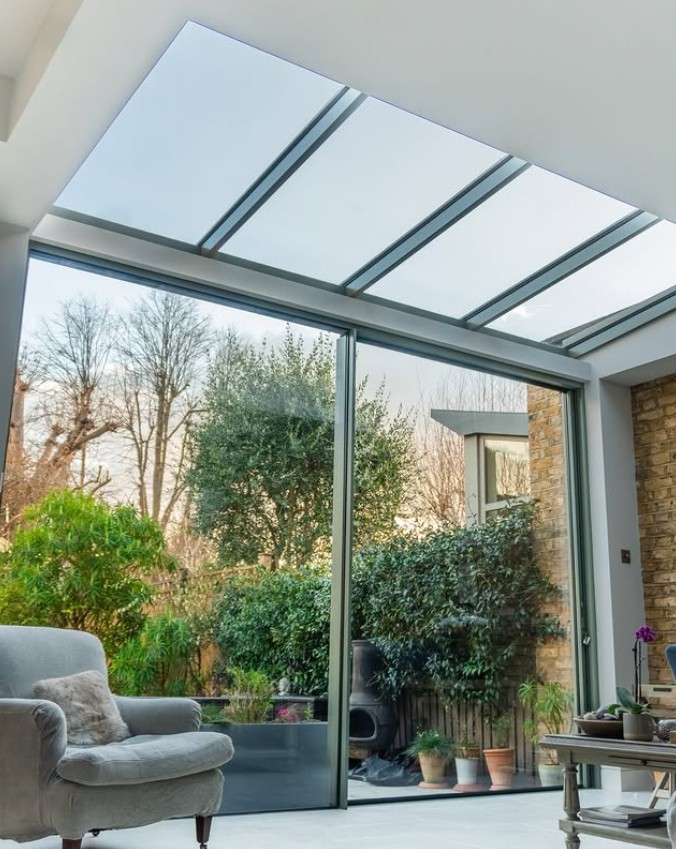
Provides virtually uninterrupted panoramic views, enhancing the connection between the garden and the interior.
Modern Aesthetic
Delivers a clean, contemporary look highly sought after in new builds and high-end renovations.
Increased Property Value
High-quality architectural glazing is a key selling point, often boosting the perceived and actual value of a property.
Material Choice and Thermal Performance (U-Values)
The material used in slim profile frames is critical, as it must balance structural integrity (especially for large panes of glass) with thermal efficiency and minimal sightlines. In the UK market, aluminium dominates this sector.
Aluminium: The Industry Standard
Aluminium is the preferred material for slim profile systems due to its high strength-to-weight ratio. This allows manufacturers to create very narrow frames that can still support the considerable weight of large, insulated glass units (IGUs).
- Thermal Break Technology: Because aluminium is highly conductive, all modern slim profile systems must incorporate a sophisticated polyamide thermal break. This non-metallic barrier separates the inner and outer layers of the frame, preventing heat transfer and achieving acceptable U-values.
- Structural Integrity: For ultra-slim systems (e.g., 20mm sightlines), the glass itself often becomes a structural component, bonded directly to the frame using specialised adhesives, enhancing rigidity.
Meeting UK Building Regulations Part L
Compliance with Part L (Conservation of Fuel and Power) of the Building Regulations is mandatory for all new and replacement glazing installations. This regulation sets minimum standards for thermal performance, measured by the U-value (W/m²K).
As of the 2022 updates to Part L, the required U-values for new or replacement doors are stringent:
- Replacement Doors: Maximum U-value of 1.4 W/m²K.
- New Build Doors: Maximum U-value of 1.2 W/m²K.
Achieving these low U-values with slim frames requires high-specification glazing. While the frame is minimal, the glass area is vast, meaning the performance of the IGU is paramount.
Pro Tip
When comparing quotes, always ask for the 'whole product U-value' (Uw), not just the glass U-value (Ug). The Uw factors in the thermal performance of the frame, glass, and spacer bar, providing an accurate measure of overall insulation performance required for Building Control sign-off.
Glazing Specifications and Security Considerations
Due to the large expanse of glass, the specification of the IGU is crucial for thermal efficiency, acoustics, and security.
Double vs. Triple Glazing
While double glazing (typically 28mm to 32mm thick) can meet the 1.4 W/m²K requirement, achieving the 1.2 W/m²K standard often necessitates triple glazing (40mm to 50mm thick). Triple glazing uses three panes of glass and two argon or krypton gas-filled cavities, significantly reducing heat loss. Homeowners must balance the enhanced thermal performance of triple glazing against the increased weight and cost.
Security Standards (PAS 24 and Document Q)
Security is a major concern, particularly with large glazed areas. In the UK, compliance with PAS 24:2022 (Enhanced Security Performance) is often required, particularly for new builds falling under Building Regulations Document Q (Security in Dwellings).
A reputable slim profile system must demonstrate:
- Anti-Lift Mechanisms: Essential for sliding doors to prevent the panels from being lifted off the track.
- Multi-Point Locking: Integrated locking systems that engage at several points along the frame.
- Laminated Glass: Often specified for security, as the interlayer holds the glass together even if shattered, deterring forced entry.
Practical and Installation Challenges
Installing slim profile doors is significantly more complex than standard glazing and requires specialist expertise. The precision needed for ultra-narrow sightlines means that tolerances are extremely tight.
Structural Preparation
These systems often rely on flush thresholds and concealed frames (where the frame is hidden within the wall structure). This requires meticulous coordination with the main contractor and structural engineer from the outset:
- Pocket Doors: If panels slide into a wall cavity (pocket), the structural opening must be perfectly square and reinforced to support the load above.
- Drainage and Weatherproofing: Achieving a flush threshold (level with the internal floor) presents waterproofing challenges. Effective linear drainage systems and concealed membranes are essential to comply with Building Regulations Part C (Site Preparation and Resistance to Moisture) and prevent water ingress.
Weight and Access
A large pane of triple-glazed glass can weigh hundreds of kilograms. Installation often requires specialised lifting equipment, such as cranes or vacuum lifters, necessitating clear site access and careful planning.
Comparison of Frame Sightlines and Performance
The following table illustrates the typical differences in performance and sightlines between standard systems and high-end slim profile doors.
| Feature | Standard Aluminium System | High-End Slim Profile System |
|---|---|---|
| Vertical Sightline (Meeting Stile) | 100mm – 150mm | 15mm – 35mm |
| Typical Glazing | Double Glazing (28mm) | Double or Triple Glazing (32mm – 50mm) |
| Maximum U-value (W/m²K) | 1.4 (Easily Achievable) | 1.2 (Requires high-spec glass) |
| Threshold Type | Standard stepped threshold | Flush/Recessed threshold (requires drainage) |
| Installation Complexity | Moderate | High (Specialist required) |
Maintenance and Longevity
While slim profile doors are designed for durability, proper maintenance ensures their longevity and smooth operation. The complexity of the hardware means that attention to detail is necessary.
Tracks and Rollers
For sliding systems, the track mechanism is the most crucial component. Dirt, dust, and debris can impede movement. Regular cleaning of the track using a soft brush and vacuum is essential. High-quality systems use stainless steel rollers and tracks designed to handle heavy loads without excessive wear.
Frame Finish
Aluminium frames typically feature a durable powder-coated finish (often RAL colours). This finish is highly resistant to weathering but should be cleaned periodically with mild soapy water to prevent the build-up of corrosive contaminants, especially in coastal areas.
Warranty and Aftercare
Given the investment involved, always ensure the system comes with a comprehensive warranty covering the frame, glass seals, and moving parts. A standard warranty for high-end architectural glazing should be a minimum of 10 years.
In conclusion, slim profile door frames offer unparalleled aesthetic appeal and performance when correctly specified and installed. While they represent a significant investment and require careful architectural planning to meet UK Building Regulations, the resulting increase in natural light and the seamless connection to the outdoors make them a highly desirable feature in contemporary British homes.
About Shard AG
Shard AG specialises in the design, supply, and installation of bespoke architectural glazing solutions, including high-performance slim profile door systems. We work closely with UK architects and homeowners to deliver projects that meet stringent thermal and security standards while achieving stunning contemporary aesthetics.
Explore Our Products
Discover how Shard Architectural Glazing can transform your home with our premium glazing solutions:
Ready to Transform Your Home?
Get in touch with our expert team for a free consultation and personalised quote. We'll help you choose the perfect glazing solution for your property.