
Aluminium vs uPVC: Choosing the Right Frame for Your Architectural Glazing
Deciding between robust aluminium and cost-effective uPVC frames is crucial for modern glazing projects. Explore the pros, cons, and performance differences in this expert guide.

Shard Architectural Glazing
24 December 2025
Deciding between robust aluminium and cost-effective uPVC frames is crucial for modern glazing projects. Explore the pros, cons, and performance differences in this expert guide.
📋In This Article
When embarking on a home improvement project involving new windows, sliding doors, or bifold doors, one of the most critical decisions is the choice of frame material. For decades, uPVC (unplasticised polyvinyl chloride) dominated the market, prized for its affordability and decent thermal performance. However, the rise of contemporary architectural design has brought aluminium glazing frames to the forefront, offering unparalleled strength, slim sightlines, and durability.
At Shard Architectural Glazing, we understand that this choice impacts aesthetics, energy efficiency, and long-term maintenance. This comprehensive guide breaks down the key differences between aluminium and uPVC, helping homeowners, architects, and builders make an informed decision tailored to their project's specific requirements and budget.
Structural Integrity and Design Flexibility
The fundamental difference between aluminium and uPVC lies in their inherent material strength. Aluminium is significantly stronger and lighter than uPVC. This superior strength allows manufacturers, like Shard AG, to produce frames with incredibly slim profiles and larger expanses of glass. If your project demands contemporary aesthetics, such as expansive minimal frame sliding doors or large picture windows, aluminium is the only viable choice.
uPVC frames, while structurally sound for standard windows and smaller doors, require thicker profiles to support the weight of double or triple glazing, especially over wider openings. These bulkier frames inherently reduce the amount of natural light entering the space and often clash with minimalist design principles. For projects requiring vast glass areas or complex structural integration, aluminium provides the necessary rigidity without compromising on light or view.
The Aesthetic Edge of Aluminium
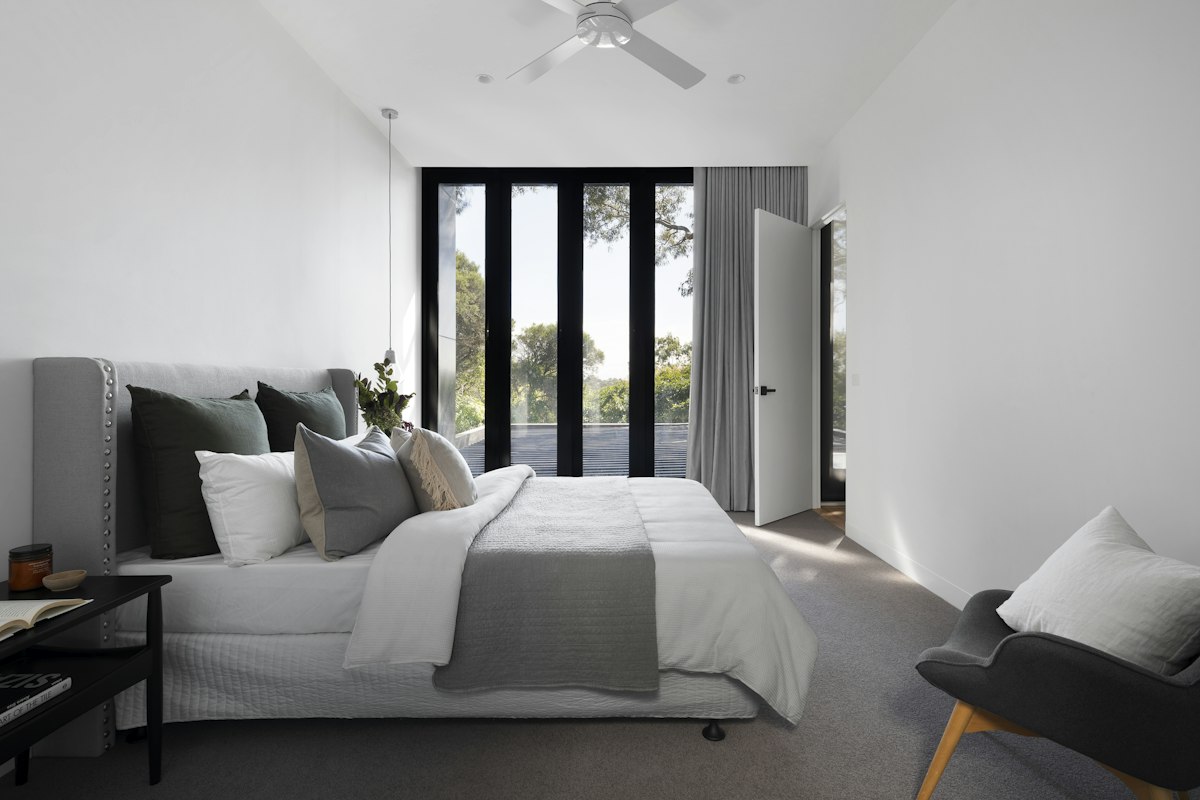
Modern architectural trends favour clean lines and maximum transparency. Aluminium frames excel here due to their ability to achieve sightlines as narrow as 20mm. This minimalist approach allows the glazing to become the focus, seamlessly connecting interior and exterior spaces. Furthermore, aluminium offers vastly superior colour customisation, available in virtually any RAL colour, often with durable powder-coated finishes that resist fading and scratching far better than standard uPVC finishes.
Thermal Performance and Energy Efficiency
Historically, uPVC held the advantage in thermal performance because plastic is a natural insulator, whereas metal conducts heat. However, modern architectural aluminium glazing has completely overcome this limitation through advanced engineering, specifically the use of polyamide thermal breaks.
A thermal break is a non-metallic barrier inserted into the frame cavity that separates the inner and outer aluminium profiles. This technology dramatically reduces heat transfer, meaning high-quality aluminium systems from Shard AG can easily achieve U-values that meet or exceed stringent UK building regulations. When paired with high-performance low-emissivity (low-E) double or triple glazing, aluminium frames offer exceptional energy efficiency, keeping homes warm in winter and cool in summer.
Pro Tip
When comparing thermal performance, always look at the overall system U-value (Uw), not just the glass or the frame material in isolation. A high-quality aluminium system with an excellent thermal break will often outperform a standard uPVC frame, especially in large-format glazing applications.
Durability, Maintenance, and Lifespan
When considering long-term investment, the lifespan and maintenance requirements of the frames are crucial factors. Aluminium frames are renowned for their exceptional durability and resistance to environmental factors. They do not rust, rot, warp, or crack, even in harsh coastal or urban environments. The powder-coated finish is highly resistant to UV degradation, ensuring the colour remains vibrant for decades with minimal maintenance—usually just a wipe-down with soapy water.
uPVC, while low maintenance, can suffer from degradation over time. White uPVC can yellow, and darker colours can fade or become brittle due to prolonged sun exposure. Furthermore, uPVC frames are prone to expansion and contraction with temperature fluctuations, which can eventually affect the seals and operational smoothness of the doors or windows.
Choosing aluminium is often seen as a premium, future-proof choice. While the initial investment is higher, the extended lifespan (often exceeding 40 years) and negligible maintenance costs provide excellent value over the life of the property. This robust quality is essential for high-traffic installations like large bifold doors or commercial glazing projects.
"We chose Shard AG's aluminium sliding doors for our extension specifically for the slim sightlines. The quality is evident; the doors glide effortlessly, and the thermal performance has been outstanding, even through the coldest winter months."
— Mr. & Mrs. Davies, Cheshire

Cost Comparison and Value Proposition
There is no escaping the fact that uPVC is the more budget-friendly option upfront. Due to the lower cost of raw materials and simpler manufacturing processes, uPVC windows and doors are typically 20% to 40% cheaper than comparable aluminium systems.
However, focusing solely on the initial price overlooks the total value proposition. Aluminium adds significant architectural value to a property, often being a key selling point in the high-end housing market. Furthermore, its superior durability and reduced need for replacement mean the total cost of ownership over 20-30 years can be surprisingly competitive.
For homeowners undertaking a high-specification renovation or a new build where design and longevity are paramount, the investment in premium aluminium glazing systems from Shard AG is justified. For smaller, standard replacement projects where budget is the primary constraint, uPVC remains a serviceable option.
Aluminium vs uPVC: At a Glance
To help summarise the key differences, here is a comparison table outlining the performance metrics of both materials:
| Feature | Aluminium Glazing | uPVC Glazing |
|---|---|---|
| Structural Strength | Excellent (Ideal for large spans) | Good (Suitable for standard sizes) |
| Sightlines/Profile Width | Very Slim (Minimalist aesthetic) | Thick (Bulkier appearance) |
| Durability & Lifespan | Excellent (40+ years, highly weather resistant) | Good (20-30 years, prone to fading/warping) |
| Thermal Performance | Excellent (With modern thermal breaks) | Very Good (Natural insulator) |
| Maintenance | Very Low (Wipe clean) | Low (Wipe clean) |
| Initial Cost | Higher | Lower |
Why Choose Aluminium for Architectural Glazing?
For projects requiring precision engineering, expansive views, and a commitment to modern design, aluminium is the undisputed champion. It offers the performance required for large-scale architectural glazing elements such as corner-less sliding doors, high-performance rooflights, and vast curtain walling systems.
Shard Architectural Glazing specialises exclusively in high-end aluminium systems because they provide the necessary strength and thermal integrity to deliver truly bespoke, premium solutions. When you invest in aluminium, you are investing in a product that enhances the value, light, and usability of your home for decades.
Superior Strength
Aluminium supports larger, heavier glass panels, enabling expansive, floor-to-ceiling glazing without bulky frames.
Minimal Sightlines
Achieve the contemporary, minimalist look with ultra-slim profiles that maximise natural light and views.
Long-Term Value
Exceptional durability, minimal maintenance, and high resistance to corrosion ensure a greater return on investment.
Design Versatility
Available in a vast range of durable powder-coated RAL colours to perfectly match any architectural scheme.
Whether you are an architect specifying materials for a high-end build or a homeowner planning an extension, the choice between aluminium and uPVC should align with your design goals and performance expectations. Contact the experts at Shard Architectural Glazing today to discuss how our premium aluminium systems can transform your space.
Explore Our Products
Discover how Shard Architectural Glazing can transform your home with our premium glazing solutions:
Ready to Transform Your Home?
Get in touch with our expert team for a free consultation and personalised quote. We'll help you choose the perfect glazing solution for your property.