
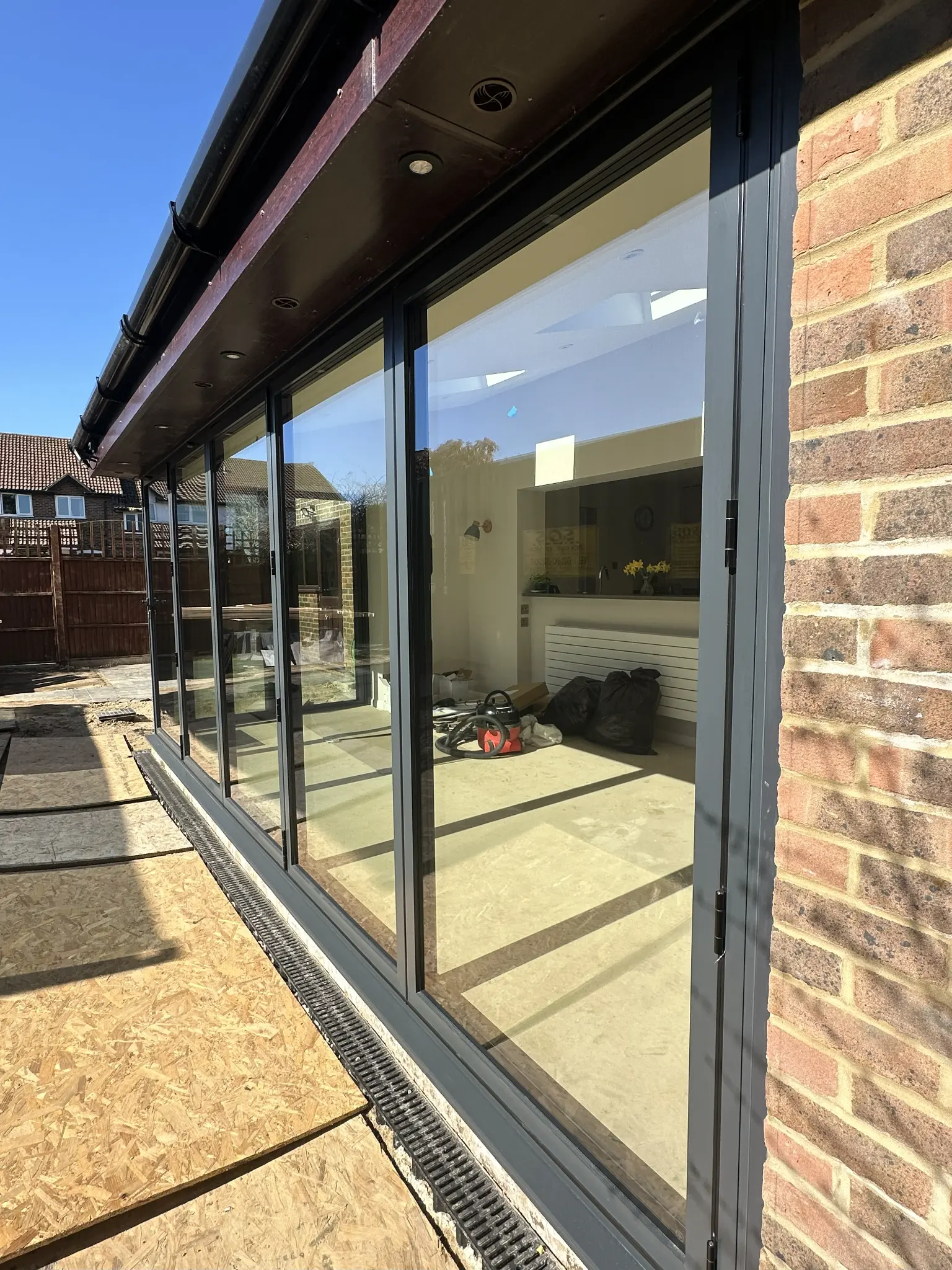
Aluminium vs uPVC: Choosing the Right Window Frames
A comprehensive guide for UK homeowners comparing aluminium and uPVC window and door frames, focusing on thermal performance, durability, costs, and compliance with UK Building Regulations.

Shard Architectural Glazing
16 January 2026
A comprehensive guide for UK homeowners comparing aluminium and uPVC window and door frames, focusing on thermal performance, durability, costs, and compliance with UK Building Regulations.
📋In This Article
Aluminium vs uPVC: Choosing the Right Window and Door Frames for Your UK Home
When undertaking a home improvement project in the UK, selecting the right material for your window and door frames is a critical decision. The choice between aluminium and unplasticised polyvinyl chloride (uPVC) affects not only the aesthetics of your property but also its long-term thermal efficiency, security, and maintenance requirements. Both materials offer distinct advantages and potential drawbacks.
This comprehensive guide delves into the technical specifications, performance metrics, and practical considerations necessary to help UK homeowners make an informed choice that complies with current Building Regulations.
Thermal Performance and UK Building Regulations (Part L)
In the UK, thermal efficiency is paramount, driven by the need to reduce energy consumption and meet stringent Building Regulations. Part L (Conservation of Fuel and Power) of the Building Regulations sets minimum standards for the thermal performance of building elements.
For new or replacement windows and doors in England, the current standard (Part L 2022) requires a maximum U-value:
- New Build Windows/Doors: 1.2 W/m²K
- Replacement Windows/Doors: 1.4 W/m²K
The U-value measures how effectively a component prevents heat loss; lower numbers indicate better insulation.
uPVC Thermal Efficiency
uPVC is inherently a poor conductor of heat, making it a naturally good insulator. Modern uPVC frames utilise multi-chambered profiles and often incorporate steel or aluminium reinforcement for structural integrity. These chambers trap air, significantly slowing heat transfer.
- Advantages: Excellent baseline thermal performance, easily meets 1.4 W/m²K requirements with standard double glazing, and can achieve passive house standards (below 0.8 W/m²K) with specialised triple glazing and thicker profiles.
- Considerations: The bulkiness required to accommodate multiple chambers can lead to thicker sightlines compared to aluminium.
Aluminium Thermal Efficiency
Aluminium is a metal and is highly conductive. Historically, this was its main drawback. However, modern architectural aluminium systems overcome this limitation through sophisticated engineering, specifically the use of polyamide thermal breaks.
A thermal break is a non-metallic, low-conductivity barrier inserted into the frame profile, separating the inner and outer aluminium sections. This effectively stops the thermal bridge, preventing heat from escaping through the metal.
- Advantages: High-performance thermally broken aluminium systems can comfortably meet the 1.2 W/m²K new build standard, often achieving overall window U-values below 1.0 W/m²K when paired with high-specification glazing.
- Considerations: The quality and depth of the thermal break are crucial. Cheaper aluminium systems may use inadequate breaks, leading to poor performance and potential condensation issues.
Structural Integrity and Design Aesthetics
The inherent strength of the material dictates the maximum size of the glazing unit it can support and the resulting visual profile (sightlines).
Aluminium: Strength and Sightlines
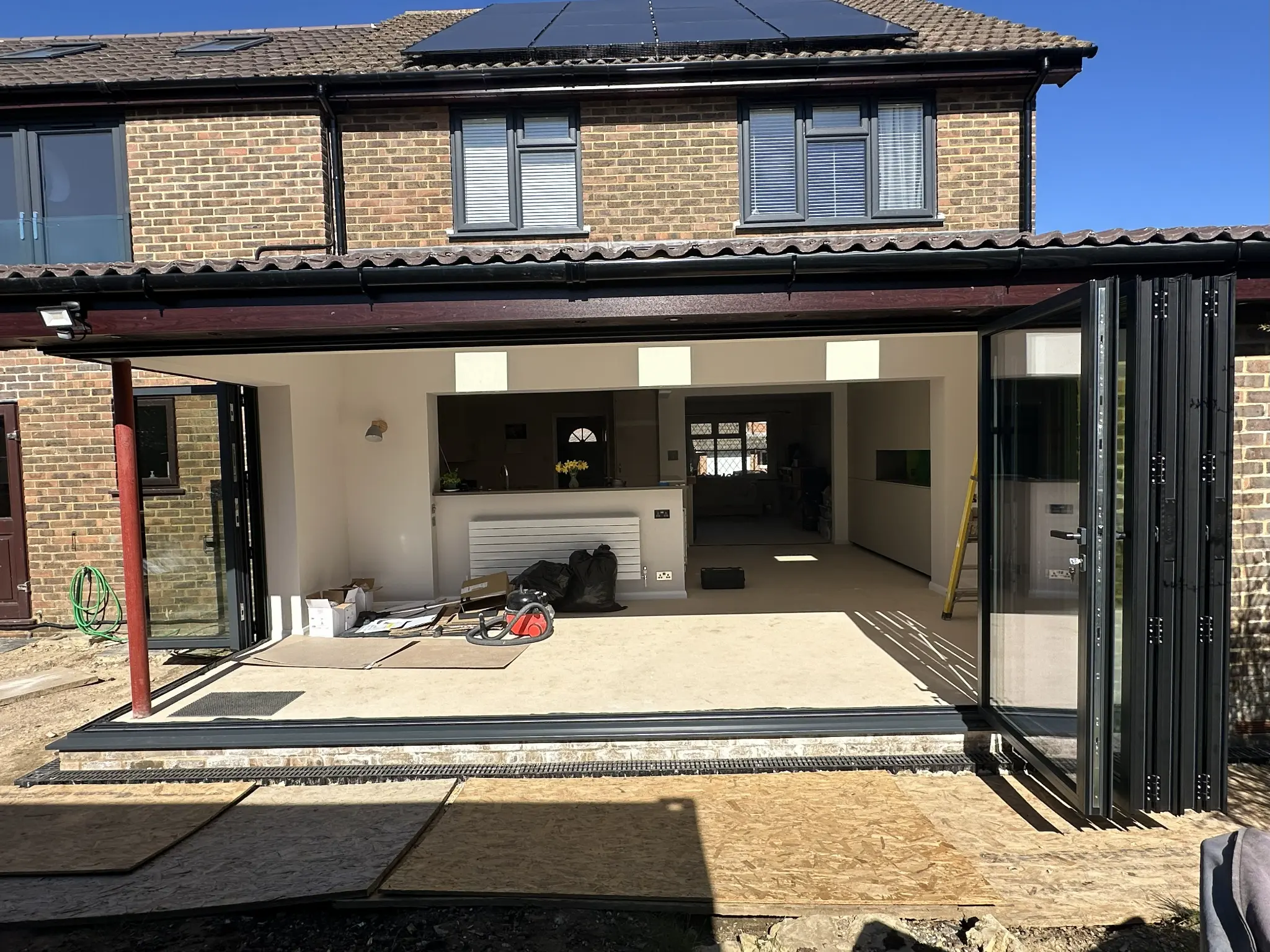
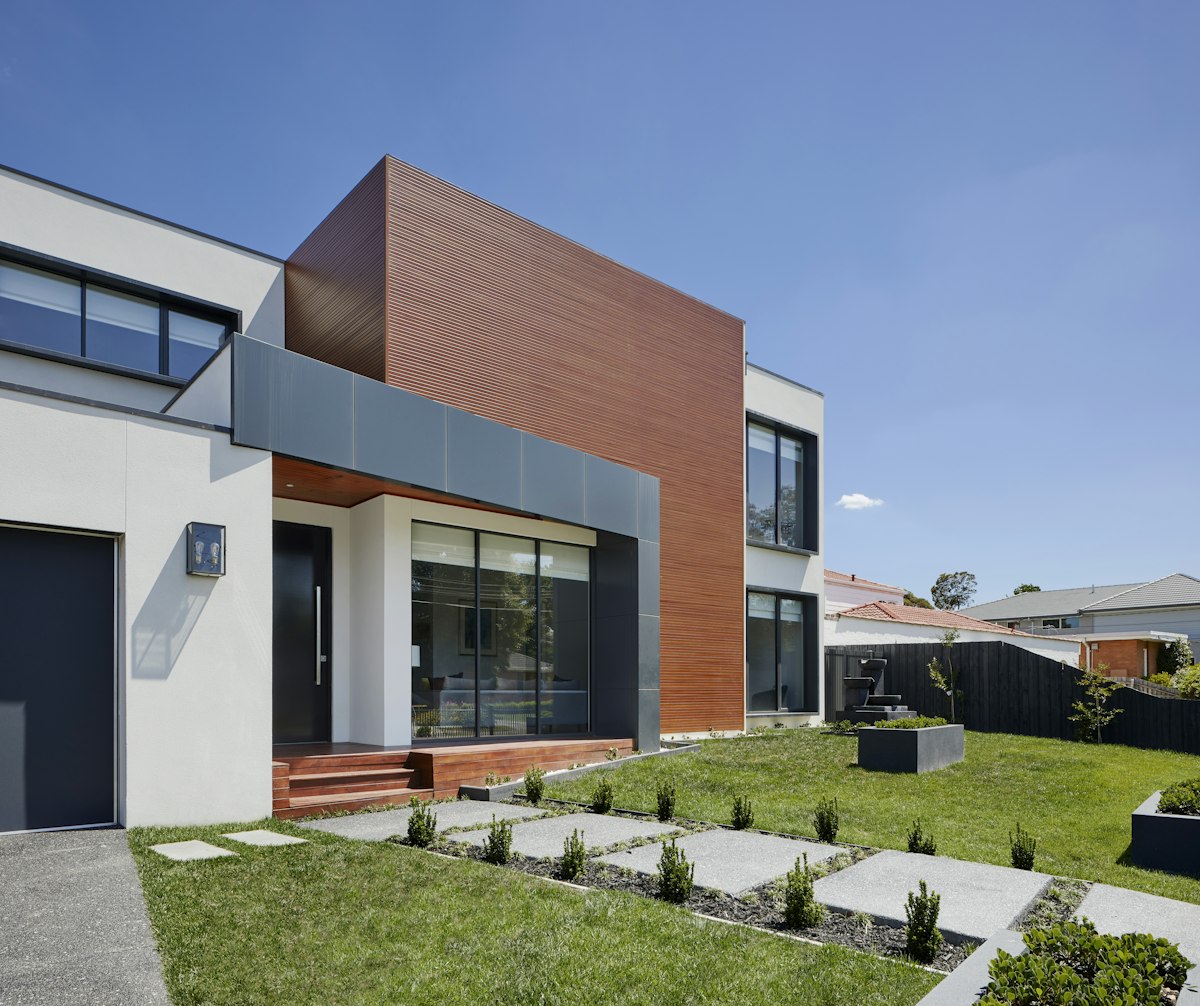
Aluminium boasts an exceptional strength-to-weight ratio. This structural rigidity allows manufacturers to create much slimmer frames and larger expanses of glass than uPVC can safely manage. This is particularly important for contemporary designs, bi-fold doors, and large sliding patio doors.
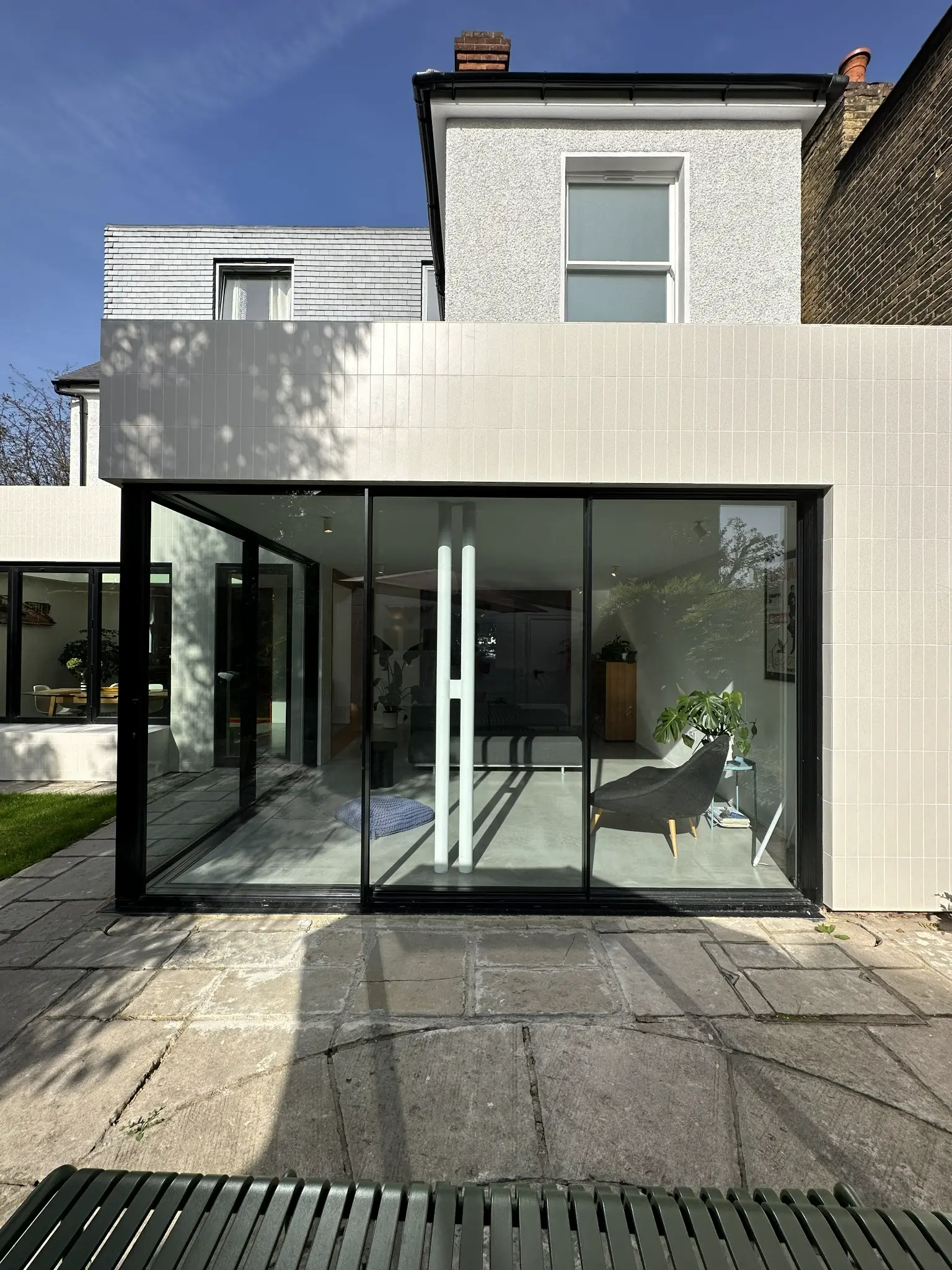
- Aesthetics: Minimalist, sleek, and modern. The narrow sightlines maximise the glazed area, allowing more natural light into the property.
- Applications: Ideal for expansive glazing, curtain walling, bi-fold doors (up to 6m wide), and demanding architectural applications where narrow frames are essential.
uPVC: Bulk and Versatility
While uPVC is strong enough for standard domestic windows and doors, it lacks the tensile strength of aluminium. To handle larger loads or provide necessary rigidity, uPVC frames must be bulkier, often requiring internal steel reinforcement.
- Aesthetics: Traditional uPVC frames tend to have thicker, chunkier profiles. While this suits some period properties (especially when foiled to mimic timber), it can detract from modern, minimalist designs.
- Versatility: uPVC excels in versatility, offering numerous finishes, including wood-effect foils (e.g., Anthracite Grey, Chartwell Green, or Oak) and traditional styles like sash windows.
Pro Tip
When comparing quotes, look beyond the headline U-value. Ask for the g-value (Solar Heat Gain Coefficient), especially for south-facing elevations. Aluminium systems often allow for larger glass areas, meaning solar gain becomes a more significant factor in preventing overheating during summer months. Ensure your chosen glazing specification balances thermal retention (low U-value) with solar control (appropriate g-value).
Durability, Maintenance, and Lifespan
The long-term performance and maintenance requirements are key factors in determining the true cost of ownership.
Aluminium Durability
Aluminium is incredibly durable, resistant to corrosion (when properly treated), rot, and warping. The standard finish for architectural aluminium is a powder coating, which is highly resistant to fading, scratching, and peeling.
- Maintenance: Very low. Requires only occasional cleaning with soapy water.
- Lifespan: Excellent. High-quality aluminium frames typically have a structural lifespan exceeding 40 years, often backed by warranties of 25 years or more for the powder coating.
- Environmental Factor: Aluminium is highly recyclable, making it an environmentally sound choice at the end of its long service life.
uPVC Durability
uPVC is also low maintenance and highly resistant to rot and rust. However, it is a plastic and can be susceptible to degradation over time, particularly from UV exposure.
- Maintenance: Very low. Routine cleaning is sufficient.
- Lifespan: Good. Standard uPVC frames typically last between 20 and 35 years. Coloured or foiled uPVC may show signs of fading or discolouration sooner than powder-coated aluminium, depending on the quality of the foil and exposure.
- Structural Issues: Over many decades, uPVC can become brittle, and the seals and gaskets may degrade, requiring replacement sooner than equivalent aluminium components.
Cost Comparison and Investment Value
Initial cost is often the deciding factor for homeowners, but it is important to view window replacement as a long-term investment.
Generally, uPVC is the most cost-effective option upfront, while aluminium represents a higher initial investment due to the complex manufacturing process required for thermal breaking and high-quality powder coating.
| Feature | uPVC Frames | Aluminium Frames |
|---|---|---|
| Initial Cost (Supply & Fit) | Low to Moderate | Moderate to High (typically 25-50% more than uPVC) |
| Thermal Performance (Modern) | Excellent (inherent insulator) | Excellent (requires high-quality thermal breaks) |
| Sightlines | Thick/Chunky | Slim/Minimalist |
| Maximum Size | Limited (requires reinforcement) | Very Large (high structural strength) |
| Maintenance | Very Low | Very Low |
| Lifespan Expectancy | 20 – 35 years | 40+ years |
| Recyclability | Difficult/Limited | Excellent (highly sustainable) |
Value Perspective
While uPVC offers immediate savings, aluminium often provides better long-term value, particularly for high-end properties or architectural projects. The longer lifespan, superior durability, and ability to accommodate large, high-value glazing installations mean the cost per year of service can be competitive, and the aesthetic uplift can significantly enhance property value.
Security and Hardware Considerations
Both uPVC and aluminium frames can achieve excellent security ratings, provided they are fitted with high-quality, multi-point locking mechanisms and robust hardware.
In the UK, the standard for security is PAS 24 (Enhanced Security Performance Requirements for Doorsets and Windows). Always confirm that the chosen system holds a current PAS 24 certification.
- Aluminium: The inherent strength of the material makes the frame itself incredibly resistant to forced entry, bending, or distortion. It is the preferred material for high-security commercial applications.
- uPVC: Security relies heavily on the internal steel or aluminium reinforcement and the quality of the locking hardware. A well-specified uPVC window is highly secure, but a poorly reinforced one may be vulnerable.
Regardless of the material, ensure the glazing itself is secured properly, typically using internally beaded frames, which prevent the removal of the glass from the outside.
Aesthetic Flexibility
Aluminium offers sleek, modern lines ideal for contemporary architecture, while uPVC provides traditional aesthetics and a wider range of foiled colours to mimic timber.
Long-Term Durability
Aluminium boasts a superior lifespan (40+ years) and resistance to warping and fading, making it a robust long-term investment compared to uPVC (20-35 years).
Thermal Compliance
Both materials can comfortably meet the strict 1.4 W/m²K replacement window U-value required by UK Part L, provided they are correctly specified with modern thermal technology.
Structural Capability
Aluminium's strength allows for significantly larger glass panels and slimmer frames, essential for bi-fold doors and expansive glazing features.
Making the Final Choice: Project Suitability
The best choice depends entirely on the specific requirements of your project, budget, and aesthetic goals:
- Choose uPVC if:
- Budget is the primary constraint.
- You are replacing standard-sized windows in a traditional or suburban property.
- You require a specific timber-effect finish.
- You prioritise excellent thermal performance without needing the slimmest possible frames.
- Choose Aluminium if:
- You are installing large architectural glazing, such as bi-fold doors, sliding doors, or large picture windows.
- You require the slimmest possible sightlines to maximise light and views.
- The project is a high-end new build or extension where long-term durability and modern aesthetics are key.
- You are looking for a highly sustainable, recyclable material with a very long warranty period.
Ultimately, both modern uPVC and high-specification thermally broken aluminium are excellent materials capable of delivering high performance and meeting UK Building Regulation standards. The decision rests on balancing cost, desired aesthetic, and the scale of the glazing required.
Expert Consultation and Specification
Selecting the right frames and glazing requires detailed knowledge of system performance and installation best practices. It is highly recommended to consult with a specialist glazing contractor or architectural designer to ensure your chosen system meets all structural, thermal, and security requirements specific to your property.
At Shard AG, we specialise in supplying and installing high-performance architectural glazing solutions across the UK. We offer expert guidance on both premium thermally broken aluminium systems and high-specification uPVC alternatives, ensuring every project achieves optimal thermal efficiency and compliance with current Building Regulations Part L (2022). Our focus is on providing tailored advice to help you select the material and specification that best meets your home's unique needs and design vision.
Explore Our Products
Discover how Shard Architectural Glazing can transform your home with our premium glazing solutions:
Ready to Transform Your Home?
Get in touch with our expert team for a free consultation and personalised quote. We'll help you choose the perfect glazing solution for your property.