


Choosing new window or door frames is a significant investment for any UK homeowner. The decision often boils down to two dominant materials: unplasticised polyvinyl chloride (uPVC) and aluminium. Both offer substantial improvements over traditional timber, but they possess distinct characteristics regarding aesthetics, thermal efficiency, cost, and longevity. Understanding these differences is crucial for ensuring compliance with UK Building Regulations and achieving the desired look and performance for your property.
Thermal Performance and UK Building Regulations
In the UK, the performance of windows and doors is strictly governed by Part L (Conservation of Fuel and Power) of the Building Regulations. These regulations mandate minimum standards for energy efficiency, primarily measured by the U-value (a measure of heat loss).
A lower U-value indicates better insulation. Currently, replacement windows must generally achieve a U-value of 1.4 W/m²K or better, or an energy rating of Band B or higher. New build properties often require stricter targets.
uPVC Thermal Efficiency
uPVC is inherently a poor conductor of heat, making it naturally thermally efficient. Modern uPVC frames utilise multi-chambered profiles, trapping air within the frame structure to minimise heat transfer. This design makes it relatively easy for uPVC windows to meet or exceed current UK Building Regulation requirements, especially when paired with high-performance double or triple glazing.
Aluminium Thermal Efficiency
Aluminium is a metal and an excellent conductor of heat. Historically, this was its main drawback. However, modern architectural aluminium systems overcome this issue through the use of thermal breaks. A thermal break is a non-metallic, low-conductivity barrier (often made of polyamide) inserted between the inner and outer aluminium profiles.
The quality and depth of the thermal break are critical. High-performance aluminium systems, particularly those designed for large glazing spans or high-end residential projects, can now achieve U-values comparable to, or sometimes better than, standard uPVC, easily meeting UK regulatory standards.
Pro Tip
When comparing quotes, always request the specific U-value for the entire window unit (frame and glass combined), not just the glass unit (centre pane U-value). Ensure the quoted U-value meets or exceeds the 1.4 W/m²K standard required by Part L of the UK Building Regulations for replacement installations.
Aesthetics and Design Flexibility
The visual impact of the frames significantly influences the overall appearance of a property, particularly for contemporary designs or properties in conservation areas.
The Slimline Appeal of Aluminium
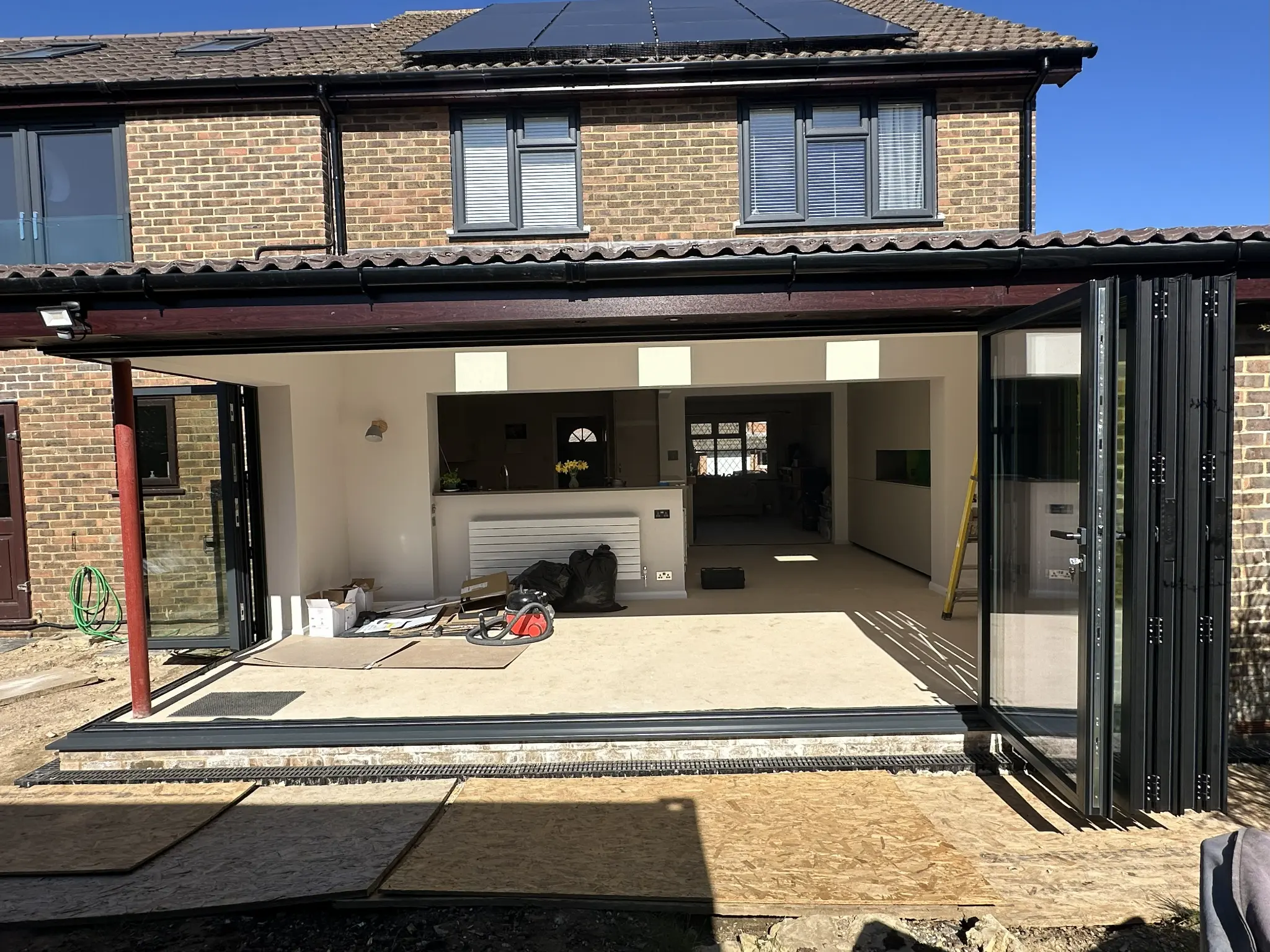
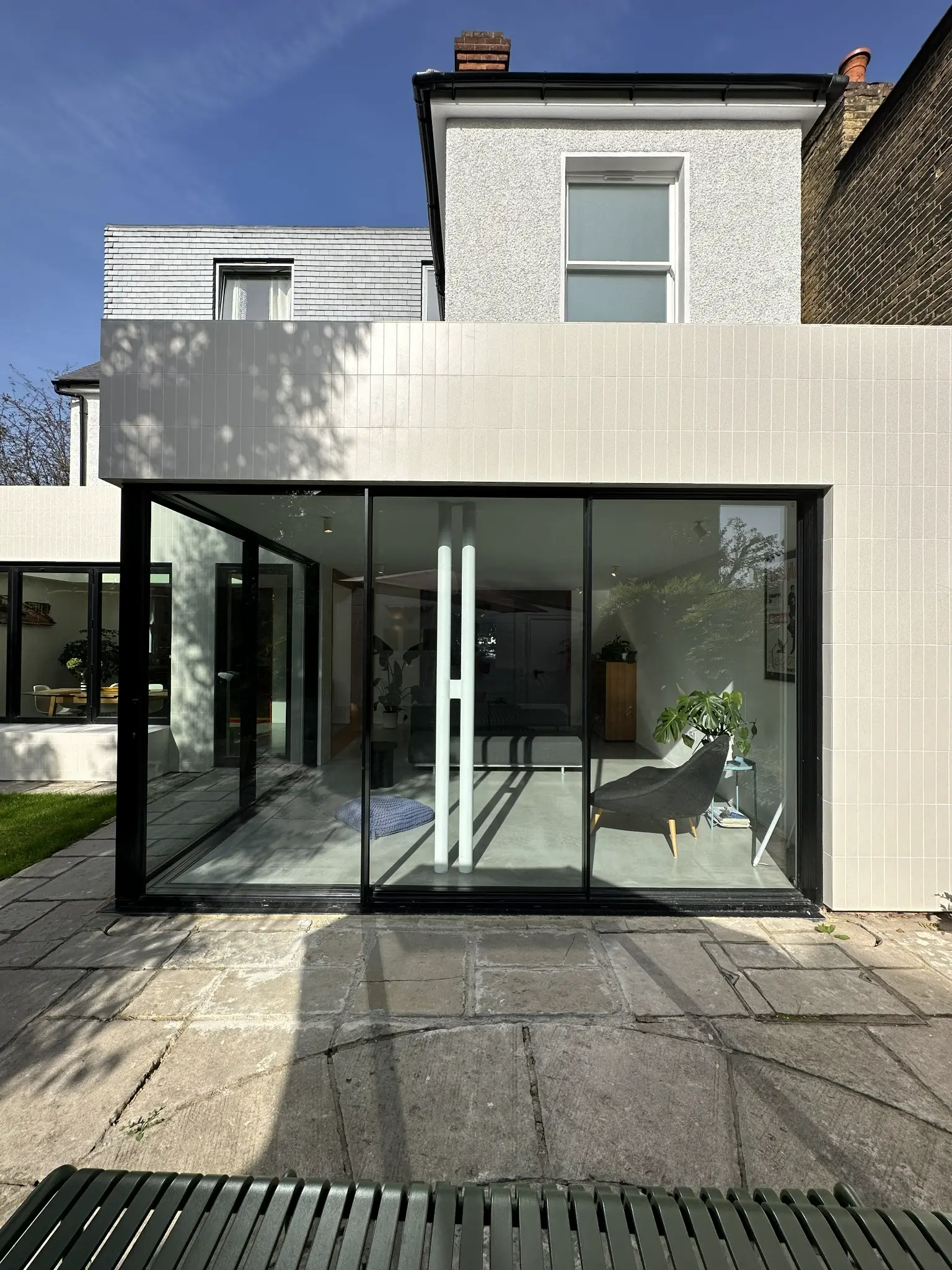
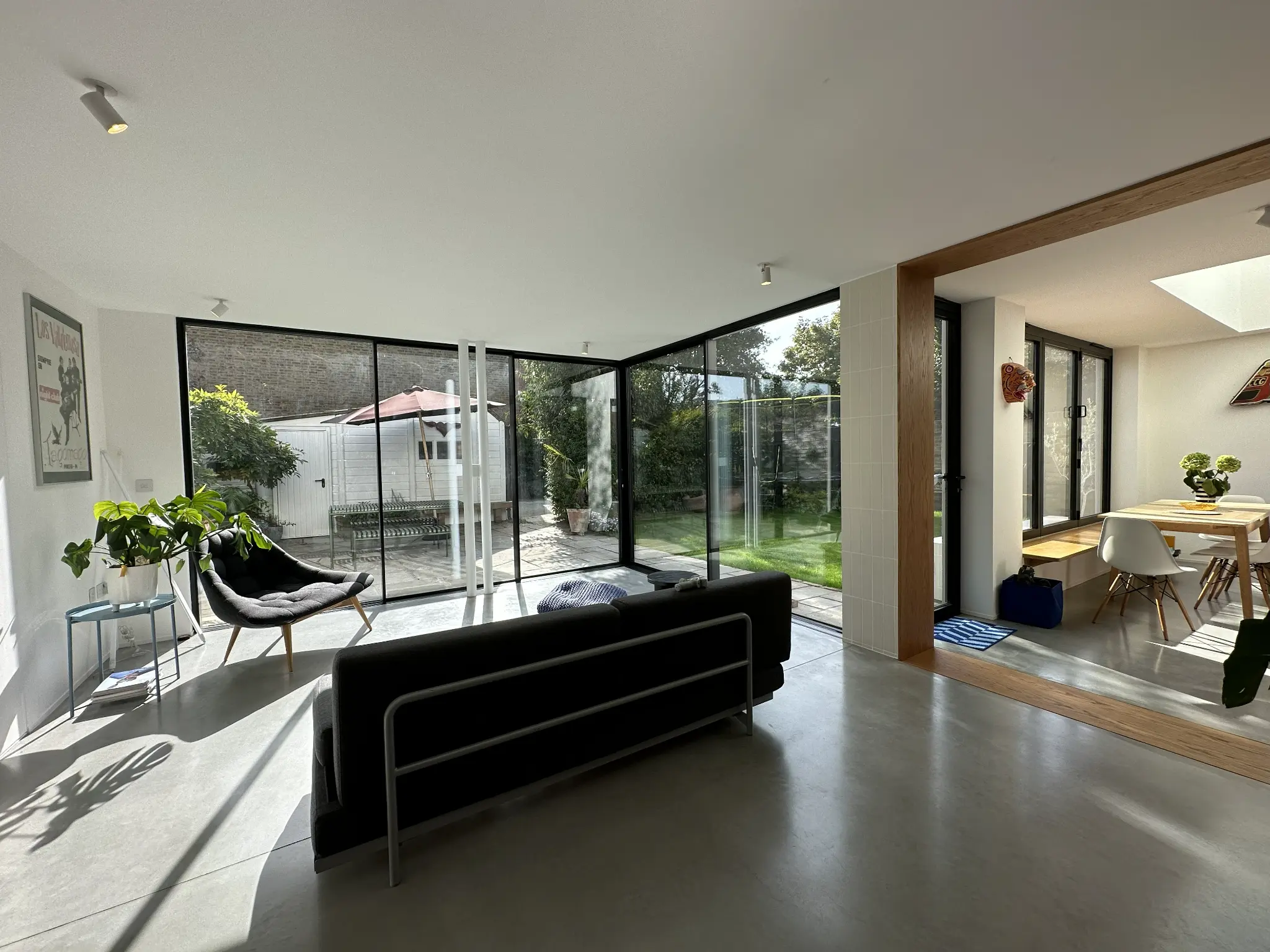
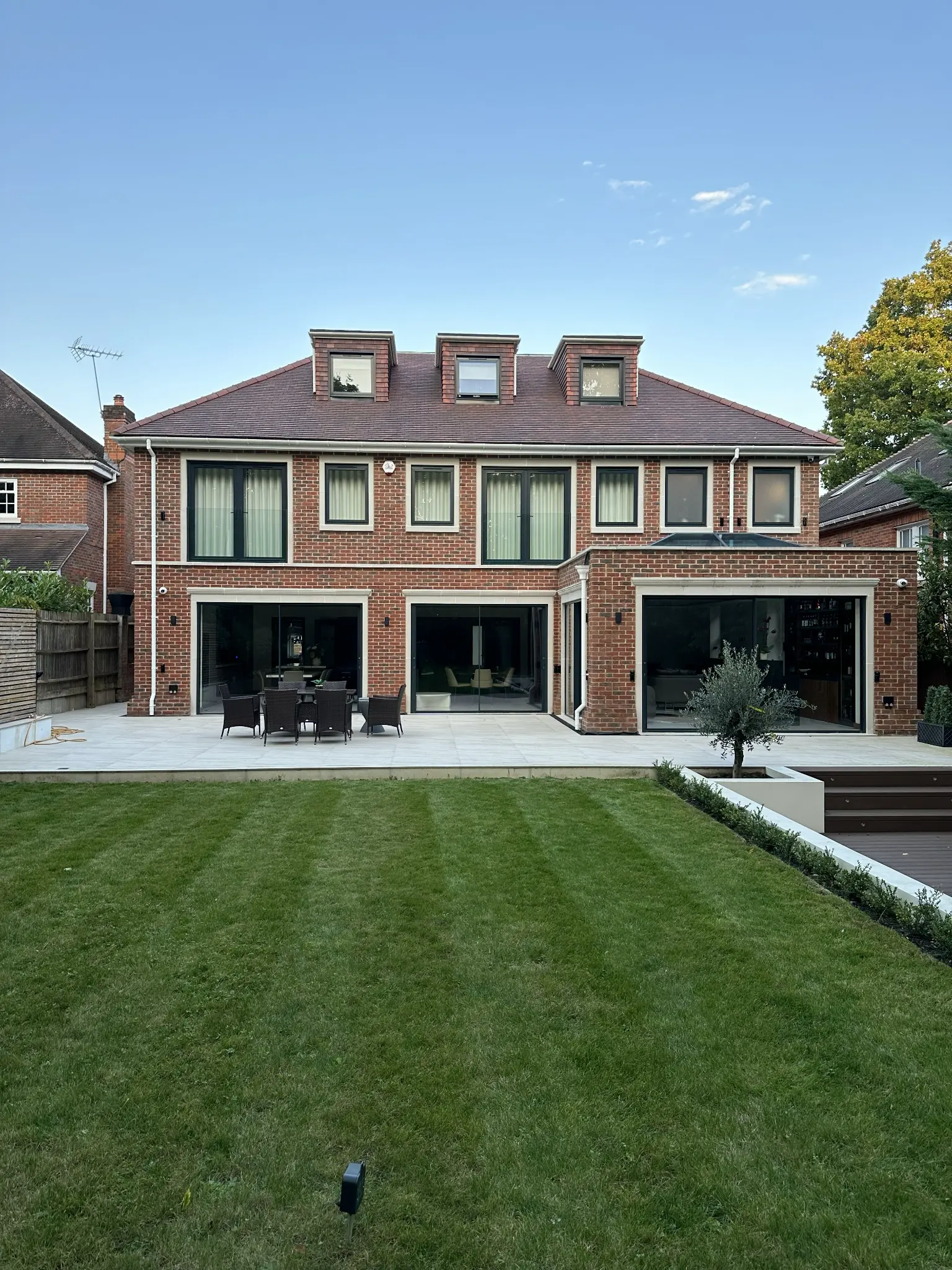
Aluminium’s inherent strength allows manufacturers to create much slimmer, more minimalist frame profiles compared to uPVC. This is a major advantage for homeowners seeking maximum daylight and unobstructed views (a higher glass-to-frame ratio). Aluminium frames are ideal for large-scale architectural glazing, such as bifold doors, sliding patio doors, and expansive picture windows, where structural integrity is paramount without sacrificing sightlines.
Furthermore, aluminium frames are typically finished with a durable powder coating, available in virtually any RAL colour. This finish is highly resistant to fading, scratching, and corrosion, offering a sleek, modern aesthetic that is popular in contemporary UK architecture.
uPVC Design Limitations
While uPVC has improved significantly in terms of colour options (including woodgrain foils), the material requires thicker profiles to achieve the necessary structural rigidity and chambered insulation. This results in chunkier sightlines compared to aluminium. While this robust appearance suits many traditional and standard modern homes, it can sometimes detract from the minimalist look desired in high-end architectural projects.
Durability, Longevity, and Maintenance
The lifespan and required upkeep of the frame material are crucial factors influencing the long-term cost of ownership.
Aluminium: The Durable Choice
Aluminium is exceptionally robust, resistant to rust, warping, and degradation from UV light. It is non-corrosive and maintains its structural integrity over decades. The powder-coated finish is extremely low maintenance, requiring only occasional cleaning with soapy water. Aluminium frames commonly come with guarantees exceeding 25 years, and their actual lifespan often stretches beyond 40 years, making them a premium, long-term investment.
uPVC: Good Value, Moderate Lifespan
uPVC is also highly durable and requires minimal maintenance. It does not rot or rust. However, over a very long period (typically 20–35 years), uPVC can sometimes suffer from gradual discolouration (especially older, lower-quality white profiles) or slight expansion and contraction due to extreme temperature fluctuations. While modern uPVC is far superior to early generations, its structural lifespan is generally shorter than that of aluminium.
Cost and Return on Investment
The initial outlay is often the deciding factor for many homeowners. Generally, uPVC offers the most cost-effective solution, while aluminium represents a higher upfront investment.
- uPVC Cost: Typically 25% to 40% less expensive than comparable aluminium systems. This makes uPVC the go-to choice for budget-conscious renovations or standard replacement projects.
- Aluminium Cost: The higher cost reflects the complexity of the thermal break technology, the premium powder-coating process, and the material’s superior strength and longevity.
When considering return on investment (ROI), it is important to factor in the material’s lifespan and potential impact on property value. Aluminium’s sleek appearance and longevity can sometimes command a higher perceived value, particularly in contemporary or high-specification homes.
Environmental Considerations
Sustainability is increasingly important. Aluminium is 100% recyclable and requires very little energy to recycle, making it an excellent choice from a circular economy perspective. While uPVC is also recyclable, the process is more complex, and its recycled content is often lower than that of aluminium.
Comparison Table and Summary
The following table summarises the key differences between the two materials based on typical UK residential applications:
| Feature | uPVC Frames | Aluminium Frames |
|---|---|---|
| Cost (Initial) | Low to Moderate | Moderate to High (Premium) |
| Thermal Performance | Excellent (Natural insulator) | Excellent (Requires high-quality thermal break) |
| Sightlines / Profile Thickness | Thicker (Chunky profile) | Slimmer (Minimalist, high glass ratio) |
| Lifespan (Estimated) | 20 – 35 Years | 35 – 50+ Years |
| Maintenance | Very Low (Occasional cleaning) | Very Low (Occasional cleaning) |
| Colour Options | Limited range of foils/colours | Unlimited RAL colours (Powder coated) |
| Recyclability | Good (More complex process) | Excellent (100% recyclable) |
Choosing the Right Material
Your ultimate choice should be guided by the specific demands of your project:
- Choose uPVC if: Budget is a primary concern, you require excellent thermal efficiency without the premium cost, or you are replacing standard windows in a traditional or modern suburban home.
- Choose Aluminium if: You are undertaking a high-specification architectural project, require large spans of glass (e.g., bifold doors), prioritise maximum daylight and slim sightlines, or seek the longest possible lifespan and a premium aesthetic.
Superior Strength
Aluminium's structural integrity allows for much larger, heavier glass panels and slimmer frames, ideal for modern architectural designs.
Exceptional Longevity
With lifespans often exceeding 40 years, aluminium offers a robust, long-term solution that resists warping and degradation.
Aesthetic Versatility
The ability to powder coat aluminium in any RAL colour, combined with its sleek profile, offers unparalleled design freedom for contemporary homes.
Low Whole-Life Cost
While the initial cost is higher, the minimal maintenance and long lifespan of aluminium often result in a highly competitive whole-life cost compared to other materials.
When making your final decision, always consult with a reputable UK glazing professional who can demonstrate compliance with all relevant Building Regulations and provide detailed U-value specifications for both aluminium and uPVC options.