
Aluminium vs uPVC Frames: Which is Best for Premium Glazing?
Choosing between aluminium and uPVC frames is crucial for modern home design. We compare durability, thermal performance, aesthetics, and cost for UK homeowners.

Shard Architectural Glazing
23 December 2025
Choosing between aluminium and uPVC frames is crucial for modern home design. We compare durability, thermal performance, aesthetics, and cost for UK homeowners.
📋In This Article
When embarking on a home renovation or self-build project in the UK, one of the most critical decisions is the choice of material for your window and door frames. This choice impacts not only the aesthetic appeal of your property but also its long-term performance, security, and energy efficiency. For decades, uPVC (unplasticised polyvinyl chloride) dominated the market, offering a cost-effective solution. However, the rise of modern architectural design has seen aluminium frames surge in popularity, particularly for large, contemporary glazing solutions like those offered by Shard Architectural Glazing.
This comprehensive guide will compare aluminium and uPVC across key metrics—durability, thermal efficiency, cost, and design flexibility—helping you make an informed choice that aligns with your budget and architectural vision.
Aesthetics and Design Flexibility
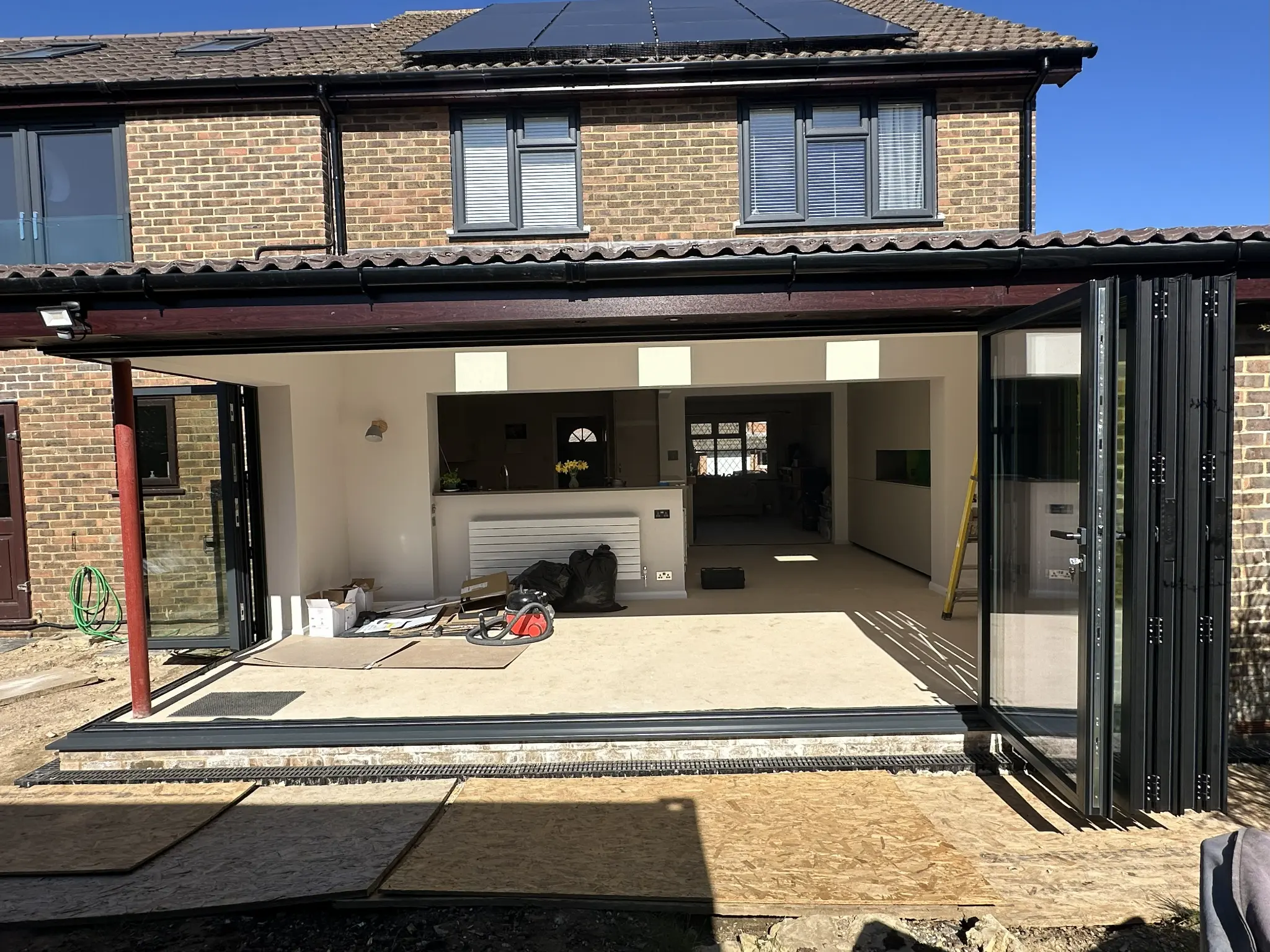
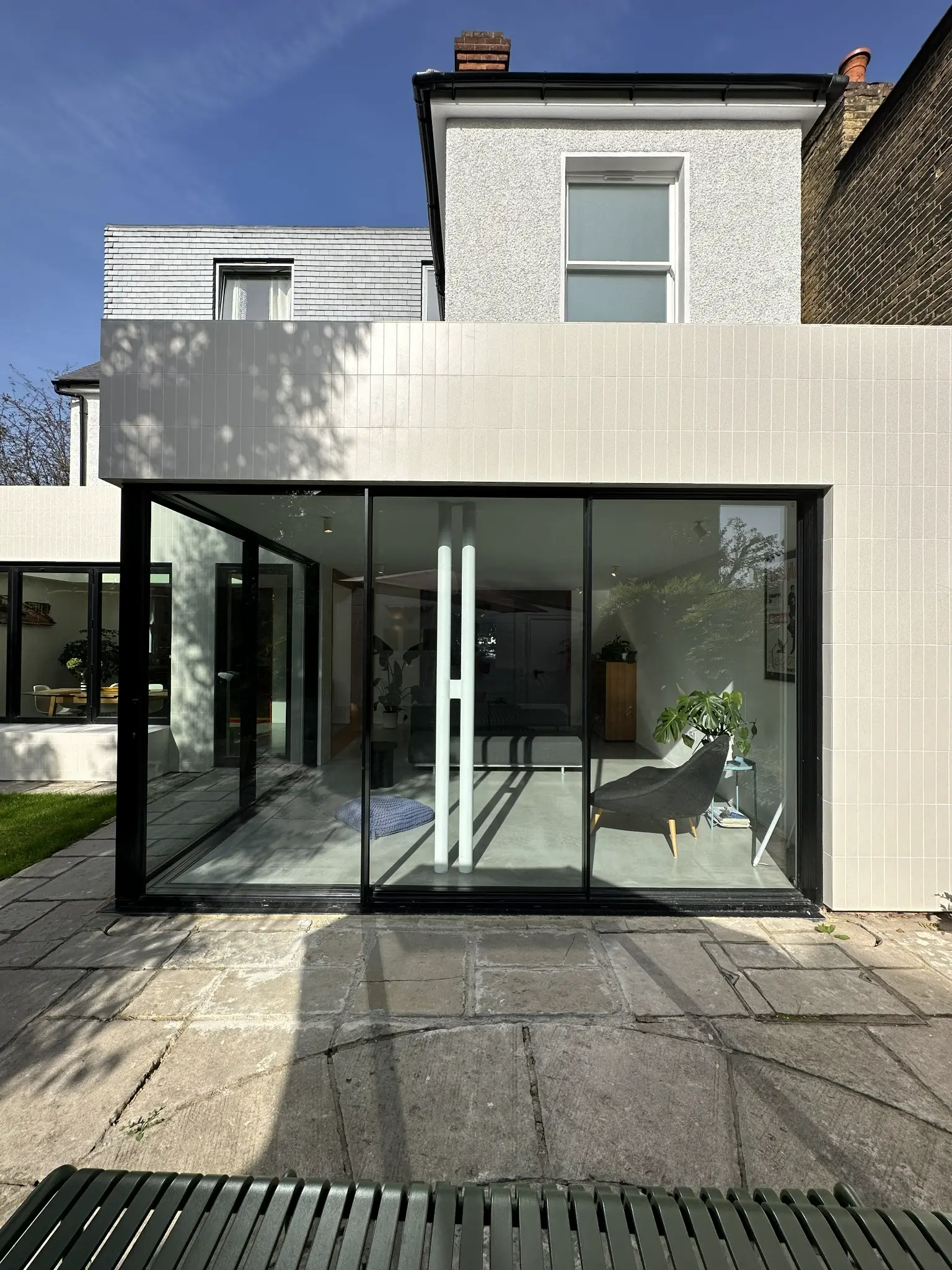
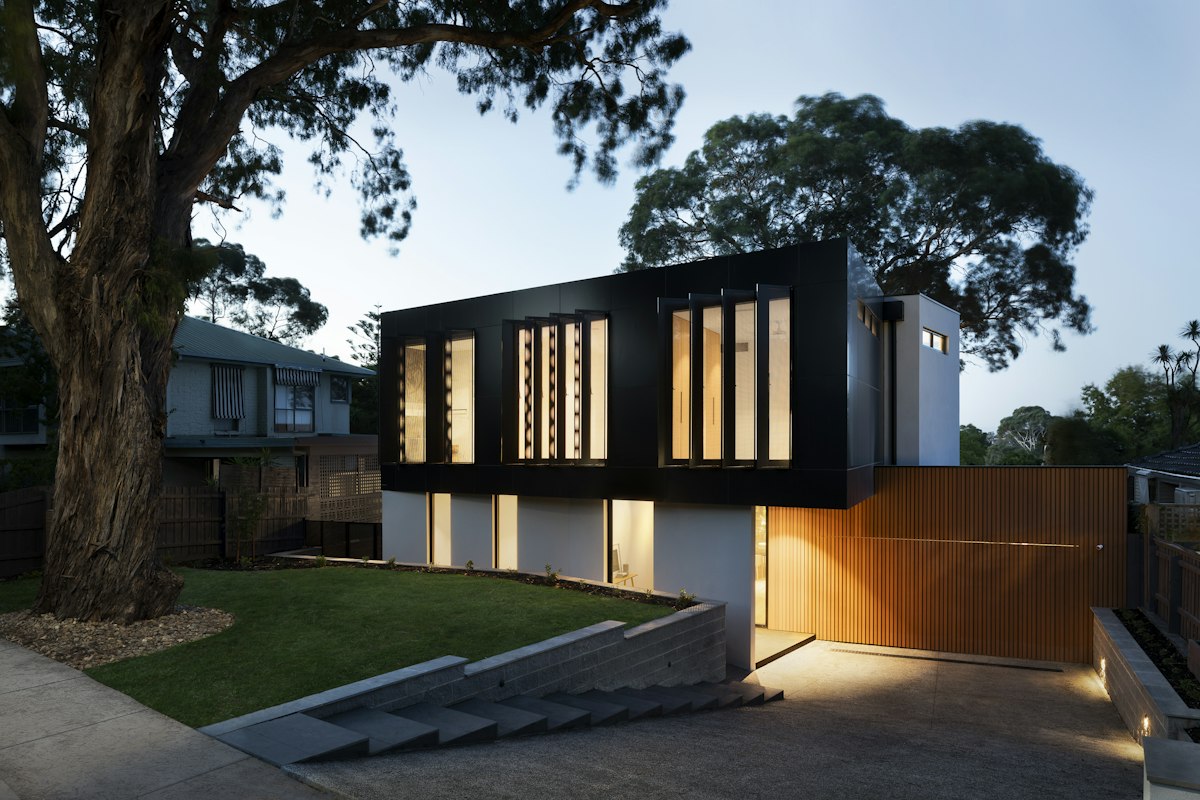
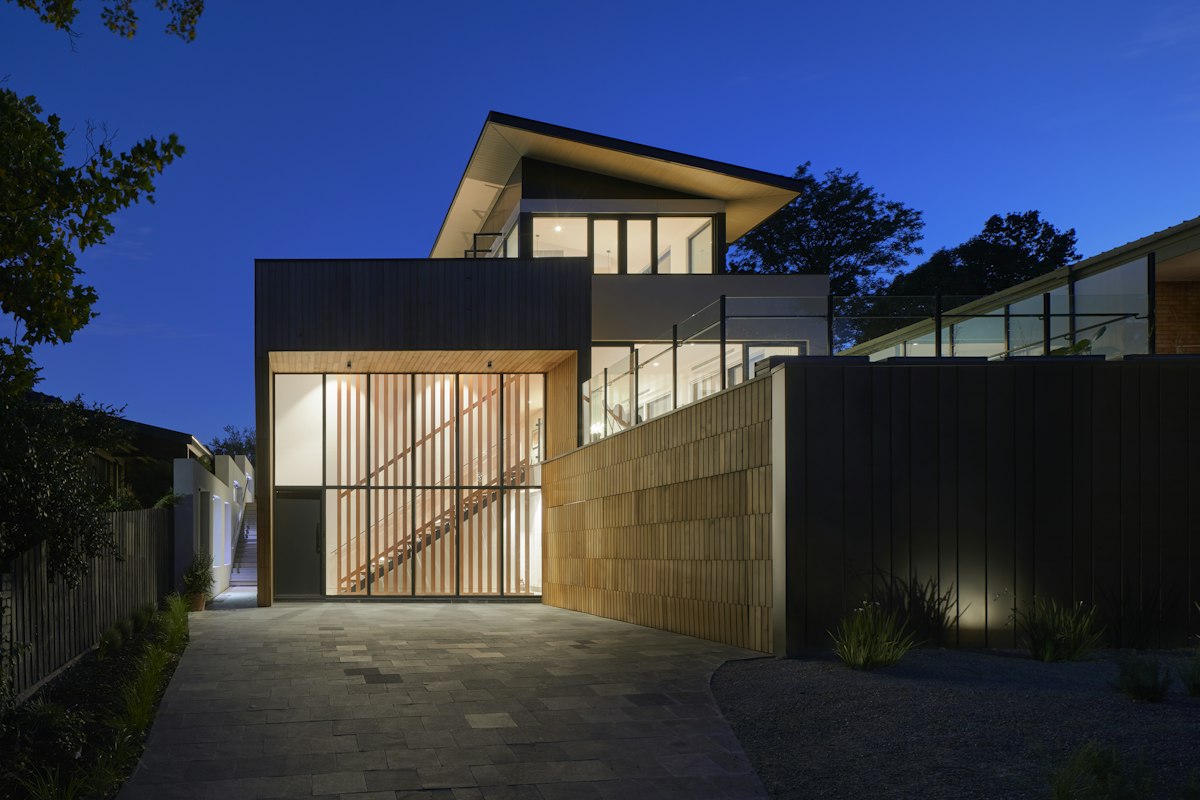
The visual impact of your frames is often the first consideration. Modern architectural glazing, such as expansive sliding doors or minimalist fixed panes, demands sleek lines and maximum glass area. This is where aluminium truly excels.
Aluminium frames are inherently stronger than uPVC, allowing for much slimmer sightlines. This means the frame profile can be significantly reduced, maximising the ingress of natural light and offering unobstructed views. Shard AG specialises in bespoke aluminium systems that achieve incredibly narrow profiles, often as slim as 20mm for our premium sliding doors. Furthermore, aluminium can be powder-coated in virtually any RAL colour, offering superior colour stability and a sophisticated matte or metallic finish that complements contemporary architecture.
While uPVC frames have improved significantly in terms of colour options (moving beyond basic white), they still require a bulkier frame profile to maintain structural integrity, especially for larger openings. This bulkiness can detract from the minimalist aesthetic sought in high-end projects. Over time, darker uPVC colours can also be prone to fading or discolouration due to UV exposure, a concern that is largely eliminated with high-quality powder-coated aluminium.
Slim Sightlines
Aluminium allows for maximum glass area and minimal frame visibility, essential for modern, light-filled spaces.
Superior Durability
Aluminium is resistant to rust, corrosion, warping, and cracking, offering a lifespan of 40+ years with minimal maintenance.
Thermal Performance
Modern aluminium systems use advanced thermal breaks to achieve U-values comparable to, or better than, standard uPVC.
High Security
The inherent strength of aluminium makes it an ideal material for securing large glazed areas against forced entry.
Thermal Efficiency and Energy Performance
Historically, uPVC held the advantage in thermal performance because plastic is an inherently poor conductor of heat, meaning it naturally insulates well. Aluminium, being a metal, is highly conductive. However, advancements in engineering have completely levelled this playing field, making modern aluminium systems incredibly energy efficient.
Premium aluminium glazing systems now incorporate sophisticated technology known as thermal breaks. A thermal break is a non-conductive barrier (usually reinforced polyamide) inserted between the inner and outer aluminium profiles. This break stops the transfer of heat or cold through the frame, drastically reducing heat loss. When paired with high-performance glazing units (double or triple glazing with low-emissivity coatings), Shard AG’s aluminium products achieve impressive U-values that meet or exceed stringent UK Building Regulations.
While uPVC remains thermally competent, its ability to achieve the lowest U-values is often limited by the need for thicker, multi-chambered profiles. For homeowners seeking the ultimate balance between thermal performance and aesthetic appeal in a large-scale architectural project, modern thermally broken aluminium is the superior choice.
Pro Tip
When comparing quotes, always ask for the system's overall U-value (Uw), not just the glass U-value (Ug). A low Uw value indicates excellent performance across the entire unit, including the frame and spacers. For premium projects, aim for a Uw value below 1.4 W/m²K, or even lower for Passivhaus standards.
Durability, Longevity, and Maintenance
Longevity is a crucial factor when investing in architectural glazing. Frames are exposed to the harsh UK weather, including rain, wind, and temperature fluctuations. The materials must be able to withstand these elements without degrading.
Aluminium is exceptionally durable. It does not rust, warp, crack, or rot. The powder-coated finish is highly resilient against chipping and fading. This robustness means aluminium frames have an expected lifespan of 40 years or more, often requiring nothing more than an occasional wipe-down with soapy water. For high-traffic areas or large structural elements like bifold doors and sliding systems, aluminium's inherent strength ensures smooth operation over decades.
uPVC is also low maintenance, but its lifespan is typically shorter—around 20 to 35 years. Over time, uPVC can become brittle, and the seals may degrade, leading to potential air leaks. While modern uPVC is reinforced, it lacks the structural rigidity of aluminium, which can be a limiting factor when designing large, bespoke glazed walls.
"We chose Shard AG's aluminium sliding doors for our extension specifically because of the slim profile. The quality is outstanding, and the thermal performance has been brilliant, keeping our large open-plan space warm all winter. It was a worthwhile investment over standard uPVC."
— Mr. & Mrs. Davies, Cheshire
Cost, Security, and Investment
The upfront cost is often the deciding factor for many homeowners. Generally, uPVC frames are the most budget-friendly option, making them popular for standard replacement windows and smaller projects. They offer excellent value for money and meet minimum performance standards easily.
Aluminium frames represent a higher initial investment. The complex manufacturing process, the inclusion of thermal breaks, and the superior quality of the powder coating contribute to a higher price point. However, it is essential to view this as a long-term investment. Aluminium's extended lifespan, minimal maintenance costs, and the added value it brings to a property (due to superior aesthetics and performance) often justify the increased expenditure.
In terms of security, both materials offer good protection when paired with multi-point locking systems and laminated or toughened glass. However, the non-flexible, high-strength nature of aluminium provides a fundamentally more secure frame structure, particularly important for large glazed apertures that might be vulnerable to impact or forced entry. Shard AG ensures all our aluminium systems meet stringent UK security standards like PAS 24.
Comparison Table: Aluminium vs. uPVC
To summarise the key differences, here is a direct comparison of the two framing materials:
| Feature | Aluminium Frames | uPVC Frames |
|---|---|---|
| Aesthetic/Sightlines | Excellent; ultra-slim profiles (20mm+) | Good; requires bulkier frames |
| Design Flexibility | High; ideal for large spans, bespoke shapes, and wide colour range (RAL) | Moderate; best for standard sizes; limited colour stability |
| Thermal Performance | Excellent; achieved via advanced thermal breaks (low U-values) | Good; inherently insulating (requires multi-chambers) |
| Durability & Lifespan | Superior (40+ years); non-corrosive, no warping | Good (20-35 years); can become brittle over time |
| Maintenance | Very low; occasional cleaning | Low; occasional cleaning |
| Cost (Upfront) | High | Low to Moderate |
Making the Right Choice for Your Project
The decision between aluminium and uPVC ultimately depends on the scope and ambition of your project. If you are working with a tight budget and require standard-sized windows for a traditional property, high-quality uPVC remains a viable, cost-effective option.
However, if your project involves contemporary architecture, large glazed openings (such as bifold or sliding doors), or requires a specific, high-end aesthetic, thermally broken aluminium is the undisputed champion. It offers the structural capability to hold vast expanses of glass while maintaining the slim sightlines essential for modern design. For architects and builders specifying premium, long-lasting solutions, aluminium provides the necessary blend of performance, durability, and aesthetic excellence.
At Shard Architectural Glazing, we exclusively recommend and supply premium aluminium systems for residential and commercial projects across the UK. Our expertise ensures that every bespoke frame is engineered for maximum thermal efficiency, security, and flawless operation, guaranteeing that your investment enhances your property for decades to come.
Explore Our Products
Discover how Shard Architectural Glazing can transform your home with our premium glazing solutions:
Ready to Transform Your Home?
Get in touch with our expert team for a free consultation and personalised quote. We'll help you choose the perfect glazing solution for your property.