
Bi-Parting Sliding Doors: The Ultimate Guide for UK Homes
Explore bi-parting sliding doors for your UK home. Learn about their design, benefits, technical specifications, and compliance with UK Building Regulations.

Shard Architectural Glazing
9 January 2026
Explore bi-parting sliding doors for your UK home. Learn about their design, benefits, technical specifications, and compliance with UK Building Regulations.
📋In This Article
Bi-parting sliding doors offer a sophisticated and highly functional solution for homeowners looking to maximise natural light, improve access, and enhance the aesthetic appeal of their property. Unlike traditional sliding doors that stack to one side, bi-parting systems feature two sets of panels that meet in the middle and slide open in opposite directions, creating a wide, unobstructed opening. This comprehensive guide will delve into the world of bi-parting sliding doors, covering their design, benefits, technical considerations, and how they align with UK Building Regulations.
What Are Bi-Parting Sliding Doors?
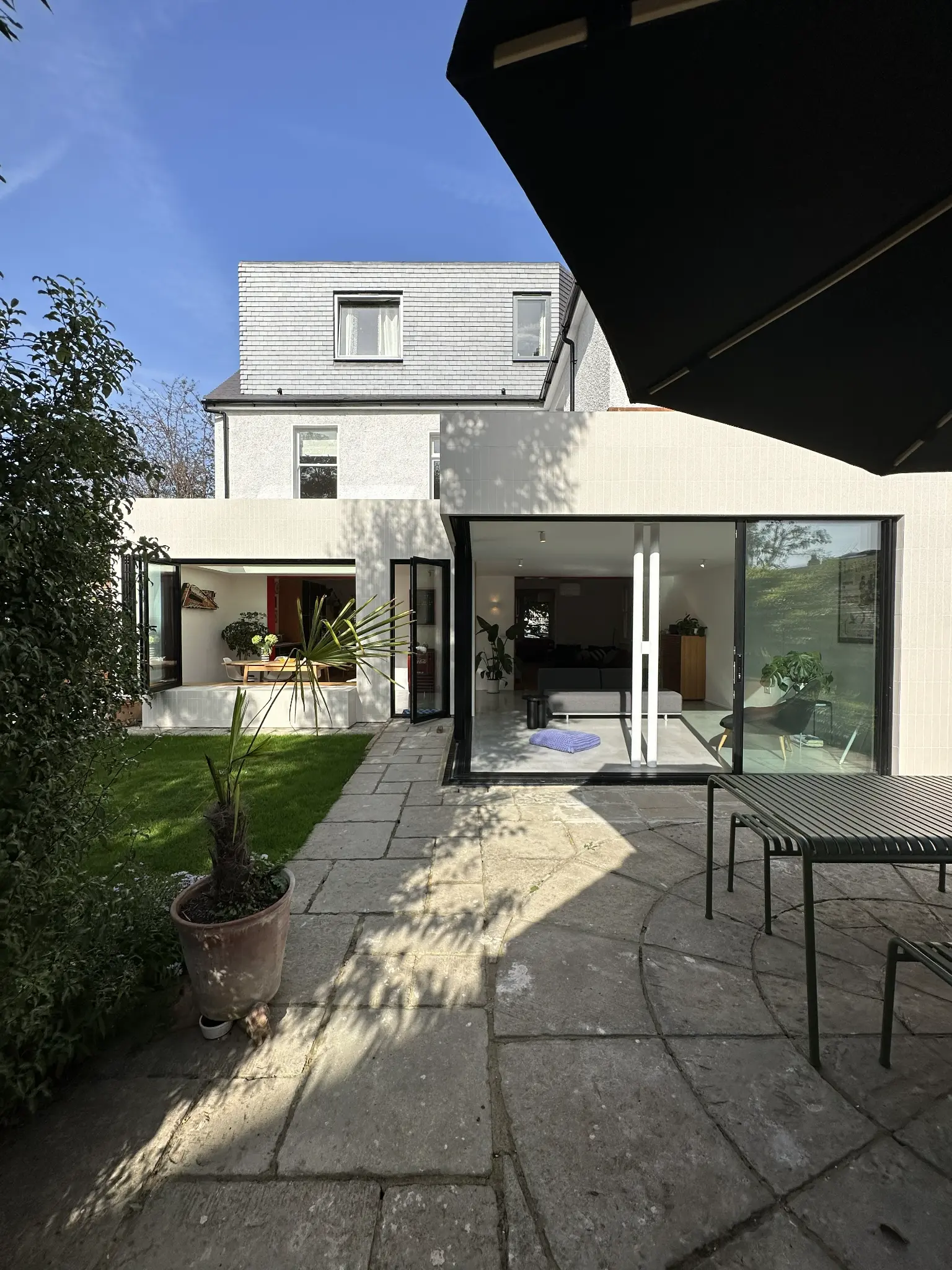
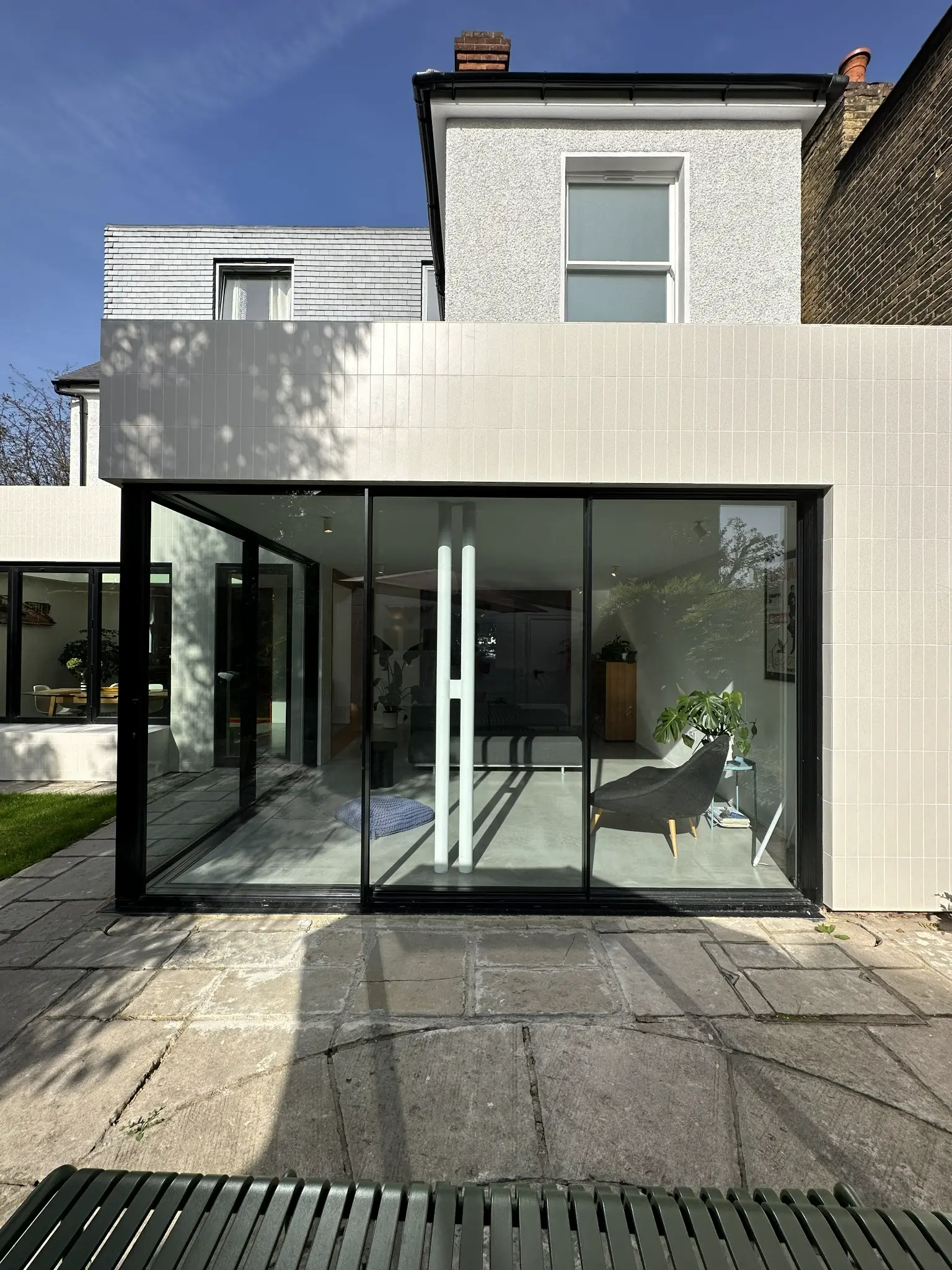
At their core, bi-parting sliding doors consist of multiple panels that operate on a track system. The key differentiating factor is their opening mechanism: two central panels (or sets of panels) slide away from each other towards opposite ends of the opening. This creates a balanced, symmetrical aesthetic when closed and an expansive, central opening when fully retracted.
Common Configurations
- 2-Panel Bi-Parting: Two panels meet in the middle and slide outwards, one to the left and one to the right.
- 4-Panel Bi-Parting: Four panels, typically two central panels that meet, and two outer panels. The two central panels slide outwards, each pushing an outer panel along with it, creating a large central opening.
- Multi-Panel Bi-Parting: For very wide openings, systems can incorporate six or more panels, splitting into two equal halves that slide in opposite directions.
These doors are commonly used as external doors leading to gardens, patios, or balconies, but can also be effectively employed internally to divide large living spaces whilst maintaining an open-plan feel when desired.
Key Benefits of Bi-Parting Sliding Door Systems
The appeal of bi-parting sliding doors extends beyond their elegant appearance. They offer a range of practical and aesthetic advantages for UK homeowners.
Expansive Openings
By sliding panels away from the centre, bi-parting doors create a significantly wider and more symmetrical opening compared to single-direction sliders. This seamless transition between indoor and outdoor spaces is ideal for entertaining or simply enjoying the view.
Enhanced Natural Light
With their large glass panels and minimal frames, these doors maximise the ingress of natural light, brightening interior spaces and reducing the need for artificial lighting during the day. This can contribute to a more pleasant living environment and potentially lower energy bills.
Symmetrical Aesthetics
The balanced design of bi-parting doors provides a visually appealing focal point, whether open or closed. This symmetry can complement various architectural styles, from contemporary new builds to renovated period properties.
Space Efficiency
Unlike hinged French or patio doors, sliding doors do not require additional swing space, making them an excellent choice for areas where space is at a premium. The panels simply glide along their track, preserving valuable floor area both inside and out.
Technical Considerations and Materials
When selecting bi-parting sliding doors, several technical aspects and material choices will influence their performance, durability, and cost.
Frame Materials
- Aluminium: Highly durable, lightweight, and strong, allowing for slim sightlines and large glass panels. Aluminium is resistant to corrosion and requires minimal maintenance. It offers excellent thermal performance when combined with a thermal break.
- uPVC: A cost-effective option offering good thermal insulation and low maintenance. While uPVC frames can be thicker than aluminium, advancements have led to slimmer profiles. Available in various colours and finishes.
- Timber: Offers a natural, warm aesthetic and excellent thermal properties. Requires more maintenance (painting/staining) but can be very durable if properly treated. Often chosen for conservation areas or traditional properties.
- Composite: Combines materials like timber internally and aluminium externally, offering the best of both worlds – the warmth of wood inside and the durability/low maintenance of aluminium outside.
Glazing Options
The glazing is crucial for thermal performance, security, and sound insulation.
- Double Glazing: Standard for modern doors, comprising two panes of glass separated by a sealed gap, often filled with an inert gas like argon. This significantly improves thermal insulation compared to single glazing.
- Triple Glazing: Features three panes of glass, offering superior thermal and acoustic performance. While more expensive and heavier, it can be beneficial in homes aiming for very low U-values or located in noisy areas.
- Low-E Coatings: Applied to glass to reflect heat back into the room in winter and reduce heat gain in summer, enhancing energy efficiency.
- Laminated or Toughened Glass: Essential for safety and security. Toughened glass shatters into small, blunt pieces if broken, while laminated glass holds together, preventing a large opening. Often a requirement for doors and large glazed areas.
Thermal Performance (U-Values)
A critical measure of a door's energy efficiency is its U-value, expressed in W/m²K. A lower U-value indicates better insulation and less heat loss. For replacement doors in existing homes in England, the maximum U-value permitted by Building Regulations Part L (2022) is 1.4 W/m²K. For new builds or extensions, the requirement is even stricter, typically 1.2 W/m²K. Ensure your chosen doors meet or exceed these standards.
Pro Tip
Always request the U-value of the entire door system (frame and glass combined) from your supplier, not just the glass. This provides an accurate measure of its thermal performance and ensures compliance with UK Building Regulations.
Security Features
Modern sliding doors incorporate advanced security features:
- Multi-point locking systems: Engage at several points along the frame.
- Anti-lift mechanisms: Prevent panels from being lifted off their tracks.
- High-security cylinders: Often compliant with British Standard BS EN 1303.
- Internal glazing beads: Prevent glass removal from the outside.
- PAS 24: Look for doors certified to PAS 24, indicating they have undergone rigorous testing against common attack methods.
UK Building Regulations and Compliance
Any installation of new or replacement doors must comply with relevant UK Building Regulations, particularly Part L (Conservation of Fuel and Power) and Part F (Ventilation).
Part L: Thermal Performance
As mentioned, doors must meet specific U-value requirements:
- New Build/Extensions: Doors and windows typically require a U-value of 1.2 W/m²K or lower.
- Replacement Doors: The maximum permissible U-value is 1.4 W/m²K.
It is crucial to verify that the doors you select meet these standards. Your installer should be able to provide documentation proving compliance.
Part F: Ventilation
When replacing existing windows or doors, you must consider ventilation. If the existing windows or doors had trickle vents, the new ones should also include them to maintain adequate background ventilation. If there were no trickle vents previously, but the dwelling has mechanical ventilation, you may not need them. Always check with your local Building Control or a qualified professional.
Building Control Approval
For new extensions or significant structural alterations, Building Control approval is typically required. For like-for-like replacement doors, if installed by a FENSA or CERTASS registered company, they can self-certify the work, issuing a certificate of compliance. If you use a non-registered installer, you will need to apply for Building Control approval yourself.
Installation and Maintenance
Proper installation is paramount for the long-term performance, security, and thermal efficiency of bi-parting sliding doors. It is highly recommended to use experienced, certified installers.
Key Installation Considerations
- Structural Opening: The opening must be perfectly level and plumb to ensure smooth operation and proper sealing.
- Drainage: Adequate drainage around the threshold is essential to prevent water ingress, especially with flush threshold designs.
- Weatherproofing: Correct sealing and flashing are vital to protect against wind and rain.
- Threshold Type: Options include standard thresholds (which have a slight step) or flush thresholds (creating a seamless transition, but requiring careful drainage design).
Maintenance Tips
- Regular Cleaning: Clean glass with a non-abrasive cleaner and frames with warm soapy water. Avoid harsh chemicals.
- Track Maintenance: Keep tracks free from dirt, debris, and grit. Vacuum or wipe them regularly to ensure smooth operation.
- Lubrication: Periodically lubricate moving parts and locking mechanisms with a silicone-based spray, as recommended by the manufacturer.
- Seal Checks: Inspect seals and gaskets for signs of wear or damage and replace them if necessary to maintain thermal performance and weatherproofing.
Cost and Return on Investment
The cost of bi-parting sliding doors can vary significantly based on material, size, glazing type, security features, and manufacturer. Aluminium doors tend to be at the higher end, while uPVC offers a more budget-friendly option. While the initial outlay might be higher than standard patio doors, the long-term benefits often justify the investment.
Factors Influencing Cost:
- Material: Aluminium > Composite > Timber > uPVC
- Size: Larger doors with more panels cost more.
- Glazing: Triple glazing, specialist glass (e.g., self-cleaning, solar control), and higher security glass increase cost.
- Hardware: Premium handles, locking systems, and advanced running gear.
- Installation Complexity: Difficult access, structural alterations, or bespoke requirements.
Return on Investment:
Bi-parting sliding doors can significantly enhance the value and appeal of your home. They contribute to improved energy efficiency, potentially reducing heating bills, and create a desirable living space that can be a strong selling point if you decide to move.
Comparison Table: Bi-Parting vs. Other Door Types
To help you decide, here's a brief comparison of bi-parting sliding doors with other popular large-opening door types:
| Feature | Bi-Parting Sliding Doors | Bi-Fold Doors | Standard Sliding Doors |
|---|---|---|---|
| Opening Style | Panels slide from centre outwards | Panels fold and stack to one or both sides | Panels slide to one side, overlapping |
| Opening Width | Very wide, symmetrical central opening | Can achieve up to 90% clear opening | Typically 50% clear opening (one fixed panel) |
| Space Required | No external/internal swing space needed | Requires stacking space at one or both ends | No external/internal swing space needed |
| Sightlines | Often very slim, especially with aluminium | Can be thicker due to folding mechanism | Can be slim, but panels overlap when open |
| Threshold Options | Standard or flush | Standard or flush | Standard or flush |
| Ventilation | Can incorporate trickle vents or 'ventilation' position | Can incorporate trickle vents or 'traffic door' | Can incorporate trickle vents or 'ventilation' position |
| Aesthetics | Symmetrical, elegant, modern | Dynamic, creates a 'wall of glass' when closed | Clean, minimalist, space-saving |
Bi-parting sliding doors offer a compelling blend of aesthetic appeal, practical functionality, and energy efficiency for UK homes. By understanding the technical specifications, material options, and compliance requirements, homeowners can make an informed decision that enhances their living space for years to come.
If you're considering bi-parting sliding doors for your property, it's always advisable to consult with reputable suppliers and installers who can guide you through the selection process, provide detailed specifications, and ensure the installation meets all relevant UK Building Regulations. They can help you choose the right system that perfectly complements your home's architecture and your lifestyle needs.
Explore Our Products
Discover how Shard Architectural Glazing can transform your home with our premium glazing solutions:
Ready to Transform Your Home?
Get in touch with our expert team for a free consultation and personalised quote. We'll help you choose the perfect glazing solution for your property.