
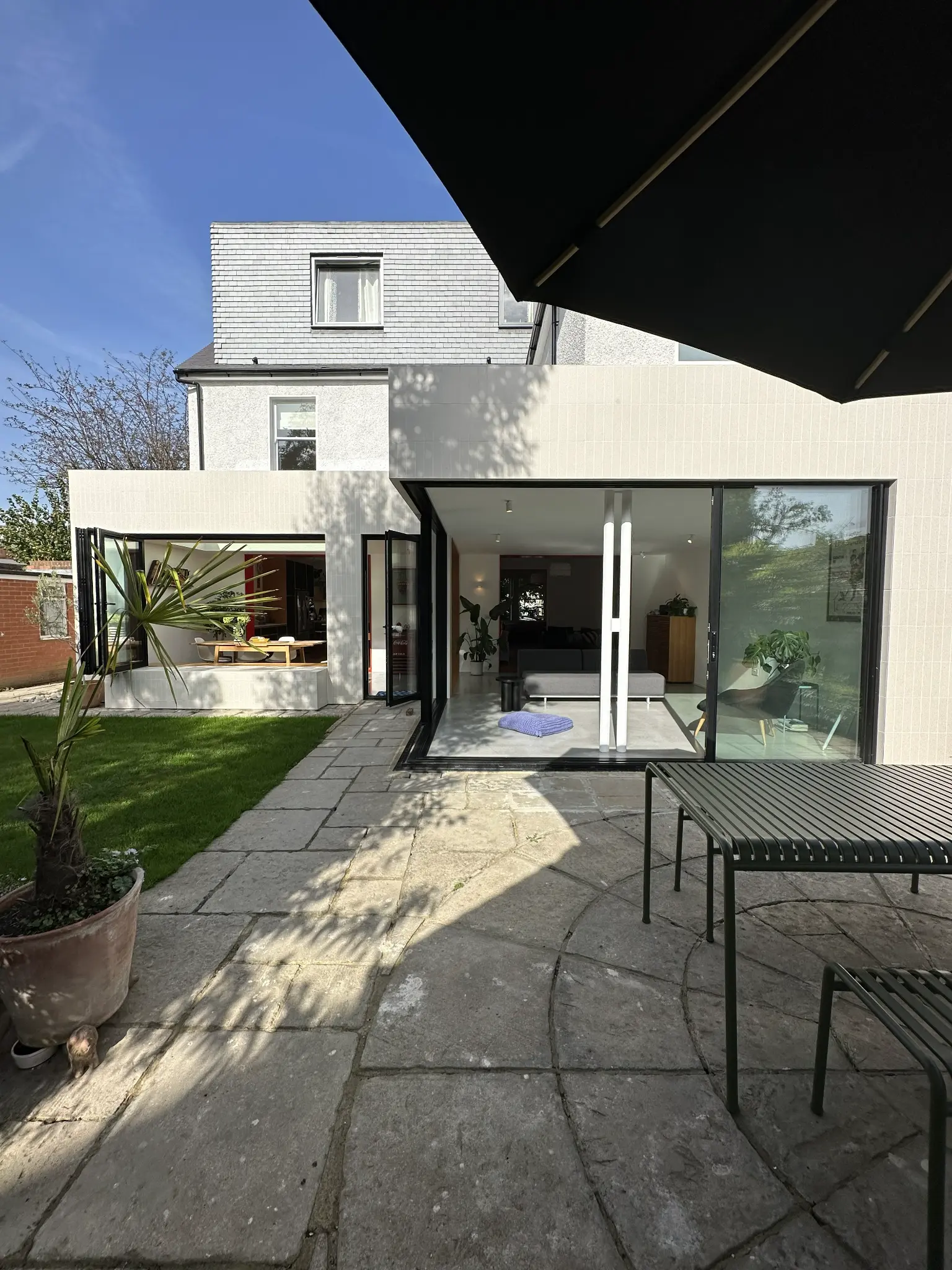
Choosing Durable Glazing for UK Coastal Properties
Coastal homes face unique challenges from salt, wind, and moisture. Learn how to select the right frames, glass, and hardware to ensure longevity and compliance with UK Building Regulations.

Shard Architectural Glazing
27 December 2025
Coastal homes face unique challenges from salt, wind, and moisture. Learn how to select the right frames, glass, and hardware to ensure longevity and compliance with UK Building Regulations.
📋In This Article
- The Unique Environmental Challenges of Coastal Locations
- Selecting Corrosion-Resistant Frame Materials
- Crucial Specification of Hardware and Fixings
- Glass and Thermal Performance Considerations
- Installation Best Practice and Ongoing Maintenance
- The Long-Term Benefits of Specialised Coastal Glazing
- Expert Coastal Glazing Solutions from Shard AG
Choosing Durable Glazing for UK Coastal Properties
Owning a property on the UK coast offers stunning views and a refreshing lifestyle, but it presents unique challenges for building materials. The combination of high winds, airborne salt spray, constant moisture, and UV exposure accelerates corrosion and degradation, particularly for window and door systems. Selecting the correct glazing specification is crucial for ensuring longevity, thermal performance, and structural integrity.
The Unique Environmental Challenges of Coastal Locations
Coastal environments are categorised by their proximity to the sea and the severity of exposure. In the UK, properties within 5 miles of the coastline are generally considered 'coastal exposure zones', requiring enhanced material specifications.
Salt Corrosion and Abrasion
The most damaging factor is airborne salt spray. Salt particles (chlorides) are highly corrosive, attacking metal components like hinges, handles, and frame reinforcements. Furthermore, wind-driven sand and debris cause abrasive wear on finishes and seals.
High Wind Loads and Structural Integrity
Coastal areas often experience significantly higher wind speeds than inland locations. This necessitates glazing systems that can withstand extreme wind loading. In the UK, structural calculations must adhere to BS EN 1991-1-4 (Eurocode 1: Actions on structures – General actions – Wind actions). Frames must be robustly reinforced, and the glass thickness must be sufficient to resist deflection under pressure.
UV Degradation and Moisture
Increased sun exposure (UV radiation) can degrade sealants, gaskets, and plastic components over time, leading to premature failure of the insulating glass unit (IGU). High humidity and constant moisture penetration also increase the risk of condensation and mould growth if ventilation is inadequate.

Selecting Corrosion-Resistant Frame Materials
The frame material is the first line of defence against the elements. Traditional materials may require significantly more maintenance or fail prematurely in harsh coastal settings.
Aluminium Systems
Aluminium is popular for its strength and slim sightlines, but standard finishes are unsuitable for the coast. For coastal applications, aluminium frames must undergo specific pre-treatment and finishing processes:
- Pre-treatment: Enhanced cleaning and chromate conversion (or chrome-free alternatives).
- Coating: Use of marine-grade powder coatings (typically Class 2 or higher) applied to a minimum thickness of 60 microns. These must comply with Qualicoat Seaside Class standards, which involves rigorous accelerated corrosion testing.
- Maintenance: Even marine-grade aluminium requires regular washing (every 3-6 months) to remove salt deposits and maintain the protective coating integrity.
uPVC (Unplasticised Polyvinyl Chloride)
uPVC is inherently resistant to salt and moisture corrosion, making it a cost-effective choice. However, the primary concern is the potential for UV degradation and the required internal steel reinforcement.
- UV Stability: Ensure the profile is manufactured with high UV stabilisers to prevent yellowing or embrittlement.
- Reinforcement: Any steel reinforcement used internally must be galvanised or, ideally, stainless steel to prevent rust expansion, which can crack the uPVC profile.
Timber and Composite Frames
Timber offers traditional aesthetics but demands intense maintenance. If chosen, use durable hardwoods (like Accoya or Oak) treated with marine-grade paints or stains. Composite frames (e.g., timber clad with aluminium) offer a good balance, provided the external cladding is marine-grade aluminium.
Pro Tip
When specifying aluminium for a coastal property, always request confirmation that the finish meets Qualicoat Seaside Class or equivalent ISO 12944 C5 (Very High) corrosion category standards. This ensures the coating is certified for extreme marine environments.
Crucial Specification of Hardware and Fixings
The failure point in many coastal glazing installations is not the frame or the glass, but the small metal components that facilitate operation and security.
Corrosion Resistance Standards
Standard zinc-plated steel hardware will fail rapidly in a saline environment. All exposed and internal metal components must meet high corrosion resistance standards:
- Hinges, Locks, and Handles: Should be manufactured from 316-grade stainless steel (A4 marine grade) or brass.
- Fixings and Screws: Use 316-grade stainless steel screws, anchors, and fixings for installation into the building fabric.
- Gaskets and Seals: Specify high-performance EPDM (Ethylene Propylene Diene Monomer) gaskets, which offer superior resistance to UV and temperature fluctuations compared to standard PVC seals.
Weathertightness and Air Permeability
Coastal windows must achieve superior weathertightness ratings. Look for systems tested to BS 6375-1, specifically achieving high classifications for:
- Air Permeability: Class 4 (the highest rating).
- Water Tightness: Typically Class E 900 Pa or higher, depending on the exposure level.
- Wind Resistance: Class E 2400 Pa or higher.
Glass and Thermal Performance Considerations
While the glass itself is resistant to salt corrosion, its specification must address thermal efficiency, safety, and acoustic performance against wind noise.
Enhanced Safety and Wind Loading
Due to the high wind loads, thicker glass or laminated glass is often mandatory. Laminated glass (two panes bonded by a PVB interlayer) offers superior safety, as it remains intact if shattered, and provides better acoustic insulation against persistent wind noise.
Insulating Glass Units (IGUs)
The integrity of the IGU seal is paramount. Coastal salt and moisture can attack the edge seals, leading to premature failure (misting between the panes). Specifying a warm edge spacer bar (e.g., composite or silicone foam) instead of traditional aluminium can improve the thermal bridge and offer better long-term durability of the seal.
UK Building Regulations Compliance (Part L and Part K)
Coastal properties must still comply with UK Building Regulations, particularly Part L (Conservation of Fuel and Power). The U-value (a measure of heat loss) for replacement windows must typically be 1.4 W/m²K or better. Furthermore, Part K (Protection from falling, collision and impact) requires safety glass (toughened or laminated) in critical locations, which is often extended in coastal areas due to increased wind stress.
| Material | Corrosion Resistance (Standard) | Coastal Requirement | Maintenance Level |
|---|---|---|---|
| uPVC | Excellent (Salt/Moisture) | UV stable profile; Stainless steel reinforcement. | Low |
| Aluminium | Poor (Standard finish) | Marine-grade powder coating (Qualicoat Seaside); 316 SS hardware. | Medium (Regular washing) |
| Timber | Good (If treated) | Durable hardwood; Marine-grade paint/stain system; Regular re-coating. | High |
Installation Best Practice and Ongoing Maintenance
Even the highest specification glazing will fail if installed incorrectly. Coastal installations require meticulous attention to sealing and fixing.
Sealing and Drainage
All perimeter joints must be sealed using high-quality, UV-stable, marine-grade silicone sealant. Proper drainage is essential to ensure that any water penetrating the outer seal can escape without collecting and causing internal damage or corrosion.
Fixing Methods
Fixings must be robust and corrosion-resistant (316 stainless steel). In masonry construction, chemical anchors or high-performance fixings designed for high pull-out loads are often recommended to secure the frames against extreme wind suction and pressure.
Essential Maintenance Routine
Coastal glazing requires a proactive maintenance schedule to negate the effects of salt build-up:
- Regular Cleaning: Frames, glass, and hardware should be washed every 3 to 6 months using mild soap and fresh water to remove salt deposits. This is non-negotiable for maintaining the warranty on marine-grade coatings.
- Hardware Lubrication: Hinges, tracks, and locking mechanisms should be lubricated annually with a non-acidic, non-corrosive lubricant suitable for marine environments.
- Seal Inspection: Annually inspect all perimeter seals and gaskets for cracking or shrinkage and replace damaged silicone immediately to prevent water ingress.
The Long-Term Benefits of Specialised Coastal Glazing
Extended Lifespan
By investing in marine-grade materials and 316 stainless steel hardware, the lifespan of the windows and doors is significantly extended, avoiding costly replacements within a decade.
Superior Weather Protection
High-performance systems tested to extreme wind and water tightness standards ensure the interior of the property remains dry, secure, and protected against the harshest storms.
Reduced Maintenance Burden
While regular cleaning is necessary, choosing materials like marine-grade aluminium or high-spec uPVC reduces the need for frequent painting, repair, or component replacement associated with standard materials.
Enhanced Thermal Efficiency
Specialised glazing often incorporates warm edge spacers and high-performance coatings, ensuring compliance with Part L and lower heating bills, crucial for exposed properties.
Choosing glazing for a coastal property is an exercise in durability and precision. It requires moving beyond standard specifications and focusing on materials and finishes certified for extreme marine environments. While the initial investment may be higher, the long-term savings in maintenance, repairs, and energy efficiency far outweigh the upfront cost.
Expert Coastal Glazing Solutions from Shard AG
At Shard AG, we understand the specific demands placed on architectural glazing systems in UK coastal regions. We specialise in supplying and installing bespoke glazing solutions, utilising materials that meet stringent marine-grade specifications, including Qualicoat Seaside certified aluminium and 316 stainless steel hardware. Our expert team ensures every installation adheres to the highest standards of wind load resistance and water tightness, guaranteeing performance and longevity for your coastal home.
Explore Our Products
Discover how Shard Architectural Glazing can transform your home with our premium glazing solutions:
Ready to Transform Your Home?
Get in touch with our expert team for a free consultation and personalised quote. We'll help you choose the perfect glazing solution for your property.