


Garden rooms have evolved from simple sheds into sophisticated, year-round living spaces—offices, gyms, studios, or annexes. For these spaces to be comfortable and energy-efficient, the choice of glazing is paramount. Unlike internal rooms, garden rooms are often highly glazed, meaning thermal performance and solar control are critical considerations for UK homeowners.
Understanding Thermal Performance and U-Values
In the UK, ensuring your garden room is thermally efficient is not just about comfort; it's a matter of compliance. The primary measure of thermal efficiency in glazing is the U-value, expressed in Watts per square metre Kelvin (W/m²K). The lower the U-value, the better the material is at preventing heat loss.
UK Building Regulations Part L (Conservation of Fuel and Power)
If your garden room is intended for year-round use, has a floor area exceeding 30m², or is located less than one metre from a boundary, it will typically require formal Building Control approval. Even if it falls under permitted development rights (and is under 30m²), adhering to thermal standards is best practice for usability.
- New Build/Extension Standards (England, 2022): The target U-value for windows and doors in new thermal envelopes is generally 1.2 W/m²K.
- Replacement Standards: For replacement work, the standard is 1.4 W/m²K.
For a habitable garden room, the glazing must meet these stringent requirements. This often necessitates high-specification double glazing or, increasingly, triple glazing.
Pro Tip
When comparing quotes for garden room glazing, always ask for the centre-pane U-value AND the overall frame/unit U-value (Uw). The overall Uw value is the one required for Building Regulations compliance and provides a more accurate picture of the unit's true thermal efficiency.
Double Glazing vs. Triple Glazing
The choice between double and triple glazing hinges on budget, space usage, and desired thermal performance.
Double Glazing (Standard High Performance)
Modern double-glazed units (DGUs) consist of two panes of glass separated by a spacer bar, creating a sealed cavity filled with an inert gas, usually Argon. The inner pane typically features a low-emissivity (Low-E) coating, which reflects heat back into the room.
- Performance: High-quality DGUs can easily achieve U-values between 1.2 W/m²K and 1.4 W/m²K, making them compliant with current UK standards.
- Cost and Weight: They are significantly lighter and less expensive than triple glazing.
- Practicality: Suitable for most garden room applications, offering an excellent balance of cost and performance.
Triple Glazing (Maximum Efficiency)
Triple glazing incorporates three panes of glass and two gas-filled cavities, significantly reducing heat transfer.
- Performance: Can achieve extremely low U-values, often ranging from 0.8 W/m²K down to 0.6 W/m²K.
- Acoustics: Excellent for noise reduction, a major benefit if the garden room is near a busy road or noisy neighbours.
- Drawbacks: Significantly heavier, requiring robust frames and structures. Higher initial cost and potential reduction in solar gain (meaning less free heating from the sun).
Thermal Comfort
Low U-values prevent cold spots and draughts, ensuring the space remains warm in winter and reducing heating costs.
Noise Reduction
Glazing with wider cavities or triple panes significantly dampens external noise, essential for a peaceful home office or studio.
Security
Laminated or toughened glass, combined with multi-point locking systems, protects valuable equipment stored in the garden room.
UV Protection
Low-E coatings filter harmful UV rays, protecting furniture, artwork, and flooring from fading over time.
Frame Materials and Durability
The frame material plays a crucial role in the overall U-value and longevity of the installation. Even the best glass unit will underperform if housed in a poor frame.
uPVC (Unplasticised Polyvinyl Chloride)
uPVC remains the most popular choice due to its low maintenance, durability, and cost-effectiveness. Modern uPVC frames incorporate internal chambers and steel reinforcement to improve thermal efficiency and structural integrity.
- Pros: Excellent thermal break, wide range of colours/finishes, highly durable, cost-effective.
- Cons: Aesthetic can sometimes be considered less premium than timber or aluminium.
Aluminium
Aluminium frames are ideal for contemporary garden rooms requiring large expanses of glass, slim sightlines, and minimalist aesthetics. They are incredibly strong, allowing for larger, heavier units.
- Pros: Exceptional strength, very slim profiles, modern aesthetic, long lifespan.
- Cons: Aluminium is highly conductive, so frames MUST incorporate a high-quality polyamide thermal break to prevent heat loss and meet Building Regulations. More expensive than uPVC.
Timber (Hardwood or Engineered)
Timber offers natural insulation and a classic aesthetic. Engineered timber (laminated layers) provides greater stability and resistance to warping than traditional solid timber.
- Pros: Naturally low U-value, sustainable, attractive traditional look.
- Cons: Requires regular maintenance (painting/staining) and is generally the most expensive option.
Glazing Types and Functionality
Beyond the basic thermal unit, specific glass types can enhance the functionality and safety of your garden room.
Safety Glazing
UK Building Regulations mandate the use of safety glass (either toughened or laminated) in critical locations, such as low-level glazing, doors, and large panes where impact is possible. This is essential for garden rooms used by children or as gyms.
- Toughened Glass: Five times stronger than standard glass. If broken, it shatters into small, blunt fragments, reducing injury risk.
- Laminated Glass: Consists of two panes bonded by a plastic interlayer (PVB). If broken, the glass adheres to the interlayer, remaining in the frame. This offers superior security and acoustic performance.
Solar Control Glazing
Highly glazed garden rooms, especially those facing south or west, can suffer from severe overheating (the 'greenhouse effect'). Solar control glass incorporates specialised coatings that reflect a portion of the sun's heat energy while still allowing light transmission.
This is measured by the G-value (Solar Heat Gain Coefficient). A lower G-value means less solar heat enters the room, reducing the need for air conditioning or extensive ventilation in summer.
Acoustic Glazing
If the garden room is a music studio or home office requiring maximum quiet, acoustic glazing is key. This is often achieved using laminated glass with a thicker, specialised acoustic PVB interlayer, or by using glass panes of different thicknesses (e.g., 6mm outer, 4mm inner) to disrupt sound wave transmission.
| Glazing Specification | Typical Overall Uw Value (W/m²K) | Primary Benefit | Cost Implication |
|---|---|---|---|
| Standard Double Glazing (Low-E, Argon) | 1.3 – 1.4 | Cost-effective compliance | Standard |
| High-Performance Double Glazing (Warm Edge Spacer) | 1.2 – 1.3 | Meets new build standards | Moderate |
| Triple Glazing (Two Argon Cavities) | 0.8 – 0.9 | Maximum thermal efficiency | High |
| Laminated Safety Glass (Acoustic) | 1.2 – 1.4 | Security and noise reduction | Moderate/High |
| Solar Control Glass (Low G-value) | 1.2 – 1.3 | Prevents overheating in summer | Moderate |
Door and Window Styles for Garden Rooms
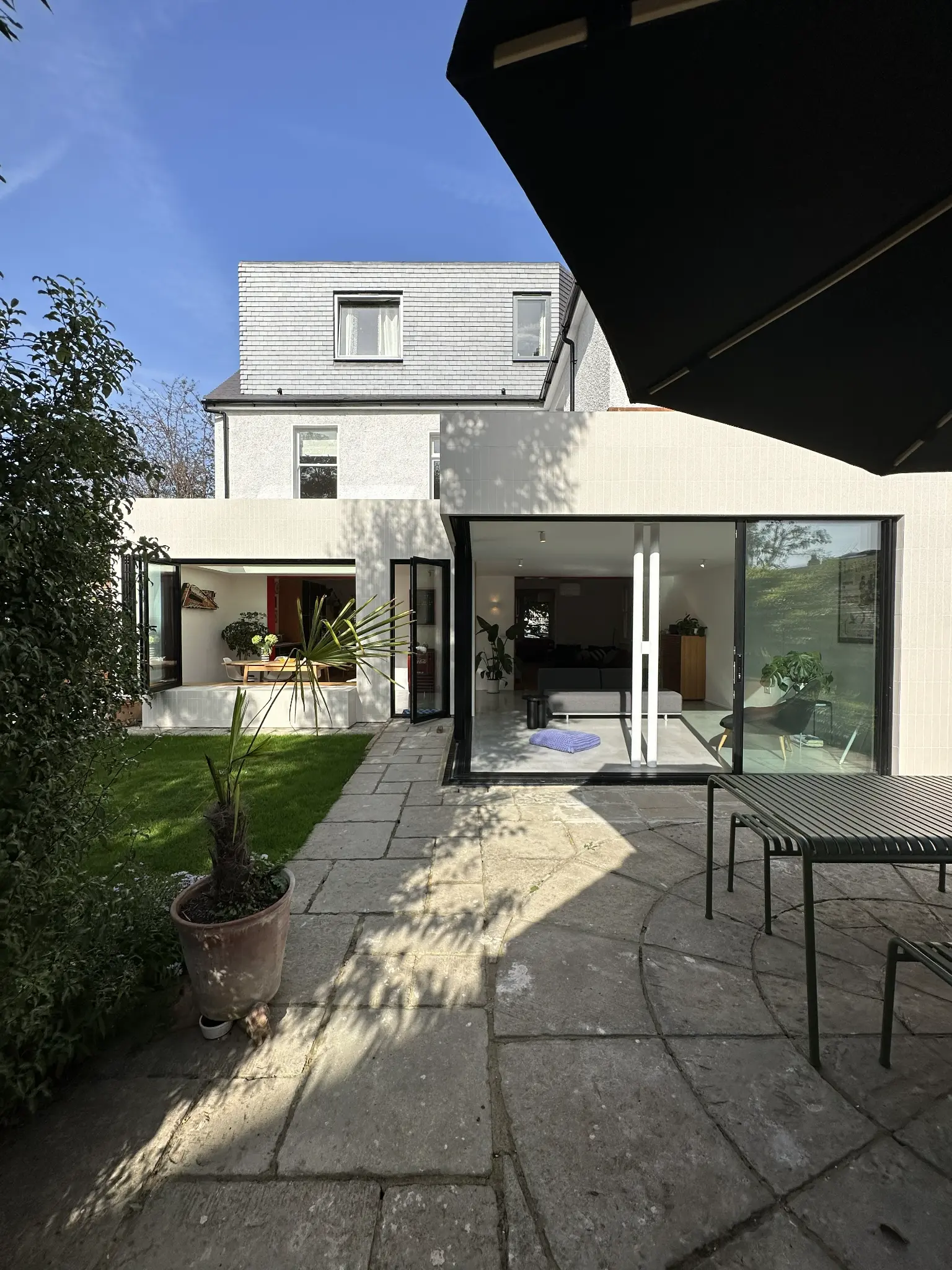
The style of doors and windows significantly impacts the accessibility and connection between the garden room and the outdoor space.
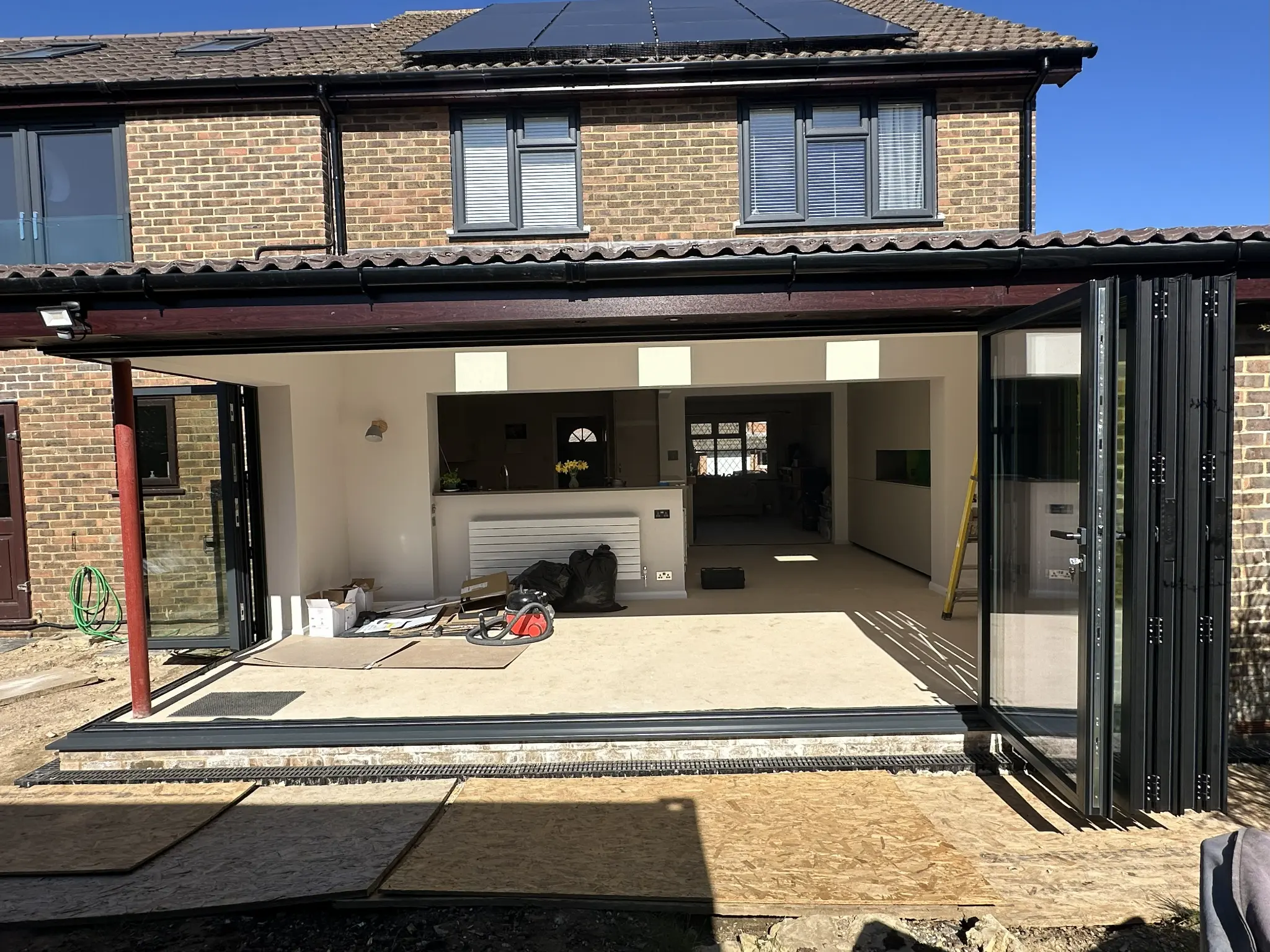
Bi-fold Doors
Bi-folds are incredibly popular for garden rooms, allowing one or more walls to be completely opened up, seamlessly connecting the interior and exterior. They maximise light and ventilation.
- Considerations: Require robust tracking and threshold design. Ensure the threshold is low-profile (or flush) for accessibility, but check that the drainage system prevents water ingress.
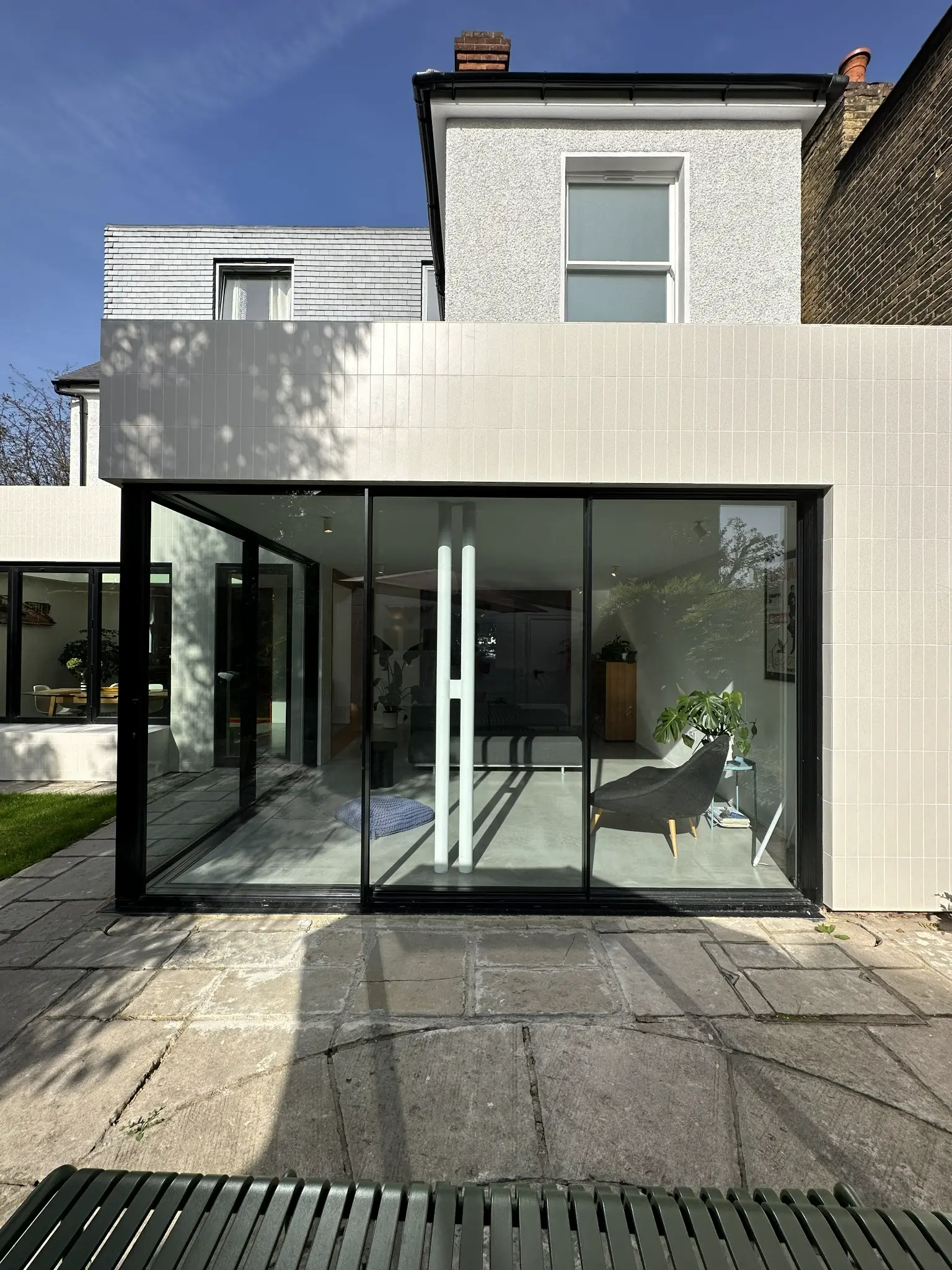
Sliding Patio Doors (Lift & Slide)
Modern sliding doors offer the slimmest sightlines, making them ideal for maximising views. They do not require space for the door panels to stack, making them suitable for smaller patios.
- Considerations: Typically offer better weather resistance than bi-folds when closed, and the lift-and-slide mechanism provides excellent sealing and security.
French Doors and Casement Windows
These traditional options are excellent for smaller garden rooms or those where only partial opening is required. Casement windows offer superior ventilation control and weather sealing compared to tilt-and-turn options.
Security and Maintenance
As garden rooms often house expensive equipment (laptops, monitors, gym gear), security is a critical factor. Glazing should meet recognised UK security standards.
Security Standards
Look for glazing systems that comply with PAS 24 (Publicly Available Specification), which tests the doors and windows against simulated attack methods. Key security features include:
- Multi-point Locking: Doors should feature robust multi-point locking mechanisms engaging at several points along the frame.
- Internal Glazing Beads: Ensure the glass units are secured from the inside of the frame, preventing external removal.
- Laminated Glass: This is highly recommended for ground floor or accessible windows and doors, as it is extremely difficult to breach quickly.
Maintenance
The choice of frame material dictates the maintenance schedule. uPVC and aluminium require only occasional cleaning with soapy water. Timber, while aesthetically pleasing, requires periodic sanding, staining, or painting to protect it from the elements and prevent rot, especially given the damp environment often found near gardens.
By carefully considering U-values, safety requirements, frame materials, and the specific functional needs of your garden room, you can ensure your investment provides a comfortable, compliant, and enjoyable space for years to come.