


For UK homeowners embarking on renovation, extension, or self-build projects, selecting the appropriate architectural glazing is one of the most critical decisions. Not only does it define the aesthetic character of the property, but it also dictates thermal performance, security, and maintenance requirements. The primary choice often boils down to two distinct philosophies: Contemporary (modern, minimalist) or Traditional (classic, heritage).
Understanding the fundamental differences, material implications, and regulatory requirements associated with each style is essential for making an informed investment.
Style and Aesthetics: Defining Contemporary and Traditional
The visual impact of glazing is immediate. While contemporary styles prioritise light and minimal intrusion, traditional styles often celebrate craftsmanship and historical context.
Contemporary Glazing: Minimalism and Light
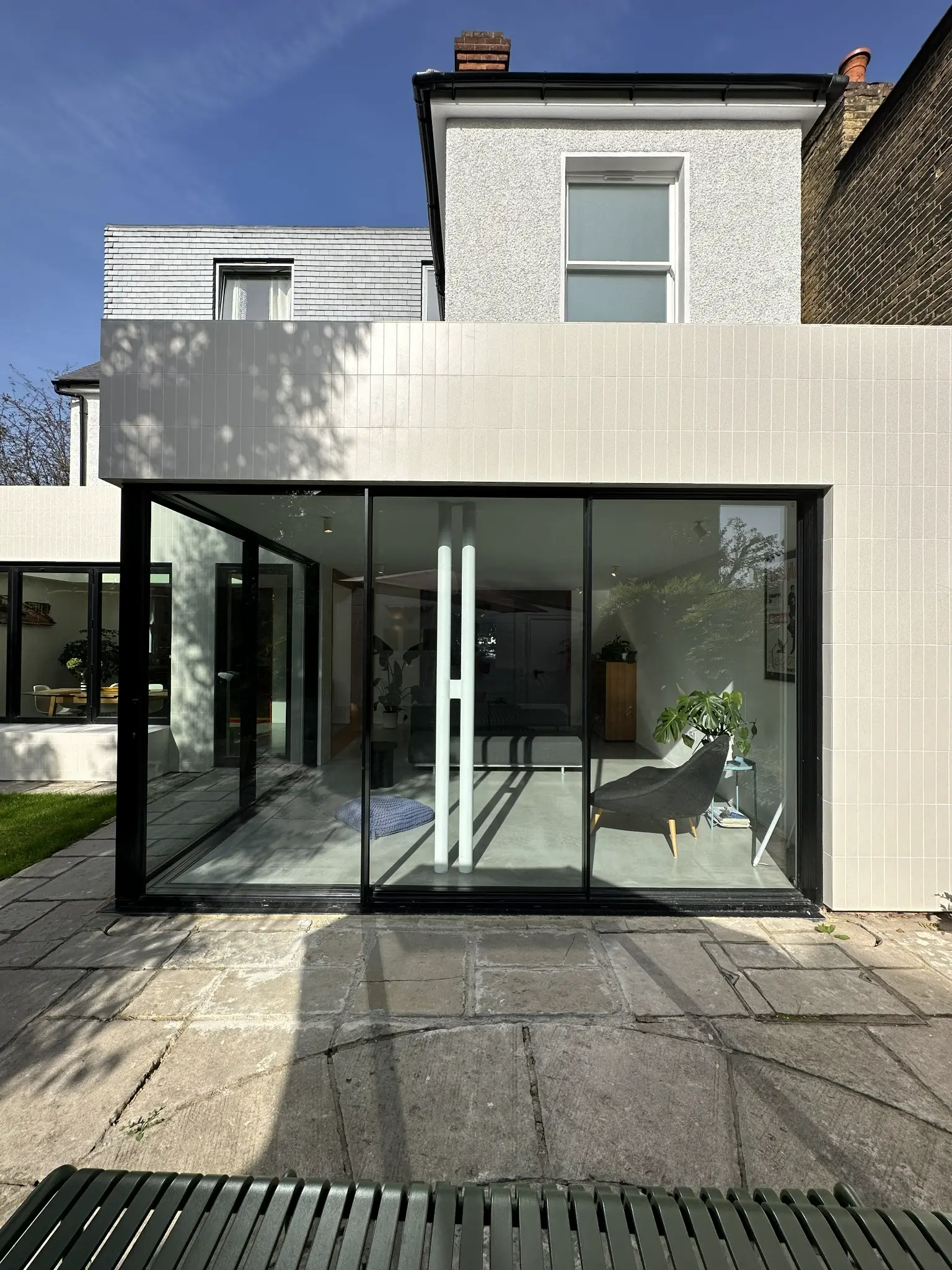
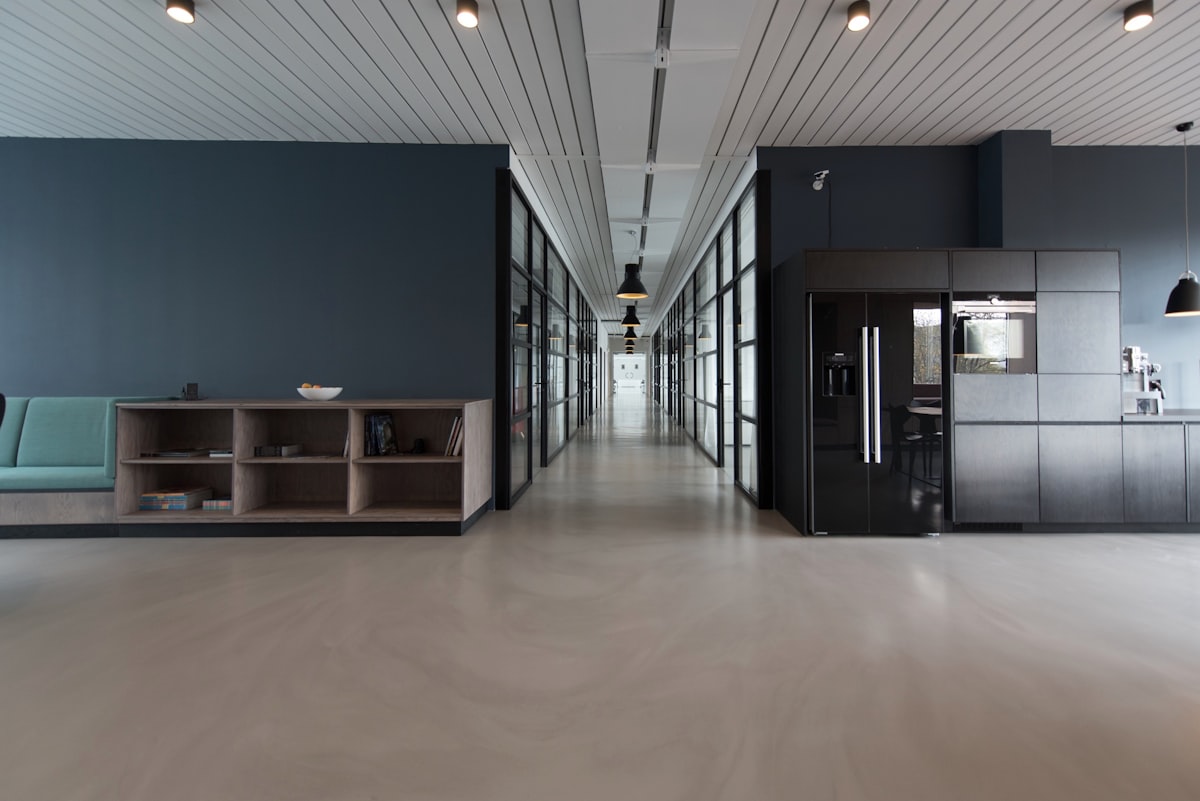
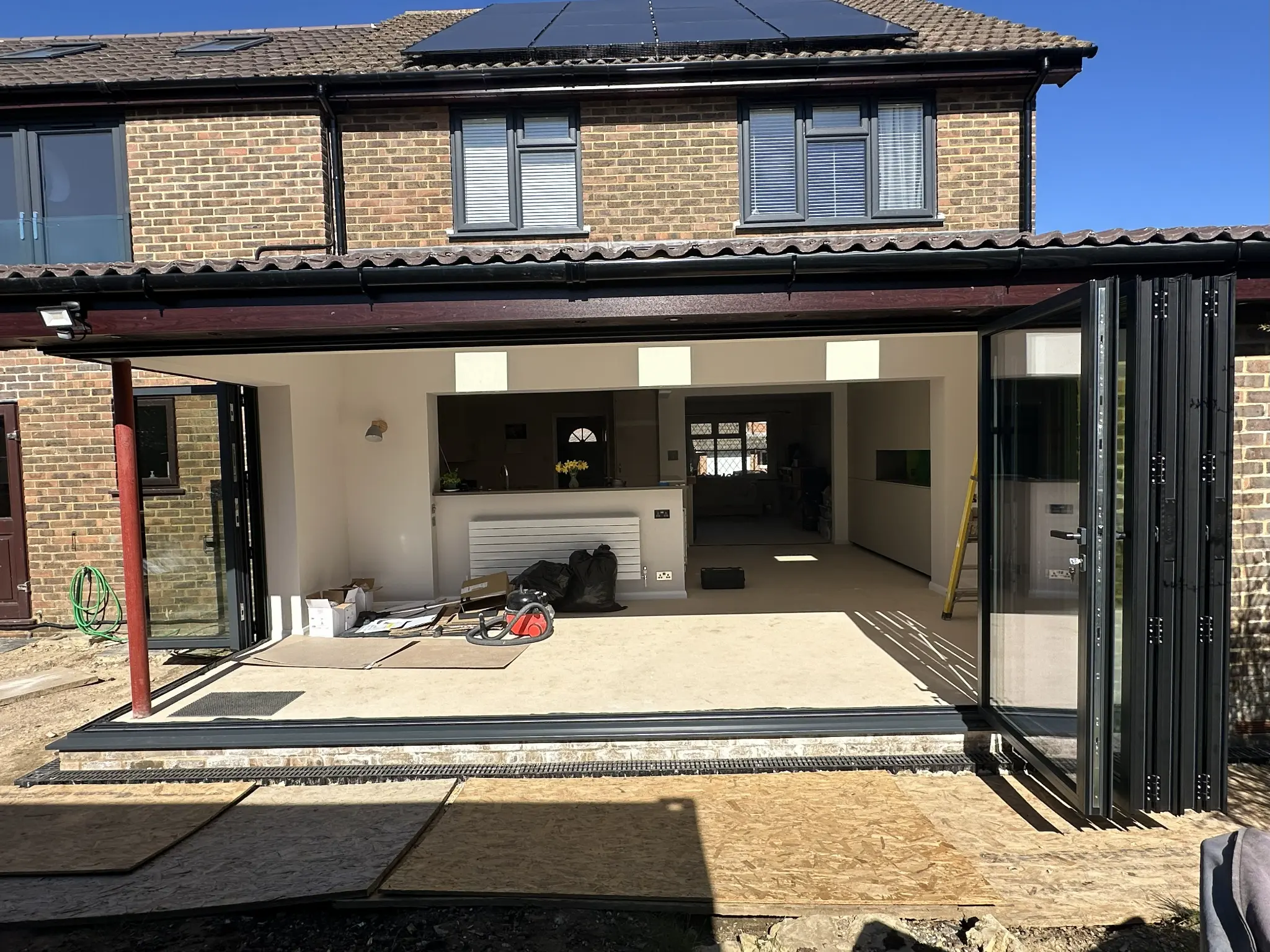
Contemporary design is defined by the principle of 'less is more'. The goal is to maximise the glass area and minimise the visible frame. This approach is highly favoured in modern extensions, new builds, and properties aiming for a sleek, industrial, or minimalist look.
- Sightlines: Ultra-slim or concealed frames (often aluminium or structural glass systems). Sightlines can be as narrow as 20mm or less.
- Colour Palette: Typically monochromatic – Anthracite Grey (RAL 7016), Jet Black (RAL 9005), or pure white.
- Products: Large format sliding doors (e.g., lift-and-slide or pocket doors), frameless glass balustrades, structural glass links, and expansive fixed panes (picture windows).
- Ironmongery: Recessed or minimalist handles and locking mechanisms to maintain clean lines.
Traditional Glazing: Heritage and Detail
Traditional glazing seeks to replicate or complement historical architectural styles, such as Victorian, Edwardian, or Georgian properties. These styles often feature smaller panes, decorative elements, and specific material choices.
- Sightlines: Thicker, sculptured frames, often featuring decorative elements like ovolo or chamfered profiles.
- Detailing: Use of glazing bars (astragal or Georgian bars) to mimic multi-pane windows, replicating the look of older sash or casement designs.
- Materials: Historically, timber or steel (Crittall style) were dominant, though modern uPVC and aluminium now offer traditional aesthetics with improved performance.
- Products: Vertical sliding sash windows, French doors, and heritage casement windows.
Material Considerations: Performance vs. Look
The choice of material is inextricably linked to the desired style and the required performance specifications.
| Material | Typical Style | Pros | Cons | Thermal Performance (U-value Potential) |
|---|---|---|---|---|
| Aluminium | Contemporary | Extremely durable, slim sightlines, low maintenance, high strength for large panes. | Higher initial cost, can feel cold to the touch. | Excellent (1.0 – 1.4 W/m²K) |
| Timber (Hardwood/Softwood) | Traditional/Contemporary | Excellent natural insulation, aesthetically warm, sustainable (if sourced correctly). | Requires regular maintenance (painting/staining), susceptible to warping if poorly maintained. | Very Good (1.1 – 1.6 W/m²K) |
| uPVC | Traditional/Standard | Cost-effective, low maintenance, good insulation. | Thicker frames required for structural integrity, limited colour options (though foils are improving). | Good (1.2 – 1.8 W/m²K) |
| Steel (e.g., Crittall) | Traditional/Industrial | Iconic heritage look, extremely durable, very slim profiles. | High cost, historically poor thermal performance (requires thermal breaks). | Variable (1.4 – 2.0 W/m²K depending on thermal break quality) |
Thermal Efficiency and Building Regulations
Regardless of whether you choose a traditional or contemporary aesthetic, all new or replacement glazing installed in the UK must comply with Part L (Conservation of Fuel and Power) of the Building Regulations (England, 2022 edition). This focuses heavily on thermal performance, measured by the U-value (the rate of heat loss).
For replacement windows and doors in existing dwellings, the maximum allowable U-value is currently 1.4 W/m²K. For new build extensions or new dwellings, the requirement is stricter, typically requiring a U-value of 1.2 W/m²K or better.
Achieving these standards often requires:
- Double Glazing: Low-emissivity (Low-E) glass, warm edge spacer bars, and argon gas filling.
- Triple Glazing: Essential for achieving U-values below 1.0 W/m²K, especially useful in large contemporary installations or properties aiming for Passivhaus standards.
- Thermal Breaks: Crucial for metal frames (aluminium and steel) to prevent heat transfer across the frame material.
Pro Tip
When selecting traditional glazing with multiple decorative bars (astragal bars), ensure these bars do not compromise the overall U-value of the unit. While internal bars are common, external bars can bridge the thermal efficiency of the glass unit. Always request the certified U-value for the complete window assembly, not just the central glass pane.
Practical Considerations: Security and Maintenance
Security and maintenance are non-negotiable factors that can vary significantly between styles and materials.
Security Features
Modern glazing, regardless of style, benefits from advanced security technology. Look for certification to standards like PAS 24 (Enhanced Security Performance). Key security features include:
- Multi-point locking systems: Standard on most contemporary doors and high-quality casement windows.
- Laminated or toughened glass: Essential for large panes (contemporary) and accessible areas.
- Internal Beading: Ensures the glass cannot be removed from the outside, a standard security measure for both styles.
Maintenance Requirements
Contemporary materials like powder-coated aluminium require minimal maintenance—typically just cleaning the frames and checking drainage channels annually. Traditional materials, particularly timber, require more diligent care.
- Timber: Requires inspection every 2–5 years for paint or stain integrity to prevent moisture ingress and rot.
- uPVC/Aluminium: Low maintenance, highly resistant to weathering and fading.
Design Integration and Planning Permission
Integrating new glazing into an existing property requires careful consideration of the surrounding architecture and, potentially, local planning constraints.
Conservation Areas and Listed Buildings
If your property is located within a Conservation Area or is a Listed Building, the choice between contemporary and traditional is severely restricted. Planning authorities often mandate that replacement glazing must match the original historical style, material, and sightlines exactly. This typically necessitates high-specification timber or thermally broken steel windows.
Mixing Styles
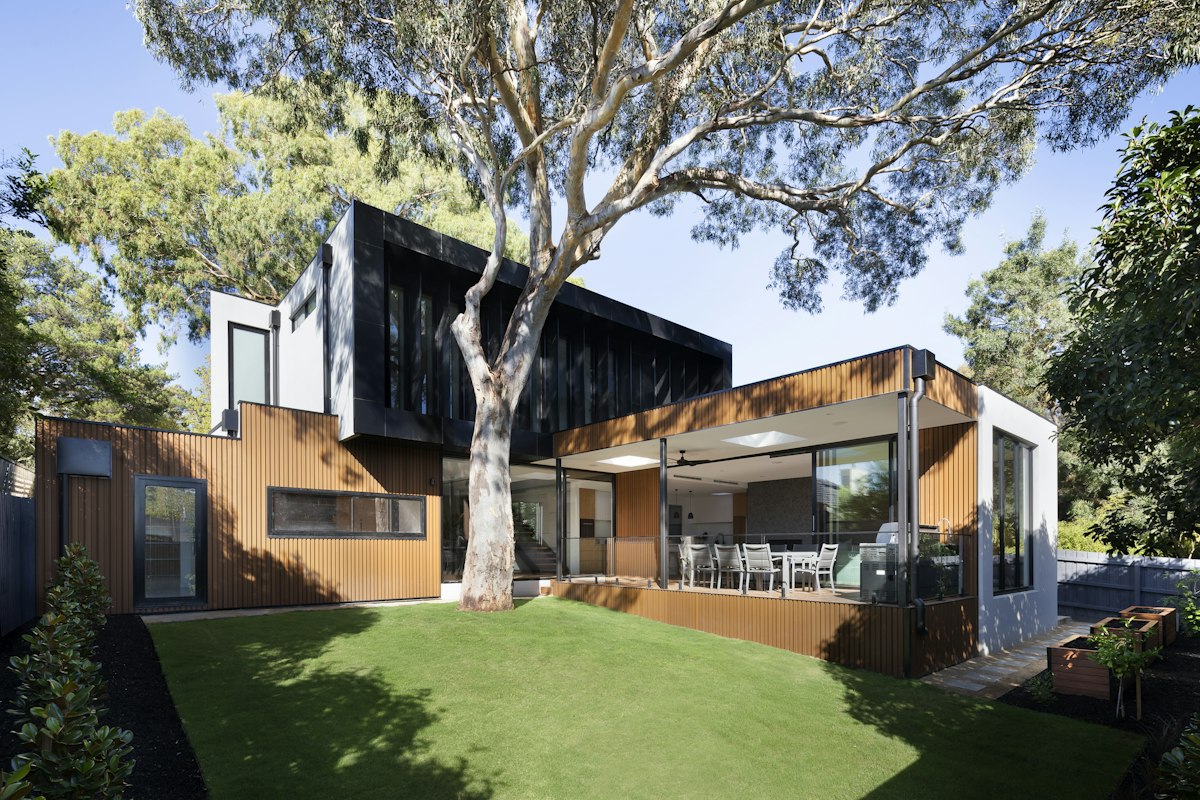
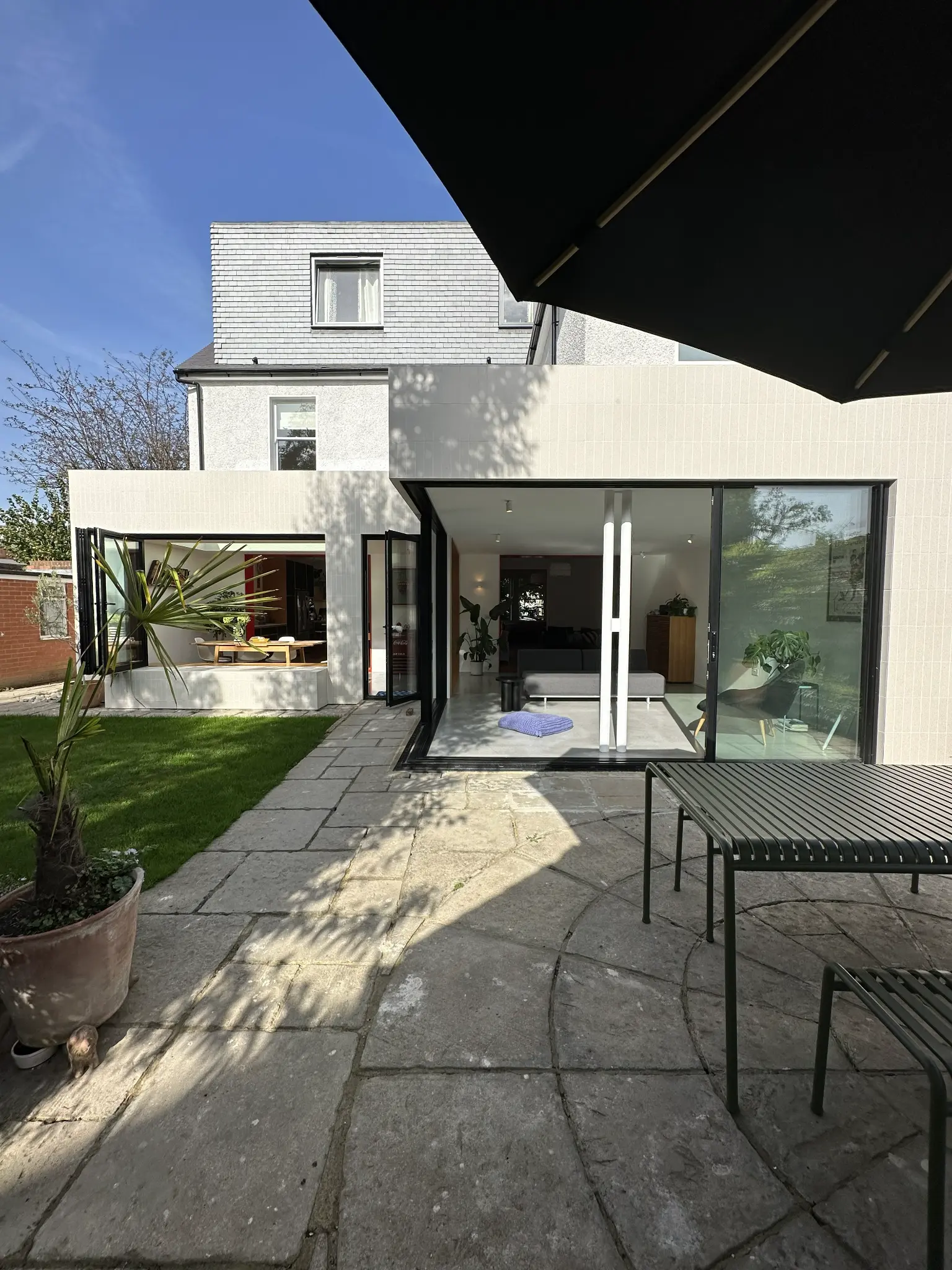
A popular modern trend is the juxtaposition of styles—using traditional architecture for the main house and a distinctly contemporary aesthetic for a rear extension. This approach requires careful design to ensure the transition is harmonious. For example, a sleek, frameless glass link can connect a Victorian house to a modern, rendered extension, clearly defining the old and the new.
Thermal Performance
Modern materials and glass technology allow both styles to meet stringent 2022 Building Regulations, ensuring a warm, energy-efficient home.
Increased Property Value
High-quality, well-chosen glazing significantly enhances curb appeal and energy performance, providing a strong return on investment.
Natural Light Maximisation
Contemporary designs excel at flooding interior spaces with light, improving mood and reducing reliance on artificial lighting.
Aesthetic Control
Whether replicating historical charm or achieving minimalist modernity, homeowners have precise control over the final look and feel of their property.
Choosing the Right Style for Your Project
The decision should be driven by three factors: the existing architecture, the project budget, and the desired performance.
- For Period Properties: If maintaining historical integrity is paramount, invest in high-performance traditional materials (e.g., bespoke timber sash windows or heritage aluminium casements) that replicate the original sightlines and detailing.
- For Extensions and New Builds: Contemporary glazing offers maximum design flexibility. Large sliding doors and structural glass elements create seamless indoor-outdoor living spaces, ideal for modern family life.
- For Budget-Conscious Projects: High-quality uPVC offers excellent thermal performance and low maintenance, often providing a cost-effective solution for traditional casement windows, though the bulkier frame profile may limit aesthetic ambition compared to timber or aluminium.
Always consult with your local Building Control body or an accredited installer early in the design process to ensure your chosen glazing meets all necessary performance and safety standards.
Conclusion and Next Steps
The choice between contemporary and traditional glazing is more than just an aesthetic preference; it is a decision about performance, longevity, and compliance. Both styles, when executed using modern manufacturing techniques and high-specification materials, can deliver exceptional thermal efficiency and security required by UK standards.
If you are planning a project and require expert guidance on navigating the technical specifications, material choices, and regulatory requirements for both contemporary aluminium systems and high-performance traditional windows, Shard AG specialises in bespoke architectural glazing solutions. Our team provides comprehensive technical advice to ensure your glazing choice perfectly balances aesthetic ambition with thermal compliance.