
.jpg)

The distinctive aesthetic of steel-framed glazing, often referred to generically as 'Crittall style', has experienced a massive resurgence in contemporary British architecture and interior design. Characterised by slim sightlines, modular panels, and a robust industrial feel, these doors and partitions offer a unique blend of heritage charm and modern sophistication. However, integrating this style into a UK home, particularly when dealing with external walls or heated spaces, requires careful consideration of materials, thermal performance, and strict adherence to current Building Regulations.
Understanding Crittall Style Glazing
The term Crittall is actually a brand name, originating from the Crittall Windows company founded in 1849. They pioneered the use of standardised steel windows and doors, which became ubiquitous in Art Deco, Modernist, and industrial architecture throughout the 20th century. Today, 'Crittall style' is used broadly to describe any glazing system that mimics this iconic look: often black, divided into small panes (or 'lites') by thin metal frames, typically steel or aluminium.
The Appeal of Slim Sightlines
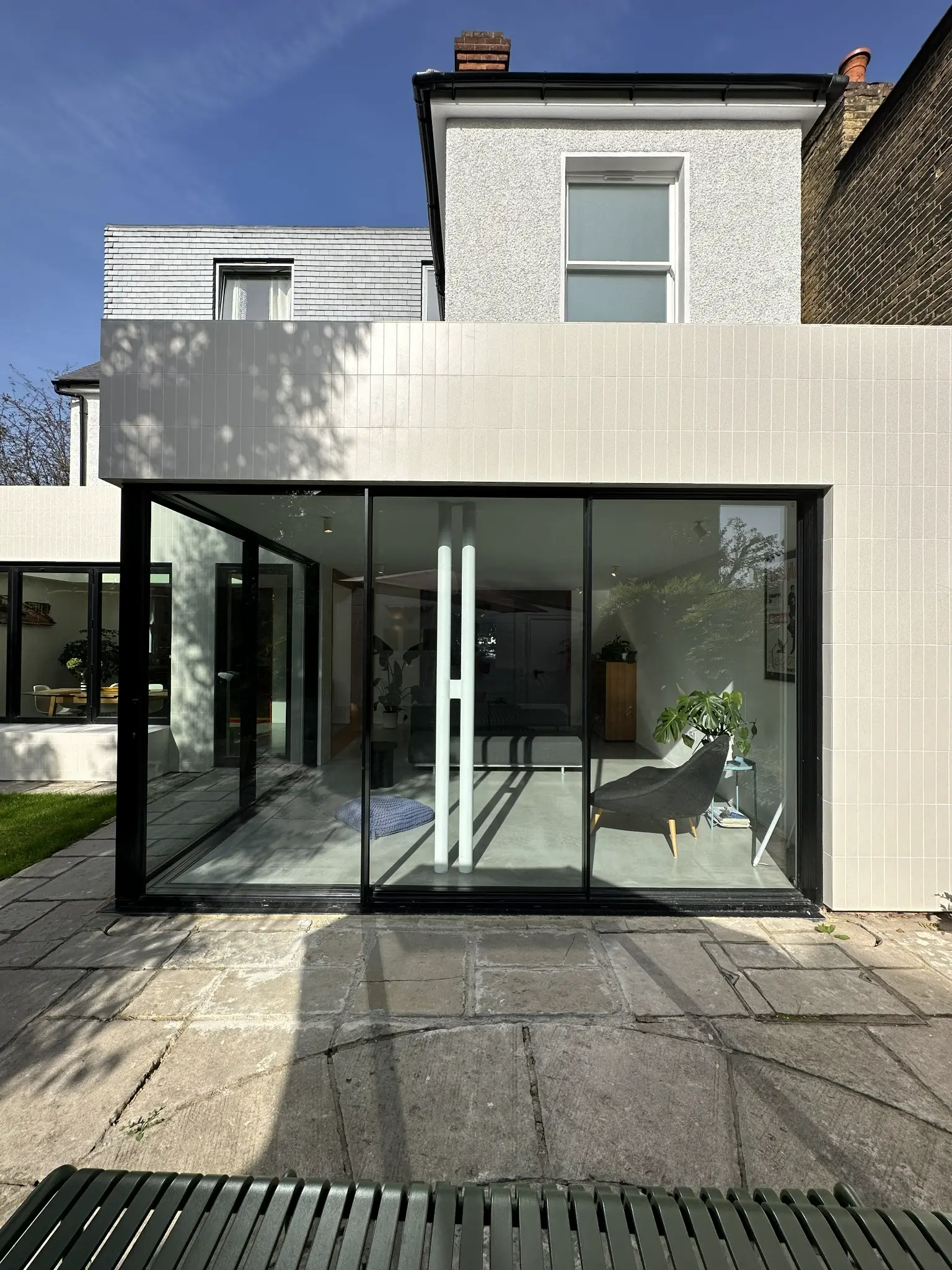
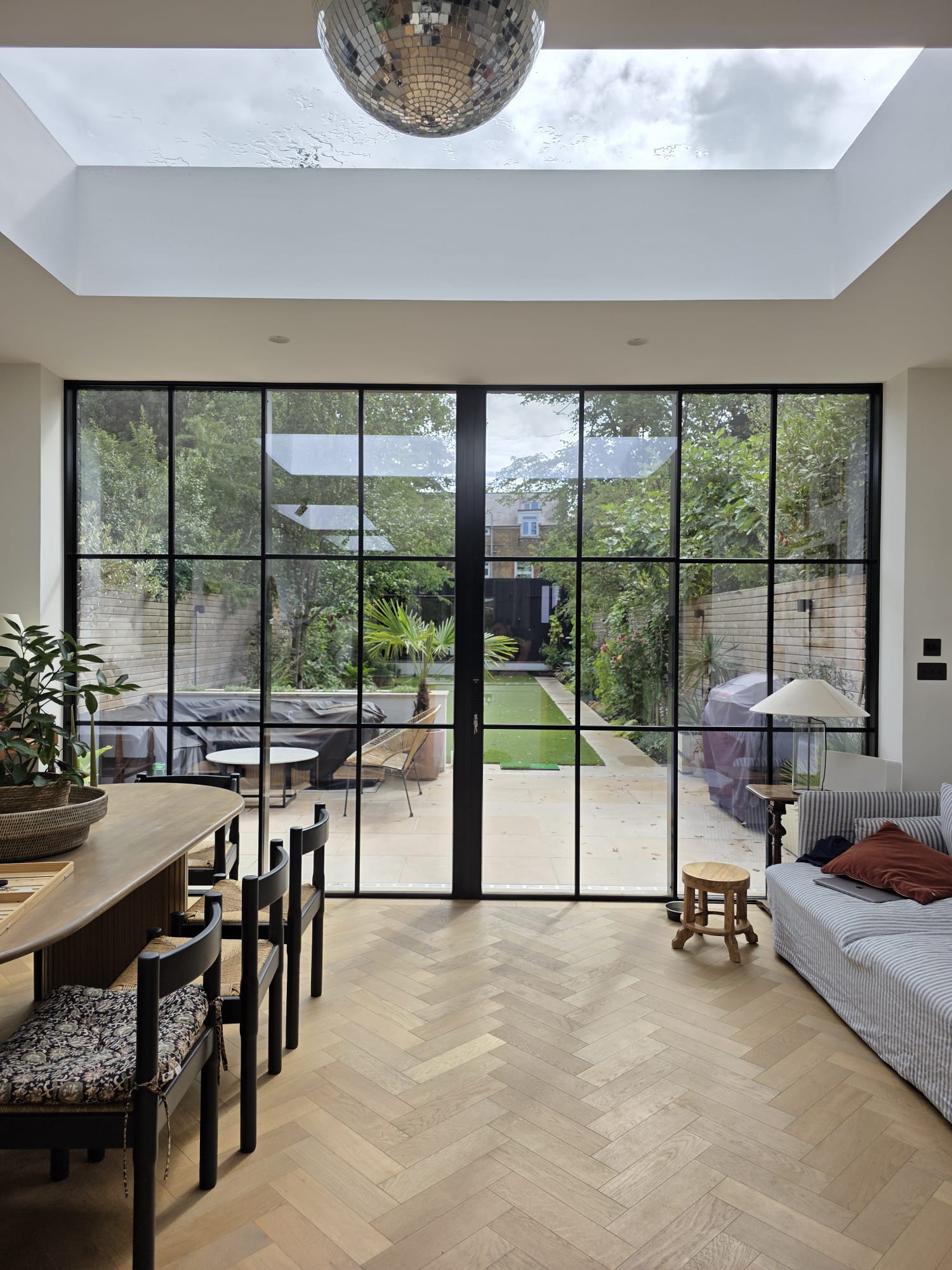
The primary draw of steel-framed glazing is the incredibly slender profile, or sightline, of the frame. Unlike modern PVC-U or standard aluminium systems, which require thicker profiles to house multi-chambered insulation and reinforcement, traditional steel allows for maximum glass area. This maximises natural light penetration and creates a visually lighter partition or facade.
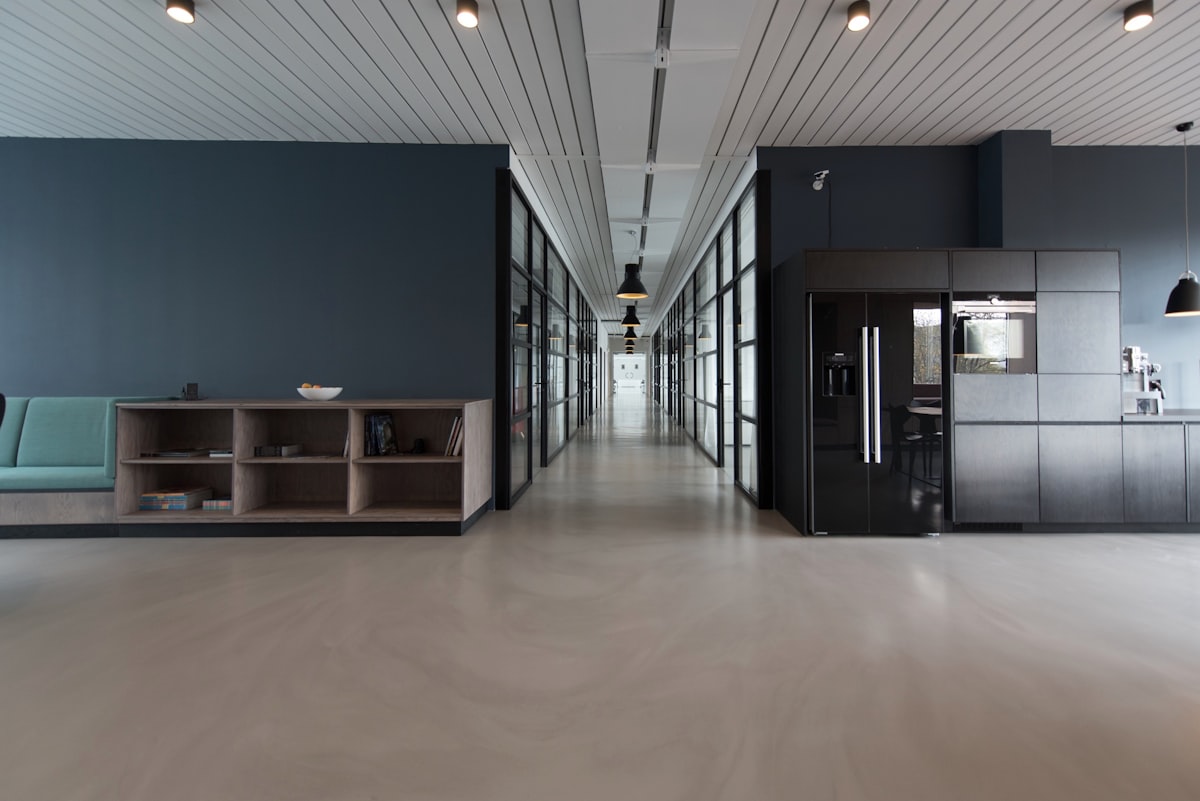
- Internal Use: Used for room dividers, shower screens, or internal partitions, offering acoustic separation without blocking light.
- External Use: Used for exterior doors, windows, and curtain walling, requiring high thermal performance (a significant challenge addressed below).
- Aesthetic Versatility: Fits seamlessly into period properties (Victorian, Edwardian) and ultra-modern industrial or minimalist designs.
Material Differences: Steel vs. Aluminium
While the aesthetic is similar, the choice between genuine steel and modern aluminium alternatives profoundly impacts cost, durability, and thermal performance.
| Feature | Genuine Steel (Crittall Style) | Aluminium (Crittall Style Look) |
|---|---|---|
| Sightlines | Extremely slim (often 20-30mm) | Slim (often 35-50mm), slightly thicker than steel |
| Durability/Strength | Exceptional strength, highly durable, heavy | Very durable, lightweight, corrosion resistant |
| Thermal Performance | Requires high-quality thermal breaks; challenging to meet Part L standards without specialised systems. | Easier to incorporate effective thermal breaks; generally better standard U-values. |
| Cost | Higher initial cost due to material and specialised manufacturing. | Generally more cost-effective than steel. |
| Maintenance | Requires careful maintenance, especially against rust if finishes are damaged. | Low maintenance, naturally corrosion resistant. |
The Critical Role of the Thermal Break
Metal is a highly conductive material. If a solid metal frame spans from the warm interior to the cold exterior, it acts as a thermal bridge, rapidly transferring heat outwards, leading to significant energy loss and condensation issues. For any external door or window, a thermal break is mandatory.
A thermal break is a non-conductive material (usually reinforced polyamide) inserted into the frame profile, physically separating the inner metal section from the outer metal section. High-quality steel and aluminium systems designed for external use must incorporate robust thermal breaks to achieve acceptable U-values.
Pro Tip
When specifying external Crittall style glazing, always request the U-value calculation specific to the product and installation method. Do not rely solely on the material type. A poorly designed steel system can perform worse than a well-designed thermally broken aluminium system.
UK Building Regulations and Thermal Performance (Part L 2022)
Compliance with UK Building Regulations, specifically Part L (Conservation of Fuel and Power), is non-negotiable for external glazing installations, whether for new builds, extensions, or major renovations.
Required U-Values for Glazing
The U-value measures how effectively a component prevents heat transfer; lower is better. Under the current 2022 standards for England, external glazing must meet stringent thermal performance targets:
- New Builds & Extensions: The maximum U-value permitted for windows and doors is 1.2 W/m²K.
- Replacement Glazing (Existing Dwellings): The maximum U-value permitted is 1.4 W/m²K.
Achieving these low U-values with slim-profile steel or aluminium requires high-specification components:
- Glass Specification: Standard double glazing is often insufficient. High-performance units typically require low-emissivity (low-E) coatings, warm edge spacers, and argon gas filling. Triple glazing may be necessary for very large glazed areas or if the frame profile is particularly challenging.
- Frame Design: The thermal break must be robust and continuous. For steel, this often means using specialised, high-cost systems specifically engineered to meet modern thermal standards.
Practical Considerations and Installation
Beyond thermal performance, several practical factors influence the successful integration of Crittall style doors and windows.
Weight and Structural Support
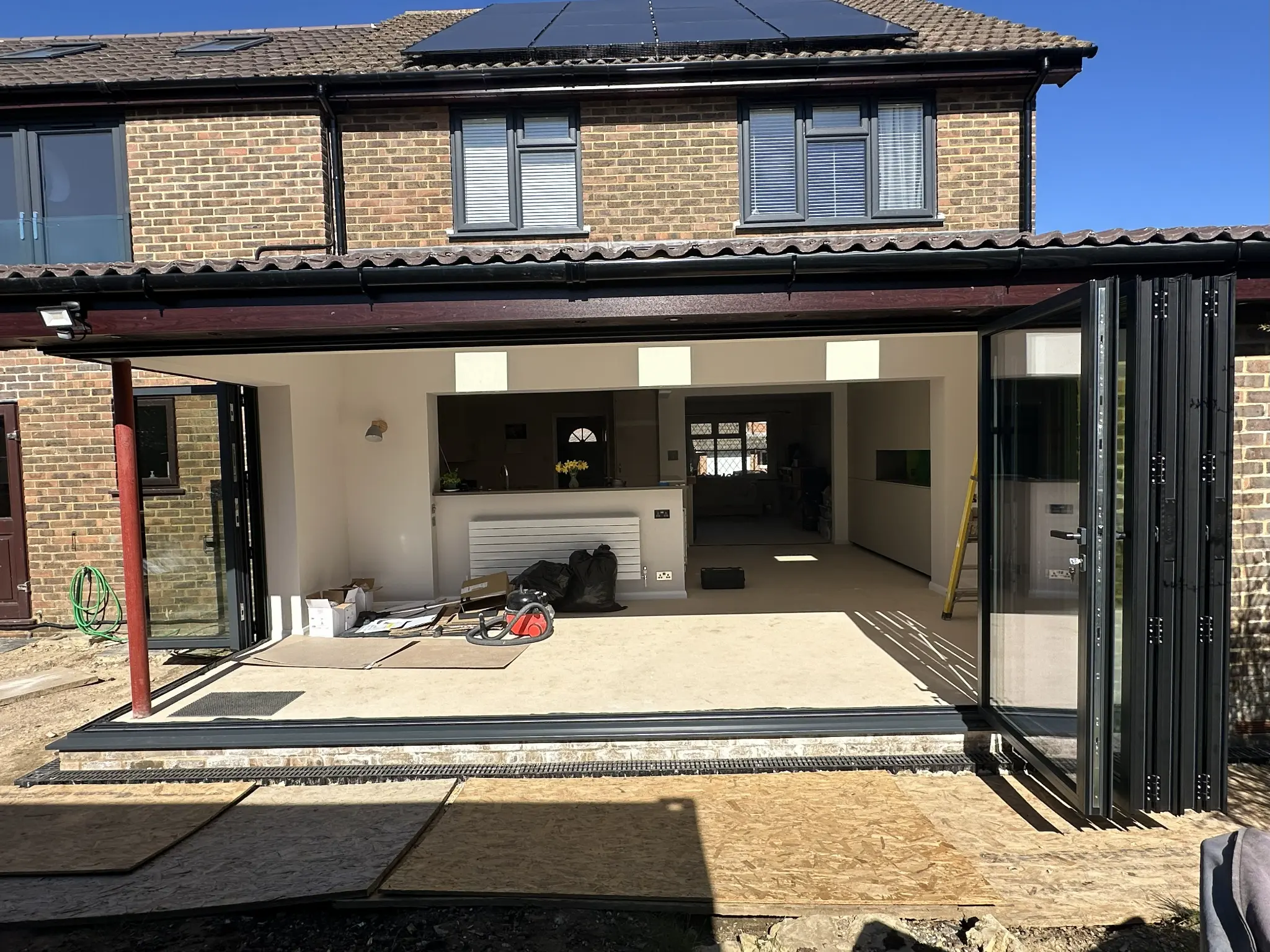
Genuine steel frames are significantly heavier than aluminium or PVC-U. This weight demands robust structural support in the surrounding wall or opening. Installers must ensure that lintels and surrounding brickwork are capable of bearing the load, especially for large sliding or folding door systems.
Glazing Bars and Maintenance
The characteristic grid pattern is created by glazing bars. Historically, these were structural elements holding individual panes of glass. Modern systems often use a single large pane of glass with applied glazing bars (astragals) for easier cleaning and improved integrity, though true steel systems often maintain individual panes for maximum authenticity.
Cleaning multiple small panes can be time-consuming compared to a single large sheet of glass. Homeowners should factor this maintenance requirement into their decision.
Security and Ironmongery
Security is paramount for external doors. Modern Crittall style systems must incorporate multi-point locking mechanisms compliant with UK standards like PAS 24 (Enhanced Security Performance Requirements). Due to the slim profile, the locking hardware must be cleverly integrated without compromising the aesthetic.
Acoustic Performance
For internal partitions, acoustic performance is key. While the glass itself provides sound dampening, the seals around the frame and the door operation (e.g., sliding vs. hinged) will determine the level of sound transmission. If the door separates a kitchen from a living area, ensure high-quality gaskets are used to minimise noise transfer.
Maximum Light
The inherently slim sightlines maximise the glazed area, flooding interiors with natural light, reducing reliance on artificial lighting.
Industrial Aesthetic
Provides a strong, timeless architectural statement, complementing both historic properties and contemporary minimalist designs.
Spatial Division
Ideal for internal partitions, allowing spaces to be visually connected while maintaining acoustic and thermal separation.
High Durability
Steel, in particular, offers exceptional strength and longevity, making it a robust, long-term investment for external facades.
Cost and Investment
Crittall style glazing is generally considered a premium product. The complexity of manufacturing slim frames that meet modern thermal regulations, coupled with the specialist installation required, means that costs are significantly higher than standard PVC-U or off-the-shelf aluminium systems.
Homeowners should budget for the following factors influencing price:
- Material Choice: Steel is typically more expensive than thermally broken aluminium alternatives.
- Size and Configuration: Large bi-fold or sliding systems will command a high price due to engineering complexity.
- Thermal Specification: Systems designed to meet the strict 1.2 W/m²K U-value often use highly specialised components, increasing the cost.
While the initial outlay is substantial, the aesthetic impact and the potential increase in property value due to high-quality architectural features often justify the investment.
Choosing a Supplier and Installer
Due to the technical nature of thermally broken metal glazing, selecting the right supplier and installer is crucial. Always ensure that the company can provide verifiable evidence that their external systems meet the required U-values for your specific project (1.2 W/m²K for new extensions, 1.4 W/m²K for replacements).
It is highly recommended that homeowners consult with local Building Control early in the planning process to confirm compliance requirements, especially if the installation involves altering the thermal envelope of the dwelling.
About Shard AG: Shard AG specialises in high-performance architectural glazing solutions for the UK market. We offer a range of premium steel and thermally broken aluminium systems designed to replicate the classic Crittall aesthetic while achieving superior thermal performance required by current UK Building Regulations (Part L 2022). Our expert team provides detailed technical consultation to ensure your project meets both aesthetic goals and stringent compliance standards.