Designing a Glass Kitchen Extension: UK Homeowner's Guide
Explore the benefits, design considerations, and technical aspects of glass kitchen extensions in the UK. Learn about Building Regulations, U-values, and practical tips.

Shard Architectural Glazing
8 January 2026
Explore the benefits, design considerations, and technical aspects of glass kitchen extensions in the UK. Learn about Building Regulations, U-values, and practical tips.
📋In This Article
A kitchen is often considered the heart of the home, and for many UK homeowners, extending this space to incorporate more natural light and a seamless connection to the garden is a dream. Glass kitchen extensions offer a stunning solution, transforming dark, enclosed spaces into bright, airy, and contemporary living areas. However, embarking on such a project requires careful planning, an understanding of technical specifications, and adherence to UK Building Regulations. This guide will walk you through the essential considerations for creating your ideal glass kitchen extension.
The Appeal of Glass Kitchen Extensions
Glass kitchen extensions have surged in popularity for their ability to revolutionise a home's aesthetic and functionality. They offer a unique blend of indoor comfort and outdoor connection, making them a highly desirable addition.
Maximising Natural Light
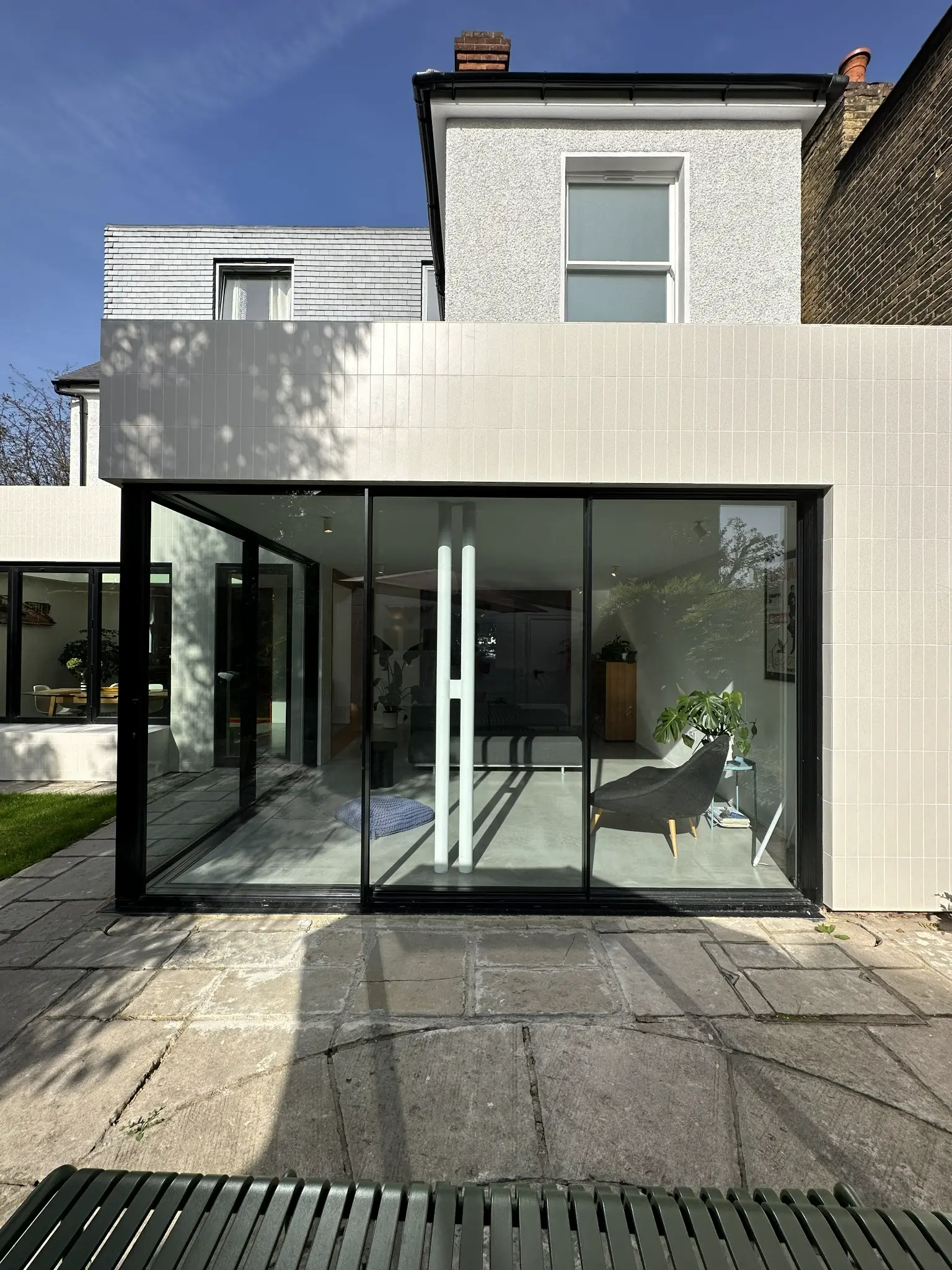
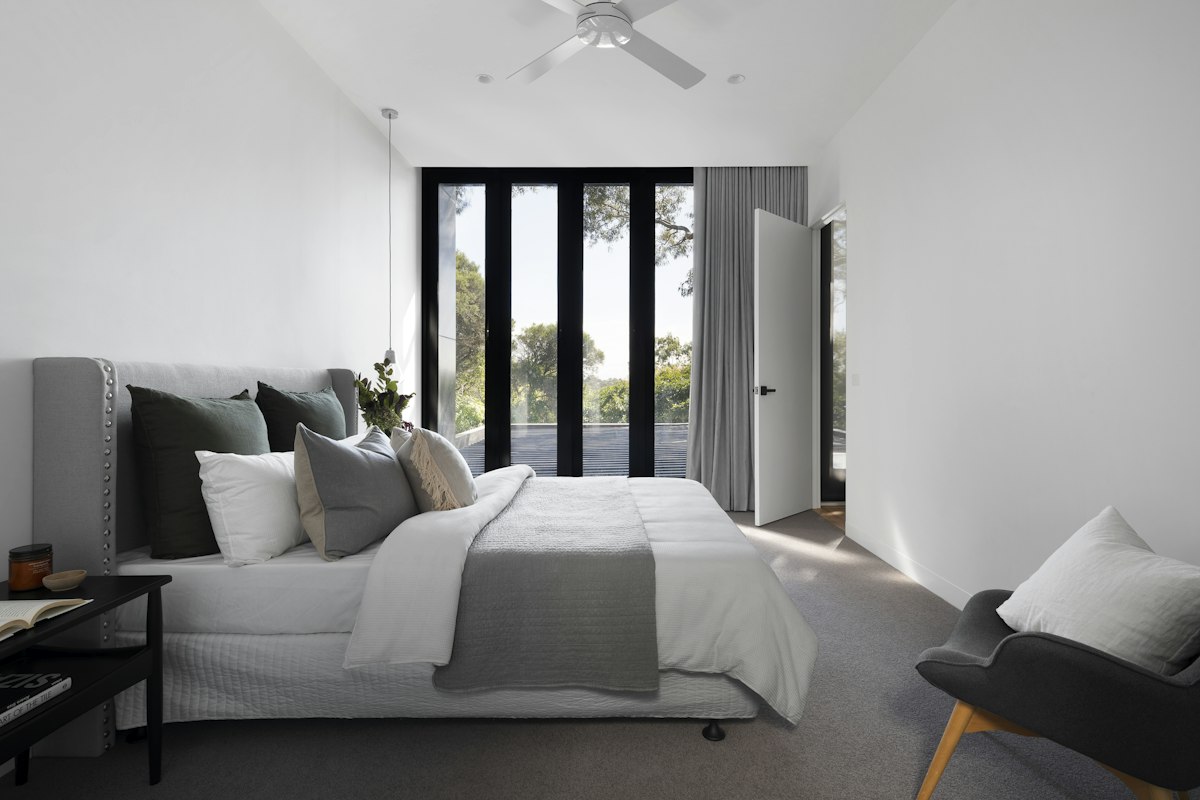
One of the primary drivers for choosing a glass extension is the incredible amount of natural light it brings into the home. Large expanses of glass, whether in the form of bifold doors, sliding doors, or a glass roof, flood the space with daylight, reducing the need for artificial lighting during the day and creating a more uplifting atmosphere. This not only enhances the visual appeal but can also contribute to a sense of well-being.
Seamless Indoor-Outdoor Living
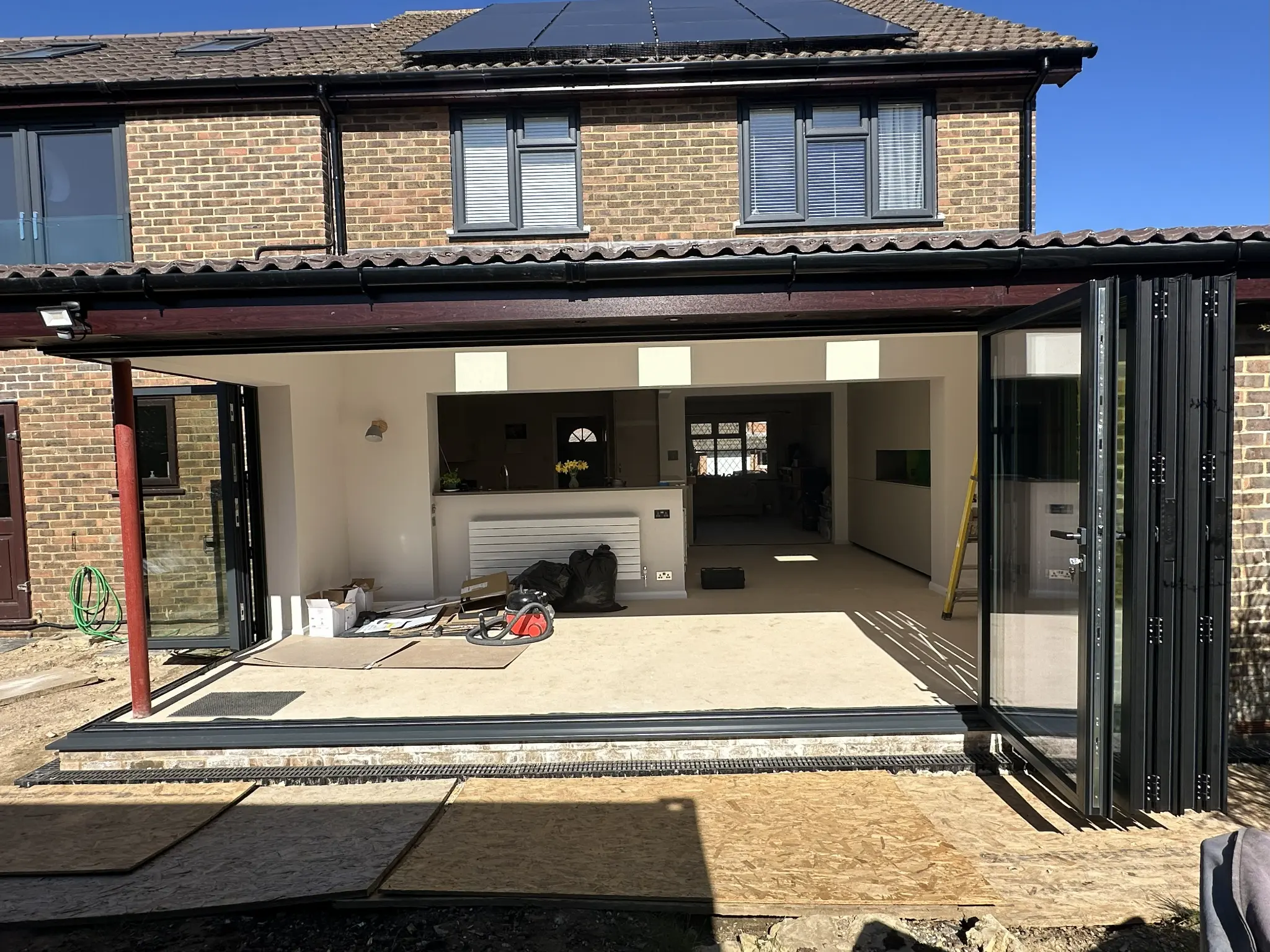
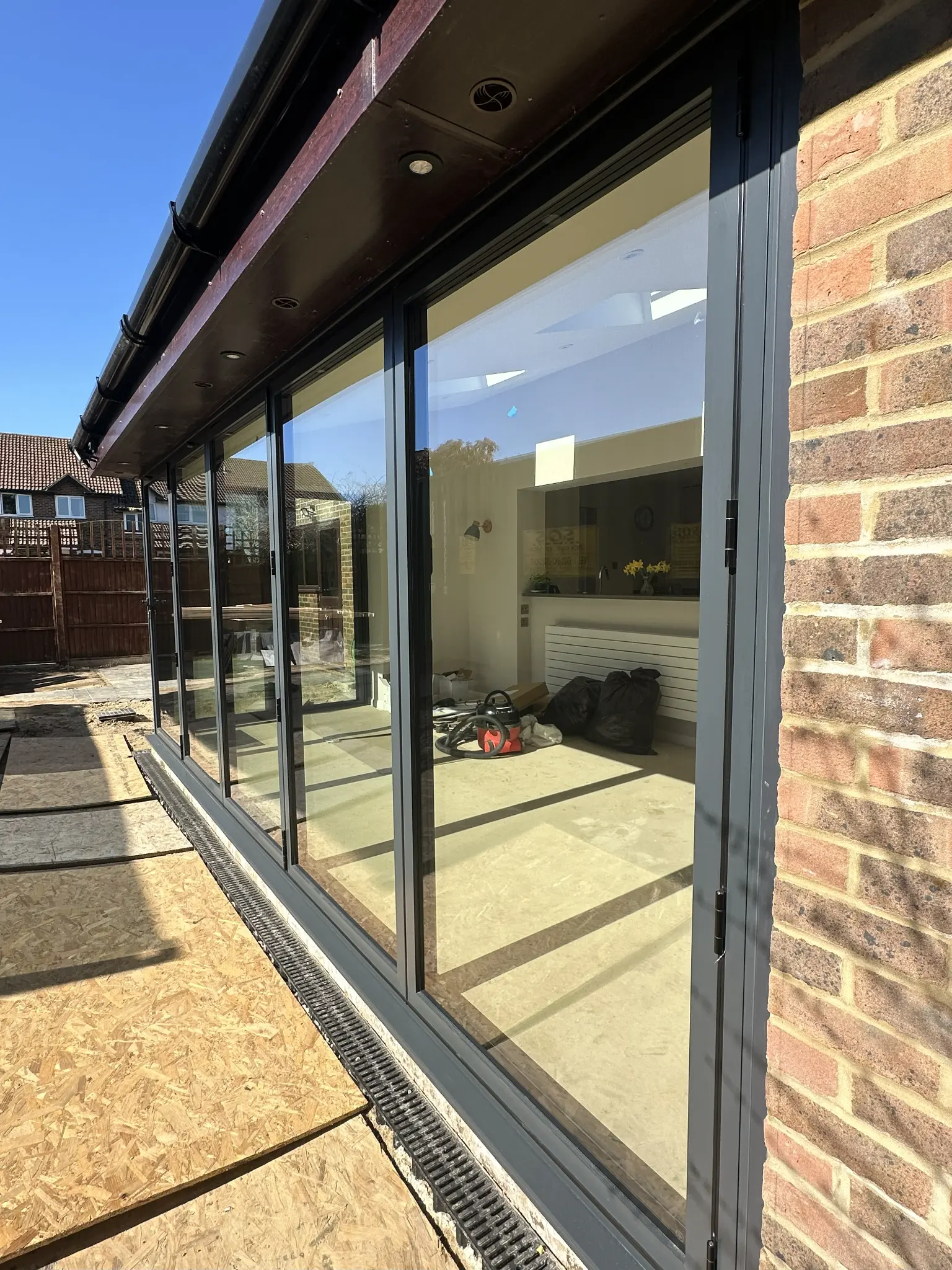
Modern glass solutions, particularly bifold or sliding doors, allow for the entire rear wall of an extension to be opened up, blurring the lines between your kitchen and garden. This is perfect for entertaining, creating an expansive open-plan area during warmer months, and allowing fresh air to circulate freely. Even when closed, the transparent nature of glass maintains a visual connection to the outdoors, making the garden feel like an integral part of your living space.
Architectural Statement
A well-designed glass extension can be a striking architectural feature, adding significant kerb appeal and value to your property. From sleek, minimalist designs to more elaborate structures, glass offers versatility that can complement both contemporary and traditional homes, providing a modern twist.
Enhanced Light
Floods your kitchen with natural daylight, creating a brighter and more inviting atmosphere.
Open-Plan Feel
Connects your indoor kitchen seamlessly with your outdoor garden space, ideal for entertaining.
Increased Value
Adds significant aesthetic and functional value to your property, making it more desirable.
Modern Aesthetics
Creates a contemporary and stylish architectural statement that can transform your home's look.
Key Design Considerations for Your Glass Extension
Before diving into the technicalities, it's crucial to consider the overall design and how the extension will integrate with your existing home and lifestyle.
Orientation and Sun Path
The direction your extension faces will significantly impact its performance. A south-facing extension will receive abundant sunlight, which is great for light and warmth in winter but could lead to overheating in summer. North-facing extensions will be cooler but might require more thought regarding artificial lighting. Consider shading solutions like external blinds, overhangs, or specialist glazing to manage solar gain effectively.
Type of Glazing
The choice of glass is paramount. Modern glazing technology offers various options to enhance thermal performance, security, and comfort:
- Double Glazing: The standard, offering good thermal insulation.
- Triple Glazing: Provides superior thermal and acoustic insulation, ideal for larger glass areas or homes in noisy locations.
- Low-E (Low Emissivity) Glass: Features a microscopic coating that reflects heat back into the room, improving energy efficiency.
- Solar Control Glass: Designed to reduce solar heat gain, preventing overheating in sunny extensions.
- Self-Cleaning Glass: A coating that uses sunlight to break down organic dirt, which is then washed away by rain.
- Laminated or Toughened Glass: Essential for safety, especially for large panes, overhead glazing, and doors. Toughened glass shatters into small, relatively harmless pieces, while laminated glass holds together when broken.
Framing Materials
The frame material for your glass elements affects both aesthetics and performance:
- Aluminium: Popular for its strength, slim sightlines, durability, and low maintenance. It's also available in a wide range of colours.
- Timber: Offers a natural, warm aesthetic and good insulation properties, but requires more maintenance.
- uPVC: A cost-effective option, low maintenance, but typically has thicker frames and may not offer the same slim profiles as aluminium.
- Composite (Aluminium Clad Timber): Combines the best of both worlds – the warmth of timber internally with the durability and low maintenance of aluminium externally.
Ventilation Strategy
With large glass areas, effective ventilation is critical to prevent stuffiness and overheating. Consider incorporating opening windows, roof vents, or trickle vents. Mechanical ventilation with heat recovery (MVHR) systems can also be an excellent solution for maintaining air quality and temperature without significant heat loss.
Pro Tip
When planning your glass extension, consider how the new structure will affect light levels in adjacent rooms. Sometimes, a glass extension can inadvertently darken an existing internal space. Strategic placement of internal glass doors or light tubes can help mitigate this.
Understanding UK Building Regulations (Part L 2022)
Any significant extension project in the UK will need to comply with Building Regulations, particularly Part L (Conservation of Fuel and Power). These regulations ensure that your extension is energy-efficient and meets minimum performance standards. Failing to comply could affect the legality of your build and future sale of your property.
Thermal Performance (U-Values)
The U-value measures how effectively a building element (like a wall, roof, or window) prevents heat from escaping. A lower U-value indicates better insulation. For extensions in England (2022 standards), the following U-values are typically required:
- Walls: 0.18 W/m²K
- Floors: 0.18 W/m²K
- Roofs: 0.15 W/m²K
- Windows/Doors (for extensions): 1.4 W/m²K
For new build properties, the window/door U-value is even stricter at 1.2 W/m²K. While extensions are generally subject to the 1.4 W/m²K standard, achieving lower U-values for glazing can help offset areas where other elements might be harder to insulate, such as an existing wall being opened up.
The 25% Rule and Highly Glazed Extensions
Building Regulations typically state that the total area of glazing in an extension should not exceed 25% of the floor area of the new extension, plus the area of any openings that were previously in the external wall (e.g., a patio door removed to create the opening). For glass kitchen extensions, which often exceed this 25% rule, you'll need to demonstrate compliance through a 'compensatory approach'.
This means proving that the overall heat loss from the entire extension (including walls, roof, floor, and all glazing) is no greater than if it had complied with the 25% rule using standard U-values. This usually involves:
- Specifying exceptionally high-performance glazing (e.g., triple glazing or double glazing with very low U-values).
- Achieving significantly better U-values for the solid elements (walls, floor, roof) than the minimum required.
- Incorporating renewable energy sources or other energy-saving measures.
Your architect or a Building Control approved inspector will typically perform these calculations using a Standard Assessment Procedure (SAP) or Simplified Building Energy Model (SBEM) calculation to ensure compliance.
Other Building Regulations to Consider:
- Part A (Structure): Ensuring the structural integrity of the extension and its connection to the existing dwelling.
- Part B (Fire Safety): Requirements for escape routes and fire resistance.
- Part F (Ventilation): Adequate provision for fresh air and removal of stale air.
- Part K (Protection from Falling, Collision and Impact): Safety glazing requirements, especially for large panes and low-level glazing.
- Part P (Electrical Safety): All electrical work must be carried out by a competent person and certified.
It is always advisable to consult with your local Building Control body or an approved inspector early in the design process to understand specific requirements for your project.
Practical Considerations and Potential Drawbacks
While glass extensions offer many benefits, it's important to be aware of potential challenges.
Temperature Control
As mentioned, managing temperature can be a key challenge. Without proper planning, a highly glazed extension can become too hot in summer and too cold in winter. Investing in high-performance glazing, effective shading, and a well-designed heating and ventilation system is crucial.
Privacy
The transparency of glass can sometimes lead to privacy concerns, especially if your extension is overlooked. Solutions include strategically placed planting, frosted or switchable glass, or integrated blinds within the glazing units.
Cleaning and Maintenance
Large expanses of glass will inevitably show dirt, fingerprints, and water marks. Consider the accessibility for cleaning, especially for roof glazing. Self-cleaning glass can help, but regular cleaning will still be necessary to maintain pristine views.
Cost
High-performance glazing, specialist framing systems, and the structural requirements for large glass elements can make glass extensions more expensive than traditional brick-and-mortar alternatives. Factor this into your budget early on.
Glazing Options Comparison Table
Here's a quick comparison of common glazing choices for extensions:
| Feature | Double Glazing | Triple Glazing | Low-E Glass | Solar Control Glass |
|---|---|---|---|---|
| Thermal Performance (U-value) | Good (1.2-1.6 W/m²K) | Excellent (0.8-1.0 W/m²K) | Improved (0.9-1.3 W/m²K) | Variable, designed for solar gain reduction |
| Acoustic Insulation | Good | Excellent | Good | Good |
| Solar Heat Gain | Moderate | Moderate | Moderate | Low (significantly reduces heat ingress) |
| Cost | Standard | Higher | Moderate increase | Higher |
| Weight | Standard | Heavier | Standard | Standard |
| Best For | General use, budget-friendly | Maximum insulation, noisy areas | Energy efficiency, year-round comfort | South/west facing extensions, preventing overheating |
Planning Permission and Professional Help
While many extensions can fall under 'Permitted Development' rights, highly glazed extensions, especially those that significantly alter the appearance of your home or exceed certain size limits, may require full planning permission. It's crucial to check with your local planning authority or engage an architect who can advise on this. An experienced architect or structural engineer will be invaluable in designing a safe, compliant, and aesthetically pleasing glass extension, helping you navigate the complexities of Building Regulations and ensuring your vision becomes a reality.
A glass kitchen extension can be a truly transformative addition to your home, bringing light, space, and a contemporary feel. By carefully considering the design, understanding the technical requirements, and working with experienced professionals, you can create a stunning and comfortable space that you'll enjoy for years to come.
If you're considering a glass kitchen extension for your UK home, Shard AG specialises in high-performance architectural glazing solutions. Our expertise covers everything from bespoke bifold and sliding doors to advanced glass roof systems, ensuring your project meets the highest standards of energy efficiency, aesthetics, and compliance with UK Building Regulations. Contact us today to discuss your vision and explore how our innovative glazing can bring your dream kitchen extension to life.
Explore Our Products
Discover how Shard Architectural Glazing can transform your home with our premium glazing solutions:
Ready to Transform Your Home?
Get in touch with our expert team for a free consultation and personalised quote. We'll help you choose the perfect glazing solution for your property.