


Open plan living remains one of the most sought-after features in modern UK homes. It promotes social interaction, maximises natural light, and offers unparalleled flexibility. However, achieving a successful open plan layout, especially one that incorporates expansive architectural glazing, requires careful planning, adherence to UK Building Regulations, and a deep understanding of structural and thermal performance.
This guide delves into the essential technical and practical considerations for homeowners looking to transform their living spaces using large-scale glazing solutions like bifold doors, sliding systems, and structural glass links.
Defining Open Plan Living and Glazing Integration
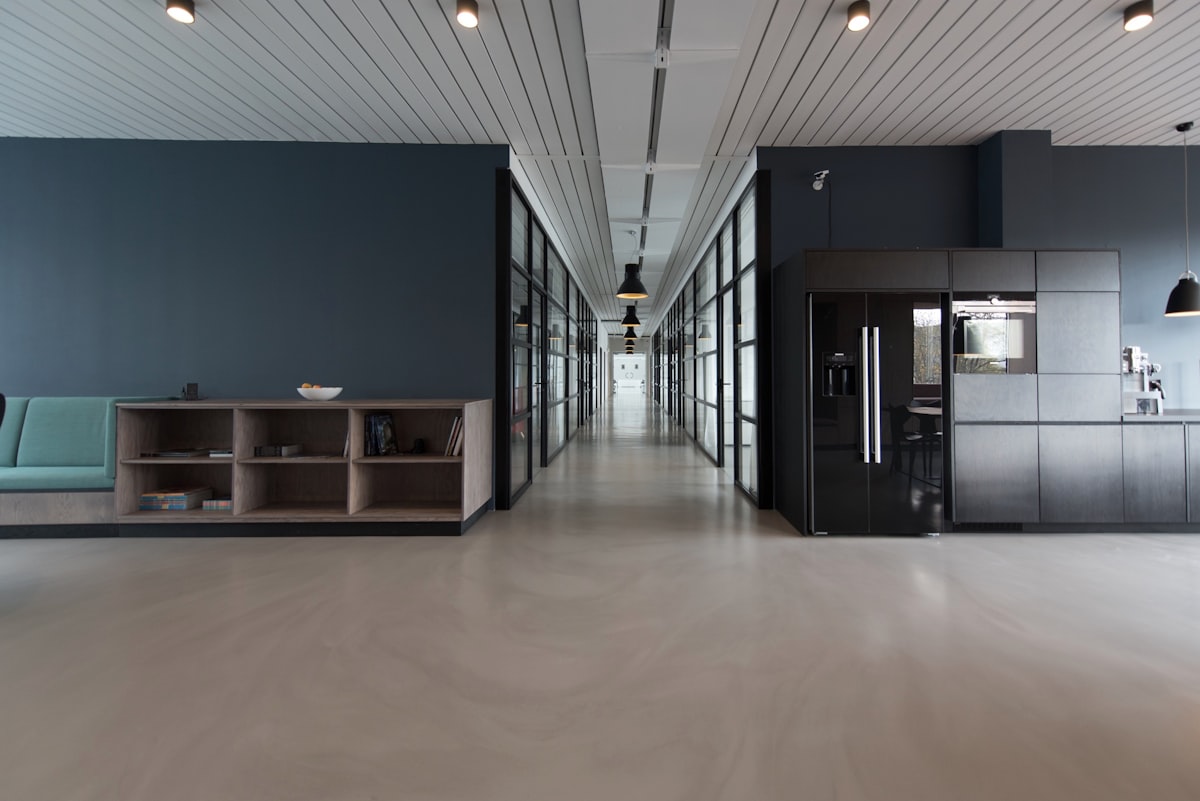
Open plan living fundamentally involves removing internal walls to create large, multi-functional zones (kitchen, dining, living) within a single space. When combined with architectural glazing, the goal is often to blur the line between the interior and exterior, typically through large apertures opening onto a garden or patio.
The choice of glazing system is critical. Unlike standard windows, open plan glazing often involves significant structural support and large, heavy panels. Common options include:
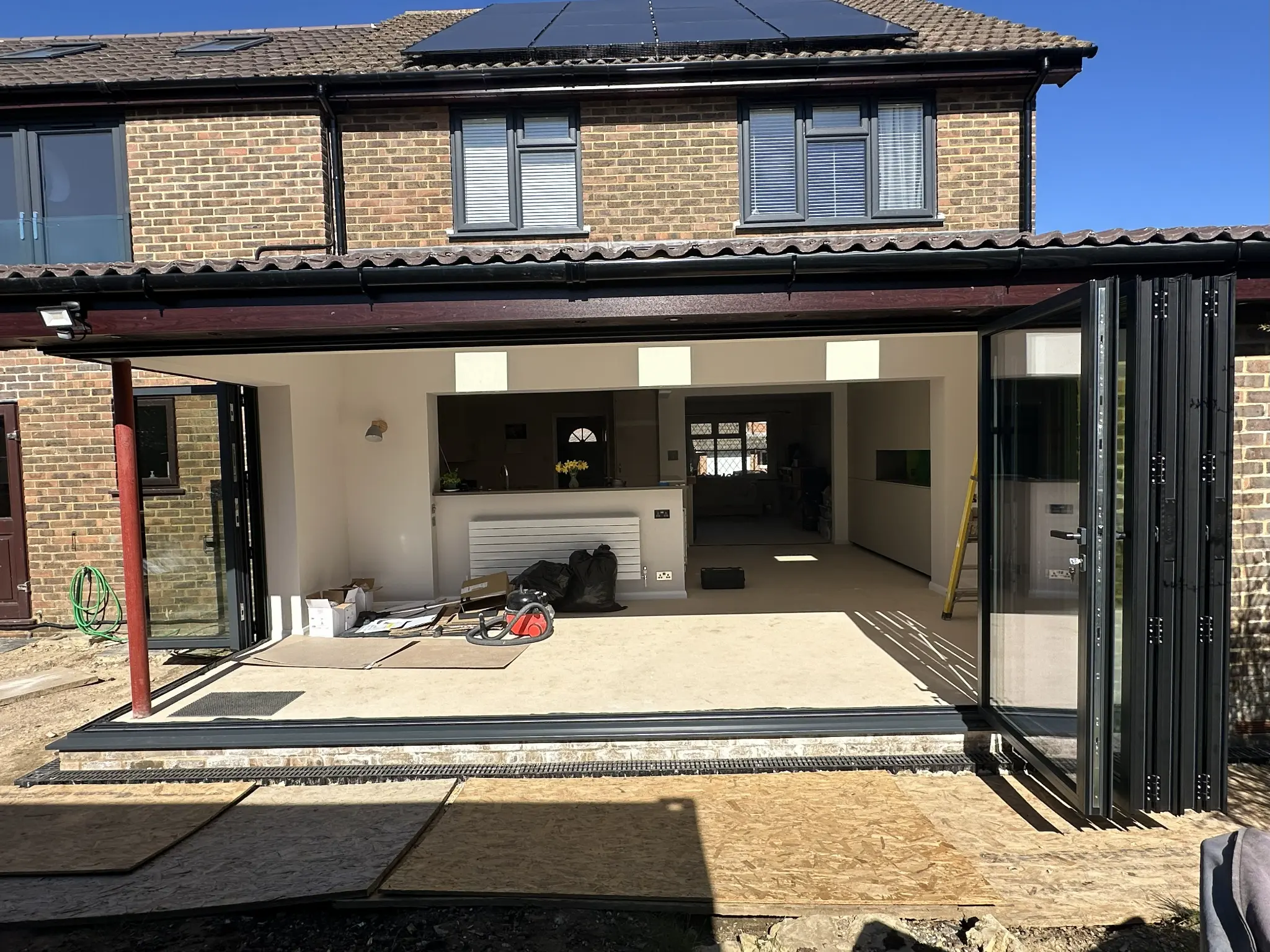
- Bifold Doors: Offering a near 90% clear opening when fully stacked, ideal for seamless indoor/outdoor flow.
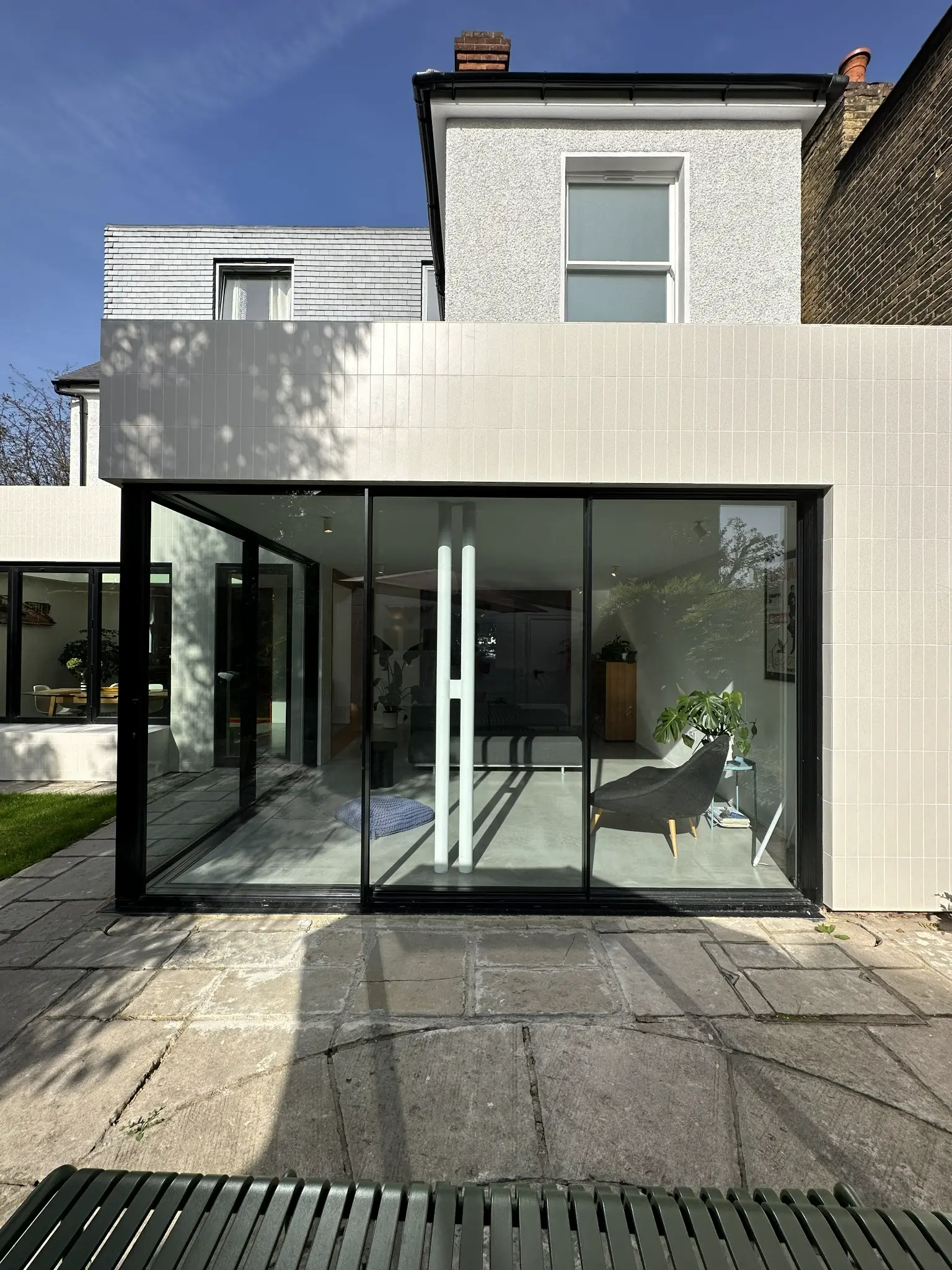
- Sliding Doors (Lift & Slide or Inline): Excellent for maximising glass area and views, often accommodating larger individual pane sizes than bifolds.
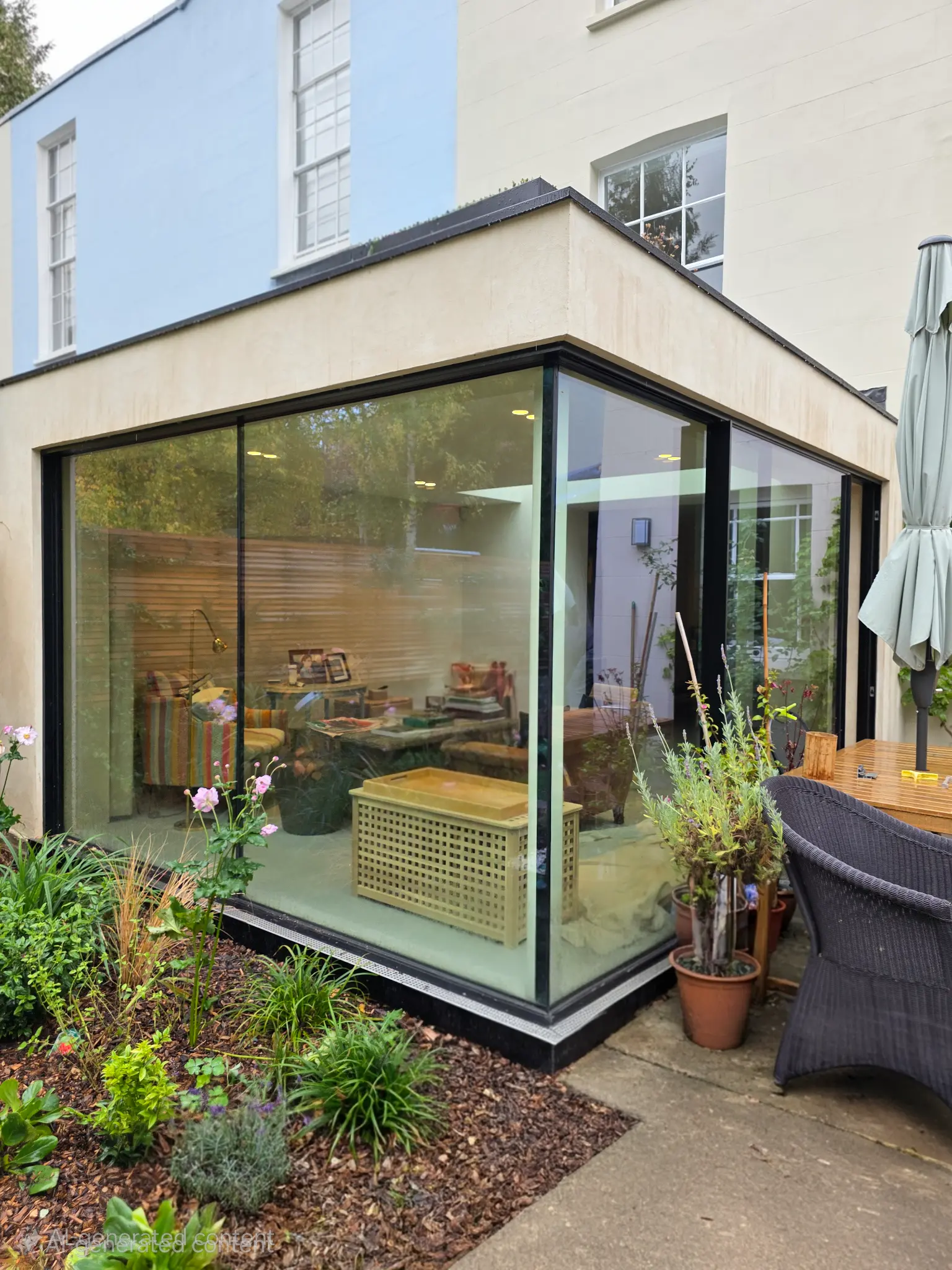
- Structural Glazing: Custom-designed glass walls or corners where the glass itself forms part of the structure, minimising frame visibility.
Structural Considerations and Load Bearing
Removing load-bearing walls is the first major hurdle in any open plan project. This requires professional assessment by a structural engineer.
When installing expansive glazing, the replacement support structure must accommodate the loads previously carried by the removed wall, including roof loads, floor loads, and dynamic loads (like wind). This almost always necessitates the installation of a steel beam (often referred to as a lintel or RSJ - Rolled Steel Joist).
Pro Tip
Ensure your structural engineer specifies the deflection limits for the supporting beam. Large spans need stiff beams to prevent excessive movement, which can damage the glazing seals and mechanisms over time. A common specification is L/360 (span divided by 360) for deflection under load.
Furthermore, the foundations supporting the ends of the new beam (the 'padstones') must be adequate. If the existing foundations cannot handle the concentrated load, underpinning or wider padstones may be required—a significant cost and time implication.

Thermal Performance and UK Building Regulations Part L (2022)
One of the biggest challenges of incorporating large expanses of glass is maintaining thermal efficiency. Glass, even high-specification double or triple glazing, is inherently less insulating than a well-constructed wall.
In England, compliance with Building Regulations Approved Document L (Conservation of Fuel and Power) 2022 edition is mandatory for new extensions and replacement elements. This regulation sets strict limits on heat loss, measured by the U-value (Watts per square metre Kelvin, W/m²K).
For open plan designs, the glazing must meet specific maximum U-values:
- Replacement Windows and Doors: Maximum U-value of 1.4 W/m²K.
- New Build or New Extension Glazing: Maximum U-value of 1.2 W/m²K.
Achieving these low U-values requires high-performance glazing specifications, often including:
- Low-E Coatings: Microscopic metallic layers applied to the glass to reflect heat back into the room.
- Warm Edge Spacers: Non-metallic materials used in the sealed unit to reduce thermal bridging at the edges.
- Inert Gas Filling: Filling the gap between panes with Argon or Krypton gas, which insulates better than air.
Whole-House Compliance (The 'Fabric First' Approach)
For extensions, Building Control assesses the entire new thermal element. While the glazing must meet the 1.2 W/m²K standard, the overall extension must demonstrate compliance, often using the 'limiting fabric parameters' method.
If you opt for an unusually high proportion of glazing (e.g., a fully glazed corner or wall), you might need to compensate by significantly improving the insulation elsewhere in the extension. This means aiming for U-values much better than the minimum requirements for other elements:
- Walls: Target 0.18 W/m²K (or lower).
- Roofs: Target 0.15 W/m²K (or lower).
This is crucial; if your open plan design uses excessive glass, you must prove that the total heat loss across the entire extension does not exceed what would be lost if you used the standard minimum amount of glazing.
Practical Design Elements for Seamless Integration
Achieving the desired 'seamless' transition between inside and out requires attention to detail beyond just the glass itself.
Threshold Design and Drainage
A flush threshold is essential for a true open plan feel, eliminating trip hazards and creating an uninterrupted floor surface. However, a flush threshold complicates weatherproofing and drainage.
| Threshold Type | Pros | Cons | Drainage Requirement |
|---|---|---|---|
| Flush (Recessed) | Seamless transition, accessible (Part M compliance). | Higher risk of water ingress if drainage fails, complex installation. | Requires linear drainage channel (Aco drain) immediately outside the glass line. |
| Low Profile (Raised) | Better weather resistance, simpler installation. | Small step (typically 15-20mm), slight interruption to floor finish. | Standard external patio drainage sufficient. |
| Standard (High) | Maximum weather protection. | Significant trip hazard, defeats the purpose of open plan flow. | Minimal specific requirement. |
For flush thresholds, the external patio or decking must slope away from the house (typically 1:80 fall) and the drainage channel must be regularly maintained to prevent blockages that could lead to water pooling and penetrating the seal.
Solar Gain and Overheating Risk
While natural light is a benefit, large south or west-facing glazing can lead to excessive solar gain, causing overheating in summer months—a common drawback of highly glazed open plan spaces.
Mitigation strategies include:
- Solar Control Glass: Glass with specific coatings that reflect a high percentage of solar energy while maintaining high light transmission.
- External Shading: Overhangs, brise soleils, or retractable awnings prevent direct high-angle summer sun from hitting the glass.
- Internal Blinds: While less effective than external shading, high-quality thermal blinds can help manage glare and heat.
Safety, Security, and Maintenance
Large glazing installations must meet safety standards, particularly concerning impact resistance and security.
- Safety Glazing: All glass in doors, and any glass below 800mm from floor level, must be safety glass (toughened or laminated) according to Building Regulations Part K (Protection from falling, collision and impact).
- Security (Part Q): For new dwellings or extensions, Part Q (Security) compliance may be required. This demands that doors and windows meet specific security standards, often tested to PAS 24. Look for systems certified with multi-point locking mechanisms and robust frames.
- Maintenance: The sheer size of the glass means cleaning can be challenging. Consider external access (e.g., flat roof access or professional window cleaning services). Heavy sliding systems require periodic lubrication and inspection of rollers and tracks to ensure smooth operation.
Acoustic and Fire Separation
Open plan living eliminates acoustic buffering, meaning noise travels freely throughout the space. If external noise is a concern (e.g., busy roads), specify laminated glass, which offers superior sound reduction compared to standard toughened glass.
A critical, often overlooked element in open plan design is Fire Safety (Part B). Removing internal walls can affect the escape routes and compartmentation of the house, especially in two-storey homes or those with loft conversions.
If the ground floor is open plan, Building Control may require:
- Mains-powered smoke alarms installed throughout the property.
- Protected escape routes on upper floors.
- Fire-rated doors leading to stairwells or utility rooms.
Consultation with Building Control is essential early in the design process to ensure the removal of walls does not compromise the safety of escape routes.
Maximized Natural Light
Expansive glazing dramatically increases daylight penetration, reducing reliance on artificial lighting and improving well-being.
Enhanced Property Value
Modern, architecturally designed open plan spaces with high-quality glazing are highly desirable and significantly boost market appeal.
Seamless Indoor-Outdoor Flow
Bifold or large sliding doors create an uninterrupted connection to the garden, ideal for entertaining and family life.
Flexible Living Space
The absence of walls allows the space to be easily reconfigured for different activities, from large gatherings to quiet family time.
Choosing the Right Glazing Partner
Selecting the correct glazing system for an open plan project goes beyond aesthetics. It requires a supplier who understands the complexities of UK Building Regulations, structural interfaces, and high-performance thermal requirements.
Look for partners who provide detailed U-value calculations, offer systems tested to PAS 24 security standards, and have experience coordinating with structural engineers and builders to ensure a perfect fit and long-term performance.
If you are planning an ambitious open plan transformation involving large-scale architectural glazing, expert advice is invaluable. Shard AG specialises in high-specification sliding doors, bifold systems, and structural glass solutions tailored for the demanding UK climate and regulatory environment. Our focus is on delivering precision-engineered systems that meet or exceed the stringent thermal performance requirements of Part L (2022), ensuring your new open plan space is beautiful, energy-efficient, and structurally sound.