


Essential Maintenance Tips for Your Glass Doors in the UK
Discover expert tips for maintaining your glass doors, ensuring longevity, safety, and optimal performance. Learn about cleaning, hardware care, and UK Building Regulations.

Shard Architectural Glazing
13 January 2026
Discover expert tips for maintaining your glass doors, ensuring longevity, safety, and optimal performance. Learn about cleaning, hardware care, and UK Building Regulations.
📋In This Article
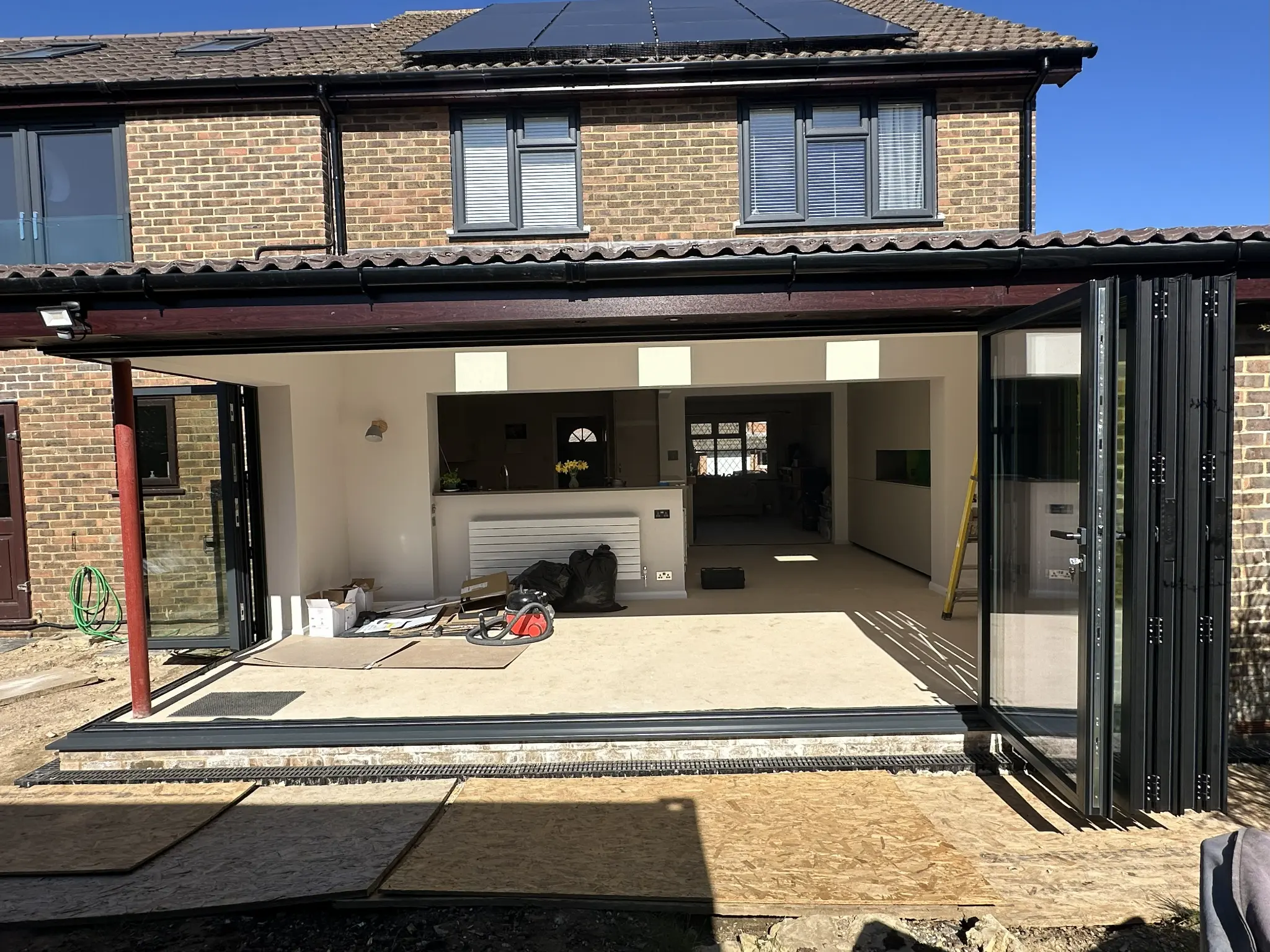
Glass doors, whether bifold, sliding, or French, are a popular choice for UK homeowners seeking to enhance natural light, improve aesthetics, and create seamless transitions between indoor and outdoor spaces. Their sleek design and modern appeal can significantly elevate a property's value and liveability. However, like any significant home improvement, glass doors require regular and appropriate maintenance to ensure their longevity, optimal performance, and continued safety.
This comprehensive guide will delve into the essential maintenance practices for various types of glass doors, focusing on practical tips, technical considerations, and adherence to UK standards. Proper maintenance not only preserves their appearance but also helps to prevent costly repairs and ensures they continue to meet energy efficiency and safety requirements.
Understanding Your Glass Door Components
Before diving into specific maintenance tasks, it's crucial to understand the main components of your glass doors. This knowledge will help you identify potential issues and apply the correct care.
- Glass Panels: These are the most prominent feature, often double or triple glazed for thermal efficiency. They can be toughened or laminated for safety.
- Frames: Commonly made from aluminium, uPVC, or timber. Each material has different maintenance needs. Aluminium is popular for its strength and slim profiles, uPVC for its affordability and low maintenance, and timber for its natural aesthetic and insulation properties.
- Hardware: This includes hinges, tracks, rollers, handles, locks, and seals (gaskets). These components are critical for the door's functionality, security, and weatherproofing.
- Seals and Gaskets: These rubber or silicone components provide weatherproofing and thermal insulation, preventing draughts and water ingress.
Routine Cleaning for Glass and Frames
Regular cleaning is the simplest yet most effective way to maintain the appearance and performance of your glass doors.
Cleaning Glass Panels
For sparkling, streak-free glass, follow these steps:
- Frequency: Aim for cleaning every 2-4 weeks, or more often in coastal or high-traffic areas where dirt and salt spray can accumulate.
- Materials: Use a soft, lint-free cloth or a microfibre cloth, warm water, and a small amount of mild, non-abrasive glass cleaner or washing-up liquid. For best results, a squeegee can be highly effective.
- Technique: Start by wiping down the glass to remove loose dirt. Apply your cleaning solution and use the squeegee in overlapping strokes, wiping the blade after each pass. Finish by polishing with a dry microfibre cloth for a streak-free shine.
- Avoid: Abrasive cleaners, scourers, or harsh chemicals (like ammonia-based products) which can damage coatings, seals, or the glass surface itself.
Cleaning Door Frames
The cleaning method for frames depends on the material:
- Aluminium Frames: These are highly durable and low maintenance. Clean with warm soapy water and a soft cloth. Avoid abrasive cleaners or wire brushes that can scratch the powder-coated finish. Rinse thoroughly and dry.
- uPVC Frames: Similar to aluminium, uPVC frames are easily cleaned with warm soapy water and a soft cloth. For stubborn marks, a specialist uPVC cleaner can be used, but always test on an inconspicuous area first. Avoid solvents or abrasive materials.
- Timber Frames: Timber requires more careful maintenance. Clean with a damp, soft cloth and a mild detergent. After cleaning, ensure the timber is thoroughly dried. Depending on the finish (paint, stain, varnish), timber frames may require periodic re-treatment to protect against weathering. This could be every 3-7 years, depending on exposure and product used.
Pro Tip
When cleaning glass doors, always clean both sides of the glass and ensure you're working in shaded conditions to prevent the cleaning solution from drying too quickly and leaving streaks. For hard-to-reach areas, consider investing in an extendable squeegee or a professional window cleaner.
Hardware and Seal Maintenance
The moving parts and seals of your glass doors are crucial for their functionality, security, and thermal performance.
Tracks and Rollers (for Sliding and Bifold Doors)
- Cleaning: Regularly vacuum or brush out any dirt, dust, leaves, or debris from the bottom tracks. Accumulated debris can impede smooth operation and damage rollers.
- Lubrication: Apply a silicone-based spray lubricant (never oil-based, as it attracts dirt) to the rollers and hinges every 6-12 months. This ensures smooth operation and prevents wear. Wipe away any excess lubricant.
- Inspection: Check for any signs of wear or damage to the rollers. If doors become stiff or noisy, it might indicate worn rollers that need professional attention.
Hinges, Handles, and Locks
- Cleaning: Wipe down handles and hinges with a damp cloth. For metal components, avoid harsh chemicals that could tarnish finishes.
- Lubrication: Lightly lubricate moving parts of hinges and lock mechanisms with a specialist lock lubricant or a silicone spray annually.
- Security Check: Periodically check that all screws are tight and that locks engage smoothly and securely. If you notice any stiffness or grinding, address it promptly.
Seals and Gaskets
- Cleaning: Wipe rubber or silicone seals with a damp cloth to remove dirt and grime. This helps maintain their elasticity.
- Inspection: Check seals for any signs of cracking, shrinking, or deterioration. Damaged seals compromise weatherproofing and thermal efficiency. If seals are visibly damaged, they should be replaced to prevent draughts and water ingress.
- Prevention: A silicone-based lubricant can help keep seals supple and prevent them from sticking or drying out, especially in extreme temperatures.

Adhering to UK Building Regulations and Standards
While maintenance primarily focuses on performance and aesthetics, it's important to understand how it relates to Building Regulations. New installations and significant alterations to glass doors must comply with various parts of the UK Building Regulations, particularly those related to safety, thermal performance, and ventilation.
Key Regulations for Glass Doors:
- Part L (Conservation of Fuel and Power): This is crucial for thermal efficiency. New or replacement glass doors must meet specific U-value requirements. For new builds, the U-value for windows and doors is typically 1.2 W/m²K. For replacement doors, it's 1.4 W/m²K. Proper maintenance of seals and glass integrity is essential to ensure your doors continue to meet these thermal performance standards over time. Deteriorated seals or damaged glazing can significantly increase heat loss.
- Part K (Protection from Falling, Collision and Impact): Relates to safety glazing. Any glass in critical locations (e.g., low-level glass, glass in or adjacent to doors) must be safety glass (toughened or laminated) to prevent serious injury in case of breakage. Maintenance involves ensuring there are no cracks or chips that could compromise the safety of the glass.
- Part F (Ventilation): While not directly about the door itself, if your glass doors replace existing windows or doors that provided trickle ventilation, the new installation must also provide adequate ventilation.
- Part Q (Security – England only): New doors and windows in new dwellings (or those undergoing a material change of use) must be secure. Maintaining locks and hardware in good working order is vital for continued compliance and security.
Regular maintenance helps ensure that your glass doors continue to perform as intended and maintain compliance with these regulations. If you notice significant issues affecting thermal performance (e.g., misting between panes indicating a failed seal), safety, or security, it's advisable to consult a professional.
Enhanced Longevity
Regular cleaning and lubrication prevent wear and tear, extending the lifespan of your glass doors and their components.
Optimal Performance
Smooth-running tracks, functional locks, and intact seals ensure your doors open, close, and lock effortlessly, providing comfort and security.
Maintained Aesthetics
Clean glass and frames keep your doors looking pristine, preserving the visual appeal and value of your home.
Energy Efficiency & Safety
Well-maintained seals and glass integrity help meet thermal regulations and ensure the safety of occupants by preventing draughts and maintaining glass strength.
Troubleshooting Common Issues
Even with regular maintenance, some issues may arise. Here are a few common problems and what to consider:
- Stiff Operation: Often caused by dirt in tracks or lack of lubrication. Clean tracks thoroughly and apply silicone spray. If the problem persists, rollers might be worn.
- Draughts or Leaks: Usually indicates damaged or perished seals/gaskets. Inspect them closely and consider professional replacement if necessary.
- Condensation Between Panes: This is a sign of a failed double-glazed unit seal. The inert gas between the panes has escaped, and moist air has entered. This unit will need to be replaced by a professional.
- Loose Handles or Locks: Tighten screws where possible. If the mechanism itself is faulty, it may need repair or replacement.
When to Call a Professional
While much of the routine maintenance can be done by homeowners, some tasks are best left to professionals:
- Glass Replacement: If a pane is cracked, shattered, or has a failed seal (condensation between panes), professional replacement is necessary. This ensures the correct type of safety glass is used and that the new unit is properly installed and sealed.
- Major Hardware Repairs: If rollers are severely worn, hinges are damaged, or locking mechanisms are faulty beyond simple lubrication/tightening, a specialist will have the expertise and tools for proper repair or replacement.
- Frame Damage: Significant dents, warping, or corrosion on frames might require professional repair or assessment.
- Performance Issues: If your doors are consistently difficult to operate, letting in draughts despite seal maintenance, or showing signs of structural issues, a professional assessment can diagnose the underlying problem.
Always ensure any professional you engage is experienced with the specific type and brand of your glass doors and is familiar with current UK Building Regulations.
Conclusion and Shard AG Services
Investing a small amount of time in regular maintenance for your glass doors can yield significant returns, ensuring they remain a beautiful, functional, and energy-efficient feature of your UK home for many years. From simple cleaning to periodic checks of hardware and seals, these practices are key to preserving their performance, aesthetics, and compliance with important safety and thermal regulations.
At Shard AG, we understand the importance of high-quality architectural glazing. While this guide provides comprehensive maintenance tips, we are also here to assist with more complex issues. Our team specialises in the supply and installation of premium glass doors, including bifolds, sliders, and French doors, designed to meet the highest UK standards for thermal performance, security, and durability. If you require professional advice, servicing, or are considering new glass door installations, please do not hesitate to contact us. We are committed to helping you maximise the lifespan and performance of your glazing solutions.
Explore Our Products
Discover how Shard Architectural Glazing can transform your home with our premium glazing solutions:
Ready to Transform Your Home?
Get in touch with our expert team for a free consultation and personalised quote. We'll help you choose the perfect glazing solution for your property.