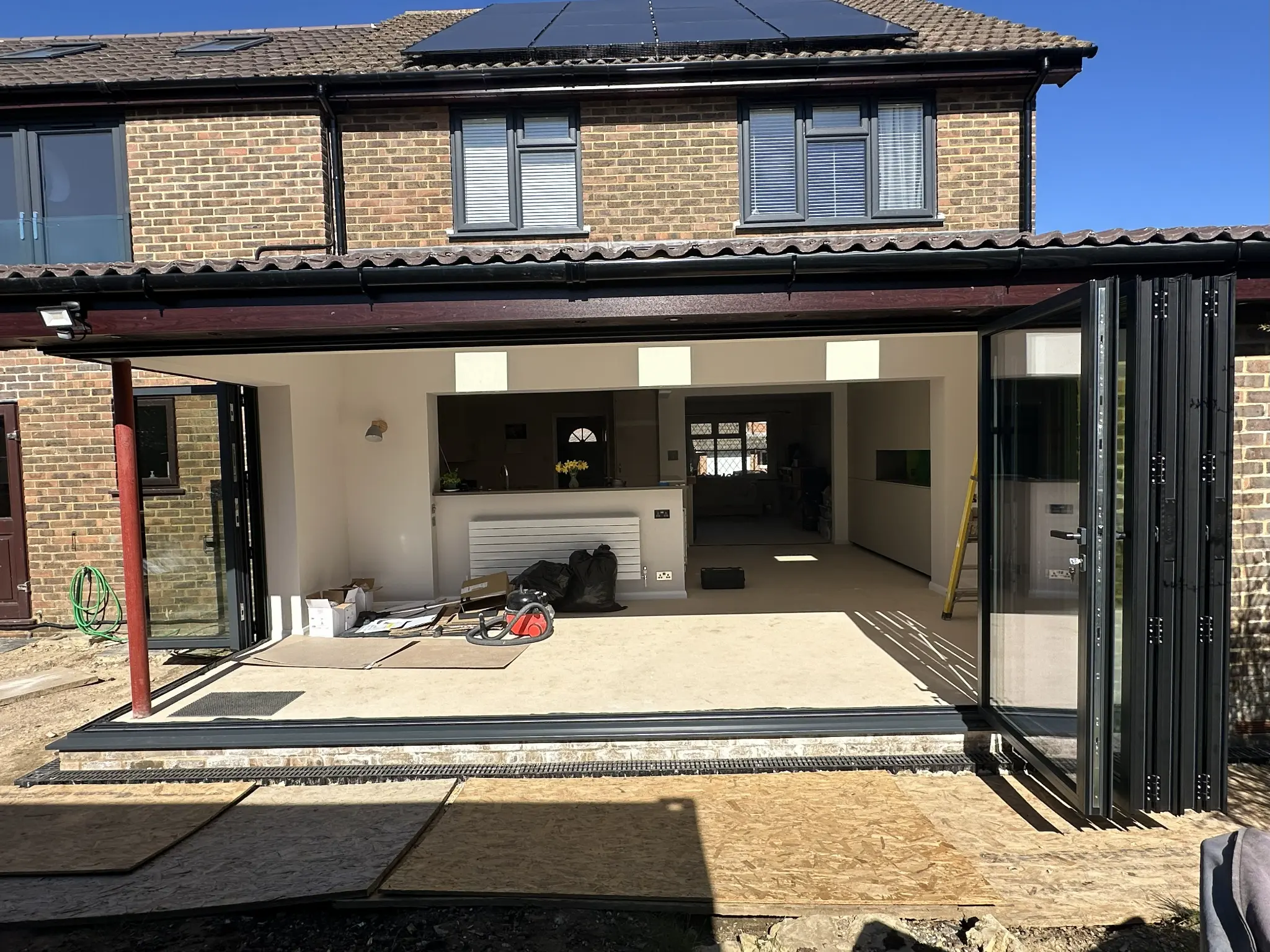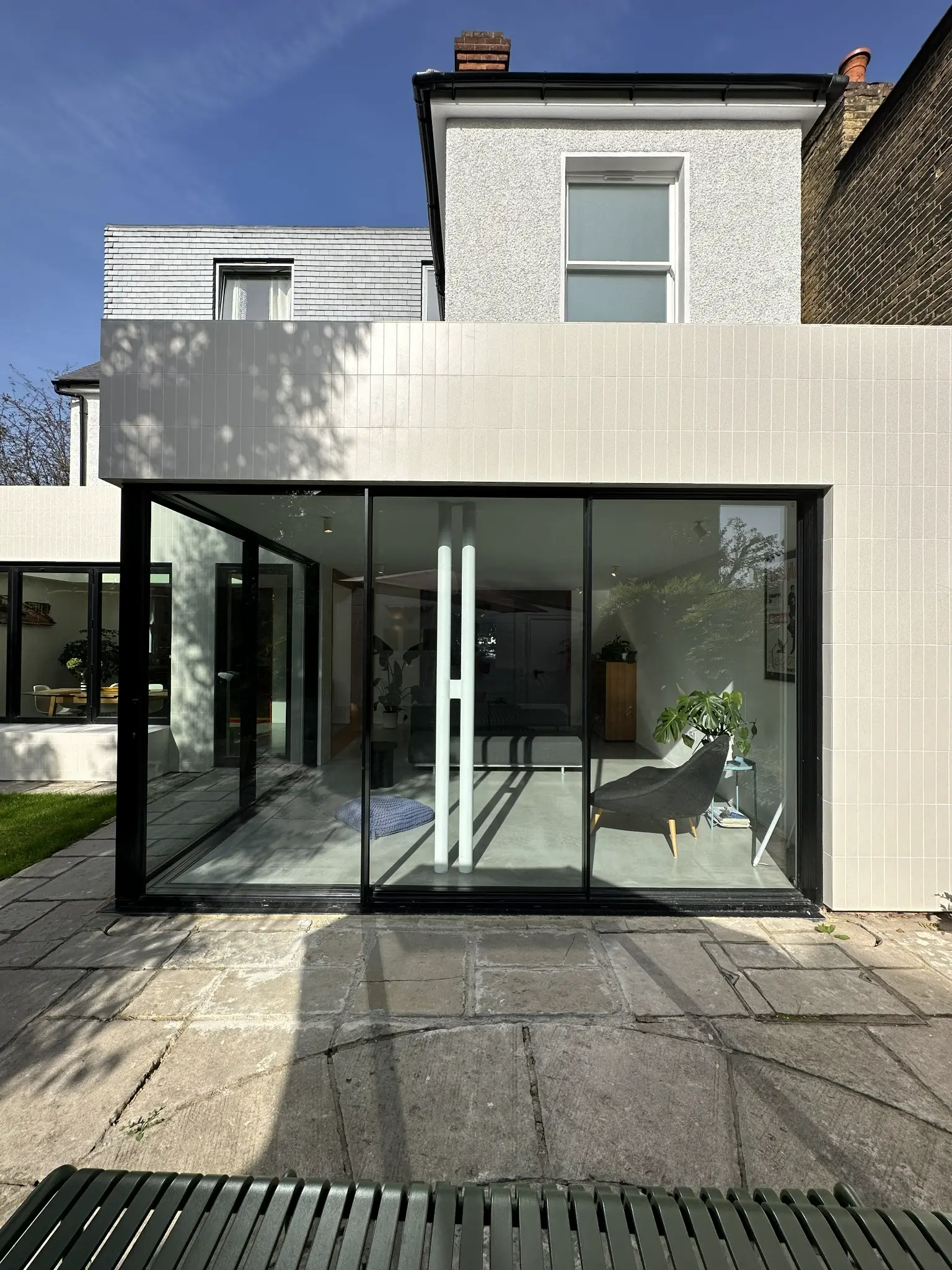


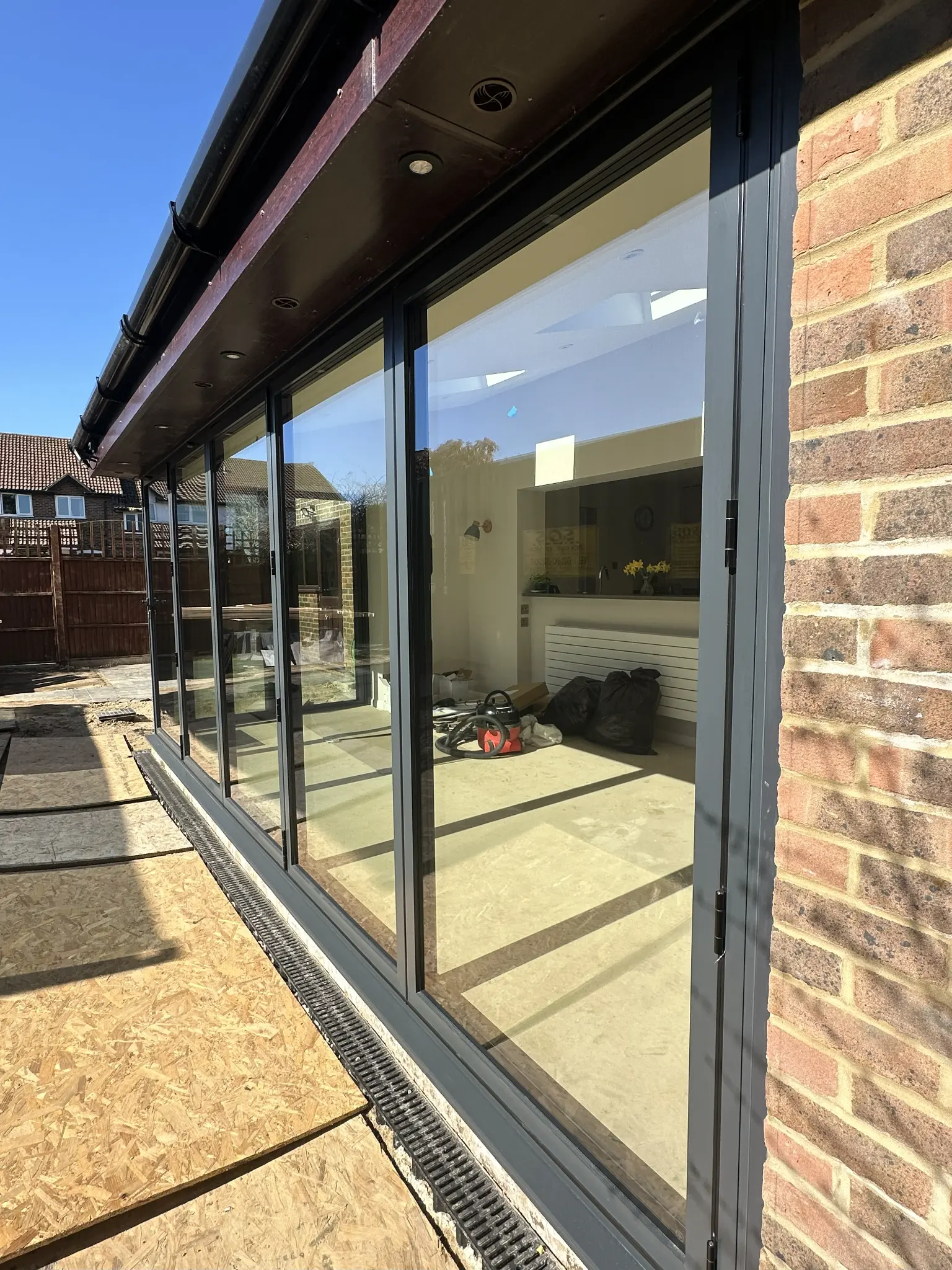

Weather sealing is arguably one of the most critical, yet often overlooked, components of any successful architectural glazing installation in the UK. Given the variable and often wet climate, effective sealing is essential not only for preventing water ingress and draughts but also for achieving the stringent thermal performance targets set out in current UK Building Regulations.
This guide provides UK homeowners with an expert understanding of modern weather sealing technology, focusing on materials, application methods, and how proper sealing contributes significantly to energy efficiency and the longevity of your property.
Why Effective Weather Sealing is Non-Negotiable
In construction, the boundary between the internal (conditioned) environment and the external (unconditioned) environment is known as the building envelope. Glazing systems – windows, doors, and curtain walling – represent potential weak points in this envelope. If these interfaces are not properly sealed, several issues arise:
- Water Ingress: Leading to damp, mould growth, and structural damage to surrounding materials (e.g., timber frames, plasterboard).
- Air Leakage (Draughts): This is the primary cause of heat loss in poorly sealed homes. Uncontrolled air movement significantly undermines the performance of high-specification glazing.
- Thermal Bridging: Poor sealing around the frame perimeter can create cold spots, leading to condensation and reduced thermal comfort.
- Acoustic Performance: Gaps allow external noise to penetrate, negating the acoustic benefits of double or triple glazing.
The goal of modern weather sealing is to create a robust, continuous barrier that manages moisture, controls air movement, and accommodates the natural movement of the building materials due to thermal expansion and contraction.

Understanding UK Building Regulations (Part L)
Compliance with Part L (Conservation of Fuel and Power) of the Building Regulations in England is mandatory for new builds, extensions, and most replacement glazing projects. Effective weather sealing is fundamental to achieving the required U-values and overall air tightness.
Air Permeability and Thermal Performance
While U-values measure how much heat is lost through the material itself (conduction), air permeability measures uncontrolled heat loss via air movement (convection). Part L 2022 places significant emphasis on reducing air permeability. For new dwellings, an air permeability target is typically set, often requiring detailed testing (blower door tests).
For homeowners, the key takeaway is that even the most thermally efficient window (e.g., U-value of 1.2 W/m²K) will fail to deliver its intended performance if the perimeter seal between the frame and the wall structure is compromised.
| Element | Target U-Value (W/m²K) - Part L 2022 (England) | Relevance to Sealing |
|---|---|---|
| New Windows/Doors (New Build) | 1.2 | Sealing ensures the installed U-value is achieved. |
| Replacement Windows/Doors | 1.4 | Perimeter sealing prevents heat loss around the frame. |
| Walls (New Build/Extension) | 0.18 | Sealing interfaces between glazing and wall structure is critical to maintain continuity. |
| Air Permeability Target (New Dwelling) | Typically 5.0 m³/(h.m²) @ 50 Pa (or lower) | Achieved through meticulous sealing of all joints and penetrations. |
Pro Tip
When commissioning installation, ask your contractor about the specific air tightness strategy they employ. Reputable installers often use pre-compressed expanding foam tapes (like expanding polyurethane foam tapes) or internal/external vapour control membranes (intelligent membranes) rather than relying solely on standard silicone sealant, which is primarily a water barrier, not an air barrier.
Advanced Sealing Materials and Methods
Modern weather sealing goes far beyond a simple bead of silicone. Professional installations utilise systems designed to manage moisture and air pressure differentials effectively.
1. Vapour Control Layers (VCLs) and Intelligent Membranes
The principle of 'internal air tight, external weather tight' is standard practice. This involves using specialised membranes:
- Internal Seal (Air Barrier/Vapour Control): Membranes applied to the inside of the frame perimeter must be highly air-tight and act as a vapour barrier. This prevents warm, moist internal air from penetrating the wall structure, where it could condense and cause interstitial damage.
- External Seal (Weather Barrier): Membranes applied externally must be highly weather-resistant but also vapour-permeable (or 'breathable'). This allows any moisture that does get into the cavity to escape outwards, preventing saturation of the insulation or structure.
Intelligent Membranes: These are advanced VCLs whose vapour resistance changes depending on the humidity level, offering superior performance in managing moisture throughout the year.
2. Expanding Foam Tapes (BG1/BG2 Rated)
Pre-compressed, expanding polyurethane foam tapes are widely used for sealing the gap between the window frame and the rough opening. These tapes expand slowly to fill irregular gaps, providing a continuous, elastic seal.
- BG1 Rating: Meets the highest standard for weather tightness, suitable for exposed locations.
- BG2 Rating: Suitable for less exposed locations, offering excellent thermal and acoustic insulation.
3. High-Performance Sealants and Adhesives
While membranes handle the primary air and vapour control, high-quality sealants are essential for specific joints and detailing:
- Neutral Cure Silicone: Preferred over acid-cure types for glazing, as it is non-corrosive and offers excellent UV resistance and elasticity. Used primarily for sealing glass-to-frame joints and external perimeter joints where a flexible, waterproof finish is required.
- Hybrid Polymer Sealants (MS Polymers): Offer superior adhesion to diverse substrates (e.g., concrete, masonry, metal) and can often be painted, providing a durable, flexible seal that resists movement.

Installation Best Practices for Homeowners
The quality of the installation dictates the performance of the sealing technology. Homeowners should ensure their chosen contractor adheres to these principles:
1. Preparation of the Aperture
The window opening (aperture) must be clean, dry, and structurally sound. Any debris, loose mortar, or dust will compromise the adhesion of tapes and sealants. The opening should be dimensionally accurate to minimise excessive gaps, ideally aiming for a consistent perimeter gap of 5mm to 15mm.
2. The Three-Stage Sealing Method (The European Standard)
Professional installers often follow a three-stage sealing principle, ensuring durability and performance:
- Zone 1 (External): Weather protection and drainage. The seal must be diffusion-open (breathable) to allow moisture to escape.
- Zone 2 (Middle): Thermal and acoustic insulation. This is typically achieved using expanding foam tapes or high-density insulation materials.
- Zone 3 (Internal): Air tightness and vapour control. The seal must be diffusion-tight (vapour barrier) to prevent moisture migration from inside the home.
3. Accommodating Movement
All building materials expand and contract with temperature changes. Sealing materials must be elastic enough to accommodate this movement without tearing or debonding. Using sealants with high movement capacity (e.g., +/- 25%) and ensuring the sealant joint depth-to-width ratio is correct (often 1:2) is essential for longevity.
Common Sealing Challenges in UK Homes
While new builds benefit from precise construction tolerances, older UK properties present unique challenges:
- Irregular Openings: Older masonry walls often have uneven or non-square apertures. This requires careful preparation and the use of flexible, highly expansive sealing materials to bridge large, variable gaps effectively.
- Substrate Compatibility: Older materials like lime mortar, sandstone, or specific types of brick may require primers to ensure proper adhesion for modern polymer sealants and tapes.
- Cavity Barriers: When replacing windows in cavity walls, ensuring the sealing system integrates correctly with existing cavity barriers and damp proof courses (DPCs) is vital to prevent water tracking internally.
- Accessibility: Sealing large or complex installations (like sliding doors or curtain walling) often requires careful planning and access equipment to ensure the continuous application of membranes and tapes, especially at high-level joints.
Reduced Energy Bills
By eliminating uncontrolled air leakage (draughts), effective weather sealing dramatically reduces the demand on heating systems, leading to measurable savings on utility costs.
Enhanced Comfort
A properly sealed home eliminates cold spots and temperature fluctuations near windows and doors, creating a consistently comfortable internal environment.
Protection Against Damage
Sealing prevents water ingress and condensation within the wall structure, protecting building fabrics from damp, mould, and long-term structural degradation.
Improved Air Quality
By controlling moisture and preventing mould growth caused by condensation, good sealing contributes to a healthier indoor environment.
Choosing the Right Professional
Weather sealing is a specialist skill. When selecting a glazing contractor, ensure they demonstrate competence in modern sealing techniques. Ask specifically about the products they use (e.g., branded tapes, intelligent membranes) and their strategy for achieving air tightness, particularly if the project requires Building Control sign-off.
A professional installation will treat the sealing process as a critical, multi-layered system, not just a cosmetic finish, ensuring your investment in high-performance glazing delivers maximum thermal and protective benefits for decades to come.
***
Disclaimer: While this article provides expert guidance on weather sealing technology and references UK Building Regulations Part L 2022, specific project requirements may vary. Always consult with a qualified architect, structural engineer, or local Building Control body to ensure full compliance for your specific installation.