


Maximising Home Energy Efficiency with Modern Glazing in the UK
Understanding how modern glazing improves thermal performance, reduces energy bills, and meets UK Building Regulations (Part L). Essential guide for homeowners.

Shard Architectural Glazing
25 December 2025
Understanding how modern glazing improves thermal performance, reduces energy bills, and meets UK Building Regulations (Part L). Essential guide for homeowners.
📋In This Article
- Understanding Thermal Performance and U-Values
- UK Building Regulations (Part L) and Glazing
- Key Technologies for High-Performance Glazing
- Comparing Frame Materials: Thermal Efficiency Trade-offs
- Benefits of Upgrading to Energy-Efficient Glazing
- Solar Gain Management in the UK Climate
- Choosing the Right Installer and System
- About Shard AG
Maximising Home Energy Efficiency with Modern Glazing in the UK
Glazing is often the weakest link in a building's thermal envelope. For UK homeowners looking to reduce energy consumption, lower heating bills, and improve internal comfort, upgrading windows and doors is one of the most effective investments. This comprehensive guide explores the technical aspects of energy-efficient glazing, focusing on the standards and options available in the UK market.
Understanding Thermal Performance and U-Values
To assess the energy efficiency of any building material, particularly glazing, we must understand the concept of the U-value. The U-value (or thermal transmittance coefficient) measures the rate of heat loss through a structure. In simple terms, the lower the U-value, the better the material is at insulating, and the less heat is lost.
The Importance of the Overall Window U-Value (Uw)
When assessing a window, it’s crucial to look beyond just the glass (the centre pane U-value, Ug). The overall window U-value (Uw) takes into account three components:
- The Glass (Ug): The thermal performance of the sealed unit itself.
- The Frame (Uf): The thermal performance of the window frame material (e.g., PVC-U, timber, aluminium).
- The Spacer Bar: The component separating the panes of glass, which can often be a thermal bridge if made of conductive materials like aluminium.
Modern standards demand that the entire assembly works together efficiently. A high-performance glass unit paired with a poor frame will still result in a high overall U-value.
UK Building Regulations (Part L) and Glazing
In the UK, energy efficiency standards for new and replacement glazing are governed primarily by Part L (Conservation of Fuel and Power) of the Building Regulations. These regulations set minimum performance standards to ensure buildings are constructed and renovated to minimise energy waste.
Current U-Value Requirements for Dwellings (England)
While specific requirements can change following updates (such as the Future Homes Standard pathway), current regulations dictate strict maximum U-values for replacement and new installations:
- Replacement Windows and Doors: Typically must achieve a U-value no worse than 1.4 W/m²K, or achieve a Window Energy Rating (WER) of Band C or better.
- New Build Windows and Doors: Generally require significantly lower U-values, often targeting 1.2 W/m²K or better, depending on the overall dwelling performance calculation (SAP methodology).
- Rooflights/Sloped Glazing: These usually have slightly looser requirements due to their orientation, but still demand high performance, often around 1.6 W/m²K or better.
Homeowners must ensure their chosen installer is FENSA or CERTASS registered, as this guarantees compliance with Building Regulations and provides the necessary certification upon completion.
Pro Tip
When comparing quotes, always insist on seeing the documented overall Uw value for the specific window system (frame and glass combination), not just the centre pane Ug value. A Uw of 1.2 W/m²K is considered excellent for typical residential applications.
Key Technologies for High-Performance Glazing
Achieving low U-values relies on several integrated technologies working within the sealed unit and the frame.
1. Low-Emissivity (Low-E) Coatings
This is arguably the most critical component of modern energy-efficient glazing. A microscopically thin, virtually invisible metallic oxide coating is applied to one of the internal surfaces of the glass panes (usually surface 3 in a double-glazed unit, or surface 2 or 4 in a triple-glazed unit). This coating is designed to reflect long-wave infrared radiation (heat) back into the room while allowing short-wave radiation (light) to pass through. This dramatically reduces heat loss via radiation.
2. Inert Gas Fillings
The space between the panes of glass is typically filled with an inert gas, most commonly Argon. Argon is denser than air and offers lower thermal conductivity, slowing down the transfer of heat across the cavity via convection and conduction. For extreme performance, gases like Krypton or Xenon may be used, though these are significantly more expensive and generally reserved for very thin or highly specialised units.
3. Warm Edge Spacer Bars
Traditional spacer bars were made of aluminium, which is highly conductive, creating a thermal bridge at the edge of the unit. Warm edge spacers are made from low-conductivity composite materials or structural foam. By minimising heat transfer at the edge, they significantly improve the overall Uw value and help prevent condensation forming around the perimeter of the glass.
Double Glazing vs. Triple Glazing
While double glazing (typically achieving Uw values of 1.4 to 1.2 W/m²K) is the UK standard, triple glazing offers superior performance, often reaching Uw values between 0.8 and 1.0 W/m²K. Triple glazing involves three panes and two gas-filled cavities, offering exceptional insulation. However, it is heavier, thicker, and more expensive, requiring robust frame systems and potentially deeper rebates.
Comparing Frame Materials: Thermal Efficiency Trade-offs
The frame material plays a significant role in the overall thermal performance and longevity of the window.
| Material | Typical Uf Performance | Pros | Cons |
|---|---|---|---|
| PVC-U (Vinyl) | Good (1.2 – 1.6 W/m²K) | Cost-effective, low maintenance, excellent thermal breaks (multi-chambered design). | Aesthetics can be limited, less suitable for very large spans. |
| Timber (Wood) | Excellent (1.0 – 1.4 W/m²K) | Naturally insulating, sustainable, high aesthetic appeal, long lifespan if maintained. | Requires regular maintenance (painting/staining), higher initial cost. |
| Aluminium | Requires Thermal Break (1.4 – 1.8 W/m²K) | Extremely durable, slim sightlines, ideal for large structural glazing. | Highly conductive; requires complex, high-quality polyamide thermal breaks to meet regulations. |
| Composite (Alu-Clad) | Excellent (0.9 – 1.3 W/m²K) | Combines durability (external aluminium) with insulation (internal timber). | Highest cost, complex manufacturing process. |
Benefits of Upgrading to Energy-Efficient Glazing
The decision to upgrade glazing offers benefits that extend far beyond simply meeting regulatory requirements.
Reduced Energy Bills
By minimising heat loss, high-performance glazing significantly reduces the demand on central heating systems, leading to measurable savings on gas or electricity bills over the lifespan of the windows.
Improved Comfort and Health
Energy-efficient windows eliminate cold spots and draughts near the glass surface. This increases internal comfort and reduces the risk of condensation and mould growth, contributing to a healthier living environment.
Noise Reduction
Double and triple glazing, especially when combined with different glass thicknesses (acoustic lamination), provides excellent sound insulation, reducing external noise pollution significantly.
UV Protection and Fade Reduction
The Low-E coatings used to manage heat transfer also filter out a significant portion of harmful UV radiation, helping to protect internal furnishings, flooring, and artwork from fading.
Solar Gain Management in the UK Climate
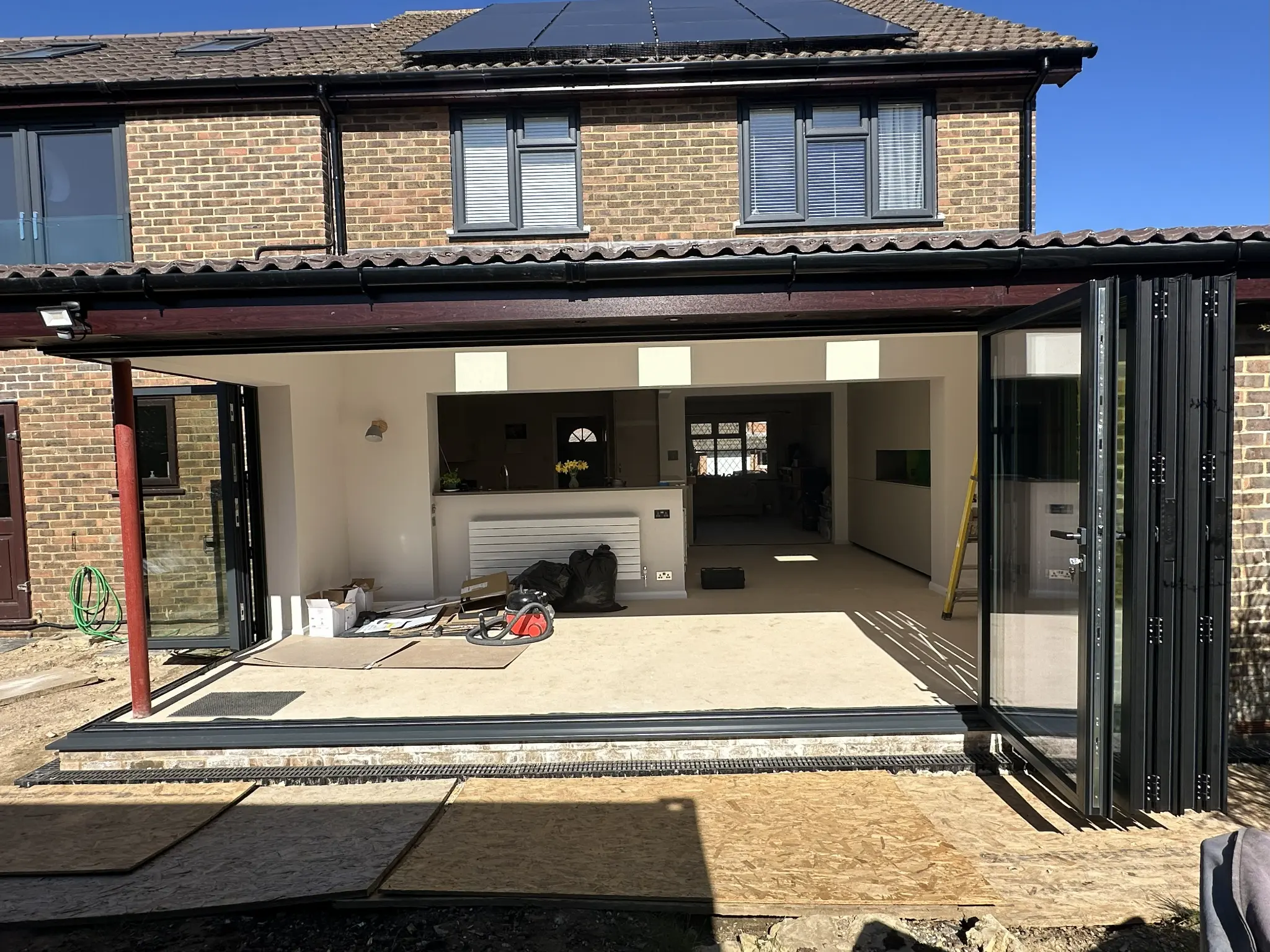
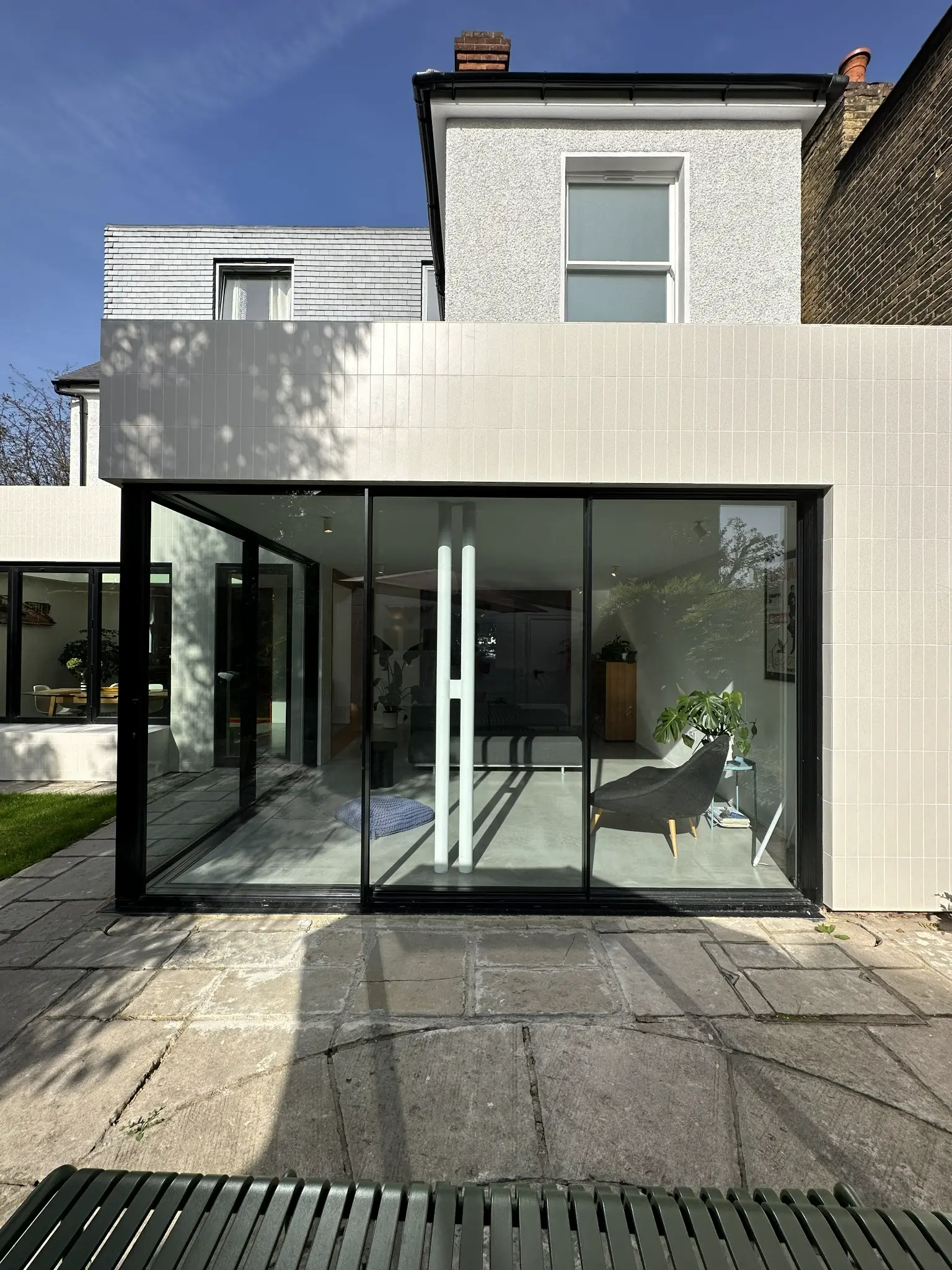
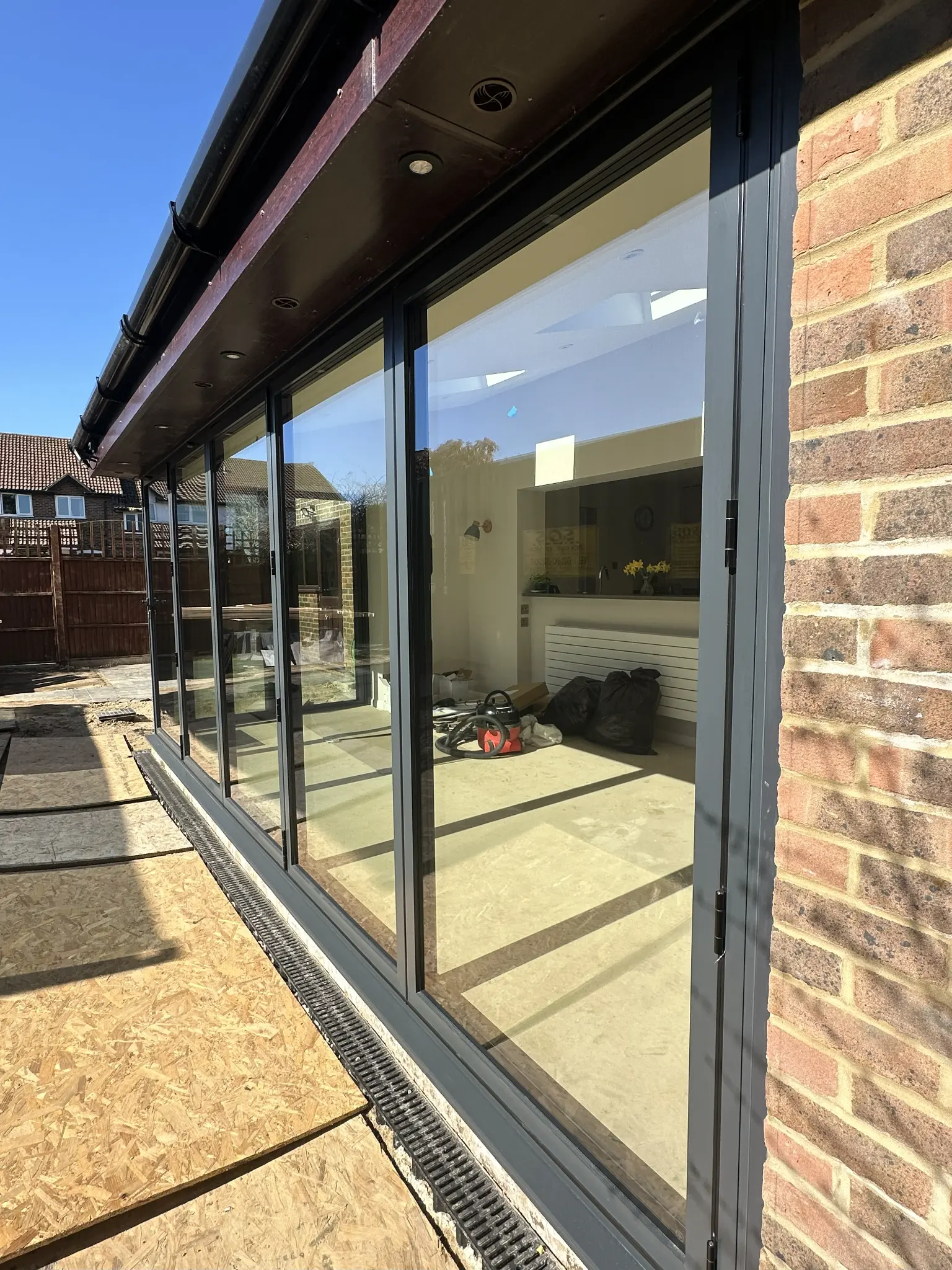
While the primary goal of UK glazing is to keep heat in during the winter, managing solar gain (the heat entering the building from the sun) is also crucial, particularly in large glazed areas like conservatories, bi-fold doors, or south-facing elevations.
Understanding G-Value
The G-value (or Solar Heat Gain Coefficient) measures the fraction of incident solar radiation that enters the building as heat. A G-value of 1.0 means all solar energy passes through; a G-value of 0.0 means none passes through.
- For Winter Efficiency: A relatively high G-value (around 0.6 to 0.7) is desirable to maximise passive solar heating during colder months.
- For Summer Overheating: In large glazed areas, a lower G-value (around 0.3 to 0.4) may be necessary to prevent overheating, often achieved using specific solar control coatings.
Choosing the right balance is key. In the UK, standard Low-E glass typically offers a good compromise, providing high thermal retention (low U-value) while still allowing beneficial solar gain in winter. However, for modern extensions with vast amounts of glass, a dedicated solar control coating might be essential for year-round comfort.
Choosing the Right Installer and System
The performance of energy-efficient glazing relies heavily on correct installation. Even the highest specification window will fail to perform if installed poorly, leading to air leakage and thermal bridging.
Accreditation and Certification
Ensure your chosen installer is registered with a competent person scheme like FENSA or CERTASS. This guarantees that the work complies with Part L of the Building Regulations without the need for separate local authority approval. They will issue a certificate proving compliance, which is essential if you ever sell your property.
Long-Term Performance
Look for guarantees on the sealed units (typically 10 years). Premature failure of the seal can lead to 'misting' between the panes, compromising the gas fill and the overall U-value. Reputable suppliers use high-quality sealants and manufacturing processes to ensure longevity.
By understanding U-values, the role of Low-E coatings, and the requirements set out in UK Building Regulations, homeowners can make informed decisions that lead to significant long-term energy savings and a more comfortable home environment.
About Shard AG
If you are planning an energy efficiency upgrade for your home, Shard AG specialises in providing bespoke, high-performance architectural glazing solutions across the UK. We focus on delivering systems that meet or exceed current Part L Building Regulations, utilising the latest in Low-E glass technology and thermally broken frames to ensure optimal U-values and long-term energy savings. Contact us today to discuss how our range of double and triple-glazed windows, bi-fold doors, and curtain wall systems can transform the thermal performance of your property.
Explore Our Products
Discover how Shard Architectural Glazing can transform your home with our premium glazing solutions:
Ready to Transform Your Home?
Get in touch with our expert team for a free consultation and personalised quote. We'll help you choose the perfect glazing solution for your property.