
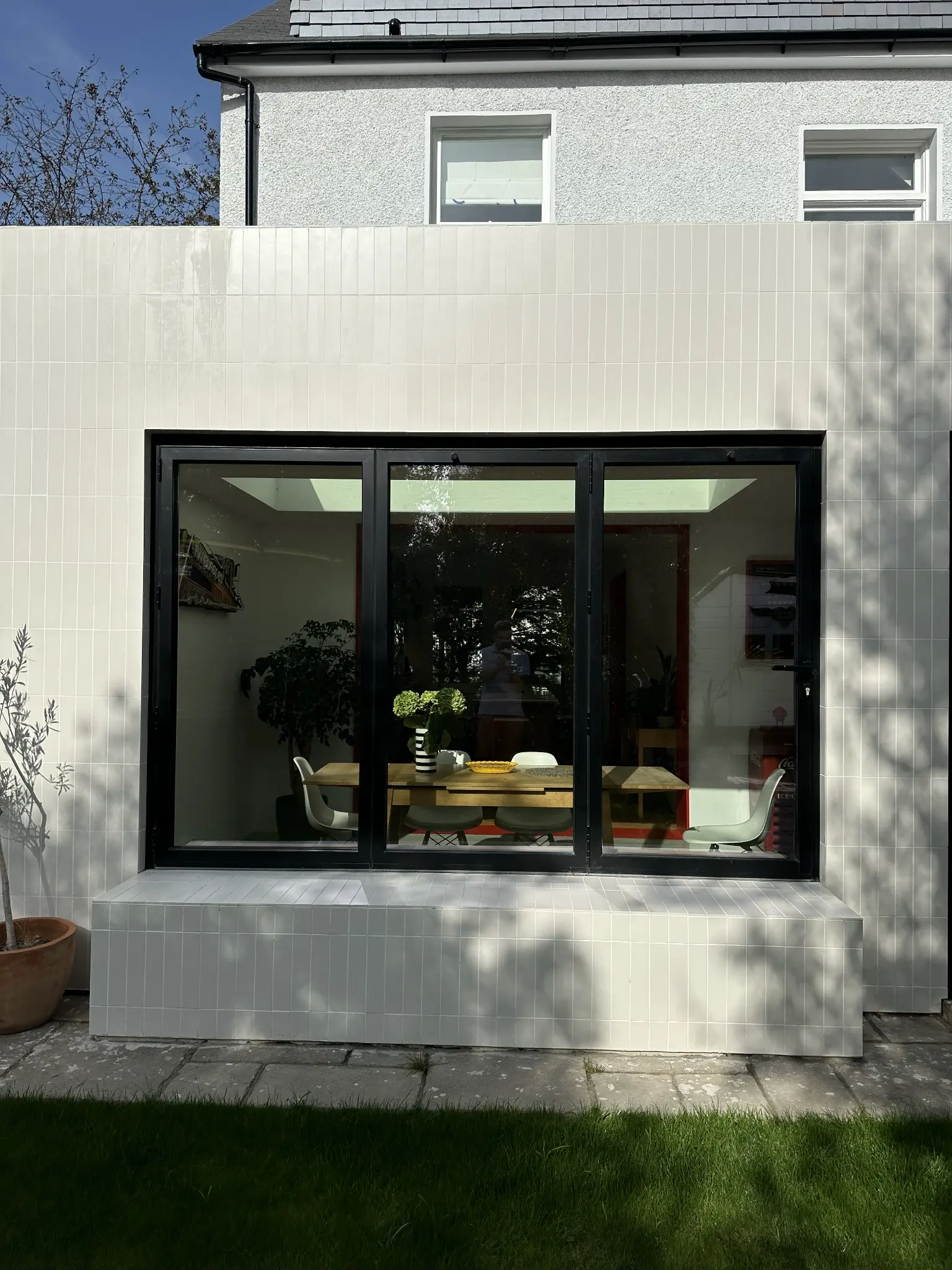
Maximising Space & Light with Glass Doors in Your UK Home
Discover how glass doors can transform your UK home, enhancing space, light, and functionality. Explore types, benefits, regulations, and practical tips.

Shard Architectural Glazing
5 March 2026
Discover how glass doors can transform your UK home, enhancing space, light, and functionality. Explore types, benefits, regulations, and practical tips.
📋In This Article
In the often-compact landscape of UK homes, optimising every square inch of space is a perpetual challenge. Homeowners are increasingly seeking innovative solutions to create a sense of openness, maximise natural light, and improve the flow between rooms without resorting to costly extensions. One of the most effective and aesthetically pleasing ways to achieve this is through the strategic use of glass doors.
From internal partitions to external entrances, glass doors offer a unique blend of functionality and style. They can visually expand rooms, connect indoor and outdoor spaces, and introduce an abundance of natural light, all while maintaining necessary divisions. This comprehensive guide will delve into the various types of glass doors suitable for UK homes, their benefits, key considerations for installation, and how they interact with important UK Building Regulations.
The Transformative Power of Glass Doors
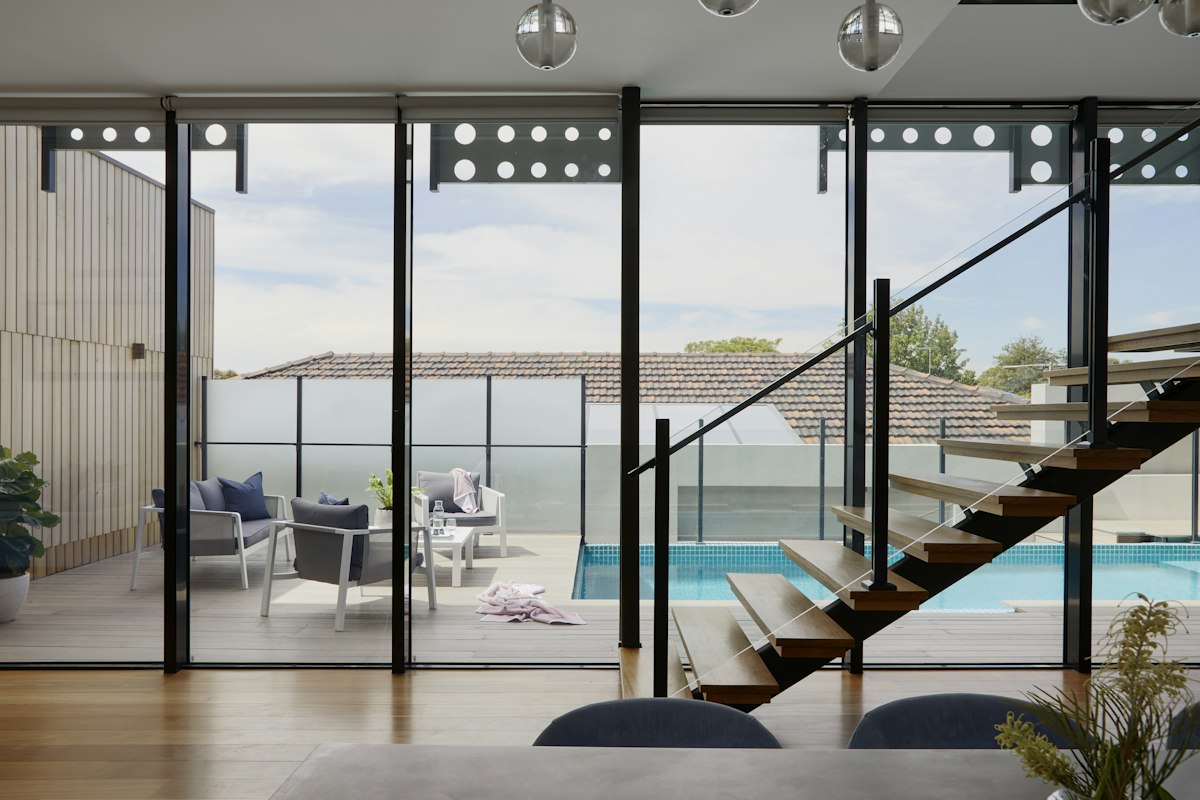
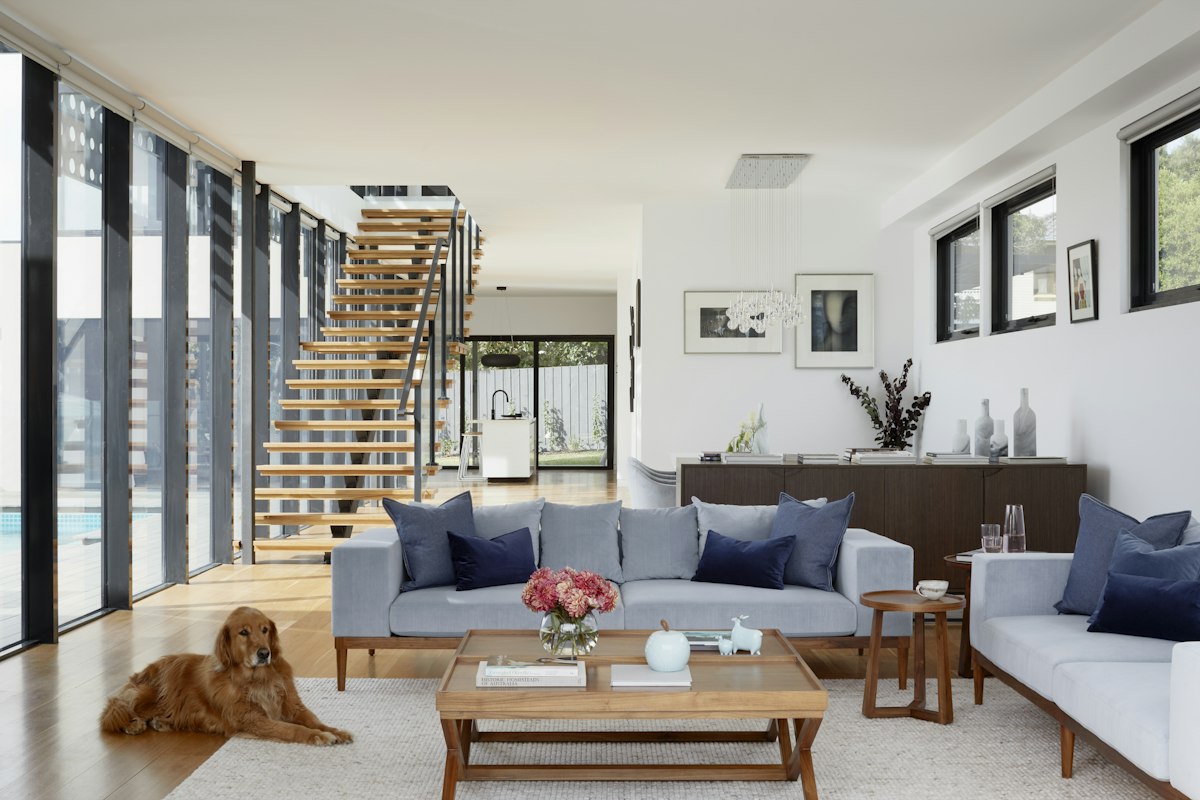
Glass doors are far more than just entryways; they are architectural elements that can fundamentally alter the perception and functionality of a living space. Their inherent transparency allows light to penetrate deeper into a property, reducing reliance on artificial lighting and creating a brighter, more inviting atmosphere. Visually, they blur the lines between areas, making even small rooms feel larger and more connected.
Key Benefits of Incorporating Glass Doors:
Enhanced Natural Light
Glass doors allow sunlight to flood interiors, brightening dim areas and reducing the need for artificial lighting during the day. This can lead to energy savings and improved mood.
Visual Space Expansion
By offering an unobstructed view, glass doors create an illusion of greater depth and openness, making smaller rooms feel significantly larger and less confined.
Improved Flow & Connectivity
They seamlessly connect different areas of your home, whether between internal rooms or linking indoor living spaces with gardens and patios, fostering a sense of continuity.
Modern Aesthetic Appeal
With sleek lines and minimalist frames, glass doors contribute to a contemporary and sophisticated aesthetic, elevating the overall design of your property.
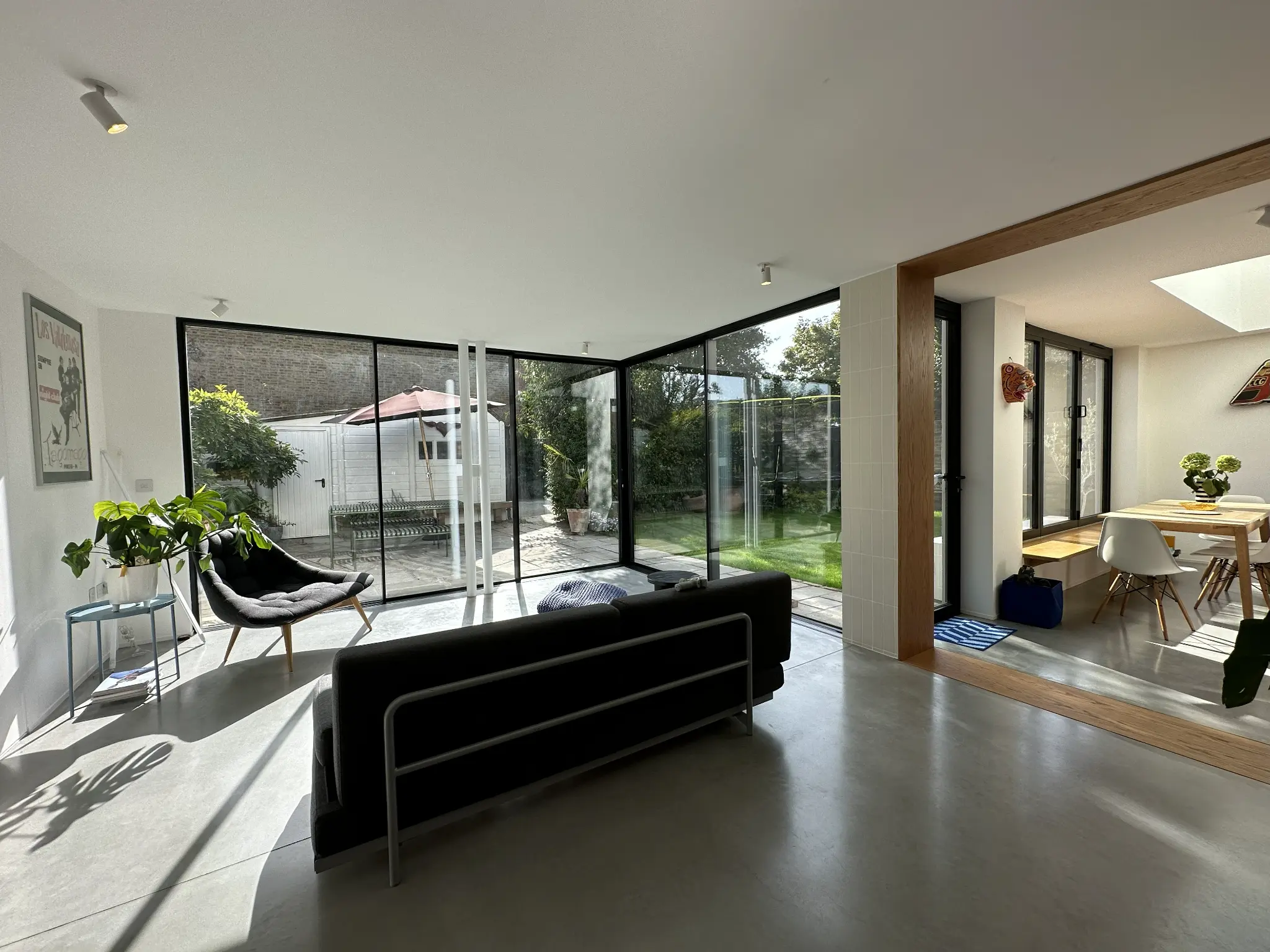
Types of Glass Doors for UK Homes
The versatility of glass doors means there's a style to suit almost any application, from internal room dividers to external facades. Understanding the different types is crucial for making an informed decision.
1. Internal Glass Doors
- Hinged Glass Doors: Standard single or double doors, often frameless or with slim frames, allowing light to pass through while providing privacy. Ideal for studies, dining rooms, or en-suite bathrooms where a visual connection is desired without sacrificing acoustic separation.
- Sliding Glass Doors: These doors glide along a track, either parallel to a wall or into a pocket within the wall (pocket doors). They are excellent space-savers as they don't require a swing radius. Perfect for kitchens, bathrooms, or connecting two living areas.
- Folding/Bi-fold Glass Doors: Consisting of multiple panels that fold back concertina-style, these are fantastic for creating large openings. While more commonly seen externally, internal bi-folds can be used to divide large open-plan spaces, offering flexibility to open or close off areas as needed.
- Pivot Doors: Mounted on a pivot point at the top and bottom, rather than hinges on the side. These can create a dramatic design statement and accommodate very wide or tall openings, though they do require some swing space.
2. External Glass Doors
- French Doors: A classic choice, typically two hinged doors that open outwards or inwards, often with multiple glass panes (lights). They offer a traditional aesthetic and provide a good connection to the garden.
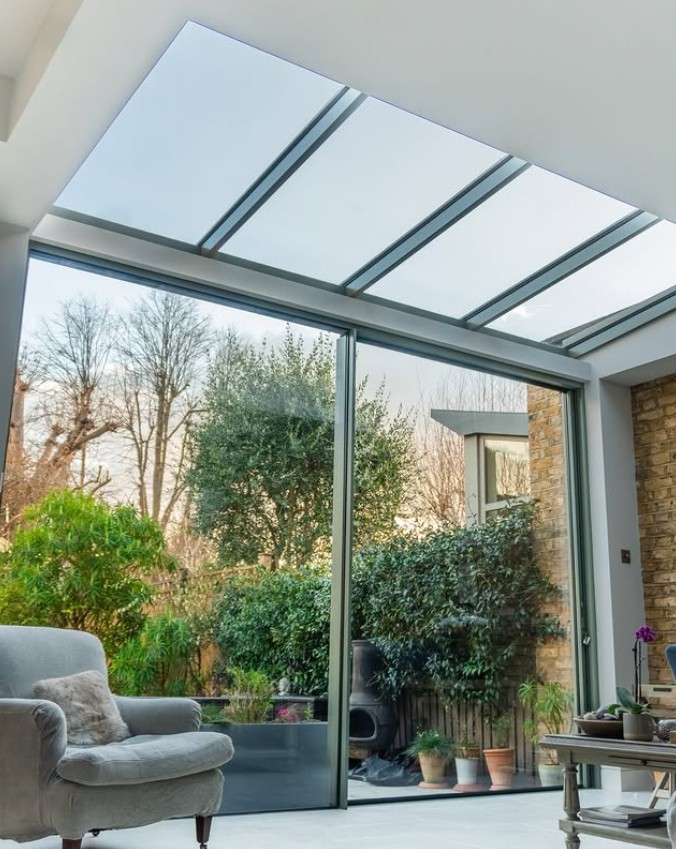
- Sliding Patio Doors: Similar to internal sliding doors but built to withstand external weather conditions. They offer large expanses of glass and are ideal for maximising views and light without encroaching on patio space.
- Bi-fold Doors: Extremely popular for connecting living spaces to gardens. They can open up an entire wall, creating a seamless transition between indoor and outdoor living, especially beneficial during warmer months.
- Lift & Slide Doors: A premium version of sliding doors, where the door panel is slightly lifted off its seals before sliding, offering superior thermal performance and smoother operation for very large and heavy panels.
Pro Tip
When selecting internal glass doors, consider the level of privacy required. Obscure, frosted, or reeded glass can provide privacy while still allowing light transmission. For external doors, always prioritise security and thermal performance.
UK Building Regulations and Technical Considerations
Installing glass doors, especially external ones or those affecting structural elements, requires careful consideration of UK Building Regulations. Compliance is not just about legality; it ensures safety, energy efficiency, and structural integrity.
1. Thermal Performance (Part L - Conservation of Fuel and Power)
For external glass doors, thermal performance is paramount. Building Regulations Part L (2022 England) sets stringent U-value requirements to minimise heat loss. A lower U-value indicates better insulation.
- New Build Homes: Windows and doors must achieve a maximum U-value of 1.2 W/m²K.
- Replacement Doors/Windows: For existing homes, replacement external doors must achieve a maximum U-value of 1.4 W/m²K.
Achieving these values typically requires double or triple glazing with low-emissivity (low-e) coatings, warm edge spacer bars, and inert gas (like Argon) infills. The frame material also plays a significant role, with thermally broken aluminium or composite frames offering excellent performance.
2. Safety Glazing (Part K - Protection from Falling, Collision and Impact)
All glass in critical locations must be safety glass to prevent injury in case of breakage. Critical locations include:
- Doors or side panels within 300mm of the door edge, where the glass goes below 800mm from floor level.
- Any glass within 800mm of floor level in a door or side panel.
- Any glass in a door or side panel that forms part of a barrier.
Safety glass is typically toughened glass (which shatters into small, relatively harmless pieces) or laminated glass (which holds together when broken). All glass should comply with British Standard BS EN 12150 (toughened) or BS EN ISO 12543 (laminated).
3. Ventilation (Part F - Ventilation)
When replacing external doors or windows, it's typically required that the new installation maintains or improves the existing ventilation provision. This often means incorporating trickle vents into the frame, even if the original door didn't have them. This ensures adequate air circulation and helps prevent condensation and mould.
4. Structural Considerations
For large external door systems like bi-folds or lift & slide doors, especially those replacing a significant portion of a wall, structural calculations by a qualified engineer may be necessary. A lintel or steel beam (RSJ) might be required to support the load above the opening. Always consult with a structural engineer and your local Building Control department before undertaking such work.
5. Security (Part Q - Security)
External doors must offer adequate security against unauthorised access. This typically means multi-point locking systems, robust frames, and laminated security glass. Doors should comply with PAS 24:2016 (Enhanced Security Performance Requirements for Doorsets and Windows).
Pro Tip
Always engage a reputable installer who can provide FENSA or CERTASS certification for external door installations. This confirms compliance with Building Regulations and provides an insurance-backed guarantee.
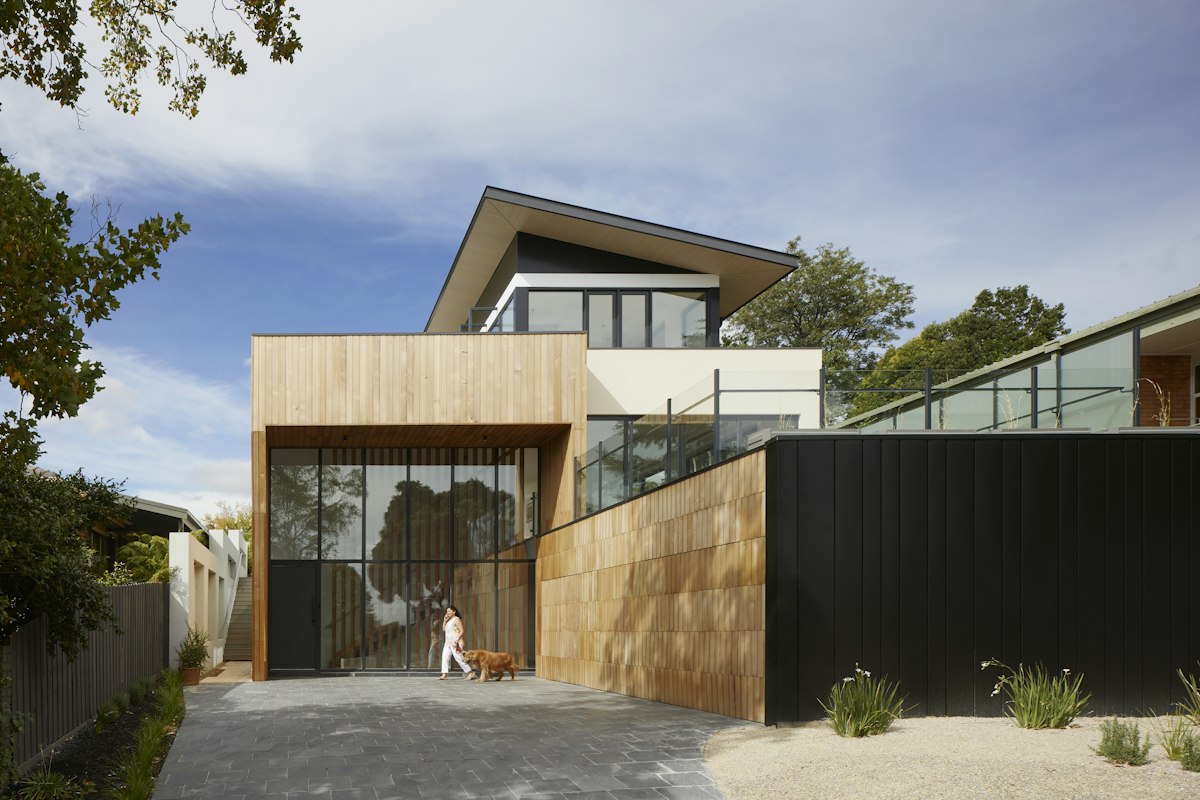
Comparison of Popular External Glass Door Types
Choosing the right external glass door involves balancing aesthetics, performance, and budget. Here's a comparison of common options:
| Feature | French Doors | Sliding Patio Doors | Bi-fold Doors | Lift & Slide Doors |
|---|---|---|---|---|
| Opening Style | Hinged, swing open | Panels slide horizontally | Panels fold and slide | Panels lift, then slide |
| Space Requirement | Requires swing space | Minimal internal/external space | Requires stacking space at one/both ends | Minimal internal/external space |
| Opening Size | Limited (typically 1.2-2.4m) | Medium to Large (up to 6m+) | Very Large (up to 10m+) | Very Large (up to 12m+) |
| Unobstructed View | Good, but central frame | Excellent, large glass panels | Excellent, full opening possible | Excellent, very large glass panels |
| Thermal Performance | Good (depends on frame) | Good to Excellent | Good to Excellent | Excellent (superior seals) |
| Security | Good (multi-point locks) | Good (anti-lift mechanisms) | Good (multi-point locks) | Excellent (heavy duty locks) |
| Cost (Indicative) | ££ | ££ - £££ | £££ - ££££ | ££££ |
Design and Installation Considerations
Beyond the technical aspects, several design and practical considerations will influence your choice and the success of your glass door project.
Frame Materials
- Aluminium: Popular for its strength, slim sightlines, durability, and low maintenance. Excellent for modern aesthetics and large spans. Can be thermally broken for good insulation.
- uPVC: Cost-effective, good thermal performance, and low maintenance. Available in various colours but can have thicker frames, potentially reducing glass area.
- Timber: Offers a natural, traditional look. Good insulation properties but requires more maintenance. Can be expensive.
- Composite: Combines materials (e.g., timber internally, aluminium externally) for the best of both worlds – aesthetics, durability, and thermal performance, but at a higher cost.
Glass Specification
Consider more than just U-values. Other options include:
- Solar Control Glass: Reduces heat gain from direct sunlight, preventing overheating in south-facing rooms.
- Acoustic Glass: Designed to reduce noise transmission, ideal for homes near busy roads or airports.
- Self-cleaning Glass: Features a special coating that uses sunlight and rain to break down and wash away dirt.
- Integral Blinds: Blinds sealed within the double-glazed unit, offering privacy and shade without dust accumulation.
Thresholds and Accessibility
For external doors, consider the threshold. A flush threshold creates a seamless transition, ideal for accessibility (e.g., wheelchair users) and a modern aesthetic. However, flush thresholds require excellent drainage solutions to prevent water ingress. A low threshold offers a compromise, providing good weather protection with minimal step-over.
Maintenance
Glass doors generally require minimal maintenance – regular cleaning of glass and frames. Lubrication of moving parts (tracks, hinges) will ensure smooth operation and longevity. Check seals periodically for signs of wear.
Conclusion and Expert Advice
Glass doors are an invaluable asset for any UK homeowner looking to enhance their living space. They offer a powerful combination of increased light, visual space, and contemporary aesthetics, making them a smart investment for both comfort and property value.
However, successful implementation hinges on careful planning and adherence to technical specifications and Building Regulations. Always prioritise safety, thermal performance, and security, especially for external installations. Consulting with experienced professionals is highly recommended to ensure your chosen glass doors are perfectly suited to your home's needs and comply with all relevant standards.
If you're considering maximising your home's space and light with high-quality glass doors, Shard Architectural Glazing specialises in bespoke solutions for UK properties. Our expert team can guide you through the selection, design, and installation process, ensuring your project meets the highest standards of performance, compliance, and aesthetic appeal. Contact us today to discuss your vision and discover how we can transform your home.
Explore Our Products
Discover how Shard Architectural Glazing can transform your home with our premium glazing solutions:
Ready to Transform Your Home?
Get in touch with our expert team for a free consultation and personalised quote. We'll help you choose the perfect glazing solution for your property.