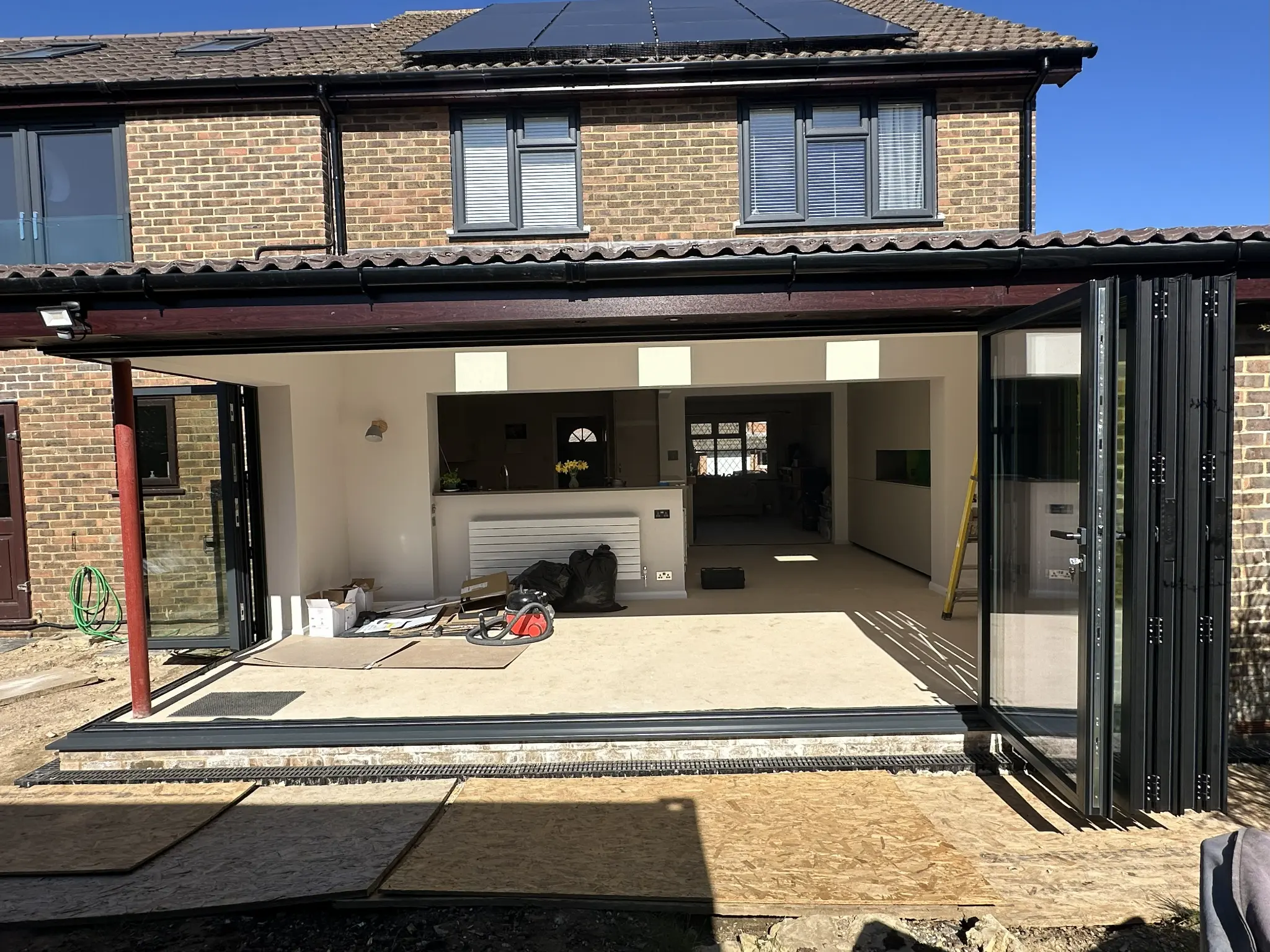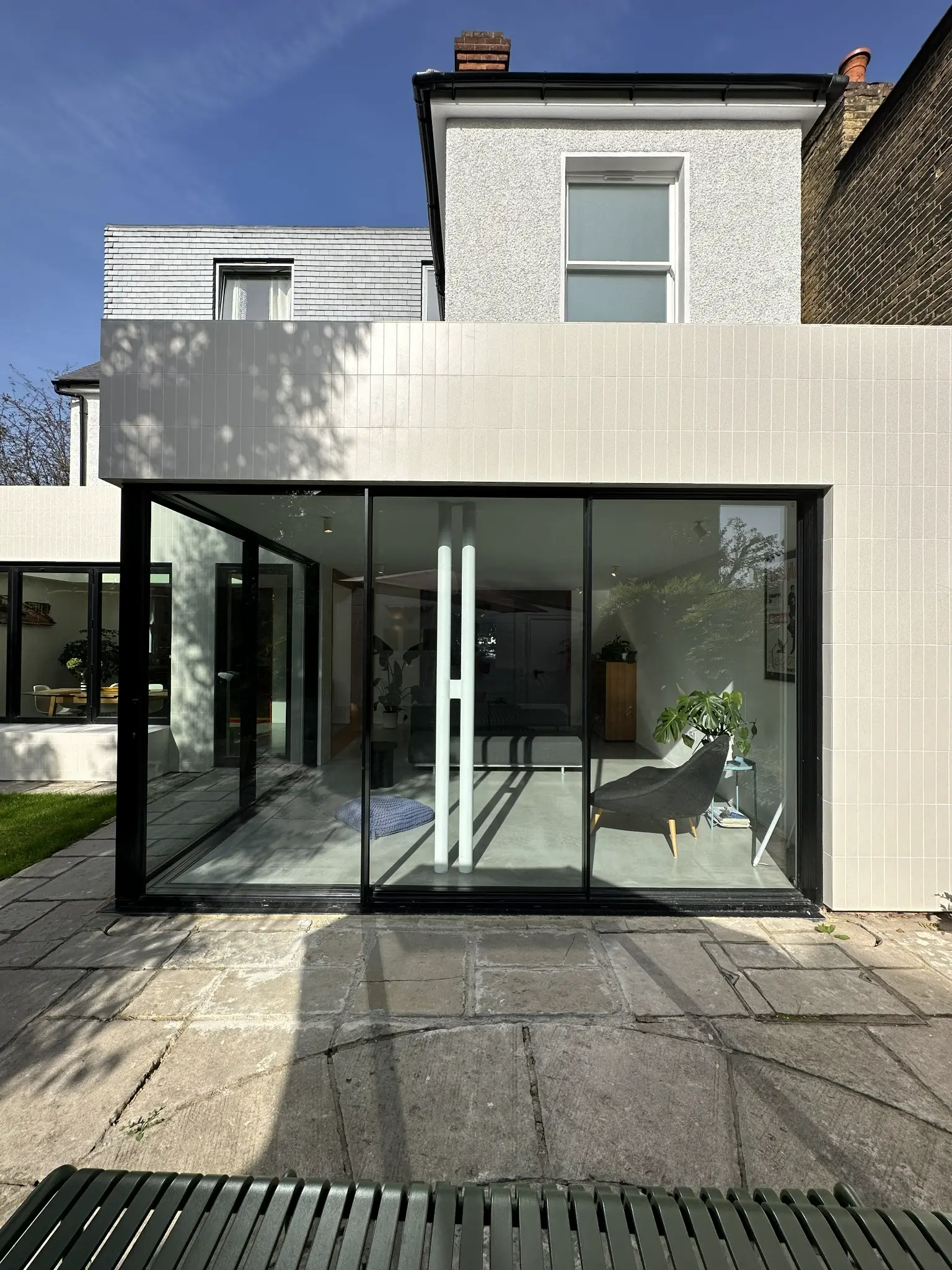


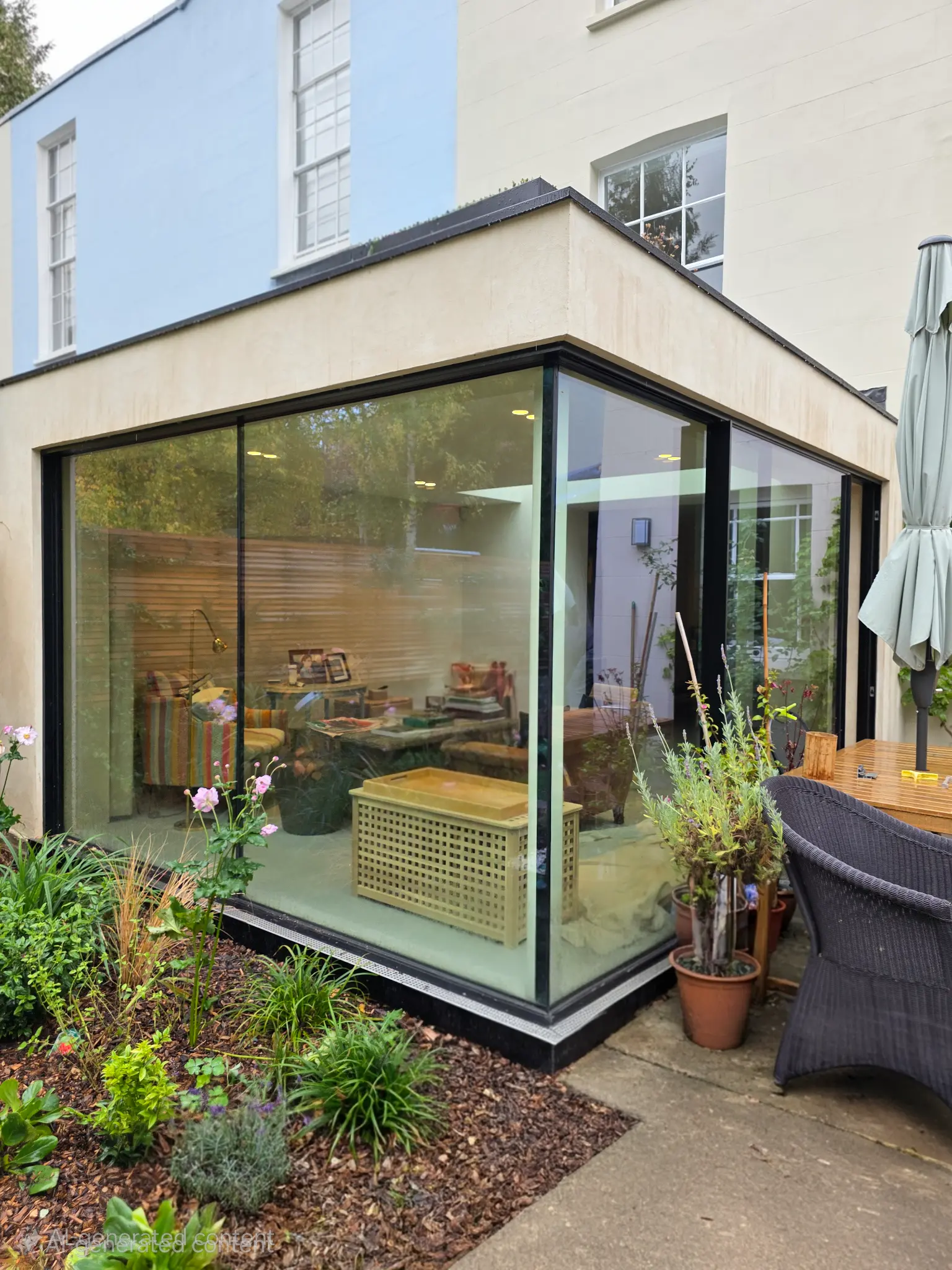

Corner sliding doors, often referred to as 'open corner' or 'floating corner' systems, represent a pinnacle of modern architectural glazing. Unlike traditional sliding or bi-fold doors that terminate against a wall or fixed frame, these innovative systems meet at a 90-degree angle, allowing the entire corner post to be removed when the doors are open. This creates an unparalleled seamless transition between indoor and outdoor living spaces.
For UK homeowners undertaking ambitious renovation or self-build projects, understanding the technical specifications and practical implications of corner sliding doors is crucial. This guide delves into the benefits, design considerations, and regulatory requirements essential for successful installation.
Design and Architectural Impact
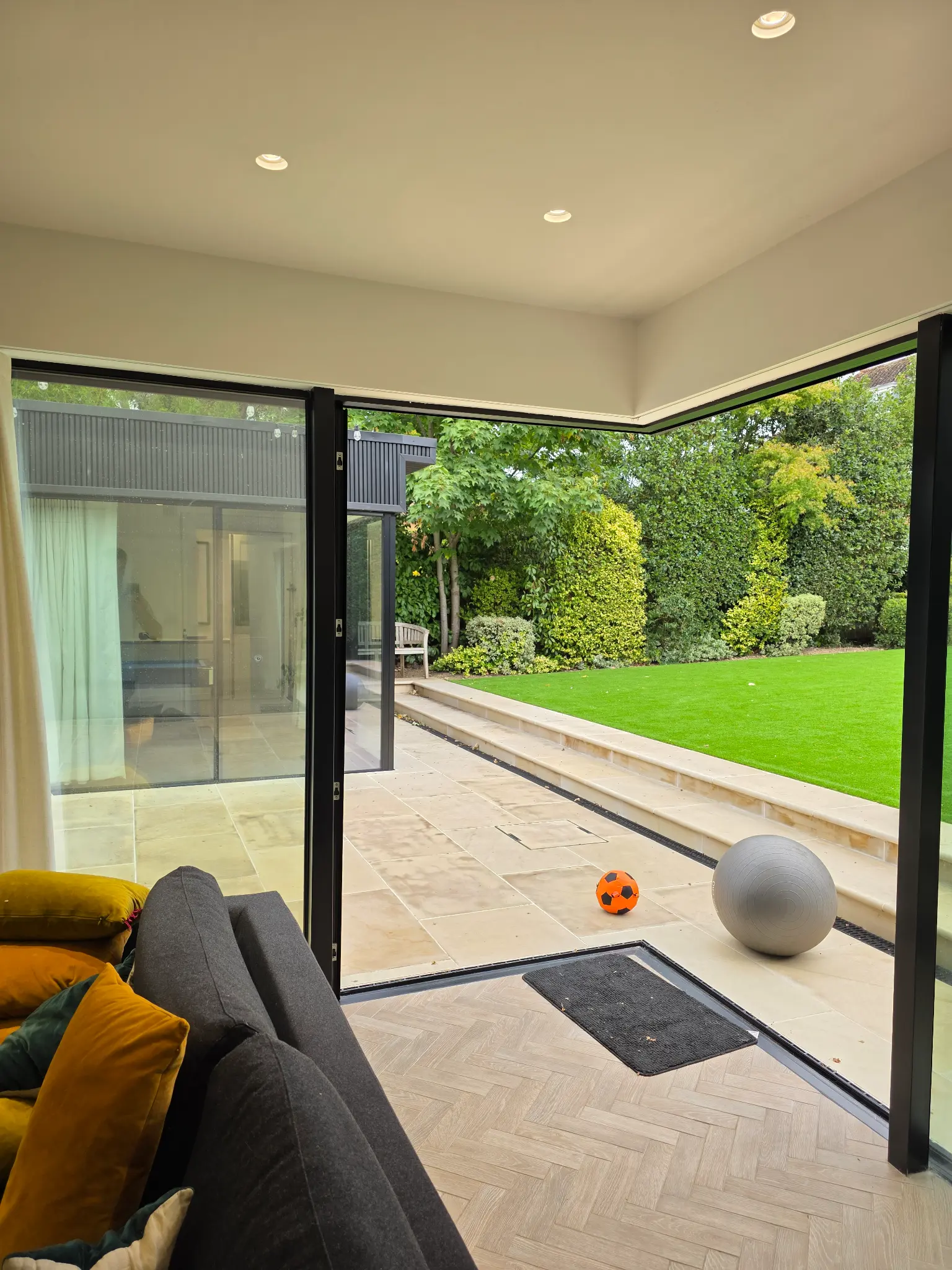
The primary appeal of corner sliding doors lies in their dramatic aesthetic impact. By eliminating the fixed corner post, they offer a truly unobstructed, panoramic view, fundamentally changing how a room interacts with its environment. This design choice is particularly effective in spaces that overlook gardens, patios, or scenic views.
Creating the 'Floating Roof' Effect
When the doors are fully retracted, the structure above appears unsupported, giving the impression of a 'floating roof'. This architectural feature adds significant visual drama and sophistication to any property. It effectively blurs the lines between the interior and the exterior, making the internal space feel considerably larger and brighter.
- Enhanced Natural Light: Maximising glazing area, even when closed, ensures optimal daylight penetration deep into the floor plan.
- Seamless Flow: The uninterrupted opening facilitates easy movement, ideal for entertaining or creating a continuous flow between kitchen/dining areas and external patios.
- Panoramic Views: Offers a 270-degree visual connection to the outdoors, transforming the room's atmosphere.
Unrivalled Views
Elimination of the corner post provides a completely unobstructed, panoramic vista, enhancing connection to the garden or landscape.
Structural Elegance
Achieving the 'floating corner' look adds significant architectural value and a high-end, bespoke feel to the property.
Maximized Space
The wide opening capability makes indoor and outdoor areas function as a single, large living space, perfect for social gatherings.
Thermal Performance
Modern systems are designed to meet stringent UK U-value requirements, ensuring excellent energy efficiency despite the large glazed area.
Technical and Structural Considerations
While the aesthetic benefits are clear, the successful installation of corner sliding doors hinges on meticulous technical planning, particularly regarding structural support.
The Role of the Corner Post
In standard construction, the corner of a building is a critical load-bearing point. When opting for a corner sliding system, the structural load normally borne by the corner column must be transferred elsewhere. This requires careful engineering.
Typically, a heavy-duty steel or engineered timber beam (often an I-beam or RSJ - Rolled Steel Joist) is installed above the opening. This beam must span the entire width and length of the opening and be adequately supported by robust posts or piers at the edges of the door tracks. The structural engineer must calculate the precise load requirements to ensure the beam can support the roof and any upper floors without deflection.
Pro Tip
Always engage a qualified Structural Engineer early in the design process. They must specify the exact dimensions and material of the lintel/beam required to manage the load transfer. This specification is mandatory for Building Control approval and ensuring long-term structural integrity.
Drainage and Thresholds
Achieving a truly seamless transition often involves a flush threshold. While aesthetically pleasing, this requires careful consideration of drainage, especially in the unpredictable UK climate. Water ingress is a major risk if not managed correctly.
- External Drainage Channels: A robust external drainage system, such as a linear channel drain, must be installed immediately outside the flush threshold to manage surface water runoff effectively.
- Weather Rating: Ensure the chosen sliding system has excellent weather resistance (air permeability, water tightness, and wind load resistance) appropriate for the specific site exposure.
- Sub-Frame Installation: The doors must be installed onto a correctly prepared, level, and waterproof sub-frame to prevent moisture migration into the structure.
Compliance with UK Building Regulations Part L
Energy efficiency is paramount in UK construction. Any new or replacement glazing must comply with Part L (Conservation of Fuel and Power) of the Building Regulations, specifically regarding thermal performance (U-values).
U-Value Requirements
The U-value measures how effectively a component prevents heat loss (lower is better). For domestic projects in England (following the 2022 uplift):
| Project Type | Component | Maximum U-Value (W/m²K) |
|---|---|---|
| New Build | Windows and Doors | 1.2 |
| Replacement/Extension | Windows and Doors | 1.4 |
| New Extension Walls | Walls | 0.18 |
Due to the large expanse of glass, achieving these targets with corner sliding doors requires high-specification materials:
- Glazing: Must be high-performance double glazing (typically with Low-E coatings and Argon gas filling) as a minimum. Triple glazing may be necessary for very large openings or to meet the 1.2 W/m²K target in new builds.
- Frames: Aluminium frames are popular for their strength and slim sightlines but must incorporate robust thermal breaks (polyamide strips) to prevent heat conduction through the metal.
It is essential to obtain documentation from the supplier confirming the system's calculated U-value to present to Building Control.
Practical Design and Operation Options
Corner sliding doors come in various configurations, impacting both the aesthetic and the practical operation.
Pocket vs. Surface Sliding
The way the panels stack when open dictates the required space:
- Surface Stacking: The panels stack neatly against an adjacent external wall. This is the simplest option but requires sufficient external wall space for the stack.
- Pocket Sliding (Hidden): The panels slide into a cavity built within the adjacent wall structure. This offers a completely clear opening with zero visual obstruction from the stacked panels. However, pocket systems are significantly more complex and expensive, requiring substantial structural work to create the wall cavity and ensure waterproofing.
Configuration and Panel Count
Corner systems typically involve two separate tracks meeting at the corner. Common configurations include:
- 2+2 Configuration: Two panels sliding one way, and two sliding the other, meeting at the corner.
- Lift and Slide Mechanism: High-quality systems often use a 'lift and slide' mechanism. The handle mechanism lifts the heavy door panel slightly off the track seals before sliding. This provides superior weather sealing and easier operation for very large, heavy glass panels.
Maintenance and Longevity
Investing in a high-quality corner sliding system ensures longevity, but regular maintenance is key to smooth operation.
- Track Cleaning: The bottom track, especially in flush threshold installations, can accumulate dirt, grit, and debris. Regular cleaning is vital to prevent damage to the rollers and ensure easy sliding.
- Hardware Checks: Periodically check the rollers, handles, and locking mechanisms for alignment and wear.
- Seals and Gaskets: Inspect weather seals and gaskets annually. Exposure to UV light and temperature fluctuations can cause degradation, compromising the system's thermal and weather performance.
While corner sliding doors offer unparalleled architectural freedom, homeowners must be prepared for the increased complexity and associated costs compared to standard glazing. The need for specialist structural engineering, high-performance glazing, and meticulous installation means these systems represent a significant investment, but one that delivers substantial aesthetic and lifestyle rewards.
If you are planning an extension or renovation in the UK and wish to explore the potential of corner sliding doors, consulting with glazing experts who understand the stringent requirements of UK Building Regulations and structural engineering is the essential first step.