


Maximising Space: The UK Homeowner's Guide to Glass Doors
Discover how glass doors can transform your UK home, enhancing light, space, and flow. Learn about types, regulations, and practical considerations.

Shard Architectural Glazing
14 January 2026
Discover how glass doors can transform your UK home, enhancing light, space, and flow. Learn about types, regulations, and practical considerations.
📋In This Article
In the often-compact world of UK homes, every square foot counts. Homeowners are constantly seeking innovative ways to make their living spaces feel larger, brighter, and more functional. One increasingly popular solution is the strategic use of glass doors. Far beyond mere entryways, glass doors are powerful architectural elements that can revolutionise how you perceive and utilise your home's footprint.
This comprehensive guide will delve into the world of glass doors, exploring their various types, the benefits they offer, crucial UK Building Regulations, and practical considerations for their installation and maintenance. Our aim is to provide you with the expert knowledge needed to make informed decisions for your property.
The Power of Transparency: Why Choose Glass Doors?
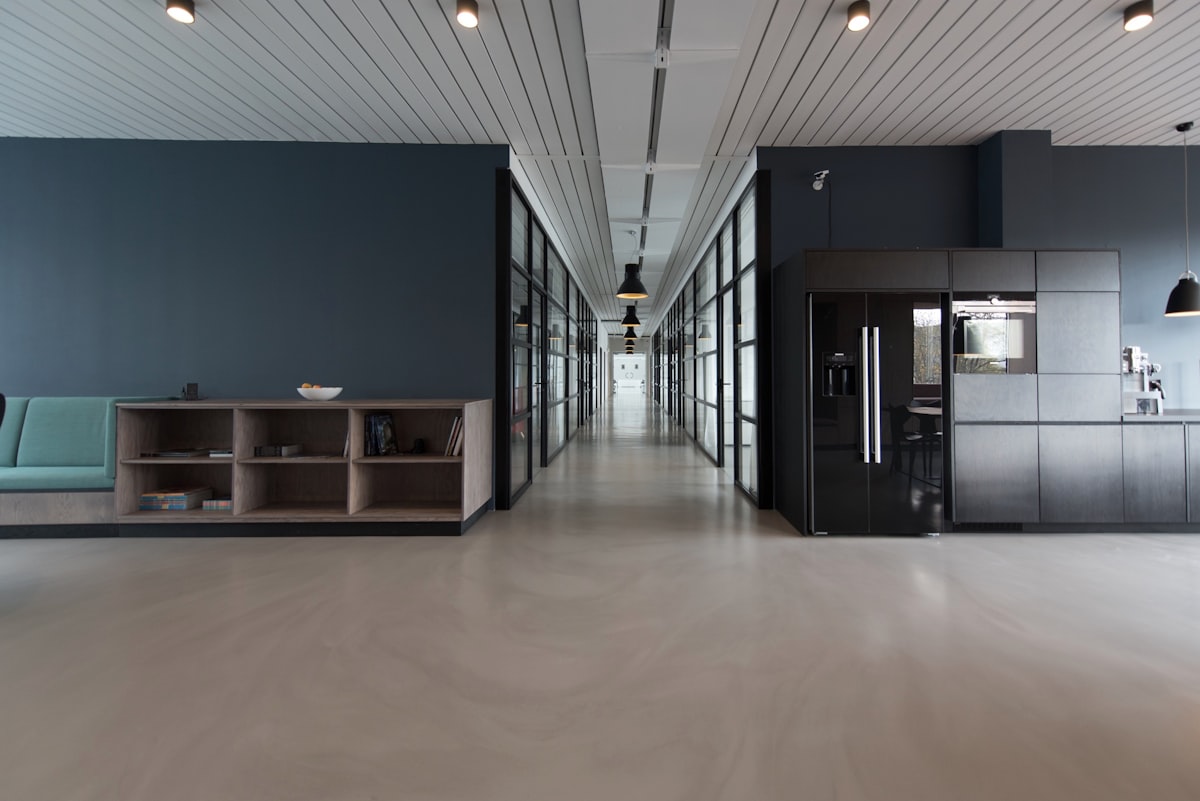
The primary appeal of glass doors lies in their ability to foster a sense of openness and connectivity. Unlike solid doors that create visual barriers, glass allows light to penetrate deeper into a property and offers uninterrupted sightlines, making rooms feel significantly larger than their physical dimensions.
Enhanced Natural Light
Glass doors maximise the ingress of natural daylight, reducing reliance on artificial lighting and creating a more uplifting, healthier indoor environment. This can also lead to energy savings.
Perceived Space Expansion
By allowing views through to adjacent rooms or outdoor areas, glass doors eliminate visual clutter and expand the perceived boundaries of a room, making even small spaces feel more expansive.
Improved Flow & Connectivity
They create a seamless transition between different areas, promoting a better flow within the home. This is particularly beneficial for open-plan living or linking internal spaces with gardens or patios.
Modern Aesthetic Appeal
Glass doors offer a sleek, contemporary aesthetic that can elevate the design of any home, adding a touch of sophistication and modernity.
Types of Glass Doors for UK Homes
The versatility of glass doors means there's a style to suit almost any application, from internal room dividers to external access points. Understanding the different types is key to selecting the right solution for your space.
1. Sliding Glass Doors
- Pocket Doors: These doors slide into a compartment within the adjacent wall, disappearing completely when open. This is the ultimate space-saving solution, ideal for bathrooms, ensuites, or creating flexible open-plan areas. They require sufficient wall cavity space for installation.
- Bypass Doors: Two or more panels slide past each other on a track. Commonly used for wardrobes or as room dividers where full opening isn't required.
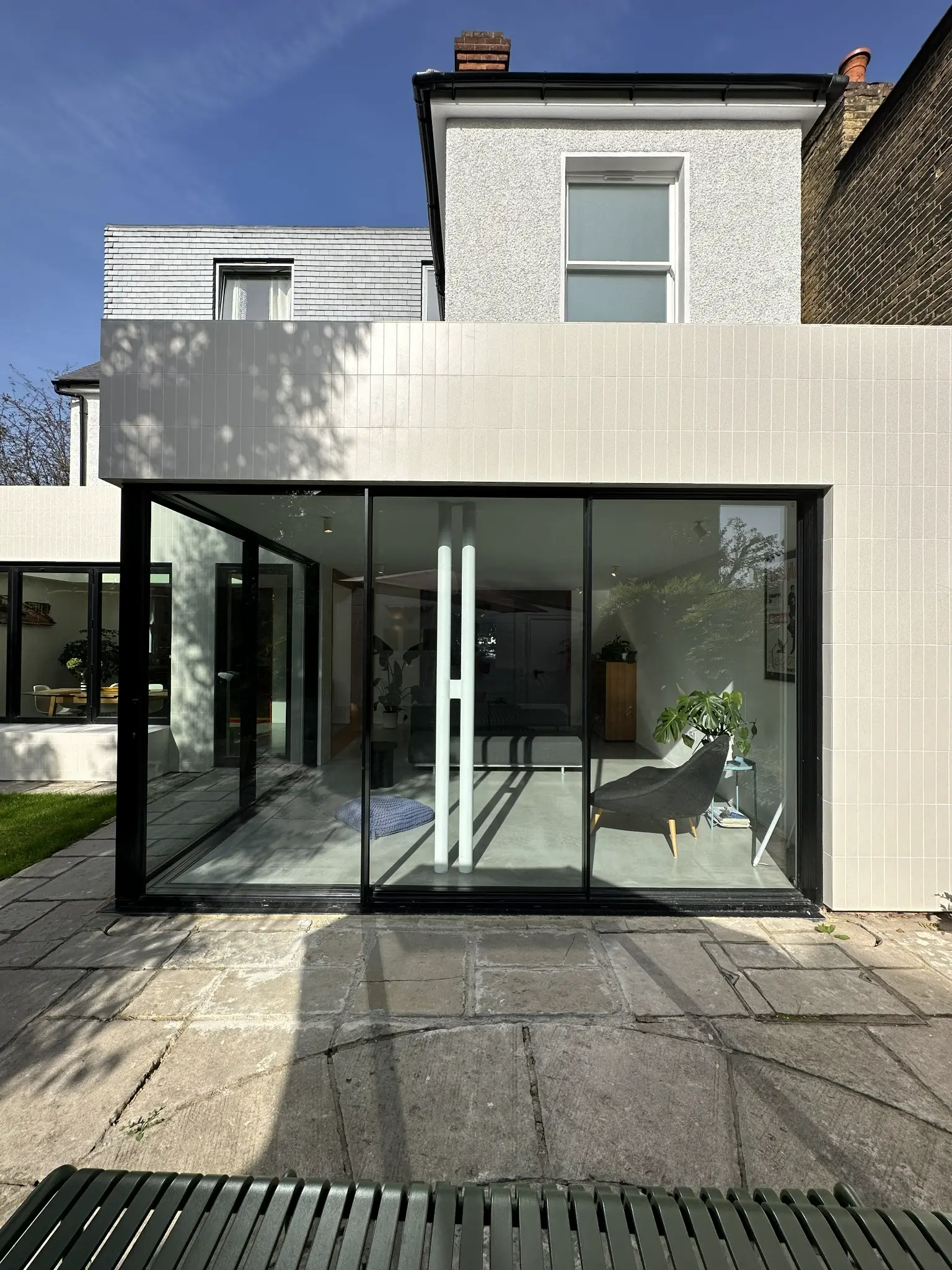
- Patio/French Doors (Sliding): Often found as external doors, these large glass panels slide open, connecting internal living spaces with gardens or patios. Modern versions offer excellent thermal performance.
2. Folding (Bi-Fold) Glass Doors
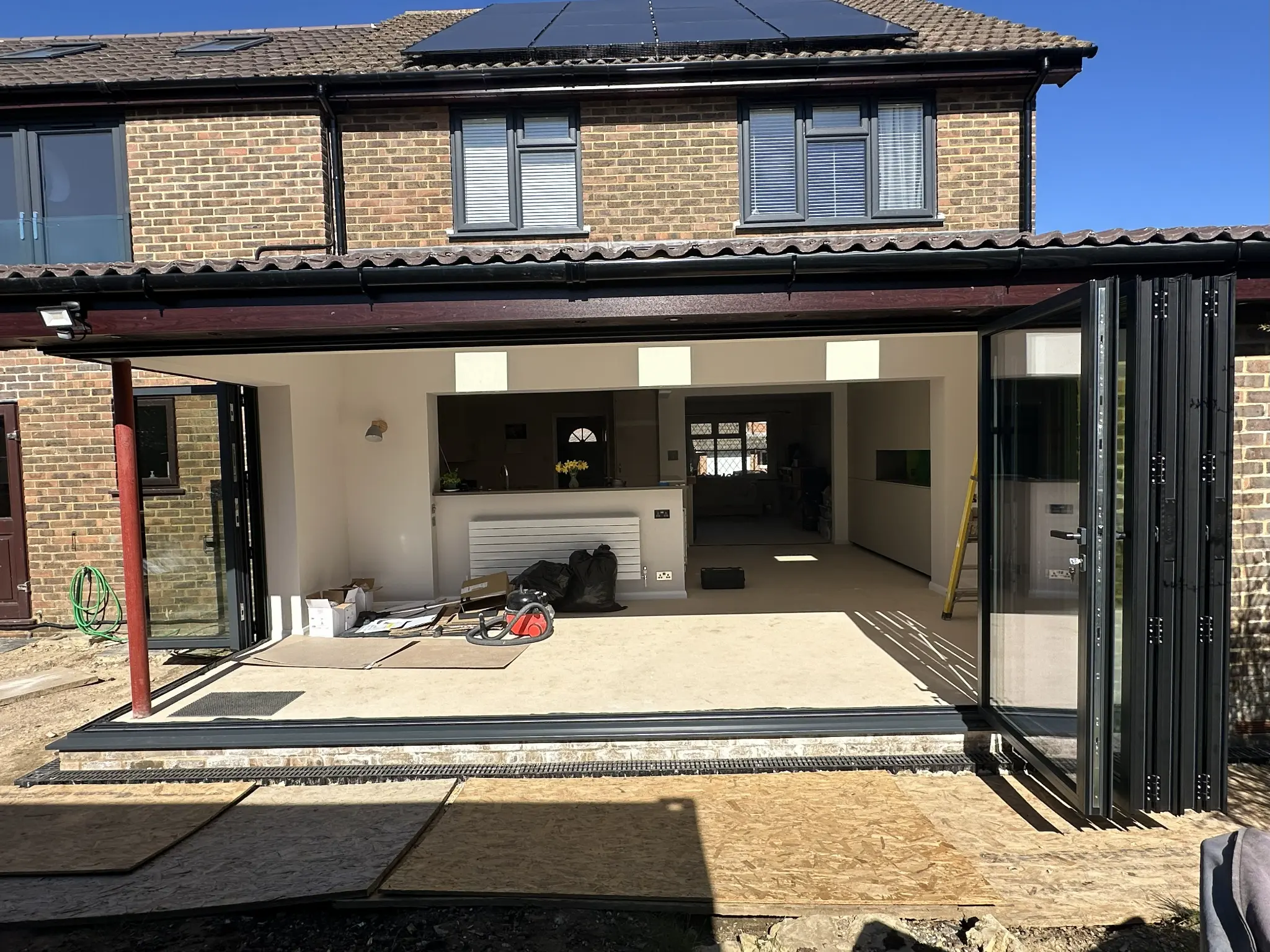
Bi-fold doors consist of multiple panels that fold back concertina-style, stacking neatly to one or both sides of the opening. They are particularly effective for creating wide, unobstructed openings, blurring the lines between indoor and outdoor living. While they offer a grand opening, it's important to consider the space required for the stacked panels.
3. Pivot Glass Doors
Pivot doors rotate on a vertical axis, typically offset from the door frame, rather than traditional hinges. This creates a dramatic, architectural statement and allows for very wide and tall door panels. They require careful planning for the swing radius and can be used internally or externally.
4. Hinged Glass Doors
While traditional hinged doors take up swing space, opting for a fully glazed panel or one with large glass inserts can still significantly increase light transmission compared to a solid door. These are suitable for internal doors where space isn't at an absolute premium but light is desired.
5. Frameless Glass Doors
These doors feature minimal or no visible frame, creating an almost invisible barrier. They are typically made from toughened glass and rely on high-quality hinges or tracks. Frameless options offer the purest aesthetic, maximising light and visual continuity, but can be more expensive and require precise installation.
Critical Considerations: UK Building Regulations & Safety
When installing glass doors, especially in new builds, extensions, or where structural alterations are involved, compliance with UK Building Regulations is paramount. Failure to comply can lead to issues with Building Control, potential enforcement notices, and difficulties when selling your property.
1. Thermal Performance (Part L)
For external glass doors (e.g., patio, bi-fold doors), thermal performance is a key concern. Part L (Conservation of Fuel and Power) of the Building Regulations (England, 2022 edition) sets stringent requirements for U-values:
- New Build Homes: External doors must achieve a U-value of 1.2 W/m²K or better.
- Replacement Doors: External doors must achieve a U-value of 1.4 W/m²K or better.
These values ensure that the doors contribute to the overall energy efficiency of the building, preventing excessive heat loss. Look for doors with features like double or triple glazing, low-emissivity (Low-E) coatings, warm edge spacer bars, and thermally broken frames to meet these standards.
2. Safety Glazing (Part K)
Part K (Protection from Falling, Collision and Impact) dictates where safety glazing must be used to prevent injury. Generally, any glazing in a 'critical location' must be either:
- Toughened (tempered) glass: Breaks into small, relatively harmless pieces.
- Laminated glass: Holds together when shattered due due to an interlayer.
Critical locations include:
- Any glazing in a door or within 300mm of a door edge.
- Any glazing below 800mm from floor level in a window.
- Any glazing below 1500mm from floor level in a door or side panel.
Always ensure your chosen glass doors comply with BS EN 12150 (for toughened glass) or BS EN 14449 (for laminated glass).
3. Structural Integrity
Large glass doors, especially bi-folds or wide sliding systems, can be heavy and require robust support. For external installations, or where existing openings are being enlarged, you may need a new or reinforced lintel. This often falls under structural alterations and will require Building Control approval and potentially a structural engineer's assessment.
4. Ventilation (Part F)
If replacing existing windows or doors, ensure the new installation maintains or improves the ventilation strategy of the room. This might mean incorporating trickle vents into the door frame or adjacent windows.
Pro Tip
Always consult with your local Building Control body or a qualified architect/surveyor early in your project, especially for external glass doors or any structural changes. They can provide specific guidance tailored to your property and ensure full compliance.
Practical Considerations for Installation and Maintenance
Beyond regulations, several practical aspects will influence your choice and the long-term satisfaction with your glass doors.
Frame Materials
The frame material significantly impacts aesthetics, thermal performance, and maintenance requirements.
| Material | Pros | Cons | Typical U-value Contribution |
|---|---|---|---|
| uPVC | Cost-effective, low maintenance, good thermal performance, wide colour range. | Less premium aesthetic, can expand/contract with temperature changes. | Good (e.g., 1.4 W/m²K for typical double glazing) |
| Aluminium | Strong, slim sightlines, contemporary look, durable, low maintenance. | Higher cost than uPVC, requires thermal breaks for good U-values. | Excellent with thermal breaks (e.g., 1.2 W/m²K or better) |
| Timber | Natural aesthetic, excellent thermal insulator, can be painted/stained. | Higher maintenance (repainting/staining), can be more expensive. | Excellent (e.g., 1.2 W/m²K or better) |
| Composite | Combines materials (e.g., timber inside, aluminium outside), best of both worlds. | Highest cost, complex construction. | Excellent (e.g., 1.2 W/m²K or better) |
Security
For external glass doors, security is paramount. Look for multi-point locking systems, internal glazing beads (preventing glass removal from outside), reinforced frames, and laminated security glass. Doors should ideally meet PAS 24:2016 or Secured by Design standards.
Privacy
While transparency is a benefit, it can also be a drawback for privacy. Consider options like frosted, etched, or reeded glass for internal doors where privacy is needed (e.g., bathrooms). For external doors, integrated blinds or curtains can offer flexible privacy solutions.
Acoustics
Glass doors can impact sound transmission. If noise reduction is a priority (e.g., between a living room and home office), opt for thicker glass, laminated glass, or double glazing even for internal applications.
Maintenance
Glass doors require regular cleaning to maintain their aesthetic appeal. Consider self-cleaning glass coatings for external doors to reduce maintenance effort. Tracks for sliding and folding doors should be kept clear of debris to ensure smooth operation.
Design and Placement Strategies
The strategic placement of glass doors can dramatically alter a home's dynamics:
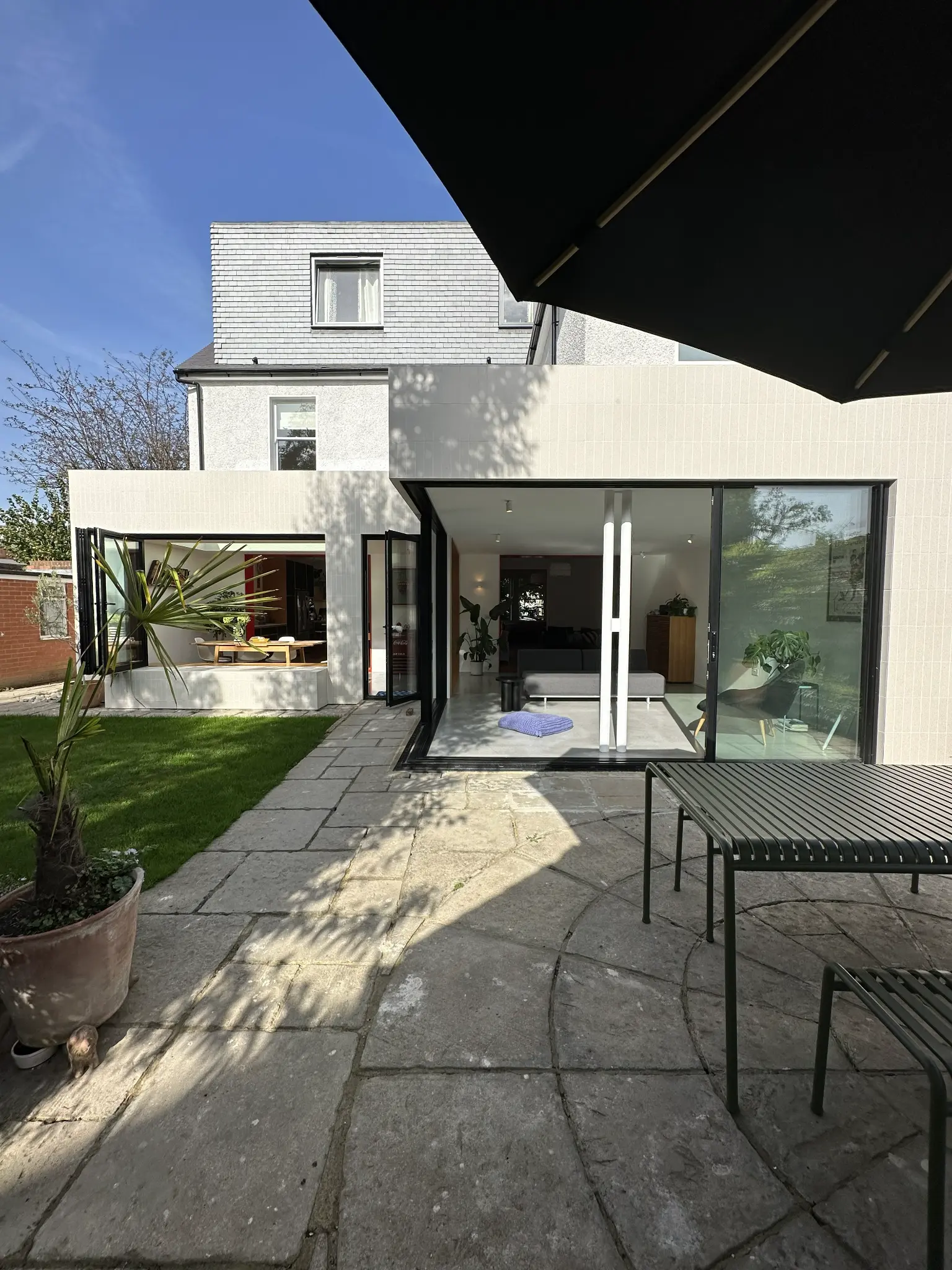
- Connecting Living Spaces: Use large sliding or bi-fold doors to open up a kitchen-diner to a garden, creating a seamless indoor-outdoor entertaining area.
- Dividing Open-Plan Areas: Install pocket or sliding glass doors between a living room and dining room. They can be closed for intimacy or open for a vast, connected space.
- Enhancing Hallways: Replace solid doors leading from a hallway into a living area with hinged glass doors to draw light into often dark central spaces.
- Creating Flexible Home Offices: Glass doors can enclose a home office, providing visual connection to the rest of the home while offering acoustic separation when needed.
- Maximising Small Rooms: In smaller bedrooms or ensuites, a pocket glass door eliminates the need for door swing space, freeing up valuable floor area for furniture placement.
Conclusion
Glass doors are more than just a design trend; they are a practical and aesthetically pleasing solution for maximising space, light, and connectivity in UK homes. By carefully considering the various types, adhering to crucial UK Building Regulations, and weighing up the practical implications, homeowners can make informed choices that genuinely enhance their living environment.
Whether you're embarking on a new build, an extension, or simply renovating an existing space, the right glass door solution can transform your home into a brighter, more spacious, and more enjoyable place to live. For expert advice and a wide range of high-quality glass door solutions tailored to UK homes, consider consulting with specialists like Shard AG. We can guide you through the options, ensuring compliance and delivering a beautiful, functional outcome for your property.
Explore Our Products
Discover how Shard Architectural Glazing can transform your home with our premium glazing solutions:
Ready to Transform Your Home?
Get in touch with our expert team for a free consultation and personalised quote. We'll help you choose the perfect glazing solution for your property.