
Maximising Views: The Benefits of Corner Sliding Doors
Explore the architectural and practical advantages of installing corner sliding doors in your UK home, covering design flexibility, technical specifications, and Building Regulation compliance.

Shard Architectural Glazing
25 January 2026
Explore the architectural and practical advantages of installing corner sliding doors in your UK home, covering design flexibility, technical specifications, and Building Regulation compliance.
📋In This Article
Maximising Views: The Benefits of Corner Sliding Doors
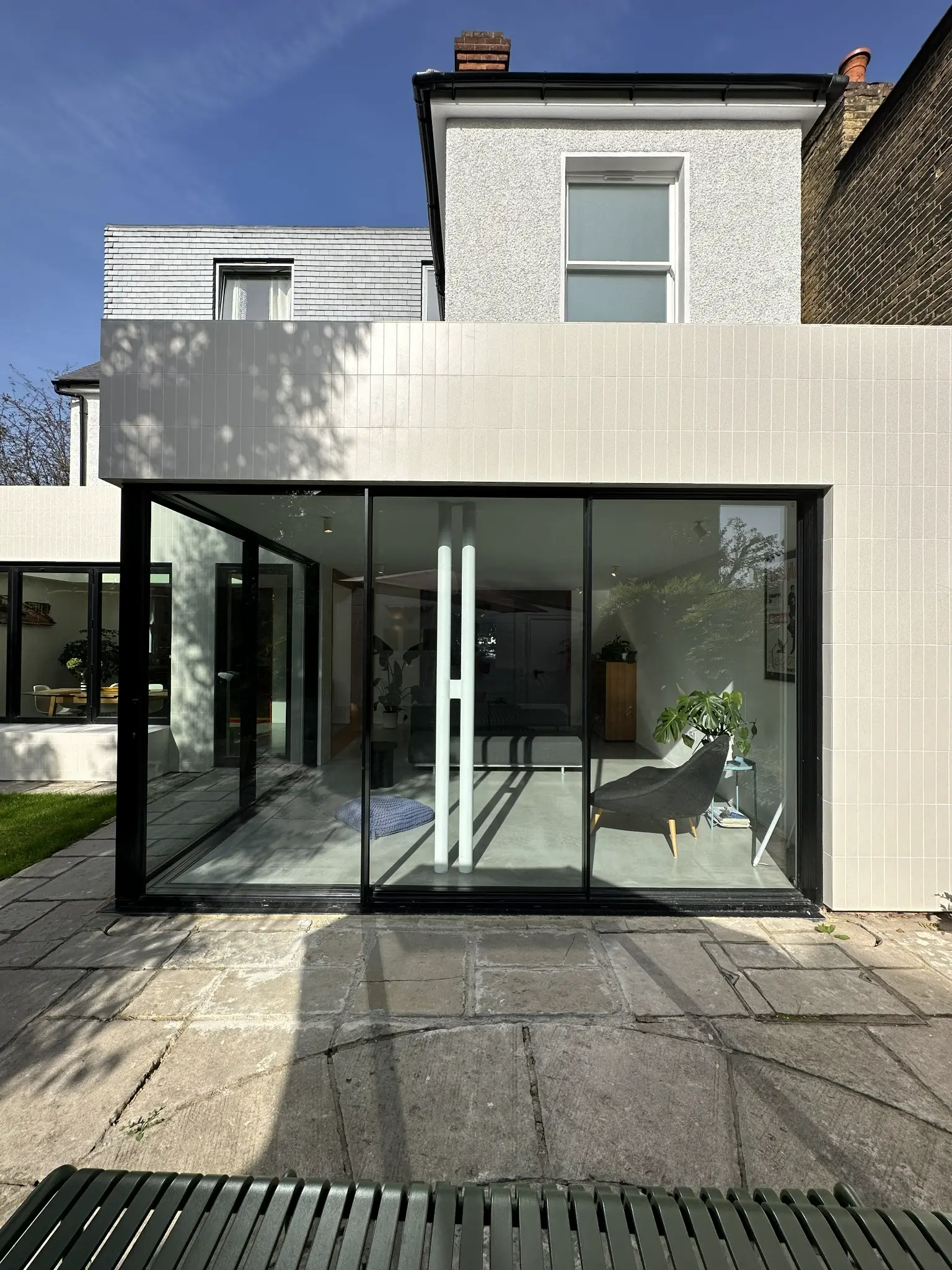
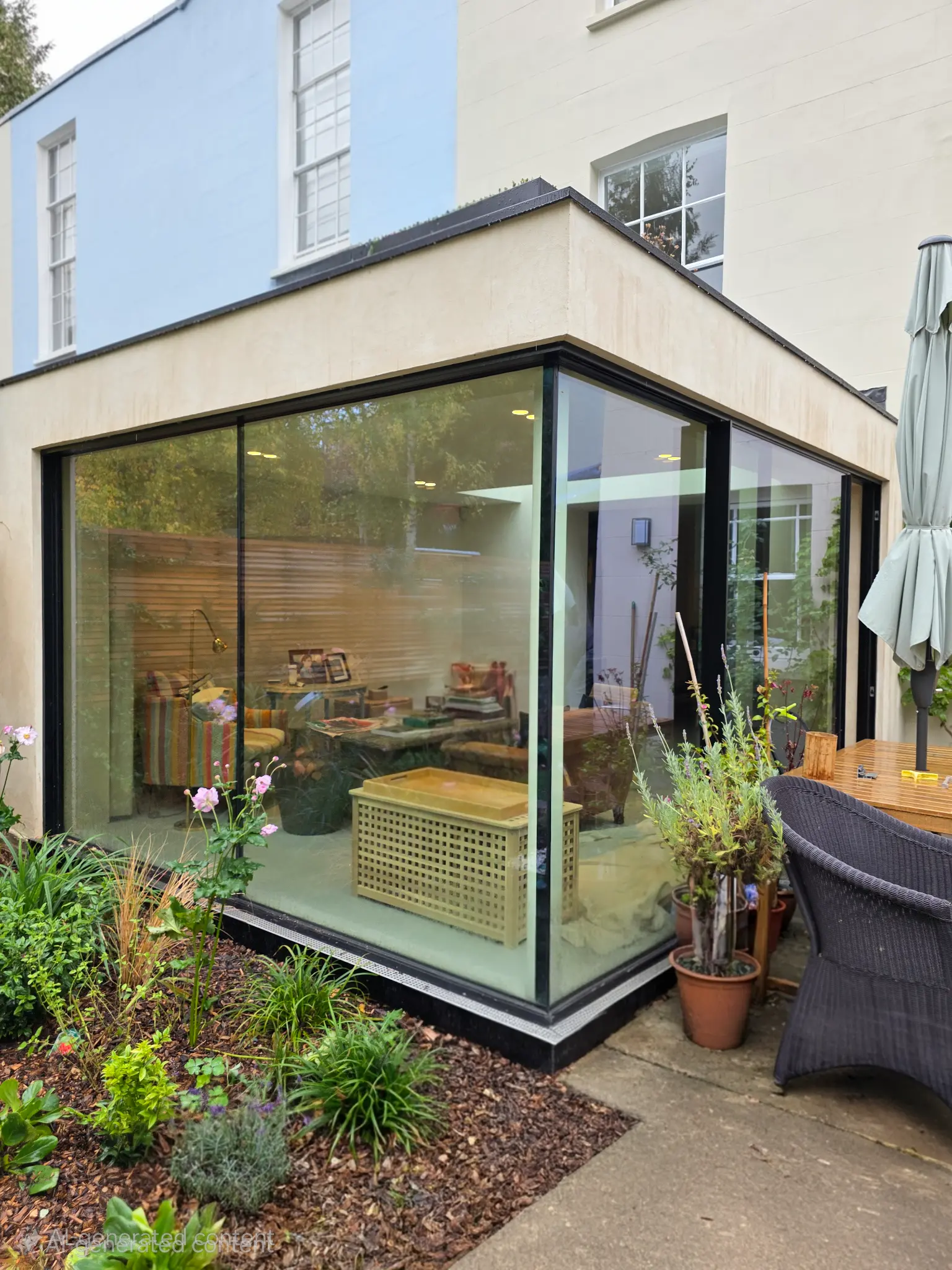
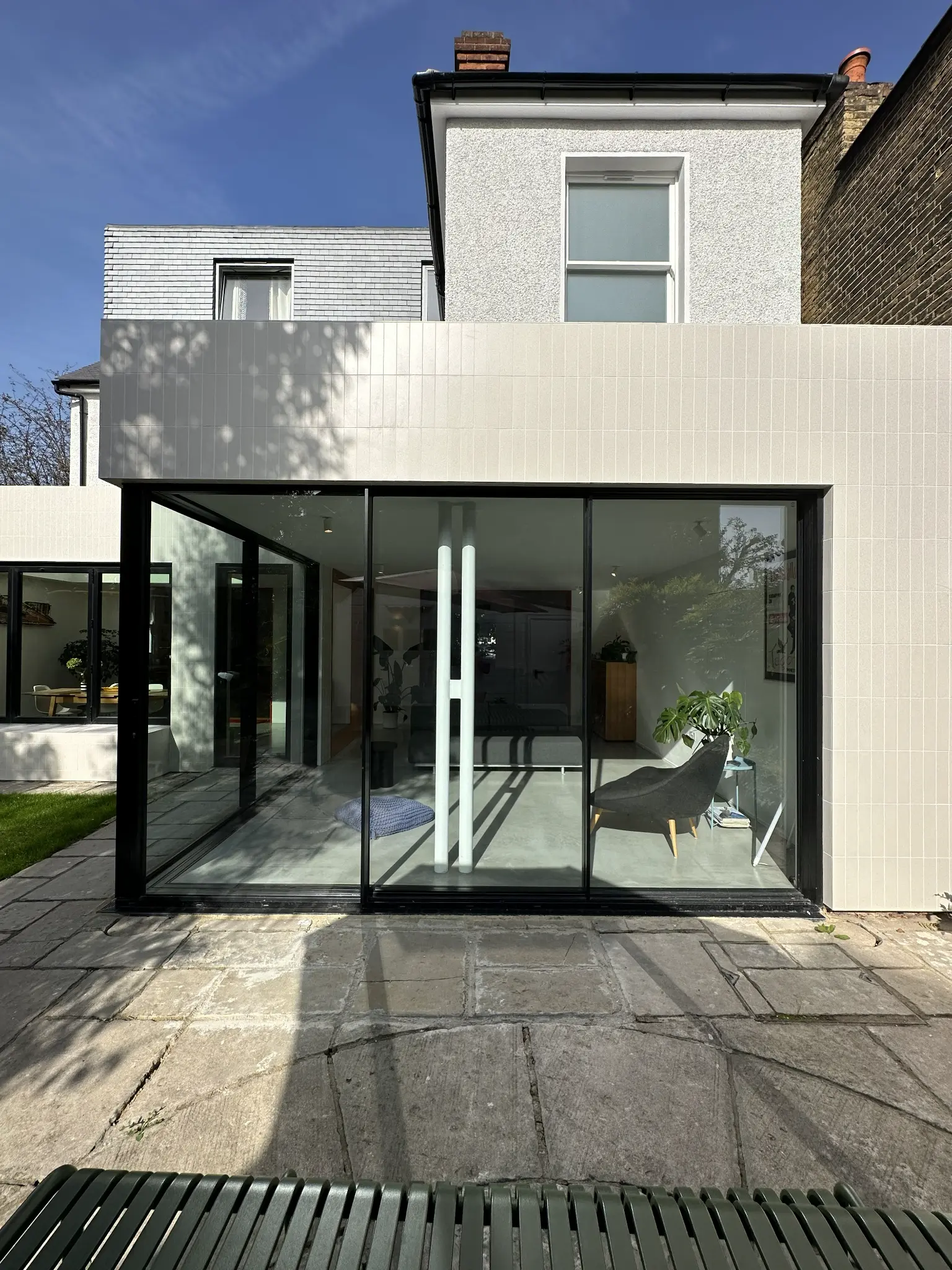
Corner sliding doors, often referred to as 'open corner' or 'floating corner' systems, represent a pinnacle of modern architectural glazing. Unlike traditional patio doors that terminate at a wall or post, these bespoke systems meet at a 90-degree angle, allowing the entire corner structure to vanish when the doors are fully opened. This creates a truly seamless transition between indoor and outdoor living spaces.
For UK homeowners undertaking ambitious renovation projects or designing new builds, corner sliding doors offer unparalleled aesthetic impact and functional flexibility. However, due to their complexity, understanding the technical requirements, structural implications, and compliance with UK Building Regulations is crucial before committing to installation.
Architectural Impact and Design Flexibility
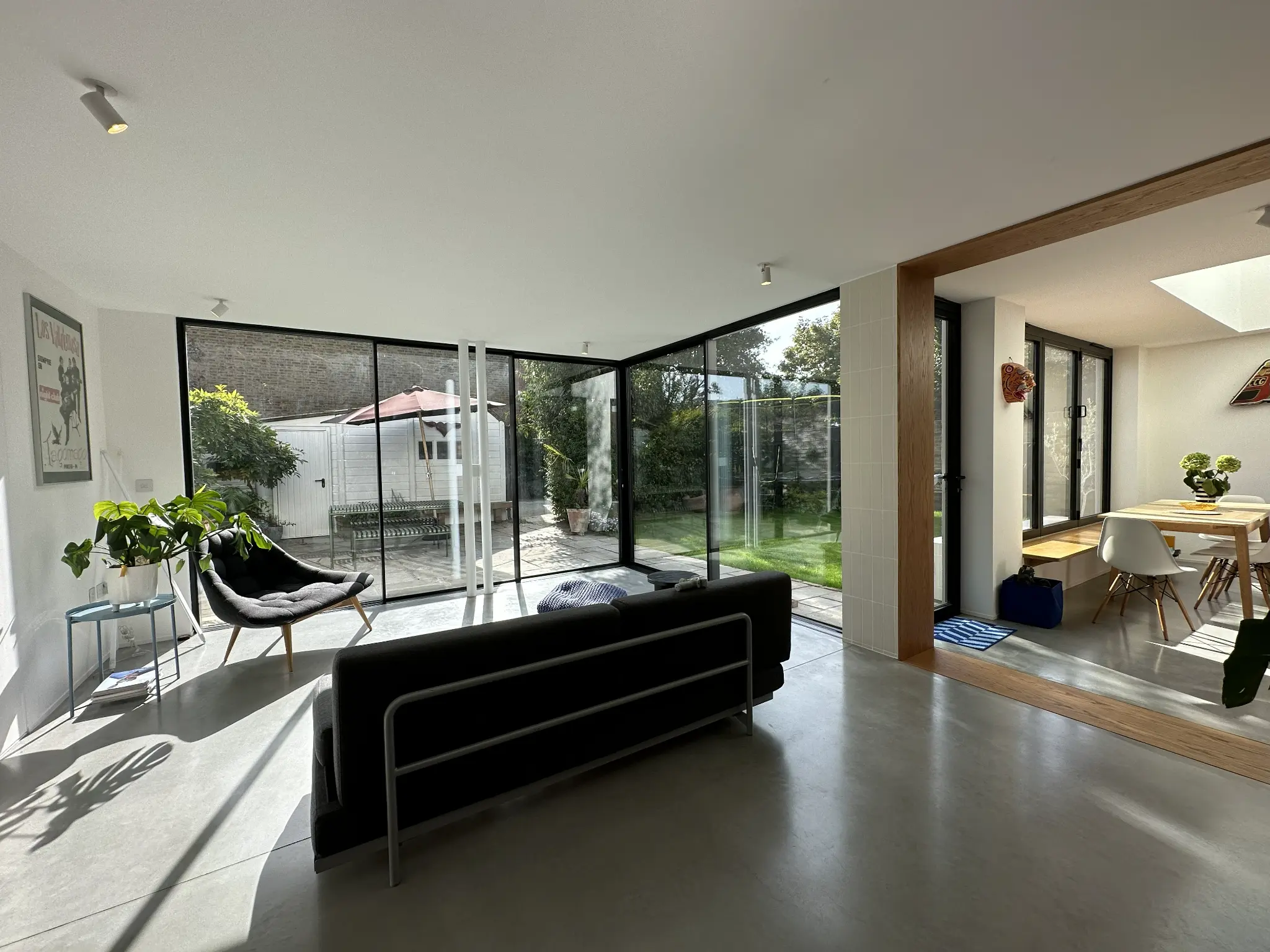
The primary appeal of a corner sliding door system lies in its ability to completely dissolve the physical barrier of a room corner. When the doors are retracted, the roof structure appears unsupported, creating a dramatic, cantilevered effect. This design choice fundamentally alters the perception of space.
Creating the Open Corner Effect
- Uninterrupted Views: By eliminating the corner post (mullion), the system provides 100% clear sightlines, significantly enhancing views across gardens, patios, or landscapes.
- Seamless Flow: The open corner facilitates a genuine extension of the living space onto the patio. This is particularly effective for kitchens, dining areas, or orangeries, blurring the line between inside and out during warmer months.
- Natural Light Optimisation: Glazing on two perpendicular faces maximises the ingress of natural daylight, often illuminating deep into the floor plan where light might otherwise be restricted.
Configuration Options
Corner sliding doors are highly customisable. The configuration depends largely on the available wall space and the desired opening size. Common configurations include:
- 90-Degree Meet: The most common setup, where two sets of doors meet at a right angle.
- Symmetrical Stacking: Both sets of doors stack neatly against the adjacent walls when opened.
- Asymmetrical Stacking: One side may have a larger opening than the other, with the panels stacking accordingly.
- Pocket Doors: For the ultimate minimalist look, the panels can be designed to slide completely into a cavity wall (a pocket), leaving no visible obstruction whatsoever.
Structural Considerations and Engineering
The absence of a supporting corner post means that the structural load normally carried by that corner must be transferred elsewhere. This is perhaps the most critical technical challenge when installing corner sliding doors.
Load Bearing and Cantilevering
Achieving the 'floating corner' look requires specialist structural engineering. The load from the roof and the structure above the opening must be supported by a substantial steel beam (lintel or goalpost frame) that spans the entire opening. This beam must be designed to handle the weight without relying on the corner for vertical support.
- Goalpost Frame: Often, a steel goalpost frame is required, where the horizontal beam is supported by vertical posts set back slightly from the opening ends.
- Cantilevered Design: In some cases, the roof structure itself may be cantilevered (overhanging and supported only at one end) to eliminate the need for visible posts entirely, though this is significantly more complex and costly.
Pro Tip
Always engage a qualified Structural Engineer early in the design process. They will calculate the precise loads and specify the necessary steelwork (typically requiring Building Control approval) before any demolition or installation begins. Attempting to install these systems without adequate structural support is dangerous and will compromise the integrity of your property.
Thermal Performance and UK Building Regulations
In the UK, all new and replacement glazing must comply with Part L (Conservation of Fuel and Power) of the Building Regulations. Given the large surface area of glass involved, achieving high thermal efficiency is paramount to prevent excessive heat loss and maintain a comfortable internal temperature.
U-Values and Compliance (Part L 2022, England)
The U-value measures how effectively a component prevents heat transfer (lower is better). Corner sliding door systems must meet stringent requirements:
- New Builds: Maximum U-value of 1.2 W/m²K.
- Replacement/Extensions: Maximum U-value of 1.4 W/m²K.
To meet these standards, high-specification systems are necessary, typically featuring:
- Thermal Breaks: Insulating materials integrated within the aluminium frames to prevent cold bridging.
- High-Performance Glazing: Double or triple glazing with low-emissivity (low-e) coatings and argon gas filling in the cavities.
Failure to meet these U-value requirements could affect compliance with Building Regulations, potentially causing issues when selling the property or obtaining a completion certificate from Building Control.
Key Technical Specifications Comparison
| Specification | Requirement/Consideration | Impact |
|---|---|---|
| U-Value (Max) | 1.2 W/m²K (New Build) | Ensures compliance with UK Part L regulations and energy efficiency. |
| Threshold Design | Flush or Low Profile | Creates a trip-free, seamless transition; requires careful drainage planning. |
| Frame Material | Thermally Broken Aluminium | Provides necessary strength for large panels while maintaining thermal performance. |
| Weather Rating | High resistance to wind load and water penetration (BS 6375) | Essential for exposed corners in the UK climate to prevent leaks and drafts. |
Practical Benefits and Long-Term Use
Beyond the immediate visual appeal, corner sliding doors offer several practical advantages that enhance daily living and property value.
Increased Ventilation
The dual opening sides allow for exceptional cross-ventilation, rapidly cooling the interior space and preventing overheating during summer months without relying on air conditioning.
Enhanced Property Value
As a high-end architectural feature, corner glazing is a significant selling point, demonstrating modern design and quality construction, thereby increasing the marketability and value of the home.
Flexible Space Utilisation
The ability to completely open up a corner transforms the functionality of the room, making it ideal for entertaining large groups or hosting indoor-outdoor events.
Superior Security
Modern sliding systems incorporate multi-point locking mechanisms and toughened or laminated safety glass, meeting UK security standards such as PAS 24, provided they are correctly specified and installed.
Potential Drawbacks and Maintenance
While highly desirable, corner sliding doors require careful consideration regarding their complexity and cost.
Cost Implications
Corner systems are significantly more expensive than standard inline or bi-fold doors. The cost is driven by:
- The bespoke nature of the glazing units.
- The requirement for heavy-duty, high-performance hardware to manage the weight of large panels.
- The substantial structural engineering work (steel beams, foundations) necessary to support the corner load.
Drainage and Weatherproofing
Achieving a flush threshold for a seamless transition requires meticulous planning for external drainage. Water must be managed effectively to prevent ingress, especially given the UK's climate. A reputable installer must ensure the external patio level is correctly sloped away from the door and that adequate linear drainage channels are installed.
Maintenance of Running Gear
Due to the weight and size of the glass panels, the running gear (rollers and tracks) must be robust. Regular cleaning of the track is essential to ensure smooth operation and prevent debris from causing wear or jamming the mechanism.
Choosing the Right Supplier and Installer
Given the structural complexity and high cost, selecting an experienced supplier and installer is non-negotiable. Look for companies that:
- Can provide evidence of prior successful corner sliding door installations.
- Work closely with structural engineers and Building Control throughout the project.
- Offer systems certified to meet current UK thermal (Part L) and security (PAS 24) standards.
For homeowners in the UK looking to achieve this striking architectural effect, careful planning, expert structural input, and a focus on high-quality, thermally efficient glazing systems are the keys to success. The result is a truly transformative living space that connects the interior with the external environment like no other door system.
Partnering with Shard AG
If you are planning a self-build or renovation project involving complex architectural glazing, Shard AG specialises in the design, supply, and installation of premium corner sliding door systems across the UK. We focus on delivering systems that combine minimal sightlines, exceptional thermal performance (meeting or exceeding 1.2 W/m²K), and robust security features, ensuring full compliance with UK Building Regulations and providing the necessary technical support for your structural engineer.
Explore Our Products
Discover how Shard Architectural Glazing can transform your home with our premium glazing solutions:
Ready to Transform Your Home?
Get in touch with our expert team for a free consultation and personalised quote. We'll help you choose the perfect glazing solution for your property.