

Minimal Frame Glazing: Aesthetics, Performance, and UK Building Regs
Explore the world of minimal frame sliding doors. Understand the technical specifications, thermal performance required by UK Building Regulations Part L, and installation considerations for achieving seamless, contemporary architectural glazing.

Shard Architectural Glazing
26 January 2026
Explore the world of minimal frame sliding doors. Understand the technical specifications, thermal performance required by UK Building Regulations Part L, and installation considerations for achieving seamless, contemporary architectural glazing.
📋In This Article
Understanding Minimal Frame Glazing Systems for UK Homes
Minimal frame glazing, often referred to as slimline or frameless sliding doors, represents a significant shift in contemporary architectural design. These systems are engineered to maximise natural light and views by drastically reducing the visible sightlines of the surrounding frame, creating a near-seamless transition between interior and exterior spaces. For UK homeowners undertaking extensions, renovations, or new builds, understanding the technical specifications, performance requirements, and installation complexities of these systems is crucial.
What Defines Minimal Frame Glazing?
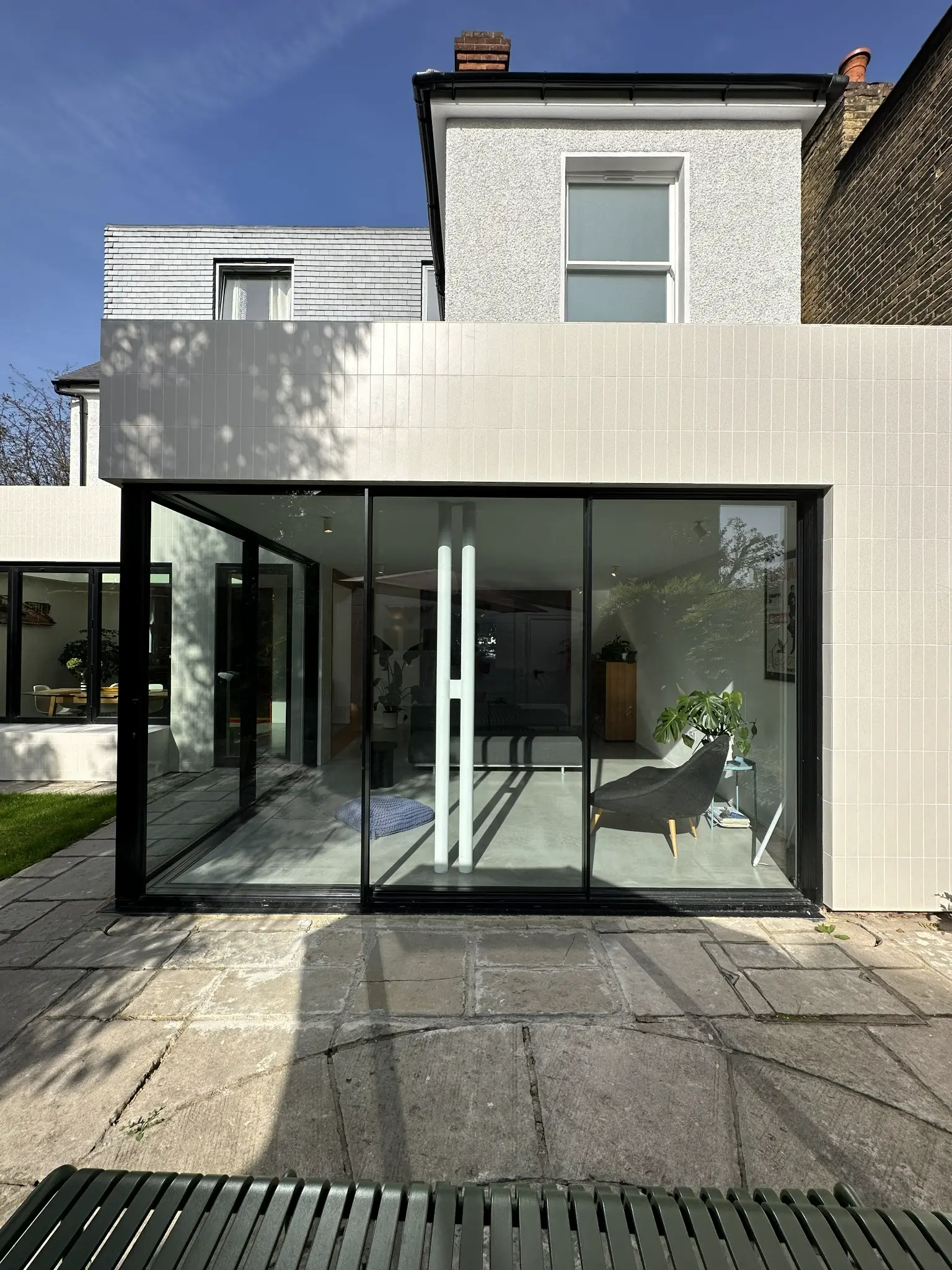
The core characteristic of minimal frame glazing is the extremely narrow visible profile, typically ranging from 18mm down to as little as 12mm, or even fully concealed within the structure. Unlike traditional patio doors or standard bi-folds, where the aluminium profile is often 50mm or wider, minimal systems hide the majority of the frame structure within the floor, walls, and ceiling.
This aesthetic is achieved through sophisticated engineering:
- Concealed Outer Frame: The main structural frame is usually recessed into the surrounding wall structure or floor slab, making it invisible when the door is closed.
- Slim Interlocks: The vertical profile where two sliding panes meet (the interlock) is kept exceptionally narrow.
- Integrated Tracking: The running gear and tracks are often built into the floor finish, maintaining a flush threshold that eliminates trip hazards and enhances the indoor-outdoor flow.
Uninterrupted Views
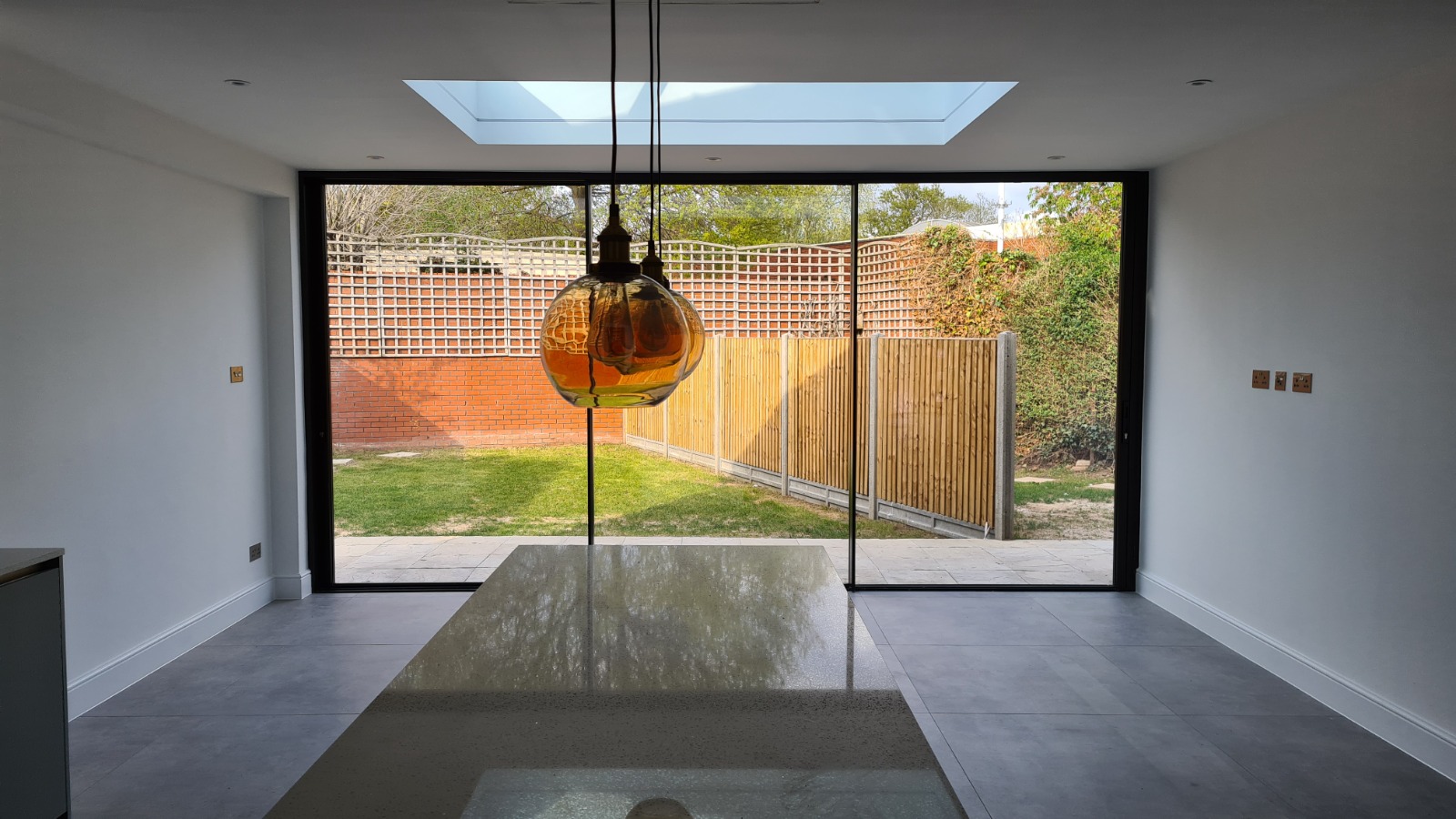
The primary appeal is the aesthetic benefit of expansive, floor-to-ceiling glass, offering panoramic views and maximising connection with the garden or landscape.
Maximised Natural Light
Reduced frame size means a greater glass-to-frame ratio, significantly increasing the amount of daylight entering the property, reducing reliance on artificial lighting.
Aesthetic Versatility
Minimalist design complements virtually all architectural styles, from ultra-modern new builds to sensitive renovations of period properties.
High Performance
Modern minimal systems incorporate advanced thermal breaks and high-specification glazing, ensuring excellent insulation and weather resistance.
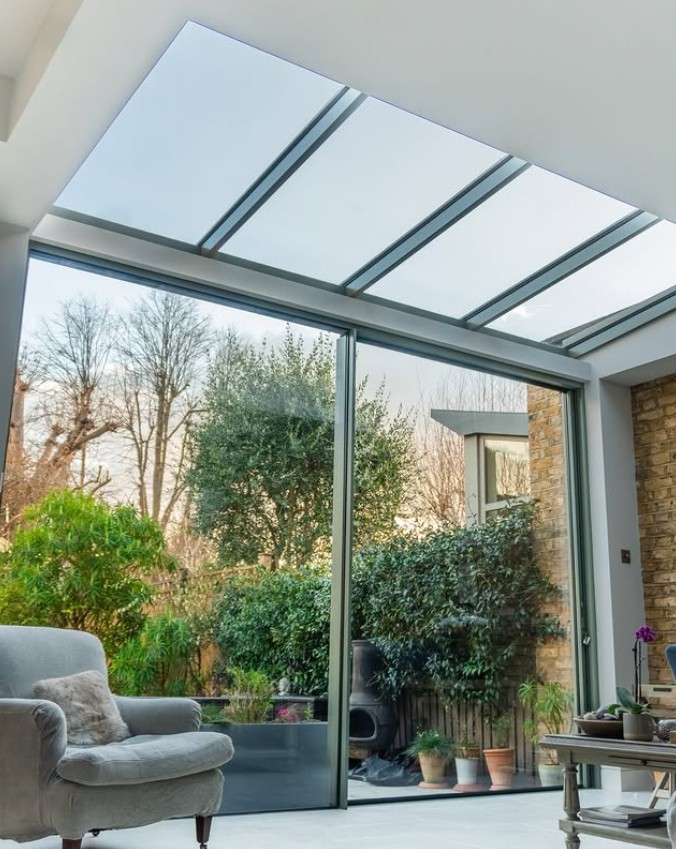
Thermal Performance and UK Building Regulations Part L (2022)
A common misconception is that large expanses of glass inherently lead to poor thermal performance. While this might have been true two decades ago, modern minimal frame systems are highly thermally efficient, provided they are specified correctly.
Understanding U-Values
The U-value measures how effectively a building element prevents heat loss. The lower the U-value, the better the insulation. For glazing, the U-value is calculated for the entire element (frame and glass combined).
Under the current Building Regulations Part L (England, 2022), specific U-value targets must be met:
- New Dwellings: Windows and doors must achieve a U-value of 1.2 W/m²K or better.
- Existing Dwellings (Replacement or Extensions): Windows and doors must achieve a U-value of 1.4 W/m²K or better.
Achieving these targets with large glass panels requires careful specification, particularly concerning the glass unit itself.
Glazing Specification for Compliance
To meet the stringent 2022 Part L requirements, minimal frame systems almost universally require double glazing as a minimum, often specified with low-emissivity (Low-E) coatings and argon gas filling. For very large or exposed elevations, or to achieve the best possible performance (e.g., 1.2 W/m²K), triple glazing may be necessary, especially if the visible frame profile is extremely narrow.
The frame material itself must incorporate robust polyamide thermal breaks to separate the inner and outer aluminium sections, preventing thermal bridging.
Pro Tip
When specifying minimal frame doors for a new extension, always check the overall area of glazing relative to the floor area. If the total glazed area exceeds 25% of the floor area, you may need to demonstrate compliance through a 'Target Fabric Energy Efficiency (TFEE)' calculation, proving that the overall heat loss of the extension is compensated for by improved insulation elsewhere (e.g., better than required wall or roof U-values).
Design and Operational Considerations
While the aesthetic benefits are clear, minimal frame systems introduce unique design and logistical challenges that homeowners must address early in the planning stage.
1. Weight and Mechanism
Minimal frame doors feature very large, heavy glass panels. A typical double-glazed panel measuring 3m x 2.5m can weigh over 300kg. This weight necessitates high-quality, robust running gear, often requiring specialised stainless steel tracks and rollers capable of handling significant loads. Operation is typically smooth and effortless, but the mechanism is complex and requires precision installation.
2. Drainage and Weatherproofing
Achieving a flush threshold (level with the interior floor) is a key feature, but it requires meticulous planning for drainage. UK weather demands excellent weather sealing. The external track must incorporate an effective drainage channel (often a linear drainage grate) to manage rainwater and prevent ingress, especially in exposed locations. Failure to plan drainage correctly can lead to water pooling and potential damp issues.
3. Structural Requirements
Because the outer frame is concealed, the surrounding structure (the ceiling lintel and side walls) must be perfectly square, plumb, and sufficiently strong to bear the load and support the track system. Minimal frame installation often requires structural steelwork to be integrated precisely with the glazing frame dimensions, demanding close coordination between the structural engineer, builder, and glazing installer.
4. Security
Modern minimal systems are designed with security in mind. Look for systems that meet the stringent requirements of PAS 24:2022 (Enhanced security performance requirements for doorsets and windows in the UK). Locking mechanisms are typically multi-point, concealed within the slim interlock profile or the head/sill. Ensure the system includes anti-lift features.
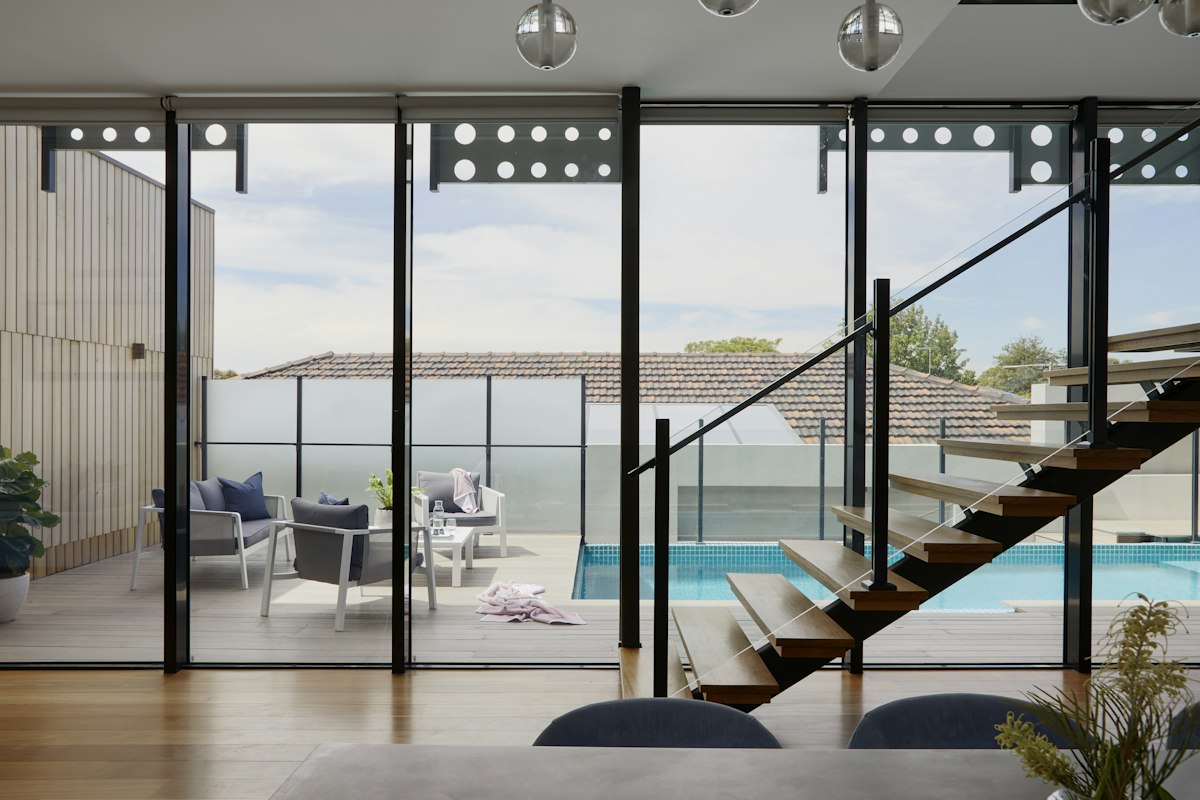
Specification Comparison: Double vs. Triple Glazing
Choosing between double and triple glazing is often a balance between cost, weight, and thermal performance. The table below outlines key differences relevant to minimal frame systems:
| Feature | Double Glazing (Standard Low-E) | Triple Glazing (High Performance) |
|---|---|---|
| Typical U-Value (System) | 1.3 – 1.5 W/m²K | 0.8 – 1.2 W/m²K |
| Compliance (Part L 2022) | Meets replacement standard (1.4); borderline for new build (1.2). | Easily meets all Part L 2022 requirements. |
| Weight | Standard weight (approx. 25-30 kg/m²) | Significantly heavier (approx. 35-45 kg/m²), increasing structural load. |
| Acoustic Insulation | Good, especially with laminated glass. | Excellent, due to multiple air cavities. |
| Cost | Standard cost for minimal systems. | Premium cost (typically 20-35% higher). |
Installation and Long-Term Maintenance
The success of a minimal frame system relies almost entirely on the quality of the installation. This is not a product for standard builders or DIY enthusiasts; it requires specialist expertise.
Integration with the Building Fabric
Because the frame is concealed, the installation sequence is critical. The frame must often be installed before the final wall and floor finishes are applied. The crucial element is ensuring the seamless integration of the frame's perimeter seals with the building's vapour control layer and external weatherproofing membranes. Any gaps can lead to air leakage or moisture penetration, compromising both thermal efficiency and the building fabric.
Maintenance Requirements
While the frames themselves require minimal maintenance (usually just cleaning the aluminium profiles), the concealed running gear needs occasional attention. High-quality systems are designed for longevity, but tracks should be kept clean of debris (dust, grit, leaves) to ensure smooth operation and prevent wear on the rollers. Access panels for maintenance should be planned into the floor or wall finishes where necessary.
Conclusion and Choosing a Supplier
Minimal frame glazing offers an unparalleled aesthetic that transforms homes, creating bright, open spaces perfectly suited to modern living. However, achieving this look successfully requires a deep understanding of thermal performance, structural integration, and compliance with UK Building Regulations Part L.
When selecting a supplier, prioritise those who can provide:
- Proven U-value calculations specific to your chosen system size and glazing specification.
- Detailed technical drawings showing integration with the structural opening and drainage solutions.
- Evidence of compliance with security standards (e.g., PAS 24).
- A comprehensive warranty covering both the product and the installation.
If you are planning an architectural project in the UK requiring high-performance, minimal sightline glazing, engaging with specialists early in the design process is essential. Shard AG specialises in the design, supply, and expert installation of bespoke minimal frame sliding doors and architectural glazing solutions across the UK. Our focus is on ensuring technical compliance and delivering exceptional thermal performance tailored to the specific demands of UK climate and building standards.
Explore Our Products
Discover how Shard Architectural Glazing can transform your home with our premium glazing solutions:
Ready to Transform Your Home?
Get in touch with our expert team for a free consultation and personalised quote. We'll help you choose the perfect glazing solution for your property.