
Orangery vs Conservatory Glazing: A UK Homeowner's Guide
Explore the crucial differences between orangery and conservatory glazing for UK homes. Understand U-values, Building Regulations, and practical considerations.

Shard Architectural Glazing
14 January 2026
Explore the crucial differences between orangery and conservatory glazing for UK homes. Understand U-values, Building Regulations, and practical considerations.
📋In This Article
When planning to extend your home with a beautiful glazed structure, the choice between an orangery and a conservatory often comes down to aesthetics, functionality, and crucially, the glazing. While both offer stunning ways to connect with your garden and enhance living space, their construction methods and glazing requirements differ significantly, impacting thermal performance, light transmission, and regulatory compliance. This guide will delve into the technical aspects of glazing for orangeries and conservatories, helping UK homeowners make an informed decision.
Understanding the Basics: Orangery vs. Conservatory
Before we dive into glazing specifics, it's essential to clarify the fundamental differences between these two popular extensions:
- Conservatory: Traditionally, a conservatory is characterised by a high proportion of glazing in its walls and roof, often exceeding 75% of the roof area and 50% of the wall area. They are typically built on a dwarf wall and feature a fully glazed roof. Historically, they were exempt from certain Building Regulations, provided they met specific criteria (e.g., thermally separated from the main dwelling, under 30m² floor area, unheated or heated by the main dwelling's system with independent controls).
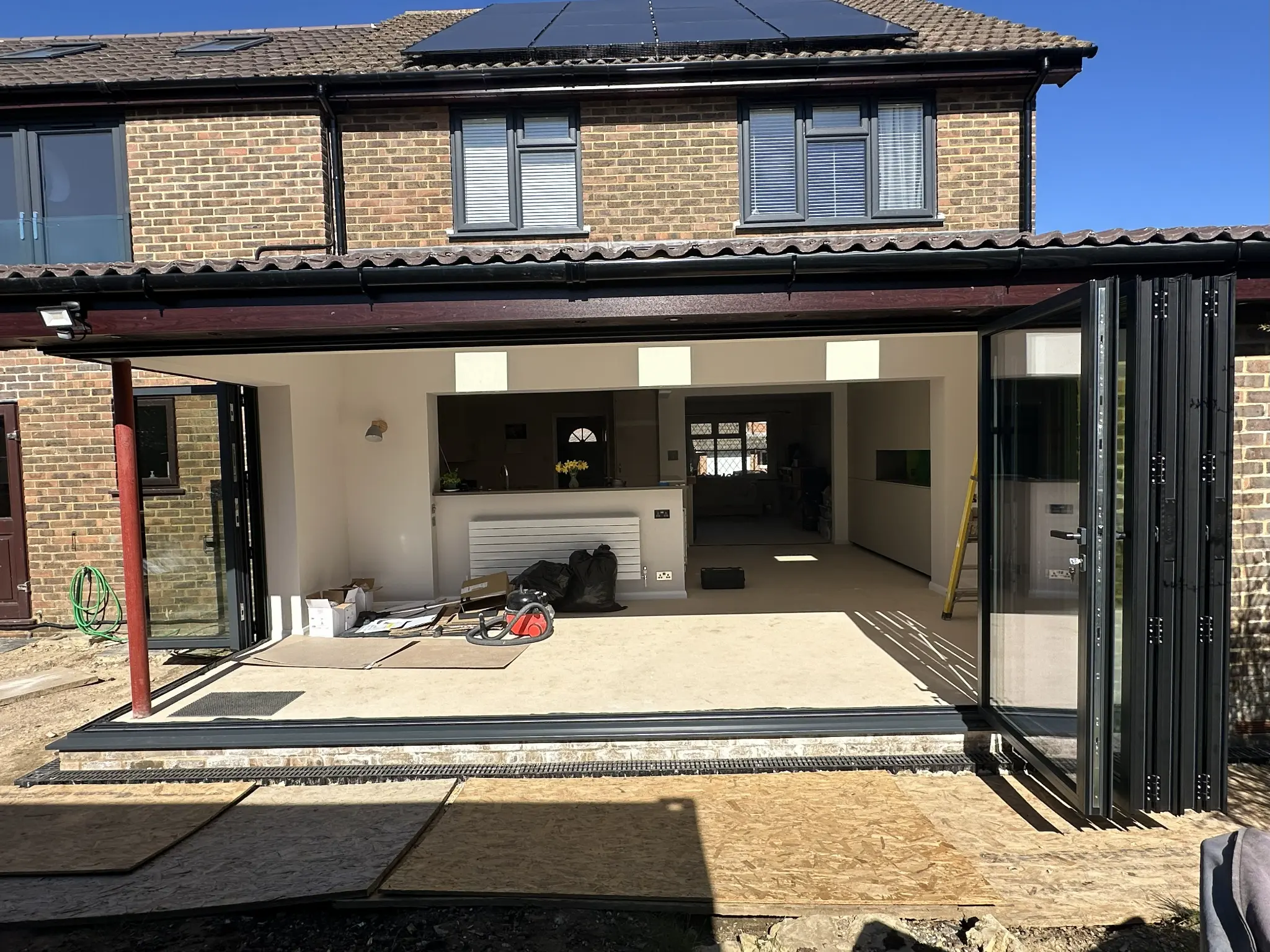
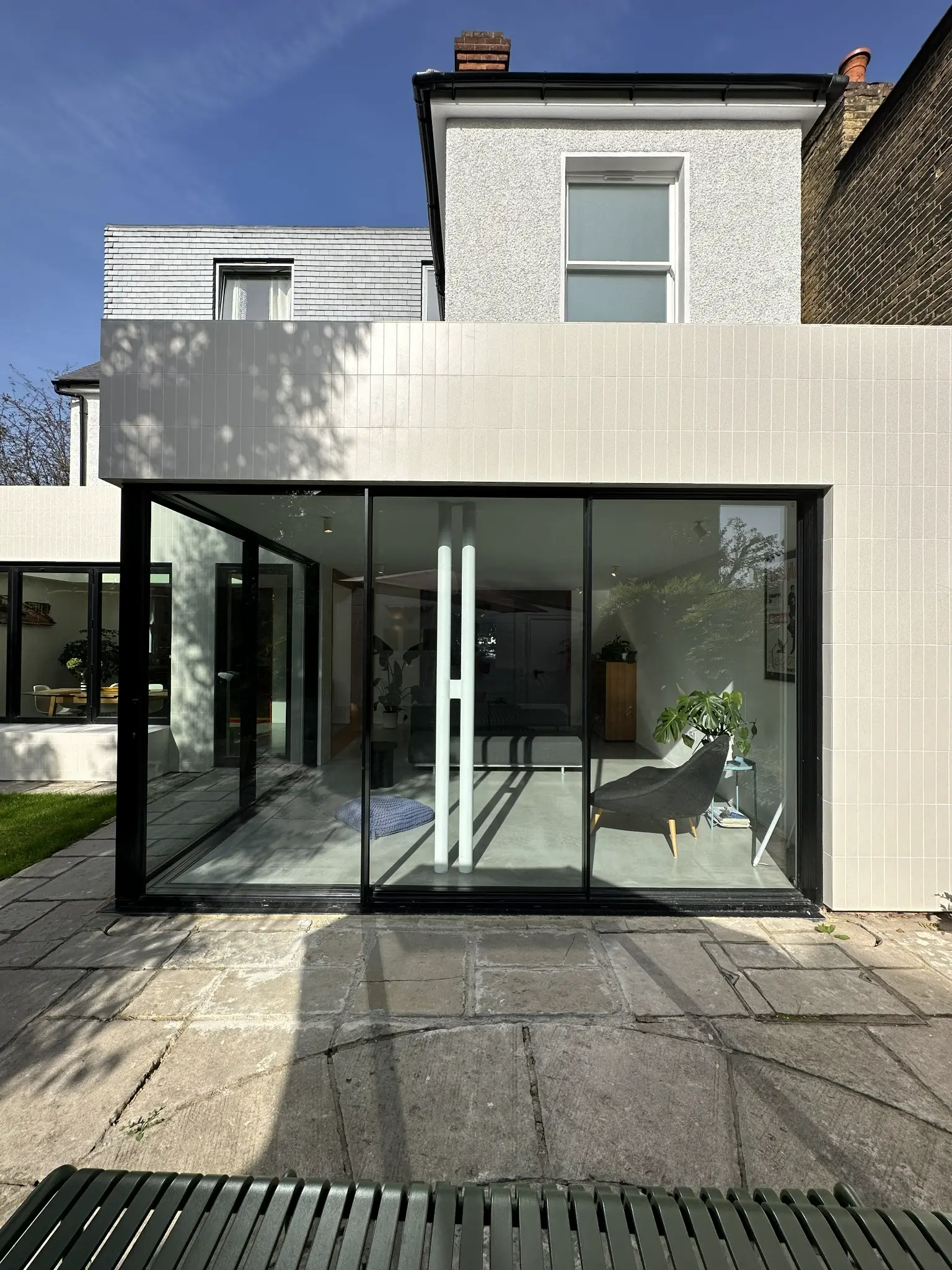
- Orangery: An orangery offers a more substantial, 'room-like' extension. While still featuring significant glazing, especially large windows and bifold or sliding doors, they incorporate more solid wall sections and a solid or partially solid roof with a glazed lantern or flat rooflights. This construction gives them a more integrated feel with the main house and often better thermal performance.
The Impact of Building Regulations on Glazing
The distinction between an orangery and a conservatory is particularly critical when considering UK Building Regulations, specifically Part L (Conservation of Fuel and Power). The 2022 updates have significantly tightened thermal performance requirements.
- Conservatories (Exemptions): To be exempt from Part L, a conservatory must still meet several conditions, including being thermally separated from the main dwelling (e.g., by external quality doors), having an internal floor area of less than 30m², and being unheated or heated by an independent system. If these conditions are not met, or if the conservatory is open to the main house, it will be treated as an extension and must comply with full Building Regulations, including strict U-value targets for all elements.
- Orangeries (Extensions): Orangeries are almost always treated as extensions and must fully comply with Building Regulations Part L. This means all components – walls, floors, roofs, and glazing – must meet specific U-value targets. This is where the choice of glazing becomes paramount.
Pro Tip
Always consult your local Building Control body or a qualified architect/designer early in your project. They can confirm whether your proposed structure falls under conservatory exemptions or needs full Building Regulations approval, which will dictate your glazing and insulation requirements.
Understanding U-values for Glazing
The U-value is a crucial metric when discussing thermal performance. It measures how effectively a material or structure prevents heat from escaping. A lower U-value indicates better insulation and less heat loss. It's measured in Watts per square metre Kelvin (W/m²K).
For extensions (which most orangeries are, and many conservatories now become), the 2022 Building Regulations Part L (England) set specific U-value targets:
- Walls: 0.18 W/m²K
- Floors: 0.18 W/m²K
- Roofs: 0.15 W/m²K
- Windows & Doors: 1.2 W/m²K (for new builds) or 1.4 W/m²K (for replacement installations)
These are stringent requirements, especially for glazing, and necessitate high-performance products.
Double vs. Triple Glazing
- Double Glazing: Consists of two panes of glass separated by a sealed gap, typically filled with an inert gas like argon. Modern double glazing with low-emissivity (low-e) coatings and warm-edge spacer bars can achieve U-values around 1.2 W/m²K to 1.4 W/m²K, meeting or nearing the required standards for windows and doors in extensions.
- Triple Glazing: Features three panes of glass with two sealed gas-filled gaps. This offers superior thermal performance, often achieving U-values as low as 0.8 W/m²K or even lower. While more expensive and heavier, triple glazing can be an excellent investment for orangeries or conservatories that are integral to the main living space, ensuring year-round comfort and lower heating bills. It's particularly beneficial for large expanses of glass where heat loss can be significant.
Specialist Glazing Options
Beyond the number of panes, several technologies enhance glazing performance:
- Low-Emissivity (Low-E) Coatings: A microscopically thin, transparent coating applied to one surface of the glass. It reflects heat back into the room in winter and reduces heat gain from sunlight in summer, significantly improving thermal efficiency.
- Warm-Edge Spacer Bars: These separate the panes of glass in a double or triple glazed unit. Traditional aluminium spacers can conduct heat, creating a 'cold bridge'. Warm-edge spacers, made from composite materials, reduce heat transfer at the edges of the unit, improving the overall U-value and reducing condensation.
- Gas Fills (Argon/Krypton): Filling the gap between glass panes with inert gases like argon or krypton (which is denser and a better insulator) reduces heat transfer by convection and conduction compared to air.
- Solar Control Glass: Essential for large glazed areas, especially in conservatories and orangeries. This glass has coatings that reflect a significant portion of the sun's short-wave radiation, preventing overheating in summer while still allowing ample light. This is crucial for maintaining comfortable internal temperatures without excessive air conditioning.
- Self-Cleaning Glass: A practical option for roofs and hard-to-reach areas. It has a special coating that reacts with UV light to break down organic dirt and then uses rainwater to wash it away.
Glazing Considerations for Orangeries
Orangeries, being more akin to traditional extensions, benefit from a blend of solid and glazed elements. The glazing typically includes large windows, bifold or sliding doors, and a glazed roof lantern or flat rooflights.
- Wall Glazing: Large windows and doors in an orangery must meet the 1.2 W/m²K (new build) or 1.4 W/m²K (replacement) U-value target. This often necessitates high-performance double glazing with low-e coatings and argon gas, or even triple glazing for optimal performance and comfort.
- Roof Glazing (Lanterns/Rooflights): Glazed roof lanterns and flat rooflights are a hallmark of orangeries. These also need to meet stringent U-value requirements. Many high-quality roof lantern systems are designed with thermally broken frames and high-performance double or triple glazing to achieve excellent U-values. Solar control glass is highly recommended here to prevent excessive heat gain in summer.
Glazing Considerations for Conservatories
For conservatories, glazing is the dominant feature, making its performance even more critical. If your conservatory is treated as an extension, it must meet the same U-value targets as an orangery.
- Wall Glazing: As with orangeries, high-performance double or triple glazing is essential to meet U-value targets if the conservatory is not exempt. The sheer volume of glass means that even small improvements in U-value can have a significant impact on overall thermal performance.
-
Roof Glazing: Conservatory roofs are typically fully glazed. This is the area where heat loss in winter and heat gain in summer can be most pronounced. Specialist conservatory roof glazing is crucial. Options include:
- Polycarbonate: While cheaper, polycarbonate offers inferior thermal and acoustic performance compared to glass. Its U-value is typically much higher (worse) than glass, making it less suitable for structures needing to meet modern Building Regulations.
- Glass Roofs: High-performance glass roofs are the preferred choice. These will incorporate toughened or laminated safety glass, often with low-e coatings, argon gas, and crucially, solar control properties. The U-value of the entire roof system (glass and frame) needs careful consideration.
Comparison Table: Glazing Properties
| Feature | Double Glazing (Standard Modern) | Triple Glazing (High Performance) | Solar Control Glass |
|---|---|---|---|
| U-value (W/m²K) | 1.2 - 1.4 | 0.8 - 1.0 | Varies (can be combined with double/triple) |
| Heat Loss Reduction | Good | Excellent | Good (seasonal) |
| Heat Gain Reduction | Moderate | Moderate | Excellent |
| Acoustic Insulation | Good | Better | Good (can be enhanced) |
| Weight | Standard | Heavier | Standard |
| Cost | Mid-range | Higher | Adds to cost |
| Building Regs Compliance | Often meets minimum for windows/doors | Exceeds minimum, ideal for large areas | Crucial for comfort in large glazed areas |
Practical Considerations for Homeowners
Beyond U-values and regulations, several practical aspects influence your glazing choice:
Comfort and Usability
- Year-Round Use: If you want your orangery or conservatory to be a comfortable, integral part of your home year-round, investing in the best possible glazing is paramount. Poorly insulated glazing will lead to an uncomfortably cold room in winter and an oven-like space in summer.
- Acoustic Performance: Better glazing, especially triple glazing or laminated glass, offers superior sound insulation, reducing noise from rain, traffic, or neighbours. This is particularly valuable if your extension faces a busy road or you desire a quiet retreat.
- Condensation: High-performance glazing with warm-edge spacer bars significantly reduces the risk of condensation forming on the inside of the glass, improving visibility and preventing moisture-related issues.
Cost vs. Long-Term Savings
While higher-performance glazing options like triple glazing or advanced solar control glass come with a greater upfront cost, they offer substantial long-term benefits:
- Reduced Energy Bills: Better insulation means less heat loss in winter and less heat gain in summer, leading to lower heating and potentially cooling costs.
- Increased Property Value: A well-built, thermally efficient extension adds significant value and appeal to your home.
- Enhanced Comfort: The ability to use your extension comfortably throughout the year makes it a more valuable and enjoyable space.
Superior Thermal Performance
Achieve lower U-values, keeping your extension warmer in winter and cooler in summer, reducing energy bills.
Enhanced Comfort
Enjoy a consistent, pleasant temperature year-round, making your space truly usable regardless of external weather.
Reduced Noise Pollution
Benefit from improved acoustic insulation, creating a quieter and more peaceful living environment.
Increased Property Value
Invest in a high-quality, energy-efficient extension that adds significant appeal and value to your home.
Conclusion: Making the Right Choice
The decision between an orangery and a conservatory, and subsequently the choice of glazing, is a significant one for any UK homeowner. Modern Building Regulations, particularly Part L 2022, demand a high standard of thermal performance, pushing both types of extensions towards more energy-efficient glazing solutions.
For orangeries, the focus will be on achieving excellent U-values for large windows, doors, and roof lanterns. For conservatories, especially those that are not exempt from Building Regulations, the entire glazed envelope, including the roof, must be meticulously specified for thermal efficiency and solar control.
Prioritise high-performance double or triple glazing with low-e coatings, argon gas fills, and warm-edge spacer bars. For large glazed areas, particularly roofs, solar control glass is an invaluable addition to prevent overheating. Always consult with reputable suppliers and installers who understand the latest UK Building Regulations and can provide detailed U-value calculations for your specific project.
By carefully considering these technical details and practical implications, you can ensure your new orangery or conservatory is not only beautiful but also a comfortable, energy-efficient, and compliant addition to your home for many years to come.
If you're planning an orangery or conservatory project in the UK and need expert advice on glazing solutions that meet the latest Building Regulations and enhance your home's comfort and energy efficiency, Shard AG offers a comprehensive range of high-performance glazing products and bespoke design services. Our team can guide you through the options, ensuring your vision becomes a reality with optimal thermal performance and aesthetic appeal.
Explore Our Products
Discover how Shard Architectural Glazing can transform your home with our premium glazing solutions:
Ready to Transform Your Home?
Get in touch with our expert team for a free consultation and personalised quote. We'll help you choose the perfect glazing solution for your property.