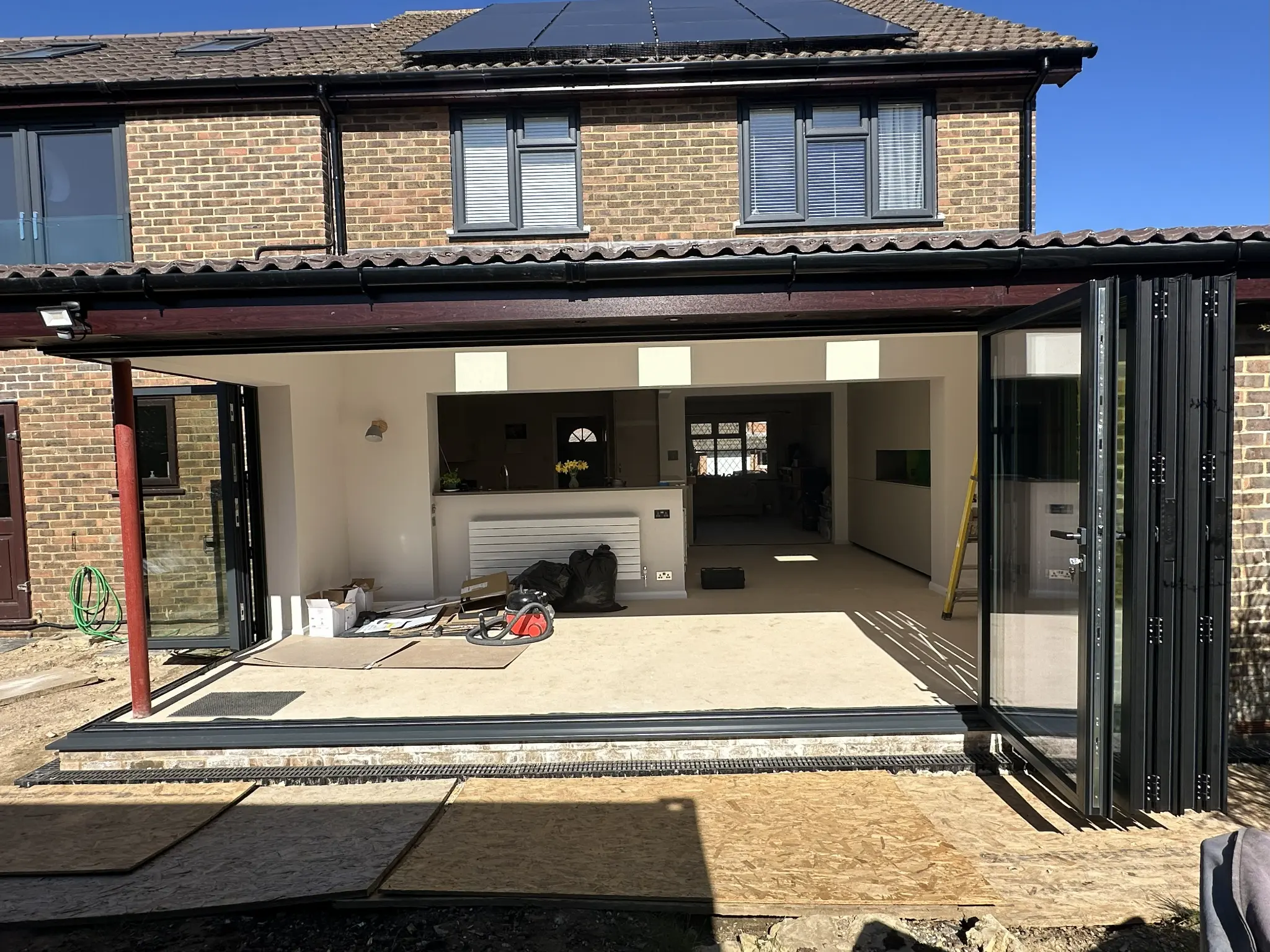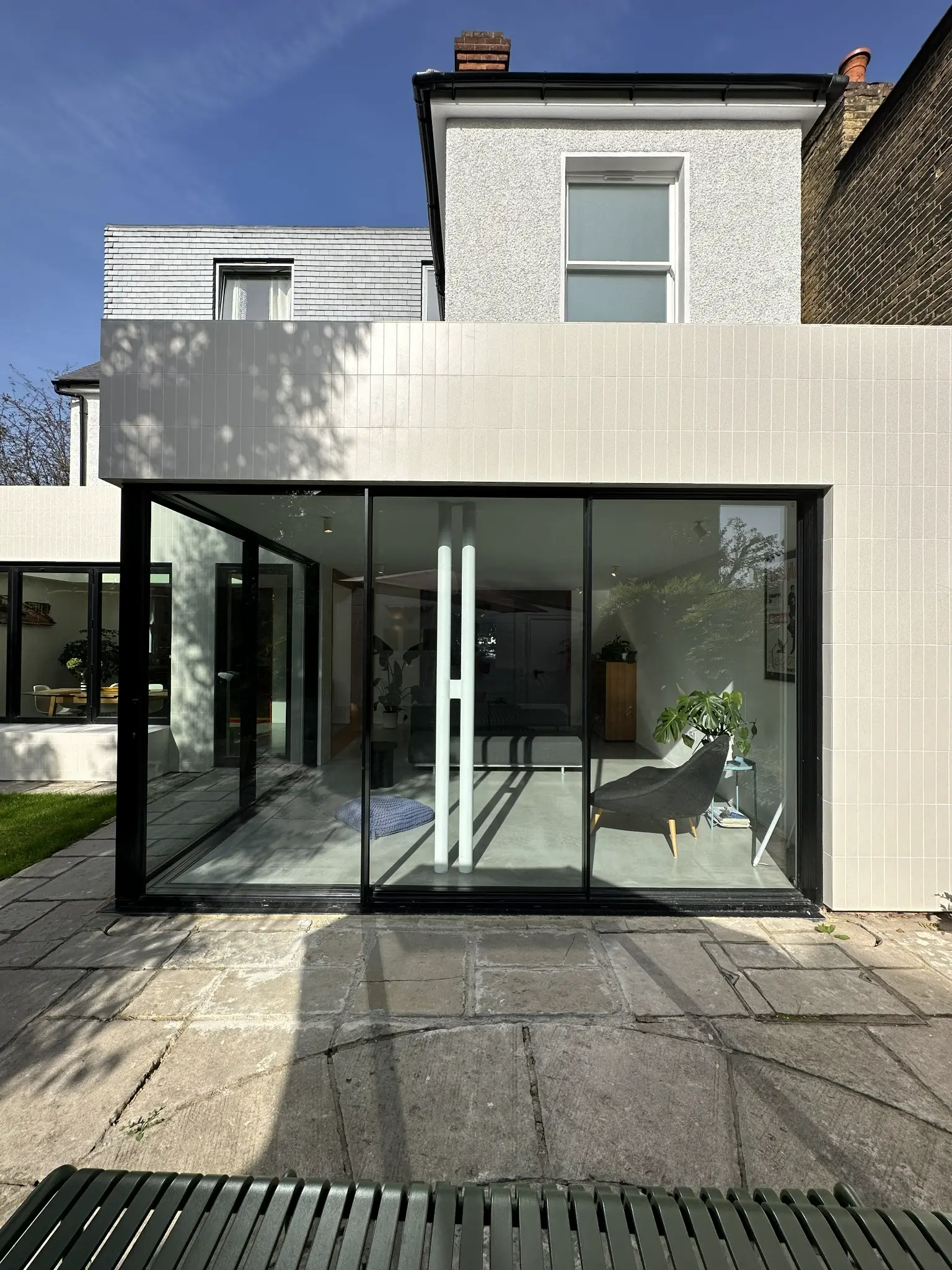

For UK homeowners looking to extend their living space, the choice between an orangery and a conservatory is often the first major decision. While both structures offer fantastic light and connection to the garden, they differ significantly in construction, permanence, and crucially, glazing requirements. Understanding these differences, particularly concerning thermal performance and adherence to UK Building Regulations Part L (Conservation of Fuel and Power), is essential for a successful project.
Structural Differences and Thermal Implications
The distinction between an orangery and a conservatory is not merely aesthetic; it relates directly to how the structure is built and how it interacts with the main dwelling, which dictates the necessary glazing specification.
The Traditional Conservatory
Historically, a conservatory was defined by having at least 75% of its roof and 50% of its wall area glazed. They were often considered temporary structures, sometimes exempt from full Building Regulations if they met specific criteria (e.g., floor area under 30m², separated from the house by external quality doors/walls, unheated, and built at ground level).
Modern conservatories, however, are increasingly designed to be permanently integrated and heated, meaning they must comply fully with current Building Regulations, especially regarding thermal efficiency (Part L).
The Modern Orangery
An orangery features more substantial, permanent construction. It typically incorporates brick or stone pillars, a flat perimeter roof (often with an internal pelmet), and a central glazed lantern or rooflight. Because the solid walls and flat roof sections offer better insulation than a fully glazed roof, orangeries inherently achieve better thermal performance than traditional conservatories.
Orangeries are almost always considered permanent extensions and must comply fully with all Building Regulations, including structural integrity (Part A) and thermal performance (Part L).
Understanding U-Values and Part L Compliance (2022)
The thermal performance of any glazed element is measured by its U-value, expressed in Watts per square metre Kelvin (W/m²K). A lower U-value indicates better insulation and less heat loss.
For extensions integrated into the main dwelling (which includes most modern orangeries and heated conservatories), the glazing must meet stringent standards set out in the 2022 edition of UK Building Regulations Part L (England).
- New Build Windows/Doors: Maximum U-value of 1.2 W/m²K.
- Replacement Windows/Doors: Maximum U-value of 1.4 W/m²K.
- Solid Walls (Extension): Target U-value of 0.18 W/m²K.
Crucially, if the glazed area exceeds 25% of the total floor area of the extension, you typically need to demonstrate compliance using the Target Fabric Energy Efficiency (TFEE) method, proving that the overall heat loss of the extension is no worse than a standard compliant extension.
Glazing Specifications for Compliance
To achieve the required low U-values, standard double glazing is often insufficient. Modern extensions require high-performance glazing:
- Low-E Coatings: Essential for reflecting internal heat back into the room while allowing solar gain.
- Warm Edge Spacers: Replacing traditional aluminium spacers with composite materials reduces heat transfer at the glass edge.
- Inert Gas Filling: Filling the cavity between the panes with Argon or Krypton gas significantly lowers the U-value compared to air.
Pro Tip
When comparing quotes, always ask for the centre pane U-value AND the overall frame U-value (Uw). The overall Uw value is the critical figure for Building Control compliance, as it accounts for the less insulating frame material.
Glazing Choices for Walls and Roofs
The type of structure heavily influences the choice of glazing material, particularly for the roof.
Wall Glazing (Windows and Doors)
Whether you choose an orangery or a conservatory, the vertical glazing options are similar, focusing on maximising light and thermal efficiency:
- Double Glazing: Typically achieves U-values around 1.4 W/m²K to 1.6 W/m²K, which may only be suitable for replacement projects or where the overall extension calculation allows.
- Triple Glazing: Necessary for achieving the lowest U-values (down to 0.8 W/m²K) and often required in large, highly glazed extensions to balance out heat loss. While more expensive and heavier, it offers superior acoustic insulation.
- Frame Materials: PVC-U offers excellent thermal breaks but may have aesthetic limitations. Aluminium provides sleek, narrow sightlines but must incorporate robust polyamide thermal breaks to meet U-value requirements. Timber offers natural insulation but requires more maintenance.
Roof Glazing (Lanterns and Conservatory Roofs)
This is where the most significant difference lies:
| Feature | Orangery Roof Lantern | Conservatory Glazed Roof |
|---|---|---|
| Structure | Sits within a solid, insulated flat roof structure (upstands). | Entirely glazed or uses lightweight framing system. |
| Thermal Performance | Generally excellent. The surrounding flat roof achieves low U-values (0.15 W/m²K target), balancing the heat loss through the lantern. | Challenging to achieve low U-values across the entire roof area. Requires high-spec glass or polycarbonate. |
| Glass Specification | Often uses thicker, laminated safety glass, sometimes triple-glazed, due to the smaller, defined area. | Requires specialist self-cleaning, solar control glass to prevent overheating and glare. |
| Ventilation | Typically includes automated vents for heat management. | Often relies on opening roof vents and trickle vents. |
Managing Solar Gain and Overheating
One of the biggest challenges in any highly glazed extension in the UK is managing solar gain—the heat generated when sunlight passes through the glass. While solar gain is welcome in winter, it can quickly turn the space into an unusable oven during summer.
Solar Control Glass
Modern glazing technology offers solutions through specialised coatings:
- Low-G Value Glass: The 'g-value' (solar heat gain coefficient) measures how much solar energy passes through the glass. Standard glass has a g-value of around 0.8. Solar control glass can reduce this to 0.3 or lower, rejecting up to 70% of the sun's heat.
- Tinting and Reflectivity: Coatings can be applied that subtly tint the glass or make it slightly reflective, reducing glare and heat transmission without significantly darkening the room.
Practical Shading Solutions
Relying solely on glass coatings is rarely enough for a south-facing conservatory or large orangery lantern. Integrated shading is crucial:
- External Blinds/Awnings: These are highly effective as they stop the sun's energy before it hits the glass, preventing heat build-up entirely.
- Internal Blinds: While offering privacy and glare control, internal blinds only reflect heat once it is already inside the structure, making them less effective at temperature control than external options.
- Ventilation: Adequate cross-ventilation (high-level roof vents and low-level opening windows/doors) is essential to purge hot air quickly.
Acoustic Considerations and Safety
Glazing choices affect more than just temperature; they impact noise reduction and safety.
Acoustic Glazing
If your property is near a busy road, railway, or airport, standard double glazing may not provide sufficient soundproofing. Acoustic laminated glass uses a special interlayer (PVB) that dampens sound waves, offering significantly improved noise reduction compared to standard glass of the same thickness.
Safety and Security
All glazing installed close to the floor (below 800mm), in doors, or in roof structures must be safety glass, as mandated by Building Regulations Part K (Protection from Falling, Collision and Impact).
- Toughened Glass: Shatters into small, relatively harmless pieces upon impact. Used widely in windows and doors.
- Laminated Glass: Features a plastic interlayer that holds the glass together when broken, preventing large shards from falling. Essential for overhead glazing (roof lanterns and conservatory roofs).
Superior Thermal Comfort
High-specification glazing ensures stable internal temperatures, making the extension usable year-round without excessive heating or cooling costs.
Reduced Energy Bills
Meeting or exceeding Part L U-value requirements minimises heat loss, directly lowering the energy required to heat the space.
Enhanced Noise Reduction
Acoustic laminated glass provides a quieter, more peaceful internal environment, crucial for urban or noisy locations.
Increased Property Value
A well-built, thermally compliant orangery or conservatory adds desirable, functional living space, significantly boosting market appeal.
The Final Decision and Professional Consultation
The choice between an orangery and a conservatory, and the corresponding glazing specification, ultimately depends on your budget, aesthetic preference, and how you intend to use the space.
- If you seek a highly integrated, thermally efficient, permanent extension with a solid feel, the orangery, with its balanced use of solid walls and roof lantern, is often the preferred choice.
- If you prioritise maximum light exposure and a lower initial build cost, a modern, high-spec conservatory remains a viable option, provided you invest heavily in solar control and low U-value roof glazing to ensure year-round usability.
In all cases, it is highly recommended to consult with a structural engineer or an experienced architectural glazing specialist early in the design process. They can provide accurate U-value calculations, ensure compliance with local Building Control requirements, and advise on the most cost-effective glazing solution for your specific orientation and design.
Shard AG specialises in designing and installing high-performance architectural glazing solutions for bespoke orangeries and conservatories across the UK. We focus on achieving optimal thermal efficiency and compliance, utilising the latest solar control and low-emissivity glass technology to create comfortable, light-filled living spaces.