


For UK homeowners looking to extend their living space, the choice often boils down to an orangery or a conservatory. While both offer light-filled extensions, their fundamental differences lie in construction, aesthetics, and crucially, their glazing specifications and compliance with UK Building Regulations.
Understanding these differences is vital, as the choice impacts thermal performance, cost, and long-term usability. This comprehensive guide details the technical aspects of orangery and conservatory glazing, helping you make an informed decision for your property.
Structural Differences and Thermal Mass
The primary distinction between an orangery and a conservatory is the ratio of solid structure to glazing. This ratio directly influences thermal performance and regulatory requirements.
The Conservatory: Predominantly Glazed
A traditional conservatory is defined by its high percentage of glazing, typically featuring a fully glazed roof and walls. Historically, conservatories were exempt from stringent Building Regulations (Part L) if they met specific criteria, such as being separated from the main dwelling by external quality doors and having independent heating.
- Walls: Usually 50% or more glazed.
- Roof: Predominantly glass or polycarbonate.
- Thermal Mass: Low, leading to rapid temperature fluctuations (overheating in summer, rapid cooling in winter) if glazing is poor.
The Orangery: A Solid Extension with Glazing Elements
An orangery offers a more permanent, architectural feel. It features a solid, flat roof perimeter (often incorporating a roof lantern or cassette rooflight) and substantial brick or stone pillars.
- Walls: Significant solid wall sections (brick, blockwork, or timber frame).
- Roof: Solid perimeter structure with a central glazed element (lantern).
- Thermal Mass: Higher, providing better insulation and temperature stability due to the solid construction elements.
Glazing Requirements and U-Values
The performance of the glazing is measured by its U-value (measured in W/m²K), which indicates the rate of heat loss. A lower U-value means better insulation and thermal efficiency.
For extensions that are considered 'thermally separate' (like many traditional conservatories), the U-value requirements were historically less strict. However, modern, high-performance extensions, especially orangeries designed to be integrated into the main dwelling, must meet current standards.
UK Building Regulations Part L (2022) Compliance
For new extensions (including integrated orangeries or highly thermally efficient conservatories that are not separated from the house), the glazing must meet stringent requirements:
- New Windows and Doors (in extension walls): The maximum allowable U-value is 1.4 W/m²K (for replacement) or 1.2 W/m²K (for new build/integrated extension).
- Roofs (Solid Sections): Must achieve 0.15 W/m²K.
Because orangeries incorporate significant solid roof and wall elements, they are often designed to meet these full Building Regulation standards, allowing them to be fully integrated, heated spaces without internal separation doors.
Pro Tip
When specifying glazing for any extension, always request the Whole Window U-value (Uw), not just the centre pane U-value (Ug). The Uw accounts for the frame material, spacers, and installation, giving a true measure of the unit's thermal performance.
Specifying High-Performance Glazing
To achieve the necessary low U-values, particularly in large glazed areas, the following specifications are standard:
- Double Glazing: Minimum requirement, typically using low-emissivity (Low-E) glass coatings and argon gas filling. Modern double-glazed units can achieve U-values around 1.2 W/m²K.
- Triple Glazing: Often used in the solid sections of orangeries or in northern facing elevations for superior thermal performance, achieving U-values as low as 0.8 W/m²K.
- Solar Control Glass: Essential for large glazed roofs (conservatories and orangery lanterns). This glass reflects a significant portion of the sun's heat (reducing solar gain) while maximising light transmission.
- Warm Edge Spacers: Replacing traditional aluminium spacers with composite materials significantly reduces thermal bridging around the edge of the glass unit, improving the overall Uw.
Roof Glazing: The Critical Difference
The roof structure presents the most significant challenge for thermal regulation and is where the orangery and conservatory diverge most dramatically.
Conservatory Roof Glazing
A fully glazed conservatory roof, even with high-specification double glazing, will inherently lose more heat than a solid, insulated roof. The key considerations here are:
- Weight: Glass roofs are heavy, requiring robust frames (aluminium or reinforced PVC-U).
- Solar Gain: Without effective solar control coatings, a conservatory roof can turn the space into a greenhouse during summer months.
- Cleaning and Maintenance: Large, sloped glass areas require regular cleaning, often necessitating professional access.
Orangery Roof Glazing (Roof Lanterns)
Orangeries utilise a central roof lantern set within a solid, insulated flat roof structure. This design offers superior thermal performance:
- Insulation: The surrounding solid roof can be insulated to meet the 0.15 W/m²K standard, drastically reducing heat loss.
- Light Quality: The vertical sides of the lantern draw light deep into the room without the excessive solar gain associated with fully pitched glass roofs.
- Structure: The lantern itself typically uses high-performance, often frameless, glazing systems to maximise light and minimise thermal bridging at the joins.
Ventilation and Condensation Management
Effective ventilation is crucial in highly glazed spaces to manage humidity, prevent condensation, and control temperature. UK Building Regulations Part F (Ventilation) must be considered.
- Trickle Vents: Required in windows and doors to provide background ventilation, even when closed.
- Opening Vents: Essential for rapid air exchange. In conservatories, this means numerous opening windows and roof vents. In orangeries, this often involves automated opening vents within the roof lantern.
- Heating Strategy: Because orangeries are often integrated, they require a heating system (e.g., underfloor heating or radiators) that is calculated as part of the dwelling's overall heat loss strategy, ensuring the space remains comfortable year-round without relying on portable heaters.
Comparison Table: Glazing Specifications
The following table summarises the typical glazing requirements and structural elements for both types of extension, assuming a high-specification build designed for year-round use.
| Feature | Traditional Conservatory | High-Performance Orangery |
|---|---|---|
| Primary Structure | Mostly Glazed Walls & Roof | Solid Walls & Flat Roof with Central Lantern |
| Wall Glazing U-Value Target | 1.4 W/m²K (or better) | 1.2 W/m²K (Integrated Extension Standard) |
| Roof Type | Fully Glazed (Pitched) | Solid (0.15 W/m²K) with Glazed Lantern |
| Glazing Type | Double Glazing (Low-E, Argon) | Double or Triple Glazing (Low-E, Argon/Krypton) |
| Solar Control | Essential for Roof | Essential for Roof Lantern |
| Building Regs Compliance | Often Exempt (if separated) | Typically Full Part L Compliance (Integrated) |
Practical Considerations for Homeowners
Year-Round Comfort
Orangeries, due to their solid structure and superior insulation, offer more stable temperatures, making them genuinely comfortable 365 days a year compared to standard conservatories.
Aesthetics and Integration
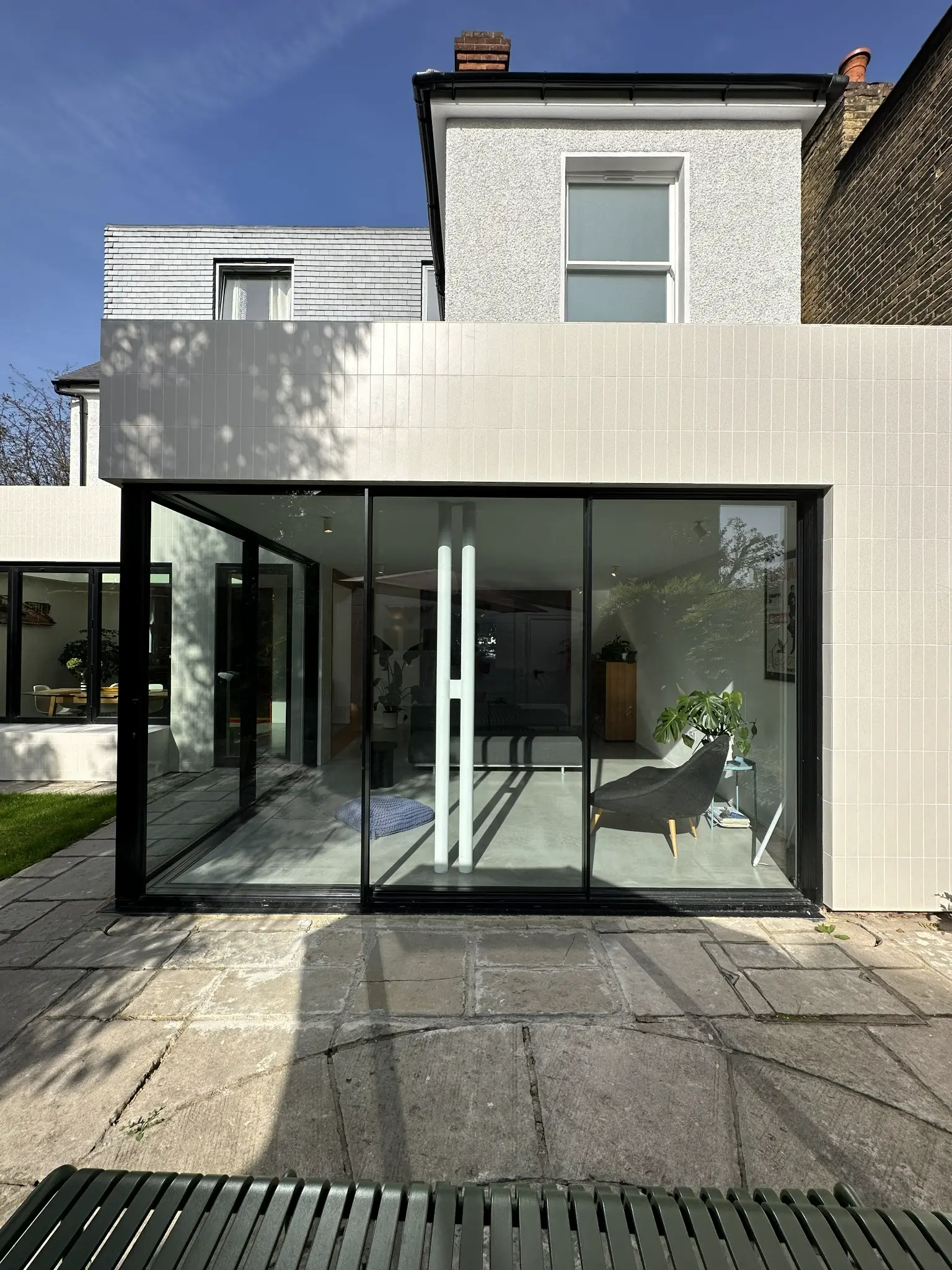
The solid components of an orangery allow for seamless integration with the existing architecture of the home, often looking more like a permanent, bespoke extension than a lightweight addition.
Cost and Complexity
Orangeries are significantly more complex and costly to build due to the structural requirements (foundations, solid roof construction, and Part L compliance checks) than a basic conservatory.
Planning Permission
Both types may fall under Permitted Development rights, but if the extension exceeds size limits or if the orangery requires full Building Control sign-off for integration, formal applications will be necessary.
When deciding, consider how you intend to use the space. If you require a fully integrated, heated room that feels like a natural part of your home, the orangery structure with high-performance glazing is the superior choice. If you are seeking a lighter, more affordable seasonal space, a high-specification conservatory might suffice, provided you invest heavily in solar control and thermal glazing to mitigate temperature extremes.
Always consult with a structural engineer and a Building Control professional early in the design process to ensure your chosen structure and glazing specifications meet all current UK standards.
Choosing the Right Glazing Partner
Whether you opt for the structural elegance of an orangery or the light-filled expanse of a conservatory, the quality of the glazing installation is paramount. The frames, seals, spacers, and glass coatings must be specified correctly to achieve the required U-values and ensure longevity.
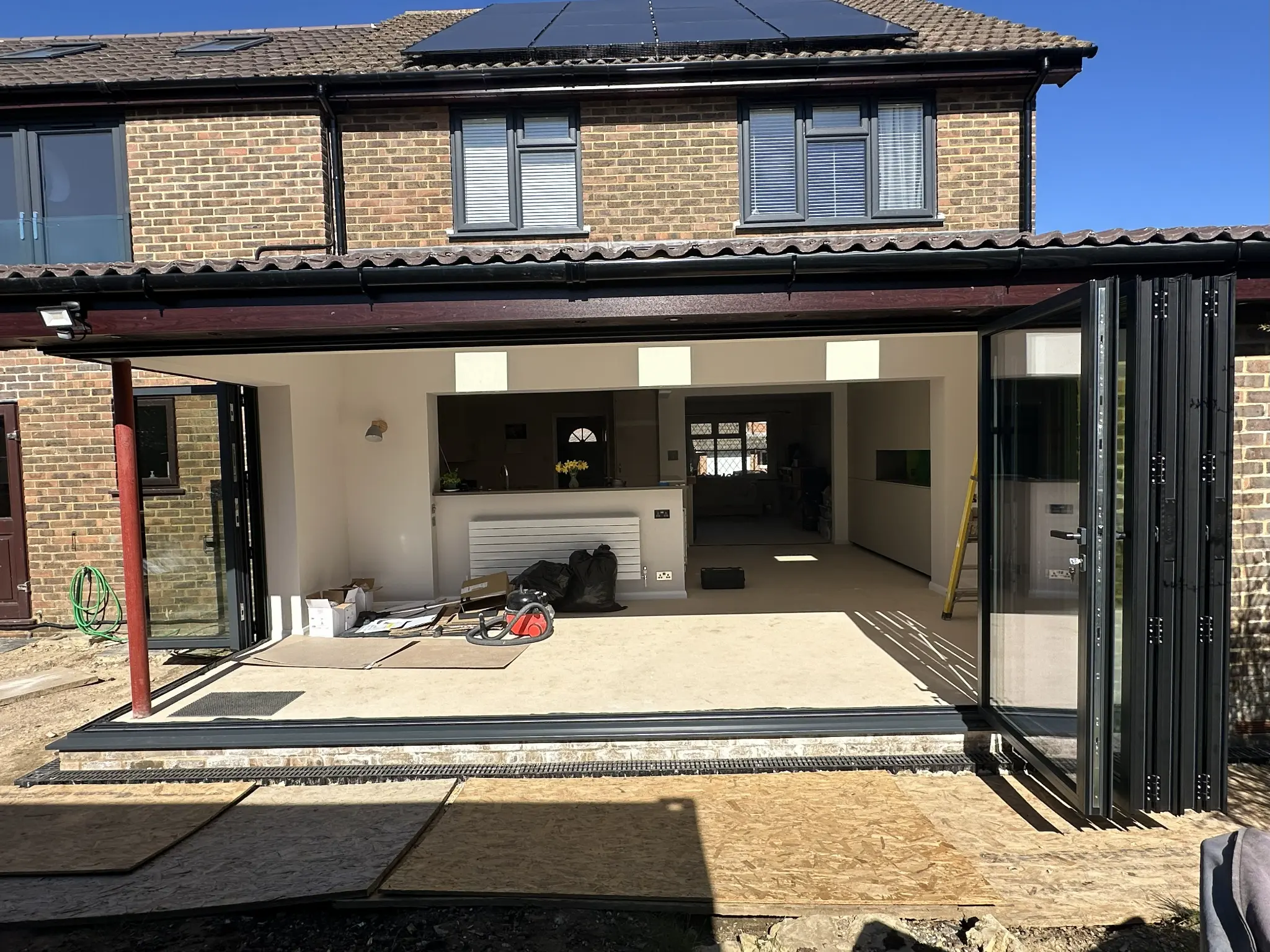
Shard AG specialises in supplying bespoke, high-performance architectural glazing solutions tailored for the UK climate. We work closely with architects and builders to ensure that every glazed element – from expansive bi-fold doors and sliding systems to thermally broken roof lanterns – meets or exceeds the strict requirements of UK Building Regulations Part L (2022). Our expertise ensures your new extension is not just beautiful, but thermally efficient and comfortable year-round.