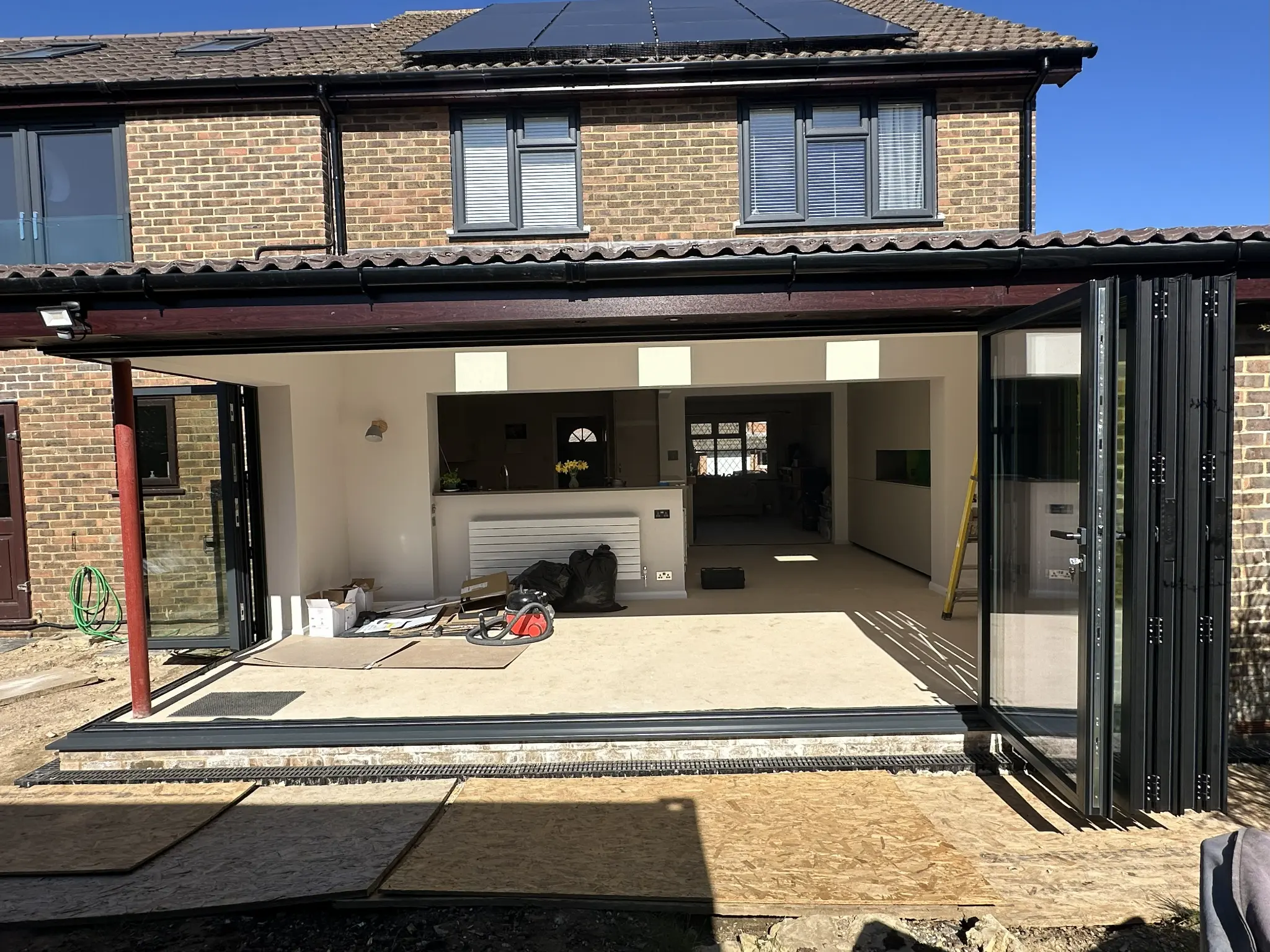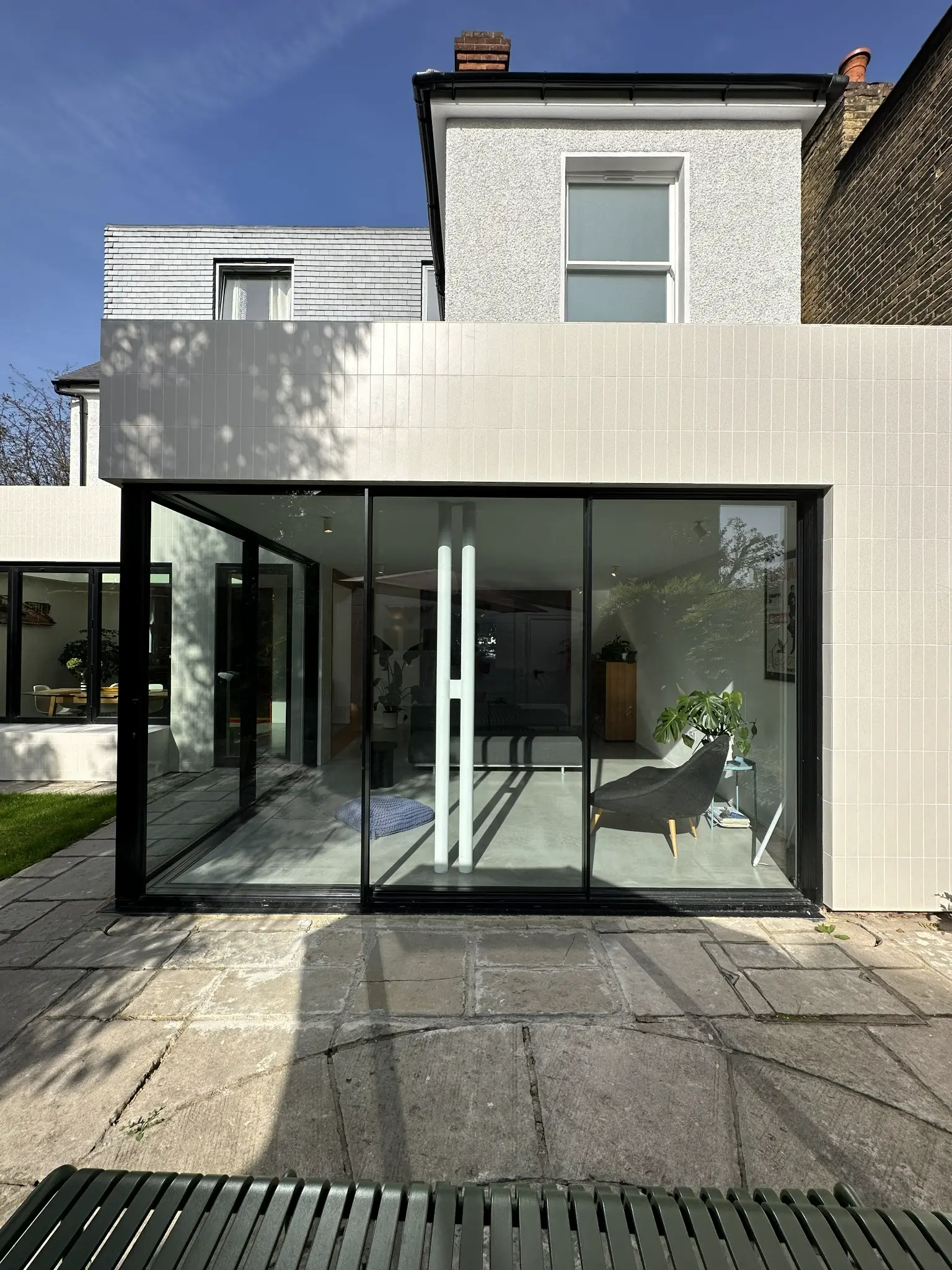


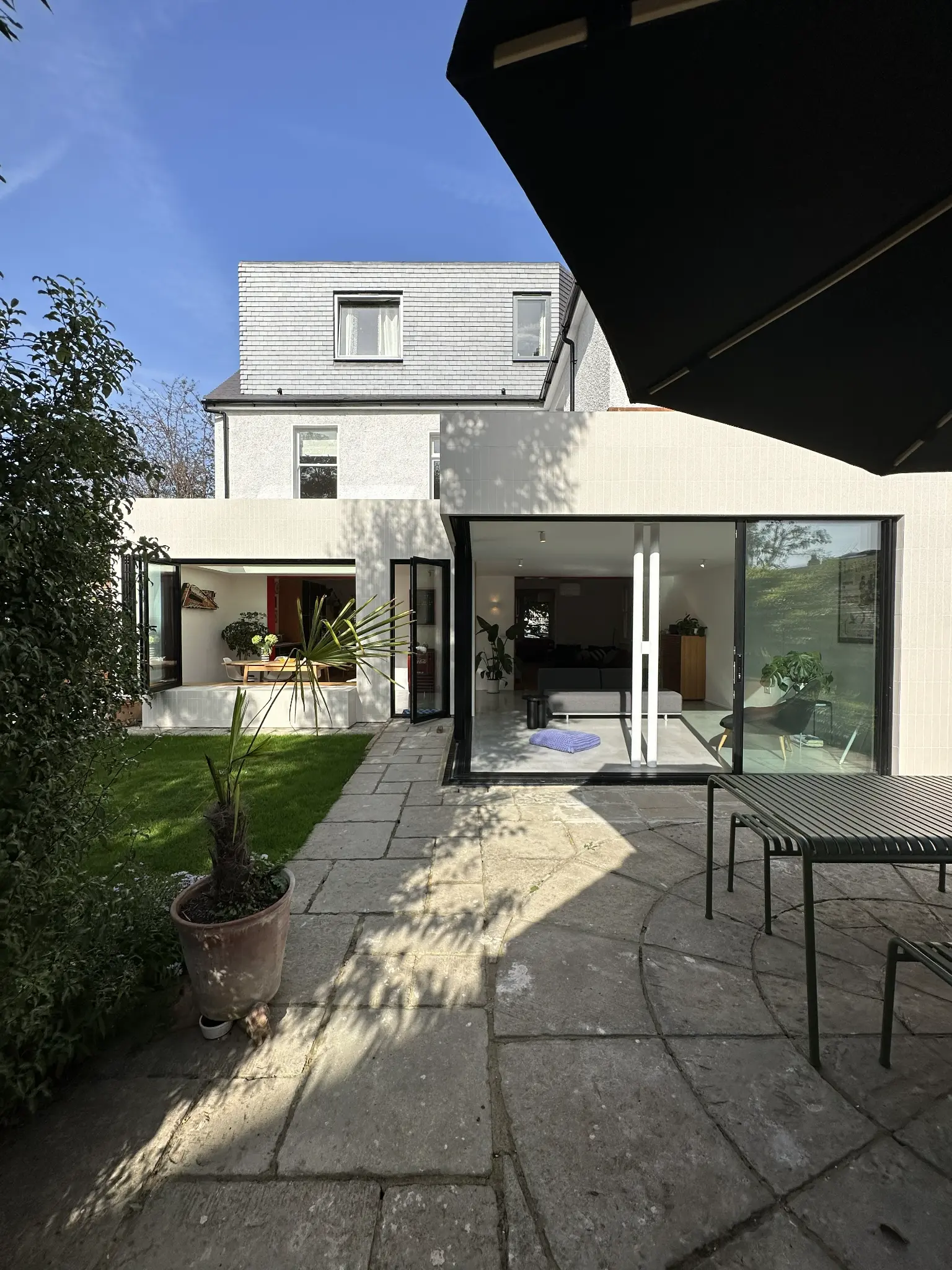

Pocket sliding doors, often referred to simply as 'pocket doors', are an increasingly popular architectural feature in modern UK homes. Unlike traditional hinged doors that require a substantial swing space, or standard sliding doors that stack against a wall, pocket doors disappear entirely into a cavity built within the wall structure. This ingenious mechanism offers significant advantages in terms of spatial efficiency and aesthetic design.
For homeowners undertaking renovations, extensions, or new builds, understanding the mechanics, installation requirements, and compliance standards associated with pocket door systems is crucial for a successful project.
What Are Pocket Sliding Door Systems?
A pocket sliding door system consists of a door panel (or panels) that slides horizontally and is concealed completely within a dedicated structural opening, known as the 'pocket'. The system relies on a robust track and roller mechanism installed within a metal frame kit, which is then integrated into the stud wall before the plasterboard is applied.
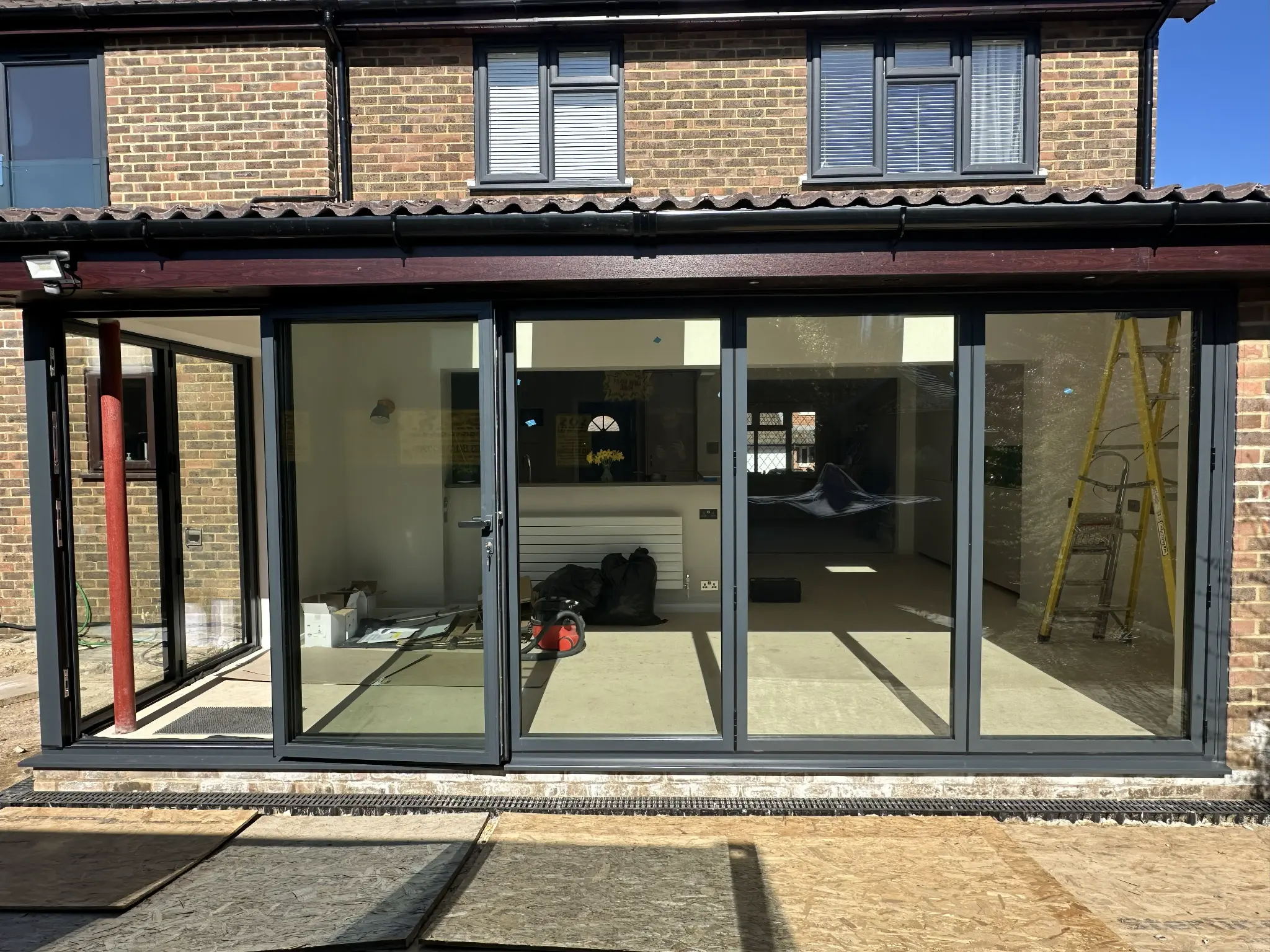
These systems are typically used internally to separate rooms (e.g., kitchen and dining room, or bedroom and ensuite), but external, thermally broken pocket systems are also available for creating seamless transitions to patios or gardens.
Key Components of a Pocket Door System
- The Frame Kit (Cassette): This is the essential structural component, usually made of galvanised steel or aluminium, which forms the cavity or 'pocket'. It must be rigid enough to support the door's weight and the surrounding wall finish.
- Track and Rollers: High-quality systems use smooth, durable rollers running on an overhead track. The quality of these components dictates the longevity and ease of operation.
- Door Panel: This can range from standard timber doors to heavy glazed panels. For external applications, the door must be thermally broken and use high-performance glazing.
- Hardware: Flush pull handles are standard, allowing the door to fully retract. Locking mechanisms are often integrated into the edge of the door stile.
Benefits and Practical Considerations
Pocket doors offer unique advantages, particularly in urban environments where space is at a premium. However, they also introduce specific construction challenges that must be addressed early in the design process.
Maximum Space Utilisation
By eliminating the door swing arc, pocket doors can save up to 10 square feet of usable floor space per door, allowing for better furniture placement and circulation in tight areas like hallways or small bathrooms.
Seamless Aesthetics
When fully open, the door disappears, creating an uninterrupted flow between rooms. This is ideal for open-plan living where flexible separation is desired without permanent barriers.
Accessibility
Pocket doors provide wide, clear openings, making them an excellent choice for improving accessibility (Part M compliance) compared to narrow hinged doors, particularly useful for wheelchair access.
Design Flexibility
They accommodate various door materials, including heavy solid timber, glass, and even double-door synchronised systems for very wide openings, offering extensive design freedom.
Potential Drawbacks and Construction Challenges
- Wall Depth Requirements: The wall must be deep enough to accommodate the pocket. Standard internal systems usually require the wall to be built using 100mm or 120mm studs (4 or 5 inches) to house the cassette and maintain structural integrity.
- Service Limitations: Once the pocket is installed, that section of the wall cannot contain electrical wiring, plumbing, or major structural elements like vertical supports or vents. Planning for services must happen before the wall is framed.
- Installation Complexity: Installing the cassette frame requires precision. While the final finish looks simple, the underlying structure is more complex than a standard door frame.
- Maintenance Access: While modern systems are highly reliable, accessing the track or rollers for maintenance or replacement usually requires removing the trim or header, which can be more involved than repairing a hinged door.
Technical Specifications and Glazing Options
When selecting a system, especially for external use or large internal glazed partitions, the technical specifications relating to thermal performance and structural integrity are paramount.
Internal Glazed Pocket Doors
For internal use, single-glazed panels are common, often using toughened or laminated safety glass (typically 6mm or 8mm thick). Glazed internal doors maximise light transfer while maintaining acoustic separation.
External Pocket Door Systems (Thermal Performance)
External pocket doors must meet stringent thermal performance standards as required by UK Building Regulations Part L (Conservation of Fuel and Power).
Pro Tip
When designing the pocket for an external door, ensure the structural opening incorporates a robust, thermally broken lintel above the track. Any steelwork penetrating the thermal envelope must be mitigated to prevent cold bridging, which can lead to condensation and heat loss.
| Requirement | UK Building Regulations Part L (2022 England) | Implication for External Pocket Doors |
|---|---|---|
| Maximum U-Value (Replacement Doors) | 1.4 W/m²K | The entire door assembly (frame, glass, and seals) must achieve this level of insulation. |
| Maximum U-Value (New Build Doors) | 1.2 W/m²K | Higher performance is required for new constructions and extensions. |
| Glazing Type | Low-emissivity (Low-E) double or triple glazing is mandatory. | The door frame must be thermally broken (often aluminium or high-performance composite) to prevent heat transfer through the material. |
| Airtightness | Crucial for compliance. | The seals and brush strips within the pocket mechanism must be high quality to prevent draughts when the door is closed. |
Building Regulations and Fire Safety
Any structural alteration or the installation of new external doors in the UK requires adherence to Building Regulations. While internal doors often fall under less strict scrutiny, external doors and doors affecting fire escape routes must comply fully.
Part L (Thermal Efficiency)
As detailed above, thermal performance is critical for external installations. Always specify systems with certified U-values that meet or exceed the 1.2 W/m²K (new build) or 1.4 W/m²K (replacement) standard.
Part B (Fire Safety)
Fire safety is a significant consideration, particularly in multi-storey properties or where the door separates a habitable room from an escape route (e.g., a hallway leading to the front door).
- Internal Pocket Doors: Standard pocket doors are generally not fire-rated. If a door is required to be fire-rated (e.g., connecting a garage to a house, or separating a hallway from a kitchen in a three-storey house), a specialist fire-rated pocket door system (FD30 or FD60) must be used. These systems incorporate intumescent seals and specific hardware and are significantly more complex and costly than standard systems.
- Escape Routes: If the pocket door is on an escape route, ensure the hardware allows for easy, quick opening from both sides without complex mechanisms.
Part M (Accessibility)
For new builds and major extensions, Part M requires doors to provide adequate clear opening widths. Pocket doors excel here, as the entire opening width can be utilised, typically requiring a minimum clear width of 800mm for accessibility compliance.
Installation, Maintenance, and Longevity
The longevity of a pocket door system is directly tied to the quality of the components and the precision of the installation.
Structural Preparation
The most critical stage is preparing the structural opening. The frame kit must be installed perfectly plumb and level. Any deviation will cause the door to drift or bind over time. If the wall is load-bearing, a suitable lintel must be installed above the track before the pocket frame is fitted.
Choosing Quality Hardware
Invest in high-quality roller bearings and tracks. Cheaper systems often use plastic rollers that wear quickly, leading to noisy or stiff operation. High-end systems feature soft-close mechanisms, which gently brake the door as it reaches the closed position, preventing slamming and increasing the lifespan of the system.
Maintenance
Modern pocket door systems are generally low maintenance. The primary requirement is keeping the floor track (if applicable) and the overhead track free of debris. If the door begins to stick or run roughly, the rollers may need cleaning or, rarely, adjustment. Unlike hinged doors, adjustments are usually made via access plates in the header above the pocket, not by lifting the door off its hinges.