
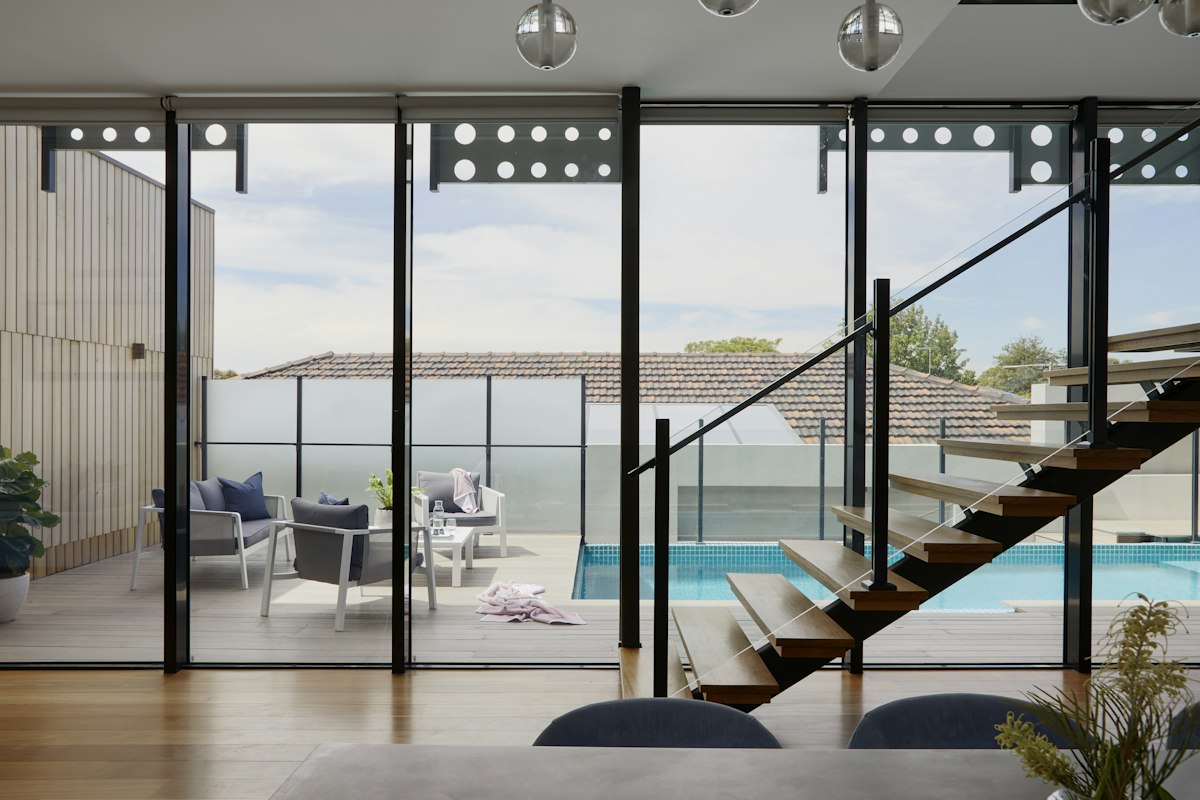

Smart glass, also known as switchable glass or privacy glass, represents one of the most significant advancements in architectural glazing in recent years. Moving beyond traditional static glass, smart glass allows homeowners to dynamically control light, privacy, and heat gain with the flick of a switch or via an integrated smart home system. For UK homeowners considering high-tech upgrades, understanding how this technology works, its practical applications, and compliance with local standards is essential.
Understanding Smart Glass Technologies
Smart glass refers to glazing that changes its light transmission properties when voltage, light, or heat is applied. While several technologies exist, two types dominate the residential market in the UK: Electrochromic (EC) and Polymer Dispersed Liquid Crystal (PDLC).
Polymer Dispersed Liquid Crystal (PDLC) Film
PDLC is the most common form of switchable privacy glass used internally and externally for instant privacy control. This technology uses a film laminated between two panes of glass, containing tiny liquid crystal droplets suspended in a polymer matrix.
- Off State (Opaque): When no electrical current is applied, the liquid crystals are randomly scattered, diffusing light and rendering the glass opaque (frosted).
- On State (Clear): When a small electrical charge is applied, the crystals align instantly, allowing light to pass through and making the glass transparent.
PDLC is excellent for immediate privacy but does not significantly block solar heat gain or glare when clear, although it offers good UV protection in both states.
Electrochromic (EC) Glass
Electrochromic glass, often referred to as 'dynamic glass', changes its tint in response to an electrical charge. Unlike PDLC, which switches between opaque and clear, EC glass modulates the amount of light and heat passing through, offering sophisticated solar control.
- Functionality: EC glass uses thin ceramic coatings (metal oxides) that darken when a low voltage is applied, blocking solar radiation and reducing glare.
- Speed: EC glass transitions much slower than PDLC, sometimes taking several minutes to fully tint, making it unsuitable for instant privacy but ideal for managing ambient light and temperature.
Practical Applications in the UK Home
Smart glass offers aesthetic and functional benefits that are particularly valuable in modern British architecture, where maximising natural light while maintaining privacy is often a challenge.
Privacy and Space Management
The most popular use of PDLC smart glass is for instant privacy, eliminating the need for blinds or curtains in certain areas.
- Bathrooms and En-Suites: Allows large windows for natural light without compromising modesty.
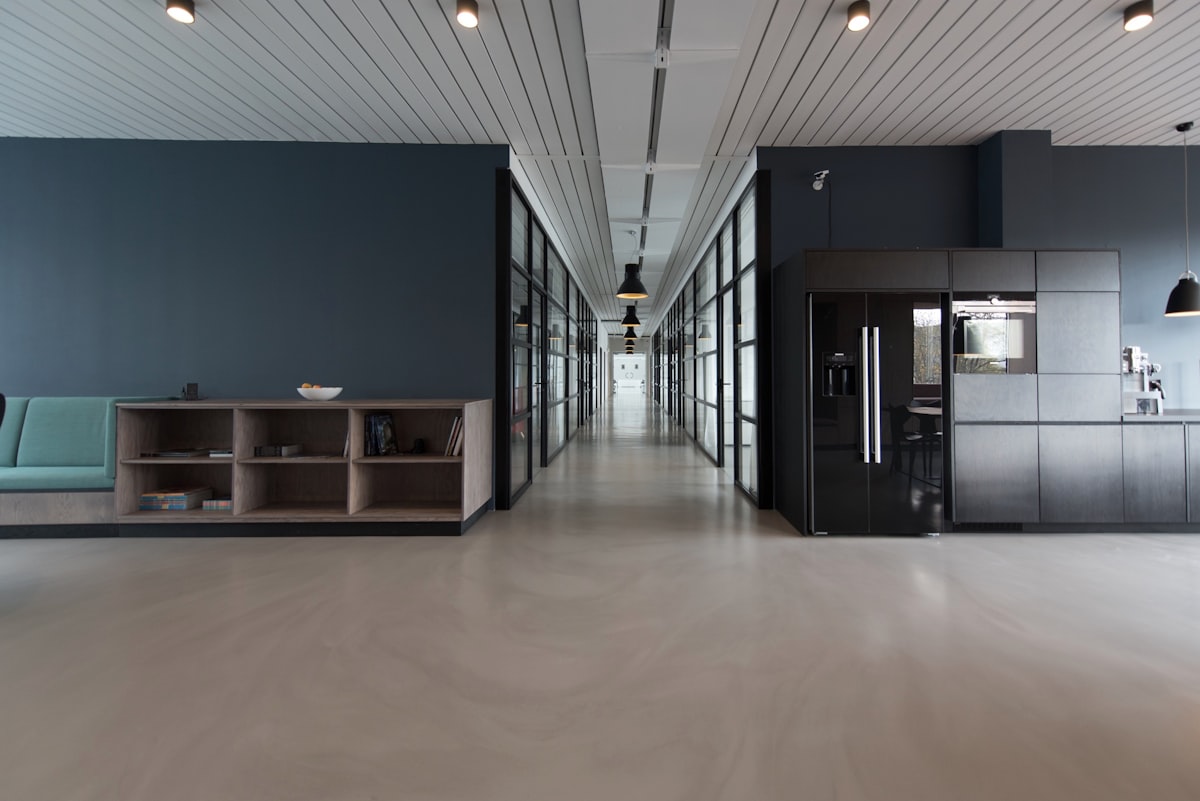
- Internal Partitions: Creating flexible open-plan living. A kitchen/dining area can be separated from a living room with a clear glass wall that instantly becomes opaque for privacy or focus.
- Skylights and Rooflights: PDLC can diffuse harsh sunlight or provide instant shade, although EC glass is often better for large-scale solar control.
Energy Efficiency and Solar Control
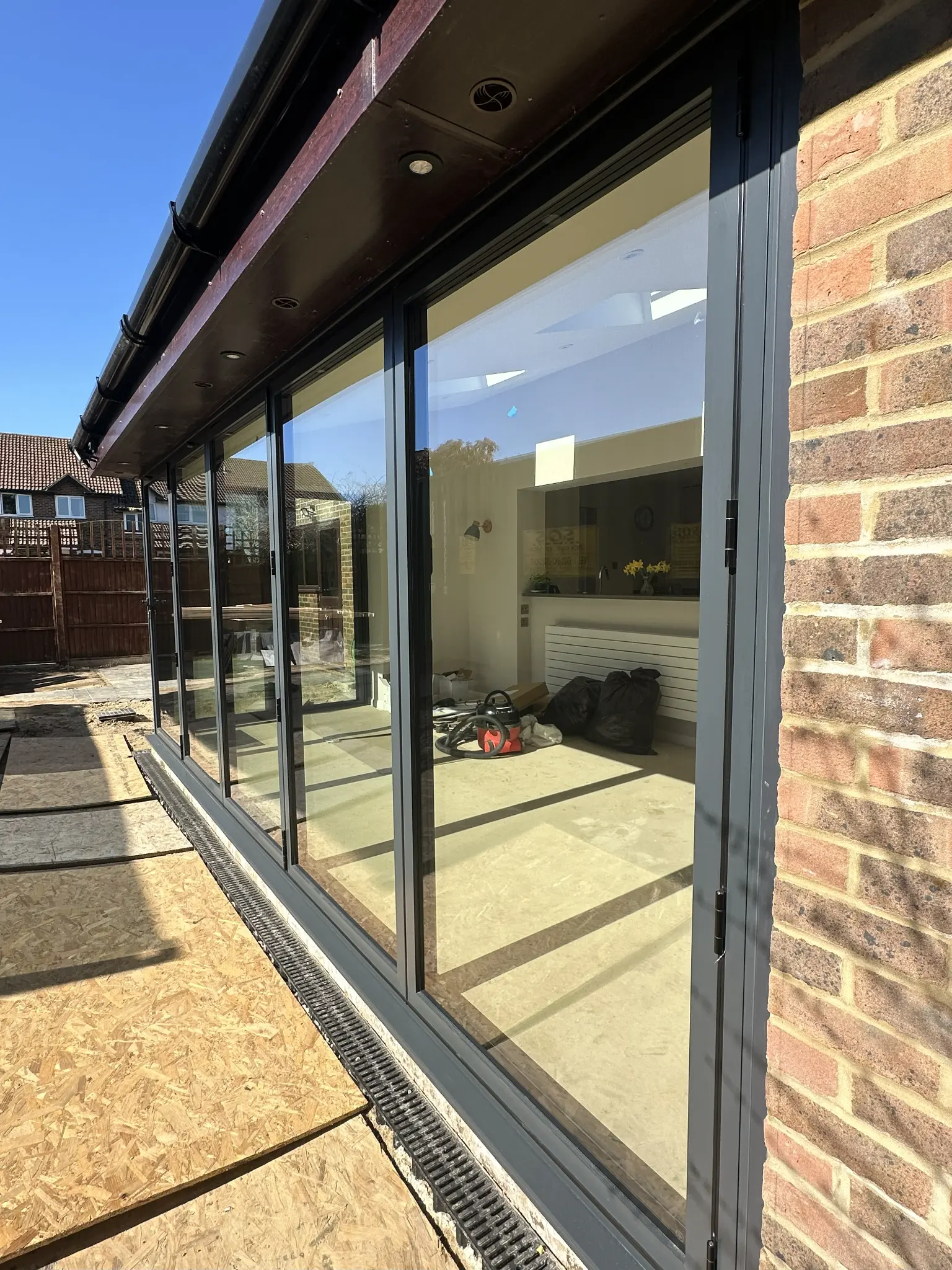
EC glass is primarily an energy management tool, crucial for meeting modern UK energy standards, especially in large glazed areas (e.g., bi-fold doors, large picture windows, conservatories).
Pro Tip
When specifying smart glass for external use in the UK, always ensure it is integrated into a high-performance double or triple-glazed unit. The smart film or coating only controls light/privacy; the overall U-value is determined by the gas fill, spacer bar, and frame material. Aim for a U-value of 1.4 W/m²K or lower to comply with replacement window standards.
Hygiene and Maintenance
In clinical or high-end residential settings, smart glass is often preferred over blinds because it is easier to clean and does not harbour dust or allergens, contributing to a cleaner aesthetic.
Technical and Regulatory Considerations
Integrating smart glass into a UK property requires careful planning regarding electrical supply, control systems, and compliance with Building Regulations.
Electrical Requirements
Smart glass requires a low voltage AC power supply (typically 48V or 65V) provided by a transformer (driver). This driver must be installed by a qualified electrician and typically needs to be hidden in a nearby ceiling void, wall cavity, or joinery unit.
- Wiring: Wiring must be discreetly routed through the window frame or adjacent wall structure. For large installations, multiple drivers may be required.
- Control: Systems can be controlled via a standard wall switch, remote control, or integrated into a smart home system (e.g., KNX, Control4, or simple Wi-Fi relays).
Building Regulations Part L (Conservation of Fuel and Power)
All new and replacement glazing in England must meet specific thermal performance standards outlined in Approved Document L (2022). While smart glass offers solar control benefits, the base U-value of the window unit must still comply.
| Application | Maximum U-value Requirement (England 2022) | Relevance to Smart Glass |
|---|---|---|
| New Build Windows/Doors | 1.2 W/m²K | Smart glass must be integrated into high-specification double or triple glazing to meet this stringent requirement. |
| Replacement Windows/Doors | 1.4 W/m²K | Achievable with standard insulated glass units (IGUs) incorporating PDLC or EC film/coating. |
| Thermal Element U-values (Context) | Walls: 0.18 W/m²K, Roofs: 0.15 W/m²K | Demonstrates the high performance required for the building envelope; glazing must not be the weakest link. |
While the electrical components of smart glass fall under Part P (Electrical Safety), the thermal performance of the glazed unit itself is governed by Part L. EC glass, due to its ability to dynamically reduce solar heat gain (g-value), can sometimes contribute positively to SAP calculations for large-scale projects.
Cost, Investment, and Durability
Smart glass technology represents a premium investment compared to standard high-performance glazing. Homeowners should budget significantly more per square metre, plus the cost of electrical installation.
Factors Influencing Cost
- Technology Type: PDLC is generally less expensive than large-format EC glass, which incorporates complex ceramic coatings.
- Size and Shape: Custom sizes, curved glass, or unusually large panels increase manufacturing complexity and cost.
- Integration: The complexity of the control system (simple switch vs. integrated smart home automation) affects installation costs.
Durability and Lifespan
Modern smart glass is highly durable. PDLC film is protected within the laminated glass structure, safeguarding it from environmental damage. The typical lifespan for the switching mechanism is usually rated for millions of cycles, ensuring longevity in a residential setting. Power consumption is extremely low, often comparable to a small LED light bulb when the glass is switched on.
Advantages and Limitations of Switchable Glazing
Before committing to smart glass, homeowners must weigh the significant benefits against the practical limitations.
Instant Privacy Control
Offers immediate, seamless transition from clear to opaque, replacing the need for traditional window dressings like blinds or curtains, enhancing minimalism.
Superior Solar Management
Electrochromic glass dynamically controls solar heat gain (g-value), reducing cooling loads in highly glazed extensions and preventing overheating.
Enhanced Aesthetics
Creates clean, modern sightlines, particularly effective in internal spaces or minimalist external facades, offering a high-tech, luxury feel.
UV Protection
Most smart glass films and coatings block over 99% of harmful UV radiation, protecting internal furnishings, flooring, and artwork from fading.
Key Limitations
- Haze Effect (PDLC): When PDLC glass is opaque, it diffuses light but does not completely block it. There can be a slight 'haze' or milky appearance, and objects very close to the glass may still be faintly visible.
- Cost Premium: The initial investment is substantially higher than conventional glazing, which may not be justifiable for all budget levels.
- Power Requirement: Requires electrical wiring to the glass unit, necessitating careful planning during the design and construction phase, especially for existing properties.
- Edge Clarity: For PDLC, there is often a small, permanent clear border (typically 10-20mm) around the perimeter where the electrical busbar is located.
Choosing the Right Supplier and Installer
Due to the complex integration of electrical and glazing elements, selecting a specialist supplier is crucial. Ensure the company provides full technical specifications, including U-values and g-values, and guarantees the electrical components and the glass unit itself.
A reputable supplier should be able to advise on:
- Compliance with UK Building Regulations Part L for external applications.
- The necessary transformer size and location for the installation.
- Integration options with your existing or planned smart home infrastructure.
For UK homeowners seeking to incorporate this cutting-edge technology, working with experts who understand both the high-performance glazing requirements and the electrical installation standards is paramount to achieving a successful, compliant, and durable result.
***
Shard AG Expertise: As specialists in advanced architectural glazing solutions across the UK, Shard AG offers bespoke smart glass integration services. We work closely with architects and electricians to ensure seamless installation, providing high-performance PDLC and EC glass tailored to meet stringent UK Building Regulation standards and sophisticated design requirements. Contact us to discuss how switchable privacy glass can transform your property.