Sustainable Glazing: A UK Homeowner's Guide to Energy Efficiency
Explore the sustainable glazing options available for UK homes, focusing on thermal performance, U-values, and compliance with current Building Regulations Part L (2022).

Shard Architectural Glazing
31 January 2026
Explore the sustainable glazing options available for UK homes, focusing on thermal performance, U-values, and compliance with current Building Regulations Part L (2022).
📋In This Article
Sustainable Glazing: A UK Homeowner's Guide to Energy Efficiency
As energy costs rise and the focus on reducing carbon emissions intensifies, choosing sustainable glazing is one of the most impactful decisions a UK homeowner can make during renovation or new build projects. Modern windows and doors are no longer just openings for light; they are high-performance architectural elements crucial to maintaining thermal comfort and meeting stringent energy efficiency standards.
This guide explores the technical aspects, material choices, and regulatory requirements necessary to specify truly sustainable glazing for your home.
Understanding U-Values and Part L Compliance
The cornerstone of sustainable glazing is its thermal performance, measured by the U-value (measured in Watts per square metre Kelvin, W/m²K). The U-value indicates how quickly heat escapes through a material. Lower U-values mean better insulation and greater energy efficiency.
In England, the minimum performance standards for thermal elements are set out in the Building Regulations Approved Document L (Conservation of Fuel and Power). The 2022 update significantly tightened these requirements, pushing the industry towards higher specification products.
Key Performance Targets for Glazing (Part L 2022, England)
- New Dwellings: Windows and doors must achieve a maximum U-value of 1.2 W/m²K.
- Existing Dwellings (Replacement Windows): The maximum U-value permitted is 1.4 W/m²K.
- Thermal Efficiency Context: For comparison, other elements in a new build typically require U-values of 0.18 W/m²K (Walls/Floors) and 0.15 W/m²K (Roofs). Glazing, by its nature, remains the weakest thermal link, making high-performance specification critical.
When planning any major glazing installation, it is essential to ensure that the chosen products meet or exceed these standards. Failure to comply could affect the sign-off from local Building Control.
Pro Tip
Always request the specific U-value certificate for the entire window assembly (the frame and glass together, known as the Uw value), not just the glass unit (Ug value). A low Ug value does not guarantee a compliant Uw value, especially if the frame material is poor or the spacer bars are standard aluminium.
Choosing High-Performance Glass Technologies
The glass unit itself is responsible for the majority of thermal transfer. Sustainable glazing relies heavily on advanced technologies to minimise heat loss and manage solar gain.
Double Glazing vs. Triple Glazing
While standard double glazing (with a U-value around 2.8 W/m²K) is obsolete, modern double glazing using low-emissivity (Low-E) coatings and argon gas filling can comfortably achieve the 1.4 W/m²K replacement standard, and often better (down to 1.2 W/m²K).
Triple Glazing offers superior performance, typically achieving U-values between 0.8 and 1.0 W/m²K. While this exceeds current minimum requirements, it is often preferred in passive house designs or homes seeking maximum thermal efficiency.
- Pros of Triple Glazing: Significantly lower U-value, excellent acoustic insulation, virtually eliminates cold spots and condensation.
- Cons of Triple Glazing: Higher initial cost, increased weight (requiring robust frames and installation), and reduced light transmission (though minimal with modern coatings).
Low-Emissivity (Low-E) Coatings
Low-E coatings are microscopically thin, virtually invisible metallic layers applied to one or more internal surfaces of the glass unit. These coatings reflect long-wave infrared radiation (heat) back into the room, drastically reducing heat loss without significantly affecting visible light transmission.
Warm Edge Spacer Bars
The spacer bar separates the panes of glass. Traditional aluminium spacers conduct heat readily, creating a thermal bridge at the edge of the unit. Sustainable glazing uses warm edge spacer bars, typically made from composite materials or structural foam, which significantly reduce heat transfer at the perimeter, improving the overall Uw value and reducing the risk of edge condensation.
Sustainable Frame Materials: Performance and Longevity
The frame accounts for 20-30% of the total window area and is crucial for structural integrity and thermal performance. The choice of material impacts insulation, embodied carbon, and lifespan.
Material Comparison for Sustainability
| Material | Typical U-Value Range (Frame Only) | Embodied Carbon Consideration | Longevity & Maintenance |
|---|---|---|---|
| uPVC (Unplasticised Polyvinyl Chloride) | 1.2 – 1.6 W/m²K | Moderate. Recyclability is improving, especially in closed-loop systems. | High longevity (30+ years). Low maintenance. |
| Timber (Hardwood/Softwood) | 1.0 – 1.4 W/m²K | Low/Negative (if sustainably sourced, FSC certified). Excellent insulator. | High longevity (60+ years) but requires regular maintenance (painting/staining). |
| Aluminium (Thermally Broken) | 1.2 – 1.6 W/m²K | High initial embodied energy, but highly recyclable. Requires thermal break technology. | Very high longevity (40+ years). Minimal maintenance. Ideal for large spans. |
| Composite (Timber-Aluminium) | 0.8 – 1.2 W/m²K | Balanced. Combines the thermal efficiency of timber internally with the durability of aluminium externally. | Excellent longevity. Minimal external maintenance. Premium cost. |
The Importance of Thermal Breaks in Aluminium
Aluminium is inherently conductive. To make it sustainable for UK housing, all aluminium frames must incorporate a polyamide thermal break. This non-metallic barrier separates the inner and outer sections of the frame, preventing heat transfer and ensuring the overall Uw value remains compliant. Without a robust thermal break, aluminium frames are highly inefficient and should be avoided.
Managing Solar Gain and Orientation
Sustainability isn't just about keeping heat in; it's also about managing heat gain from the sun (solar gain). Excessive solar gain can lead to overheating, requiring energy-intensive air conditioning or ventilation, which negates the benefits of high insulation.
Solar Heat Gain Coefficient (SHGC or G-Value)
The G-value measures the fraction of solar energy that passes through the glass. A G-value of 0.7 means 70% of the sun's heat enters the building. For sustainable design:
- South-Facing Glazing: In the UK, south-facing windows benefit from winter solar gain but can overheat in summer. A moderate G-value (around 0.45 to 0.55) is often specified, combined with external shading (e.g., overhangs or brise soleil) to block high summer sun.
- North-Facing Glazing: Receives little direct sun, so maximising light transmission and minimising heat loss is key. Coatings should focus purely on low U-values.
- East/West-Facing Glazing: Prone to low-angle, intense morning or afternoon sun. Adjustable shading (blinds, shutters) is highly recommended to prevent glare and overheating.
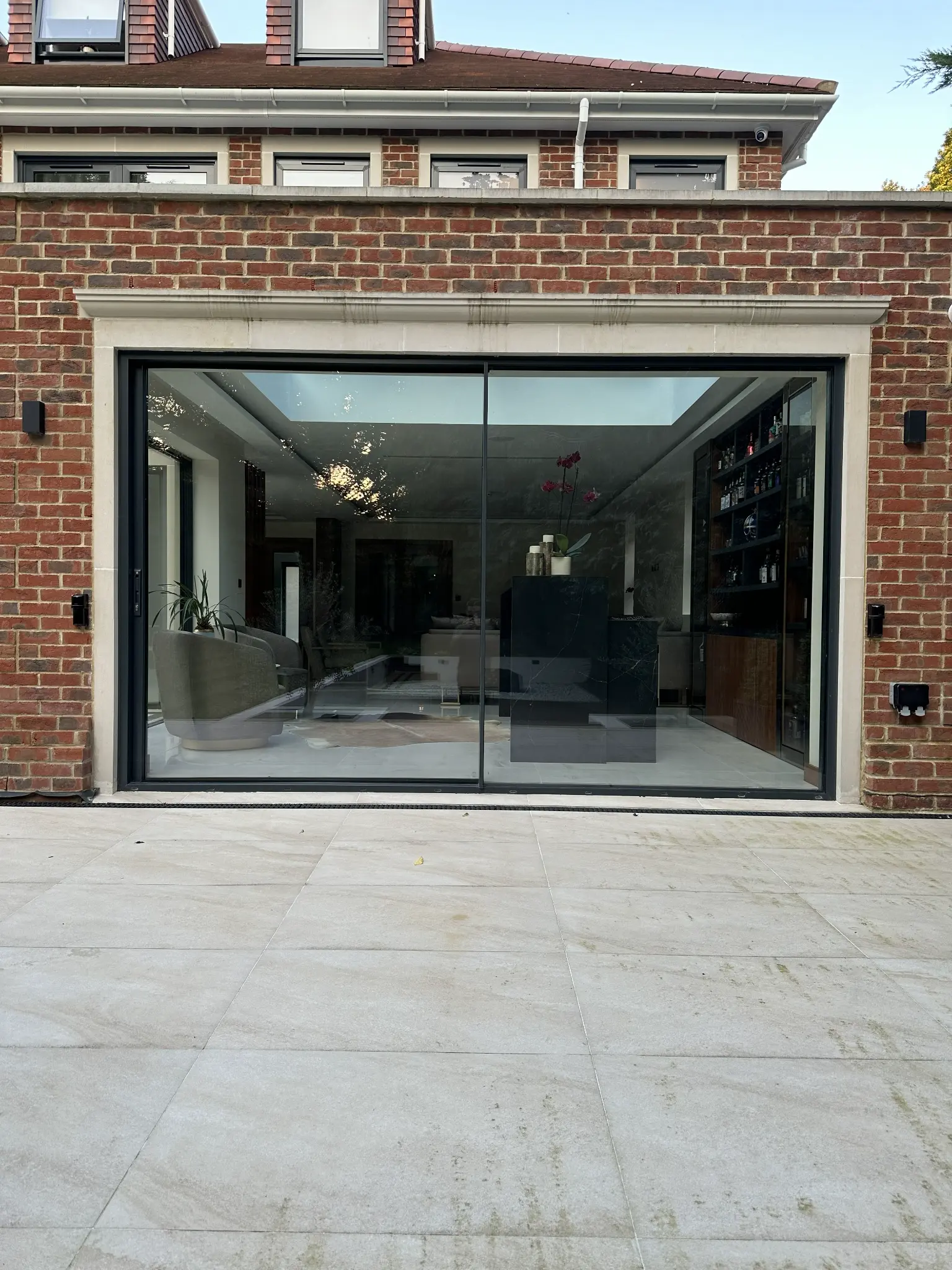
For large expanses of glass, such as bi-fold doors or sliding patio doors, specifying glass with a lower G-value (often referred to as solar control glass) is essential to maintain a comfortable internal temperature during warmer months.
Lifecycle and Embodied Carbon Considerations
A truly sustainable choice must consider the entire lifecycle of the product, from raw material extraction to disposal or recycling. This is known as embodied carbon.
Recyclability and Durability
The best sustainable option is the one that lasts the longest and requires the fewest replacements. When selecting materials, investigate the manufacturer's commitment to recycling:
- Aluminium: Requires high energy to produce initially, but is 100% recyclable repeatedly with minimal loss of quality, making it excellent for circular economy models.
- uPVC: Modern uPVC frames can be recycled multiple times, reducing landfill waste. Look for companies that guarantee closed-loop recycling processes.
- Timber: If certified by organisations like the Forest Stewardship Council (FSC), timber is considered carbon-negative during its growth phase. Its longevity, provided it is well maintained, makes it a highly sustainable choice.
Reduced Energy Bills
High-performance glazing drastically cuts heat loss, leading to lower demand for central heating and significant savings on gas or electricity bills.
Improved Comfort
Eliminating cold spots and draughts around windows ensures a more consistent and comfortable internal temperature throughout the home.
Acoustic Insulation
The multiple layers and gas fills in modern units, especially triple glazing, offer superior noise reduction, beneficial for urban or busy locations.
Compliance & Value
Meeting or exceeding current UK Building Regulations (Part L) ensures compliance, future-proofs your home, and enhances its market value.
Installation and Airtightness
Even the most advanced sustainable glazing unit will fail to perform if it is installed poorly. Heat loss through air leakage (draughts) around the frame perimeter can account for a significant percentage of total energy waste.
Achieving airtightness is paramount. This involves careful sealing of the gap between the window frame and the wall structure. Professionals typically use expanding foam, air-tightness tapes, and specialised sealants to ensure a continuous thermal and air barrier.
In high-specification projects, such as those aiming for passive house standards, air permeability testing (often measured in m³/(h.m²)) is conducted to verify the building envelope's integrity. While not mandatory for standard renovations, ensuring a meticulous, airtight installation is crucial for maximising the return on investment in sustainable glazing.
If you are undertaking a self-build or major renovation in the UK, consult with your architect or energy consultant to specify airtightness requirements alongside U-values.
***
About Shard AG: At Shard AG, we specialise in providing UK homeowners and developers with bespoke, high-performance architectural glazing solutions. We focus exclusively on products that meet or exceed the rigorous thermal standards set by UK Building Regulations Part L (2022), ensuring exceptional energy efficiency and longevity. Our expertise covers thermally broken aluminium systems, high-specification composite frames, and advanced solar control glass, tailored to the specific needs of your project.
Explore Our Products
Discover how Shard Architectural Glazing can transform your home with our premium glazing solutions:
Ready to Transform Your Home?
Get in touch with our expert team for a free consultation and personalised quote. We'll help you choose the perfect glazing solution for your property.