

The Quiet Revolution: Mastering Acoustic Insulation with Architectural Glazing
Discover how premium architectural glazing, including acoustic laminated glass and advanced window systems, can transform your home into a peaceful sanctuary, blocking out unwanted noise.

Shard Architectural Glazing
24 December 2025
Discover how premium architectural glazing, including acoustic laminated glass and advanced window systems, can transform your home into a peaceful sanctuary, blocking out unwanted noise.
📋In This Article
In the bustling modern world, finding peace and quiet within your own home is becoming increasingly vital. Whether you live near a busy road, a flight path, or simply desire a tranquil living space, acoustic insulation in windows is the key to achieving that sanctuary. At Shard Architectural Glazing, we understand that true luxury encompasses not just aesthetics and thermal efficiency, but also the quality of your environment. This guide explores how advanced architectural glazing systems can effectively mitigate noise pollution, ensuring your home remains a haven of calm.
Understanding Noise Pollution and the Role of Glazing
Noise pollution is measured in decibels (dB) and different types of noise require specific solutions. Traffic, aircraft, and urban chatter are common culprits that penetrate standard single or even basic double glazing. To effectively block these sounds, windows must absorb and reflect sound waves rather than allowing them to vibrate through the glass and frame.
The effectiveness of a window system in reducing noise is typically measured using the Weighted Sound Reduction Index (Rw) or the Sound Transmission Class (STC). A higher Rw rating indicates superior noise reduction. Standard double-glazed units might offer an Rw of around 28-30 dB, but premium acoustic glazing systems, like those offered by Shard AG, can push this figure significantly higher, often reaching 40 dB or more, dramatically reducing the perceived volume inside the property.
Achieving optimal acoustic performance requires looking beyond just the glass. The entire system—the frame material, the quality of the seals, and the installation method—must work cohesively. A perfectly specified pane of acoustic glass will fail if the frame allows air gaps or if the seals are inadequate. This holistic approach is central to Shard Architectural Glazing's commitment to quality.

The Science Behind Acoustic Glazing Solutions
Effective acoustic insulation relies on two primary principles: mass and decoupling. Architectural glazing employs several techniques to maximise these principles.
Acoustic Laminated Glass
This is arguably the most effective solution. Acoustic laminated glass consists of two panes of glass bonded together with a specialised interlayer, usually Polyvinyl Butyral (PVB). This interlayer is viscoelastic, meaning it dampens sound waves by converting their vibrational energy into heat. Crucially, the PVB interlayer acts as a sound buffer, preventing sound waves from resonating through the entire pane. Shard AG frequently recommends this solution for properties facing high levels of external noise.
Asymmetric Double Glazing
In standard double glazing, both panes are usually the same thickness (e.g., 4mm/16mm cavity/4mm). This symmetry allows sound waves to resonate easily. Asymmetric glazing uses panes of different thicknesses (e.g., 6mm/16mm cavity/10mm). The differing masses disrupt the sound frequency, significantly improving noise reduction without the added expense of a specialised acoustic interlayer.
Wider Cavities and Inert Gases
Increasing the gap between the glass panes (the cavity) can improve acoustic performance, up to a certain point. While wider cavities often improve thermal efficiency, they can sometimes worsen acoustic performance due to internal resonance if not properly managed. However, combining a wider cavity (typically 16mm or more) with asymmetric glass and filling the cavity with an inert gas like Argon or Krypton helps to further dampen sound transmission.
Pro Tip
When specifying acoustic glazing, always consider the source of the noise. Low-frequency noise (like heavy traffic) requires thicker glass and larger air gaps, while high-frequency noise (like voices or sirens) is better handled by acoustic laminated interlayers. Consult with a Shard AG specialist to tailor the specification to your specific noise profile.
Choosing the Right Architectural Glazing System
The type of window or door system you choose—be it large format sliding doors, bespoke rooflights, or traditional casement windows—will impact the acoustic performance. Shard Architectural Glazing’s premium systems are designed to integrate high-performance acoustic glass seamlessly.
Sliding Doors and Bifold Doors
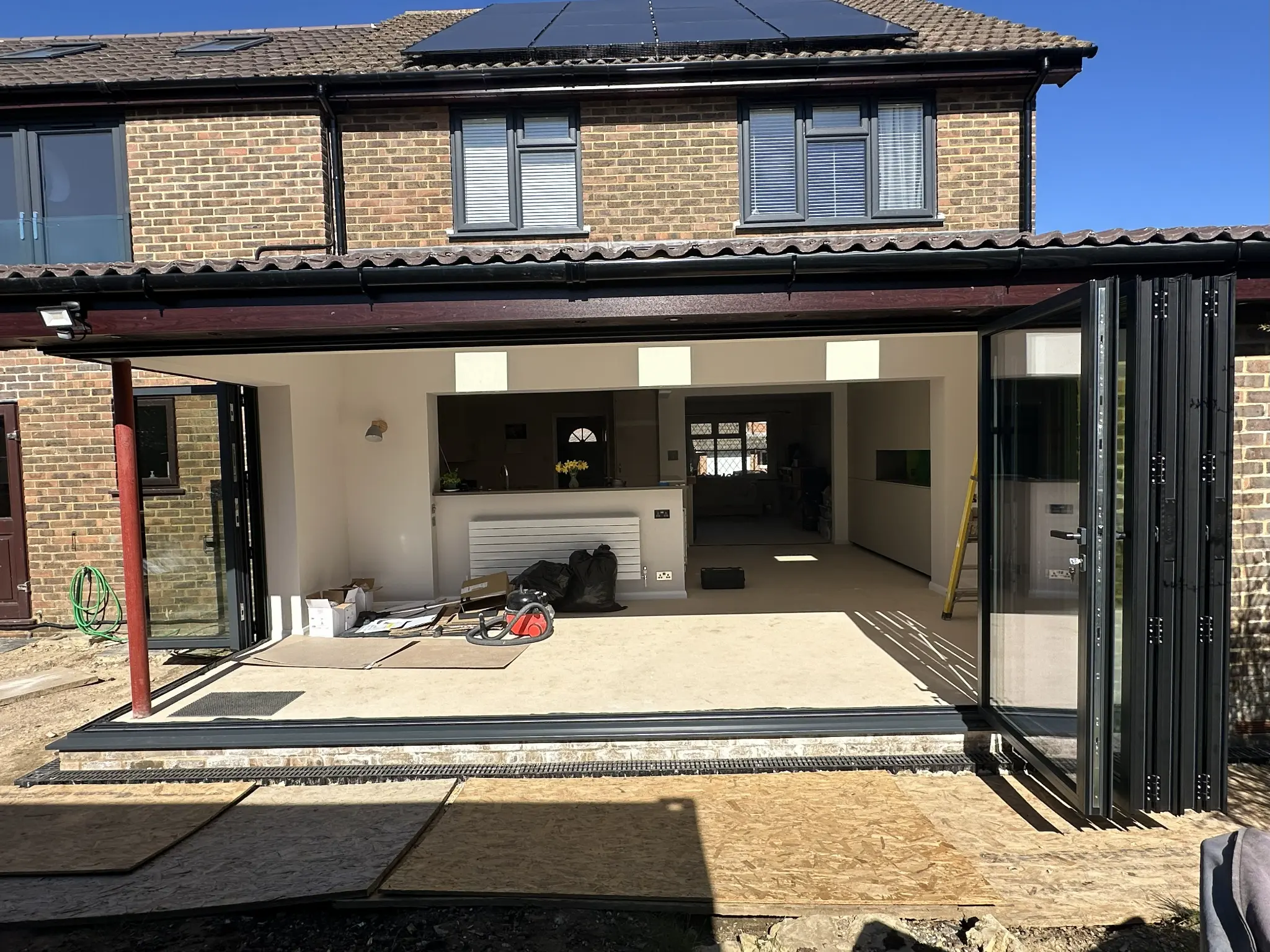
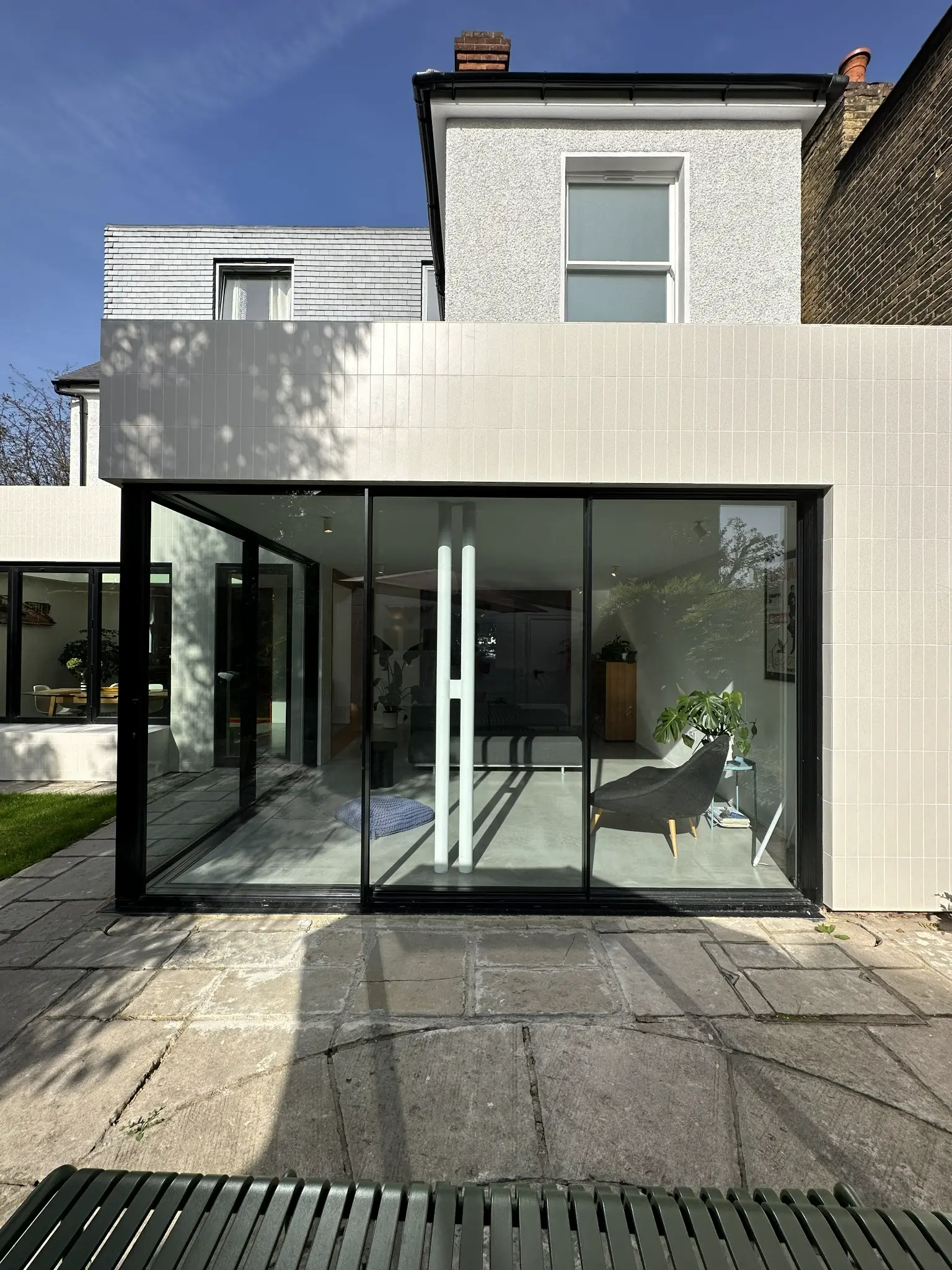
For large openings, such as those covered by our signature sliding doors, the sheer surface area of glass makes acoustic performance critical. We use robust, thermally broken aluminium frames combined with acoustic laminated glass. The quality of the seals and the locking mechanism in premium sliding doors ensures an airtight closure, which is essential for blocking sound.
Rooflights and Skylights
Noise from rain, hail, or aircraft can be particularly intrusive through roof glazing. Acoustic laminated glass is mandatory for rooflights to ensure safety, but it also provides excellent sound dampening. Shard AG specifies systems that minimise drumming noise caused by precipitation, maintaining tranquility even during a heavy downpour.
Enhanced Property Value
Homes with superior acoustic insulation are highly desirable, particularly in urban areas, leading to increased market value.
Improved Sleep Quality
Eliminating external noise disturbances promotes deeper, more restorative sleep and overall well-being.
Energy Efficiency
Acoustic glazing often incorporates excellent thermal breaks, meaning you benefit from lower energy bills alongside the noise reduction.
Increased Privacy
Thick, laminated glass not only blocks sound entering but also reduces sound escaping, enhancing internal privacy.
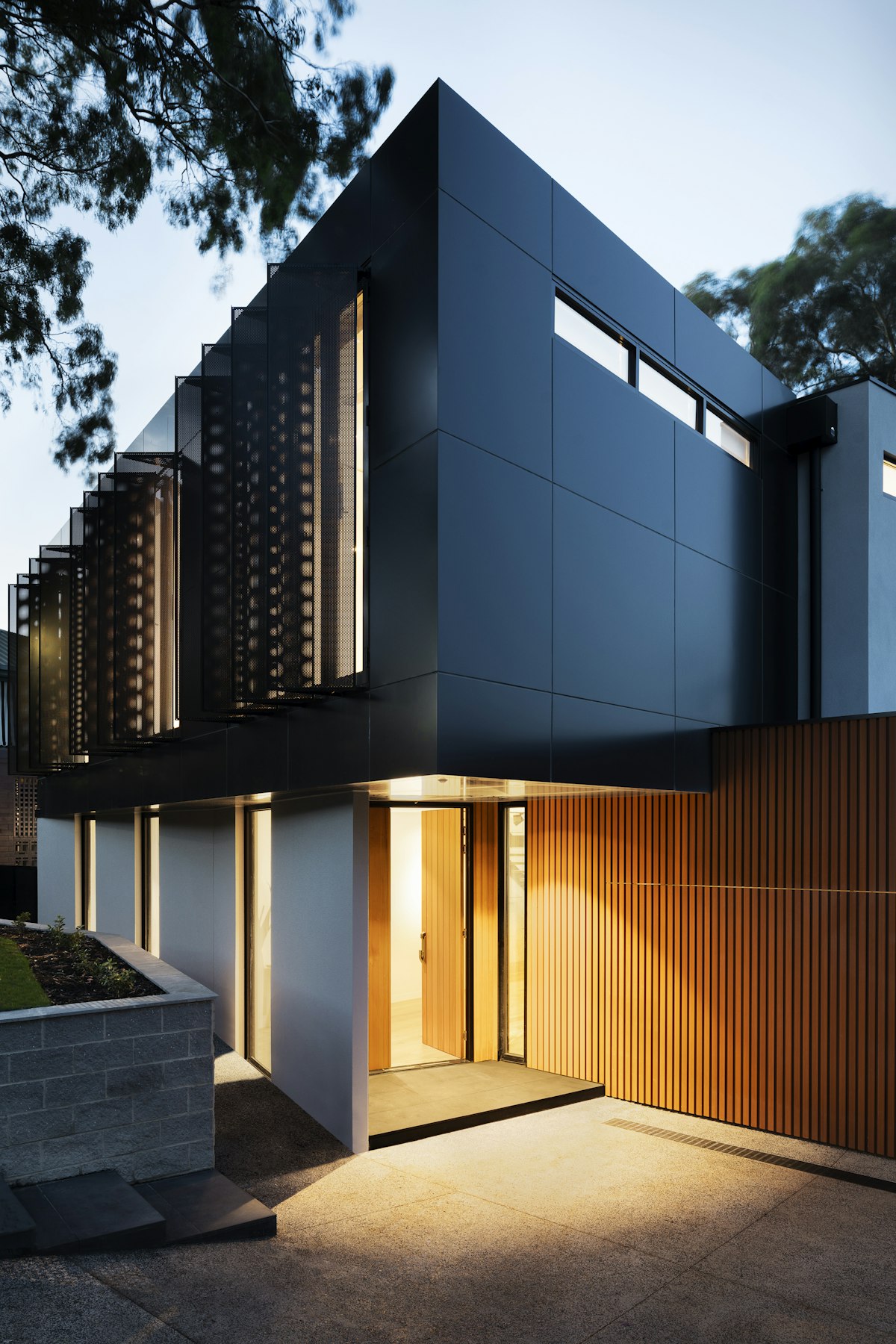
Acoustic Performance Comparison: Glazing Types
Understanding the Rw rating is crucial when comparing options. The following table provides a general comparison of typical acoustic performance levels for various glazing specifications. Note that actual performance depends heavily on the frame and installation quality.
| Glazing Type | Typical Configuration (mm) | Approximate Rw Rating (dB) | Suitable Application |
|---|---|---|---|
| Standard Double Glazing | 4/16/4 | 28 – 30 | Low noise areas |
| Asymmetric Double Glazing | 6/16/10 | 33 – 35 | Moderate traffic noise |
| Acoustic Laminated Double Glazing | 6.8 (Acoustic PVB)/16/4 | 35 – 37 | High street noise, railway lines |
| High-Performance Acoustic System | 8.8 (Acoustic PVB)/18/10 | 38 – 42+ | Airport flight paths, heavy industrial areas |
For bespoke projects, Shard AG works closely with architects and builders to specify systems that meet stringent acoustic requirements, often exceeding 40 dB reduction needed for properties in extremely noisy environments.
"We live right next to a major London road, and before installing the Shard AG sliding doors, the noise was unbearable. The difference with the acoustic laminated glass is incredible. It's genuinely quiet now—a complete transformation of our living space. The quality and installation were flawless."
— Mr. & Mrs. Davies, Richmond, London
Installation, Sealing, and Long-Term Maintenance
The best acoustic glass in the world is useless if the installation is poor. Sound, like water, will always find the path of least resistance. Therefore, the sealing around the perimeter of the window frame and the quality of the frame itself are paramount for achieving the specified Rw rating.
Shard Architectural Glazing ensures that all installations adhere to meticulous standards. This involves using high-density acoustic foam or sealant materials in the gap between the frame and the wall structure. Furthermore, the seals within the frame (gaskets) must be consistently maintained to prevent hardening or cracking over time, which would compromise the airtight barrier necessary for soundproofing.
Maintaining acoustic glazing is straightforward. Regular cleaning of the glass and checking the condition of the rubber seals (gaskets) will ensure longevity. If you notice any deterioration in the seals or difficulty in closing the window or door tightly, it’s advisable to contact a professional to ensure the acoustic integrity of the system is preserved. Investing in premium architectural glazing is a long-term commitment to comfort, and Shard AG provides the expertise to ensure that comfort lasts.
If you are planning a renovation or new build in the UK and require expert advice on acoustic insulation in windows, contact Shard Architectural Glazing. We specialise in delivering bespoke, high-performance glazing solutions that bring peace, quiet, and stunning aesthetics to your project.
Explore Our Products
Discover how Shard Architectural Glazing can transform your home with our premium glazing solutions:
Ready to Transform Your Home?
Get in touch with our expert team for a free consultation and personalised quote. We'll help you choose the perfect glazing solution for your property.