

The Rise of Slim Profile Door Frames: A UK Homeowner's Guide
Explore the technical specifications, aesthetic benefits, and crucial Building Regulations compliance required when choosing slim profile door frames for your modern UK home extension.

Shard Architectural Glazing
28 January 2026
Explore the technical specifications, aesthetic benefits, and crucial Building Regulations compliance required when choosing slim profile door frames for your modern UK home extension.
📋In This Article
The Rise of Slim Profile Door Frames: A UK Homeowner's Guide
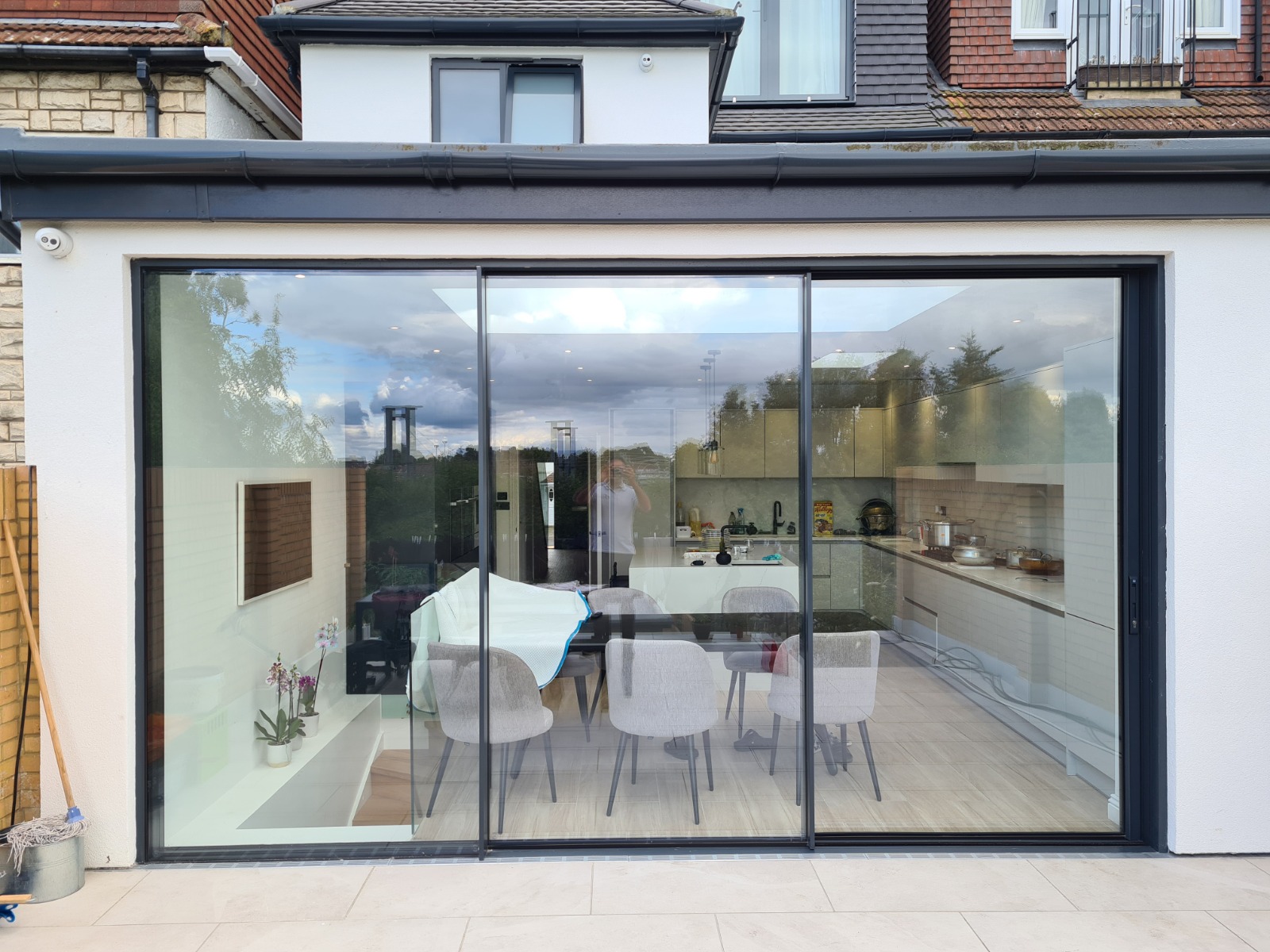
Slim profile door frames, often referred to as 'minimalist' or 'architectural' glazing, have rapidly become the benchmark for modern home design in the UK. These systems—most commonly used in large sliding patio doors or bifold doors—are designed to maximise natural light and views by drastically reducing the visible frame material between glass panels. However, achieving this sleek aesthetic requires careful consideration of technical performance, structural requirements, and adherence to stringent UK Building Regulations.
Defining Slim Profile Glazing
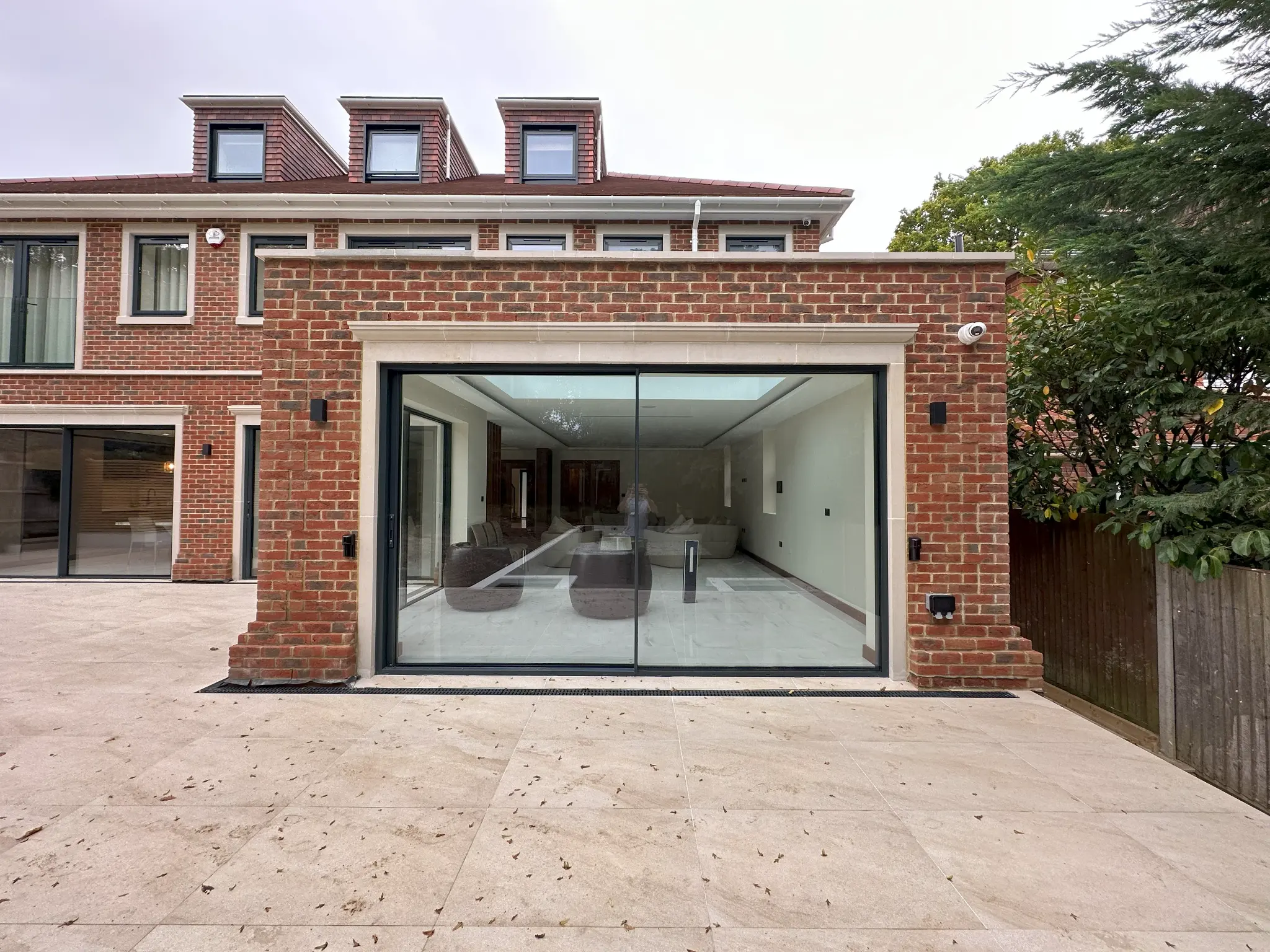
In traditional glazing, the sightline (the visible width of the frame where two panels meet) can often exceed 100mm or more. Slim profile systems push these boundaries, often achieving sightlines as narrow as 20mm to 35mm. This reduction is achieved through sophisticated engineering, including hidden outer frames, recessed tracks, and high-strength aluminium alloys.
The Difference Between Bifold and Sliding Systems
While both door types can incorporate slim profiles, the engineering challenges differ significantly:
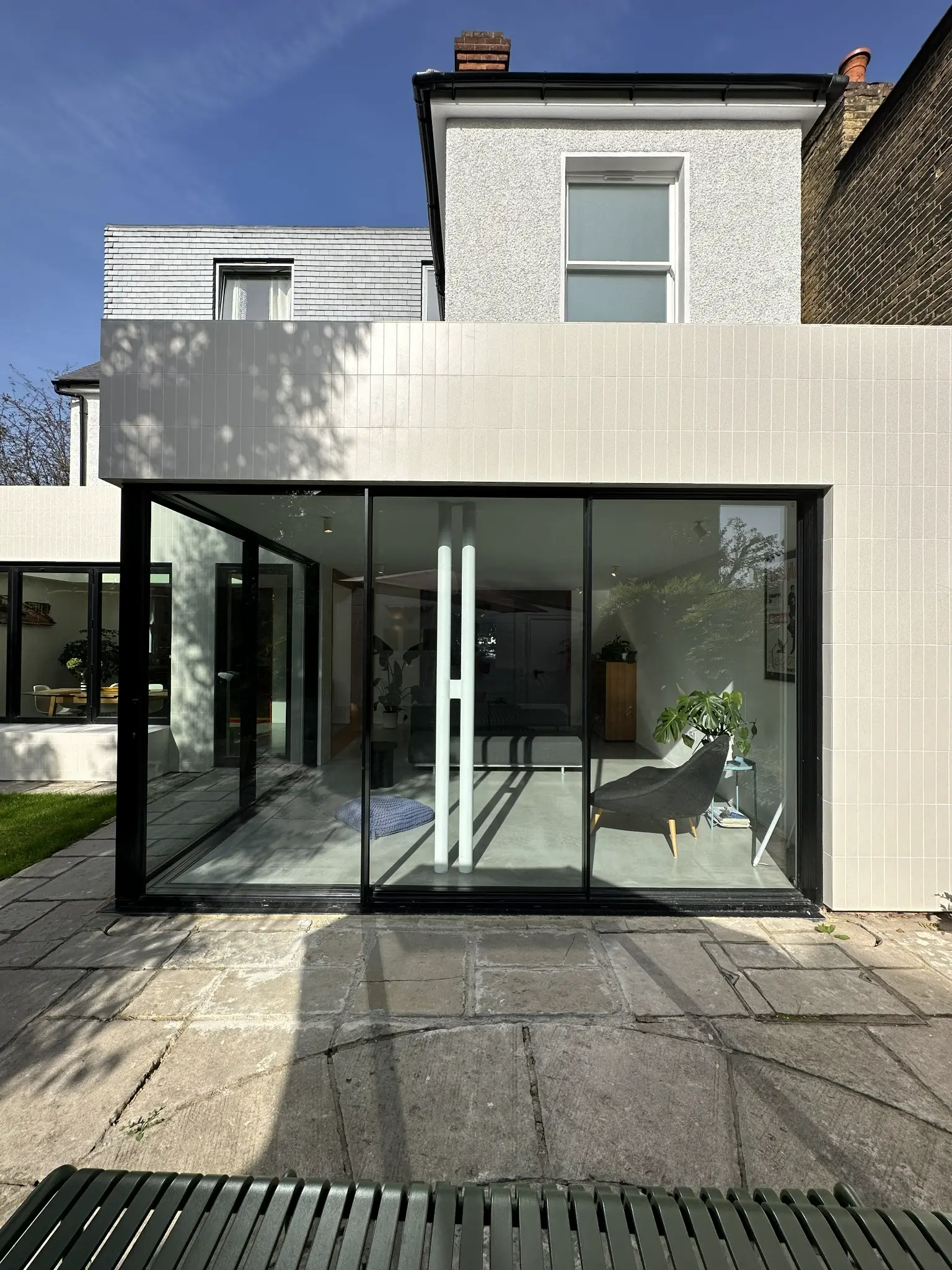
- Slimline Sliding Doors (Lift & Slide): These systems excel at achieving the narrowest sightlines (often 20-25mm). Because the weight of the glass is distributed vertically onto the track, the frame structure can be significantly reduced. They are ideal for very large openings where maximum uninterrupted views are desired.
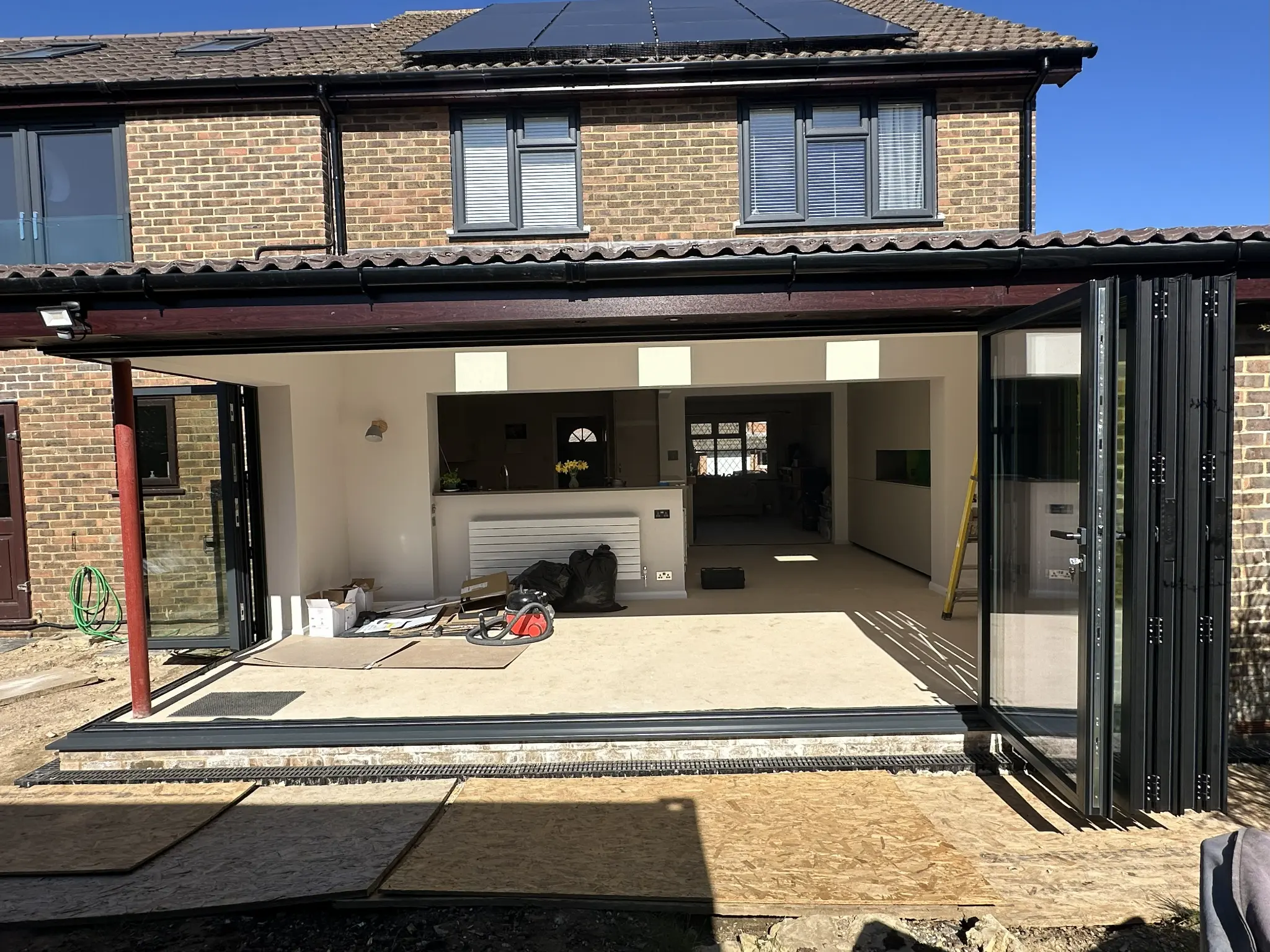
- Slimline Bifold Doors: Bifolds require more structural integrity in the vertical mullions (the upright frames) because they must fold and stack securely. While they offer excellent open-space functionality, their sightlines are typically wider than sliding doors, often ranging from 40mm to 60mm when closed.
Technical Performance and UK Building Regulations
A key concern for homeowners considering slim profile glazing is thermal efficiency. Historically, reducing the frame meant compromising insulation. Modern systems, however, are engineered to meet or exceed current UK thermal standards, primarily governed by Approved Document L (Conservation of Fuel and Power).
U-Values and Thermal Breaks
The U-value measures how effectively a building element prevents heat loss. The lower the U-value, the better the insulation. For new extensions or new build properties in England, the maximum allowable U-value for windows and doors is currently 1.2 W/m²K. For replacement doors, the standard is 1.4 W/m²K.
To achieve these low U-values with minimal aluminium (which is highly conductive), manufacturers rely heavily on polyamide thermal breaks. These are non-metallic strips inserted into the aluminium profile, physically separating the internal and external sections of the frame, thereby preventing heat transfer.
Pro Tip
When comparing quotes, always ask for the System U-value (the U-value of the entire door, including the frame and glass), not just the centre-pane U-value (Ug). The System U-value (Uw) is the only figure accepted by UK Building Control for compliance checks.
Glazing Specifications
Achieving the required thermal performance often necessitates high-specification glass units, even with slim frames:
- Double Glazing: Typically requires low-emissivity (Low-E) coatings and argon gas filling to meet the 1.2 W/m²K target.
- Triple Glazing: While offering superior insulation (often achieving U-values below 0.8 W/m²K), triple glazing significantly increases the weight and thickness of the unit, which can complicate the design of ultra-slim profiles and increase structural requirements.
- Toughened Safety Glass: All large glazed doors in critical locations (like patio doors) must use toughened or laminated safety glass, compliant with BS EN 12150.
Structural and Installation Considerations
Installing large, heavy, slim profile doors is a complex structural undertaking that goes beyond standard carpentry. The weight of these systems, especially large sliding panels, can be substantial, demanding robust support.
Load Bearing and Lintels
When creating a large aperture for slim glazing, the structural opening must be properly supported by a correctly specified lintel or steel beam. Because slim frames rely on the surrounding structure for stability rather than their own inherent bulk, any movement or settling in the supporting wall will directly impact the door's operation.
- Deflection Limits: Structural engineers must calculate the potential deflection (sagging) of the supporting beam under load. For large glazing, this deflection must be minimal (often limited to L/600 or less) to ensure the door tracks remain perfectly level and the seals maintain integrity.
- Recessed Tracks: If you opt for a flush threshold (where the track is recessed into the floor for seamless indoor-outdoor flow), meticulous waterproofing and drainage planning are essential to prevent water ingress and damp issues, especially given the UK's climate.
Security Requirements (Part Q)
Security is paramount. In England, new build dwellings and extensions must comply with Approved Document Q (Security), which mandates that easily accessible windows and doors meet specific standards of robustness and resistance to forced entry (PAS 24:2016 standard). Reputable slim profile systems achieve this through:
- Multi-point locking mechanisms concealed within the frame.
- Anti-lift devices on sliding panels.
- Laminated glass or specific glass bonding techniques.
Cost, Maintenance, and Longevity
Slim profile glazing represents a premium architectural investment. The engineering required to achieve high thermal performance and security within minimal sightlines is complex, leading to higher material and installation costs compared to standard PVC-U or bulkier aluminium systems.
Cost Comparison
The table below provides a general comparison of key specifications that influence price and performance:
| Feature | Standard Aluminium Door | Premium Slim Profile Door |
|---|---|---|
| Sightline (Mullion Width) | 70mm – 120mm | 20mm – 40mm |
| Typical U-Value (Uw) | 1.4 – 1.6 W/m²K | 1.0 – 1.2 W/m²K |
| Frame Material | Standard Aluminium with Thermal Break | High-Strength, Thermally Broken Aluminium |
| Installation Complexity | Moderate | High (Requires specialist installers) |
| Aesthetic Value | Good | Exceptional (Minimalist, Architectural) |
Maintenance Requirements
While the aluminium frames themselves are low maintenance (requiring only occasional cleaning), the moving parts of large slimline systems need attention. High-quality rollers and tracks are crucial for smooth operation. Regular maintenance should include:
- Cleaning the tracks frequently to remove debris (critical for recessed tracks).
- Checking the drainage system, especially in flush thresholds.
- Lubricating moving hardware (rollers, hinges, locking mechanisms) as recommended by the manufacturer.
The Benefits of Minimalist Glazing
Despite the technical complexity and higher cost, the advantages of choosing slim profile door frames are significant, particularly for modern architectural projects seeking to blur the lines between internal and external spaces.
Maximised Natural Light
By reducing the visible frame, a greater surface area of glass is exposed, dramatically increasing the amount of daylight entering the property, reducing the reliance on artificial lighting.
Uninterrupted Views
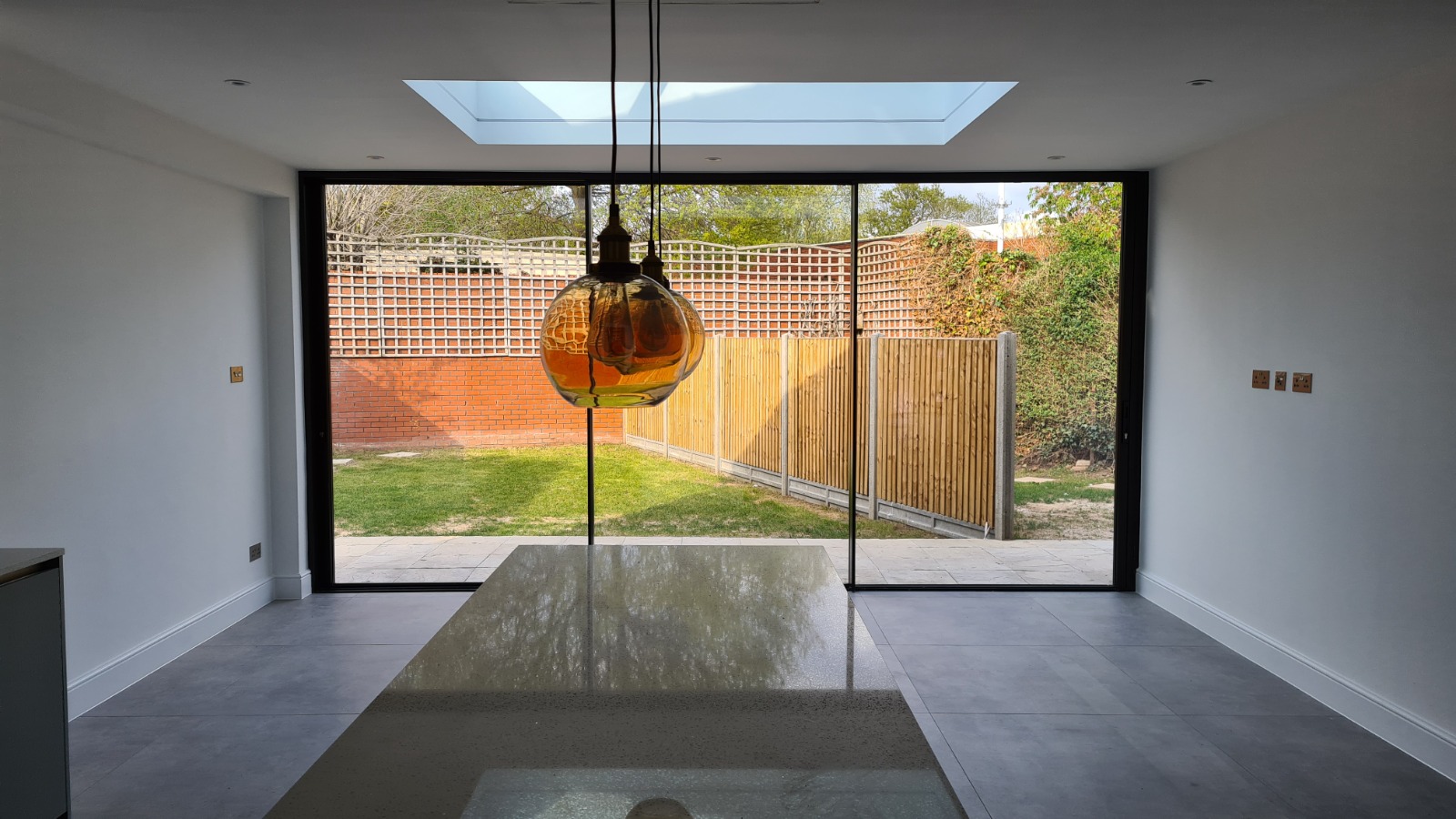
The narrow sightlines create a near-seamless connection with the garden or external landscape, enhancing the feeling of space and openness within the home.
Contemporary Aesthetics
Slim profile systems are synonymous with high-end, contemporary design, offering clean lines that complement modern architecture far better than bulky, traditional frames.
Enhanced Thermal Performance
Modern slim systems, when specified correctly with high-performance glass and robust thermal breaks, deliver exceptional energy efficiency that meets or exceeds current UK Building Regulations.
Choosing the Right System
Selecting slim profile door frames is a decision that balances aesthetic ambition with technical necessity. Homeowners must prioritise working with specialist suppliers and installers who can demonstrate a deep understanding of structural requirements, drainage solutions, and compliance with the latest UK Building Regulations, specifically Part L (thermal performance) and Part Q (security).
A Note on Suppliers: If you are embarking on a project involving architectural glazing, consulting with experts who specialise in bespoke, high-performance systems is crucial. Reputable providers, such as Shard AG, focus exclusively on delivering precision-engineered slim profile doors and windows, ensuring that both the aesthetic vision and the stringent technical demands of a modern UK home are met without compromise.
Explore Our Products
Discover how Shard Architectural Glazing can transform your home with our premium glazing solutions:
Ready to Transform Your Home?
Get in touch with our expert team for a free consultation and personalised quote. We'll help you choose the perfect glazing solution for your property.