.jpg)

Rooflights and skylights are transformative architectural elements, capable of flooding dark interiors with natural light, improving ventilation, and enhancing the perceived size of a room. For UK homeowners considering an extension, loft conversion, or renovation, understanding the technical specifications and regulatory requirements is crucial for a successful project.
This comprehensive guide delves into the types of roof glazing available, the critical importance of thermal performance (U-values), and how to ensure your installation complies with current UK Building Regulations.
Defining Rooflights, Skylights, and Roof Lanterns
While the terms 'rooflight' and 'skylight' are often used interchangeably in common parlance, technically, they can refer to slightly different products, especially when considering installation angles and opening mechanisms.
What is a Skylight?
In the strictest sense, a skylight is typically installed on a pitched roof (usually 15 degrees or more) and often refers to proprietary products that are designed to open for ventilation. They are usually installed in line with the roof surface, often referred to as 'in-plane' windows. They are commonly seen in loft conversions.
What is a Rooflight?
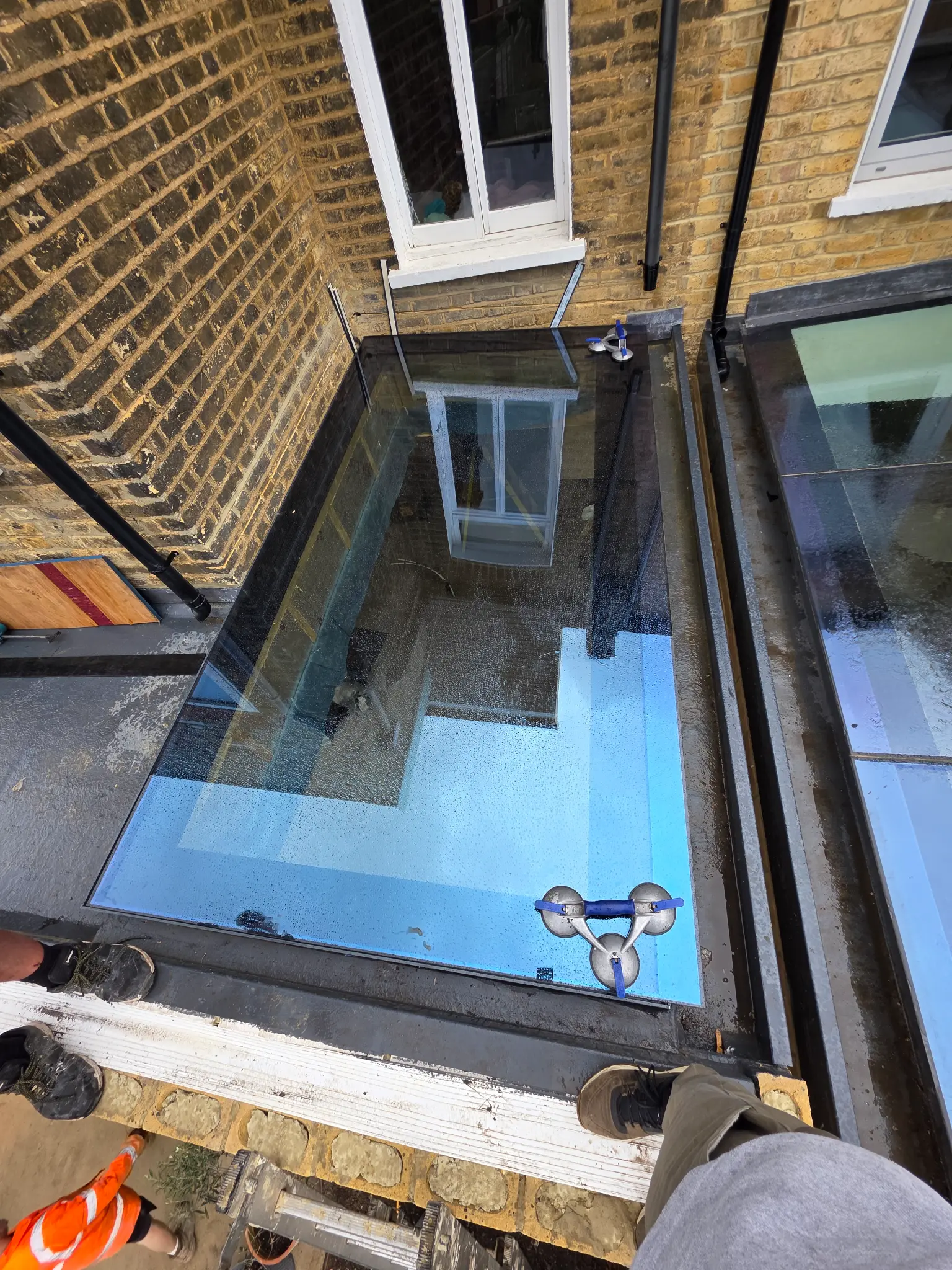
A rooflight is a broader term often used for flat roof applications, or bespoke glazing solutions. These can be fixed (non-opening), manual opening, or electrically operated. They often sit proud of the roof deck, sometimes featuring a curb or upstand. Examples include flat glass units, dome units, and walk-on glass panels.
What is a Roof Lantern?
A roof lantern is a three-dimensional, usually pyramid or rectangular structure, typically installed on flat roofs (such as those covering kitchen extensions). They provide a dramatic architectural feature, offering vertical and angled glass surfaces to maximise light intake.
Understanding Thermal Performance and U-Values
Thermal efficiency is arguably the most critical technical consideration for any glazing product in the UK, particularly those installed in the roof. The measure of thermal efficiency is the U-value, which indicates how quickly heat escapes through a material. Lower U-values mean better insulation and higher energy efficiency.
UK Building Regulations (specifically Approved Document L, 2022 edition for England) set strict standards for thermal performance to minimise heat loss and carbon emissions.
Part L Compliance for Roof Glazing
For new build properties and extensions in England, the target U-value for opaque elements (walls, roofs) is very low. While rooflights and skylights are inherently less insulating than a solid roof, they must still meet stringent standards:
- New Dwellings: The U-value for windows and doors (including rooflights) should not exceed 1.2 W/m²K.
- Replacement/Existing Dwellings (Renovations): The U-value for replacement windows and doors should not exceed 1.4 W/m²K.
Crucially, the U-value for rooflights is often measured differently from vertical windows. Always check if the quoted U-value (Ug) refers only to the glass centre pane, or the whole unit (Uw or Uframe), which includes the frame and is the figure required for Building Regulation compliance.
Pro Tip
When comparing rooflight products, ensure you are comparing 'whole product' U-values (Uw). A low centre-pane U-value (Ug) is misleading if the frame is poorly insulated. Look for products that incorporate thermal breaks in the frame structure to prevent cold bridging and condensation.
Types of Rooflights and Their Applications
Choosing the right type of roof glazing depends heavily on the roof structure, pitch, and the function of the room below.
1. Fixed Flat Glass Rooflights
- Application: Ideal for flat roof extensions (e.g., kitchen diners). They offer a seamless, minimalist look.
- Benefits: Excellent light transmission, low maintenance, and highly secure when properly installed.
- Considerations: Must be installed on a minimum 3-5 degree pitch upstand to ensure effective water run-off and prevent pooling, which can compromise seals over time.
2. Opening Skylights (Vented)
- Application: Essential for rooms requiring ventilation, such as bathrooms, kitchens, or loft conversions where they serve as a means of escape (MOE).
- Benefits: Provides crucial ventilation, helps regulate temperature, and can be manually or electrically operated (often with rain sensors).
- Considerations: Opening mechanisms require maintenance. Electric models are convenient but add cost and complexity to the installation.
3. Walk-on Glass Rooflights
- Application: Used where the roof area is intended to be used as a terrace, balcony, or garden space.
- Benefits: Allows light into the space below while maintaining usable outdoor space above.
- Considerations: Requires specialist laminated and toughened glass (often triple-layered) to bear significant loads. The glass specification must meet structural engineering requirements, not just thermal ones.
4. Modular and Continuous Rooflights
- Application: Used for very large areas, such as long corridors or commercial-style residential spaces, where multiple units are linked together.
- Benefits: Allows for maximum natural daylight penetration across a wide area.
- Considerations: Requires careful detailing of the joining sections to maintain weatherproofing and thermal integrity.
Practical and Installation Considerations
A successful rooflight installation involves more than just selecting the glass; it requires careful planning regarding placement, structure, and accessibility.
Structural Integrity and Flashing
The roof structure must be capable of supporting the weight of the glazing unit and the surrounding upstand or curb. For flat rooflights, the upstand is vital. It must be constructed from robust, insulated material (e.g., timber or insulated kerbs) and be high enough (typically 150mm minimum) to lift the glazing above the finished roof level and insulation layer.
Proper flashing (the material used to seal the edges where the rooflight meets the roof covering) is essential to prevent water ingress. For pitched roofs, proprietary flashing kits designed for the specific roof covering (slate, tile, etc.) must be used.
Controlling Glare and Solar Gain
While maximising light is the goal, excessive sunlight can lead to issues:
- Solar Gain: In summer, a large, south-facing rooflight can cause the room to overheat, leading to discomfort and increased reliance on air conditioning or cooling systems.
- Glare: Direct sunlight can make screens unreadable and create uncomfortable brightness.
Solutions include using solar control glass (which reflects a portion of the sun's energy), installing internal blinds (manual or electric), or positioning the rooflight on a north-facing pitch to capture consistent, diffused light.
Maintenance and Accessibility
Rooflights, especially large ones or those on high extensions, will require cleaning. Consider how the external surface will be accessed safely for maintenance. If access is difficult, self-cleaning glass coatings can reduce the frequency of cleaning, though they do not eliminate it entirely.
Comparison of Roof Glazing Specifications
The following table provides a general comparison of common roof glazing types based on typical UK residential requirements.
| Feature | Pitched Skylight (In-Plane) | Fixed Flat Rooflight (Upstand) | Roof Lantern |
|---|---|---|---|
| Typical Pitch | 15° to 90° | 3° to 10° (on upstand) | Flat roof base, vertical/angled glass |
| Primary Use | Loft conversions, pitched extensions | Flat roof extensions, minimal aesthetic | Architectural feature, high light volume |
| Thermal Performance (Uw) | Excellent (easily meets 1.4 W/m²K) | Excellent (easily meets 1.4 W/m²K) | Good (more frame area, potential for heat loss if complex) |
| Ventilation Options | Standard (manual or electric) | Optional (electric venting mechanisms) | Often fixed, but some have opening vents |
| Cost (Relative) | Moderate | Moderate to High | High |
Building Regulations and Planning Permission
Any structural alteration or addition to the thermal envelope of your home, including the installation of new rooflights or replacement of existing ones, must comply with Building Regulations.
Building Control Approval
The key areas Building Control will assess are:
- Thermal Performance (Part L): Ensuring the U-value meets the required standard (e.g., 1.4 W/m²K for replacement).
- Structural Safety (Part A): Ensuring the roof structure can safely support the opening and the unit.
- Fire Safety (Part B): If the rooflight is in a loft conversion, it may need to function as an emergency escape window (Egress), requiring specific dimensions and opening mechanisms.
- Ventilation (Part F): Ensuring adequate ventilation is maintained or improved, especially if the room relies on the rooflight for air flow.
It is highly recommended to notify your local Building Control body before commencing work or use an approved installer (like those registered with FENSA or CERTASS for window installations) who can self-certify the work. Failure to comply could affect the property's compliance certificate when you come to sell.
Planning Permission
In most cases, installing rooflights or skylights under Permitted Development rights does not require full planning permission, provided they meet certain criteria:
- They must not project more than 150mm above the plane of the roof slope.
- They must not be higher than the highest part of the roof.
- Side-facing rooflights must be obscure-glazed and non-opening unless the opening is 1.7m above the floor level.
However, if you live in a Conservation Area, a National Park, or if your property is Listed, restrictions are much tighter, and you must consult your local planning authority before proceeding.
Maximised Daylight
Roof glazing provides up to three times more light than a vertical window of the same size, dramatically transforming dark interiors.
Improved Ventilation
Vented units allow stale, warm air (which rises) to escape efficiently, improving internal air quality and reducing condensation.
Architectural Impact
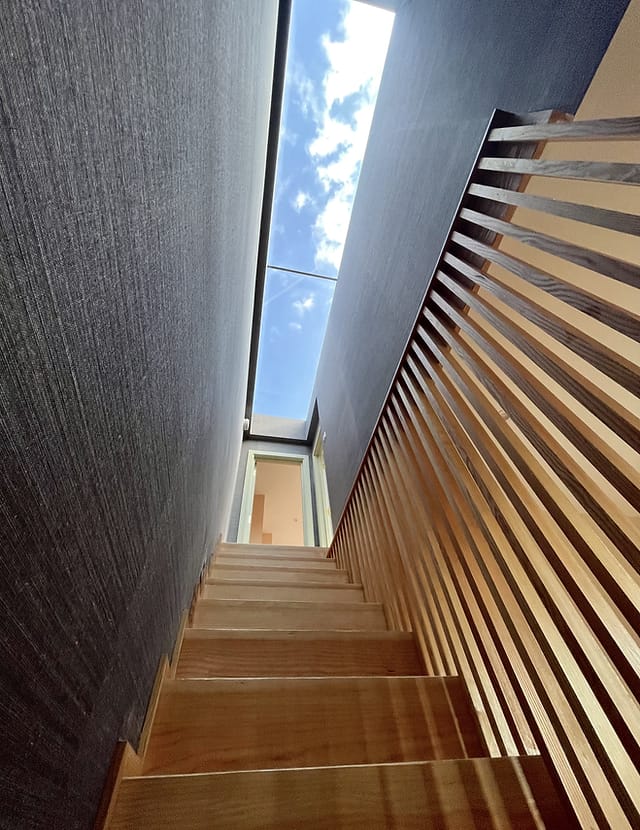
Rooflights, especially large flat units or lanterns, create stunning focal points and enhance the feeling of space and height.
Energy Efficiency
Modern, high-performance rooflights specified to Part L (2022) standards help maintain thermal comfort and reduce heating bills.
Choosing Your Glazing Partner
Selecting the right supplier and installer for your rooflight project is paramount to ensuring longevity and compliance. Look for specialists who provide comprehensive technical data, including certified whole-product U-values, and who are familiar with current UK Building Regulations.
A reputable glazing partner will assist with the specification process, ensuring the glass type (e.g., low-emissivity coatings, solar control, acoustic dampening) is appropriate for the orientation and use of the room, guaranteeing a high-quality, compliant, and durable installation.