
The Ultimate Guide to Choosing the Right Sliding Doors
Selecting the perfect sliding doors for your UK home requires balancing aesthetics, performance, and security. Explore frame types, materials, and crucial features.

Shard Architectural Glazing
23 December 2025
Selecting the perfect sliding doors for your UK home requires balancing aesthetics, performance, and security. Explore frame types, materials, and crucial features.
📋In This Article
Sliding doors are perhaps the most transformative element you can introduce to a modern architectural project or home renovation. They seamlessly merge indoor and outdoor spaces, flood interiors with natural light, and offer unparalleled panoramic views. However, with so many options available—from traditional patio doors to ultra-minimalist architectural systems—choosing the right sliding doors requires careful consideration of design, material, performance, and security.
As experts in premium architectural glazing, Shard Architectural Glazing understands that these doors are more than just functional barriers; they are key design statements. This comprehensive guide will walk you through the essential factors you need to evaluate to ensure your investment enhances both the beauty and value of your UK property.
Material Matters: Aluminium vs. Timber vs. uPVC
The material of your sliding door frame dictates its structural integrity, thermal performance, and aesthetic lifespan. While uPVC remains a budget-friendly option, for high-end architectural projects and large spans, the choice typically narrows down to aluminium or timber.
Aluminium sliding doors are the industry standard for contemporary glazing systems, particularly those offered by Shard AG. Aluminium is incredibly strong yet lightweight, allowing for exceptionally narrow sightlines and large expanses of glass. Its inherent strength means that even massive panels can be supported by minimal frames, achieving the sought-after minimalist aesthetic. Furthermore, modern aluminium frames incorporate sophisticated thermal breaks, ensuring excellent energy efficiency suitable for the UK climate.
Timber offers natural warmth and a classic aesthetic, often favoured in heritage properties or specific eco-builds. However, timber requires more maintenance than aluminium and can be limited in the size of the panels it can support without becoming overly bulky. For the best blend of durability, minimal maintenance, and design flexibility, aluminium glazing is usually the superior choice for modern sliding door systems.
Superior Aesthetics
Minimalist aluminium frames maximise glass area, offering unobstructed views and seamless integration with modern design.
Exceptional Durability
Aluminium is resistant to corrosion, warping, and weathering, ensuring a long lifespan with minimal maintenance.
Thermal Efficiency
Advanced thermal break technology ensures low U-values, keeping your home warm and reducing energy bills.
Enhanced Security
The inherent strength of the frame, combined with multi-point locking systems, provides robust protection against intrusion.
Understanding Frame Types: Minimalist vs. Standard Sightlines
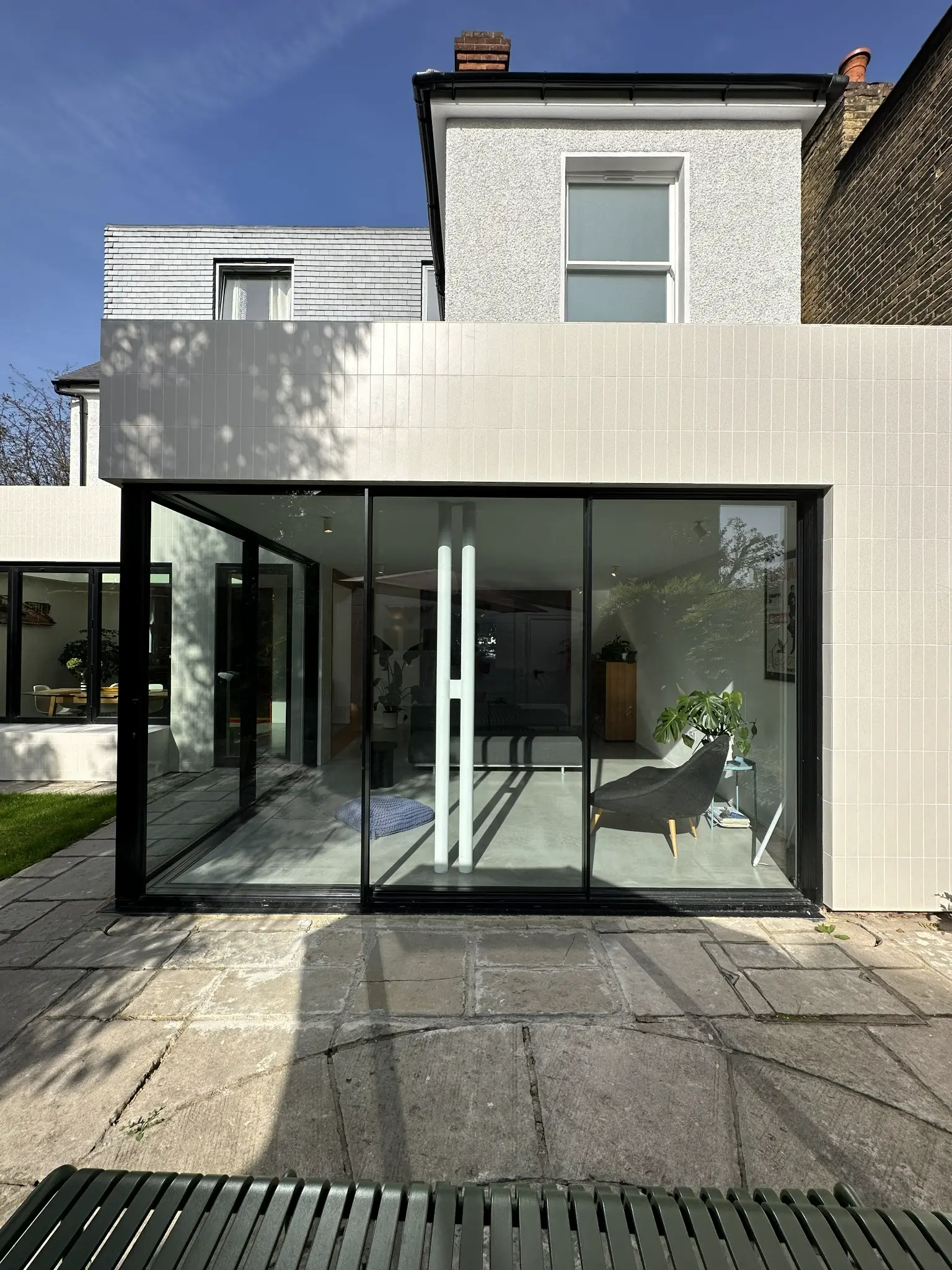
When selecting premium sliding doors, the sightline—the visible width of the frame when the doors are closed—is a critical design factor. Homeowners seeking the ultimate connection to the outdoors often opt for systems with the narrowest possible sightlines, sometimes referred to as minimal frame sliding doors or architectural glazing systems.
Standard sliding patio doors typically have sightlines ranging from 70mm to 120mm. While functional, these wider frames can interrupt the view. In contrast, Shard AG specialises in systems where the interlock sightline can be as narrow as 20mm or 25mm. This allows the frame to virtually disappear into the surrounding architecture, creating a stunning wall of glass effect. These sophisticated systems often require pocket installation, where the doors slide completely into a wall cavity, or flush track installation for a completely level threshold.
The choice between standard and minimal sightlines depends heavily on your project's budget and design goals. Minimalist systems, while more expensive due to the precision engineering required, deliver the highest architectural impact. They are ideal for high-value extensions and new builds where maximising light and view is paramount.
Glazing Performance, Thermal Efficiency, and Security
In the UK, building regulations require strict adherence to thermal performance standards. When choosing architectural glazing, you must look closely at the U-value, which measures how effectively the door prevents heat loss. A lower U-value indicates better insulation. Premium aluminium systems, especially those with triple glazing options, can achieve U-values well below 1.0 W/m²K, making them highly energy efficient.
Pro Tip
Always specify toughened glass for safety, and consider laminated glass for enhanced security and acoustic performance. If your doors face south or west, low-emissivity (Low-E) coatings and solar control glass are essential to prevent overheating during summer months.
Security is non-negotiable. Modern sliding doors should feature multi-point locking mechanisms that engage across the frame, not just at the handle. Look for systems tested to PAS 24 or similar security standards. The quality of the running gear is also vital; premium systems use robust stainless steel rollers and tracks to ensure smooth, effortless operation, even with panels weighing hundreds of kilograms.
Configuration Options: Lift-and-Slide vs. Standard Slider
The way your doors operate affects usability and weather performance. There are two primary mechanisms for large-format sliding doors:
1. Standard Sliding Doors: These doors typically run on rollers along a single track. They are simple, reliable, and cost-effective. However, they rely on brush seals or gaskets for weather protection, which can sometimes be less effective than lift-and-slide systems.
2. Lift-and-Slide Doors: This premium mechanism involves turning the handle to slightly lift the door panel off its seals and onto its rollers. This creates an airtight, watertight seal when closed, offering superior weather resistance and acoustic damping. When opened, the panels glide effortlessly. Lift-and-slide systems are highly recommended for exposed locations or very large, heavy panels.
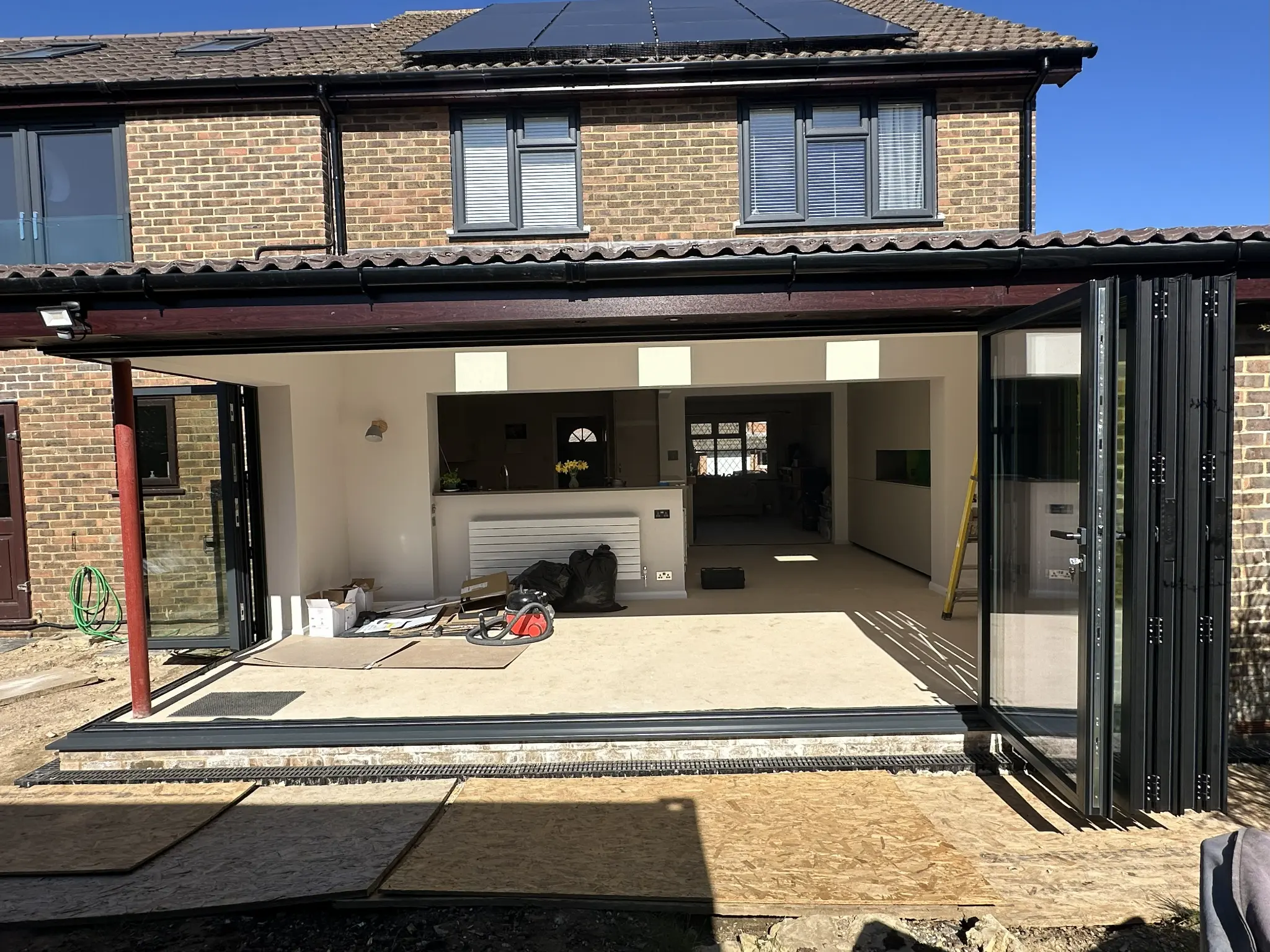
Configuration refers to the number of panels and how they stack. Common configurations include two panels (one fixed, one sliding), three panels (two sliding, one fixed), or multiple panels that stack neatly to one or both sides (often called multi-track sliders). For the ultimate open space, consider a pocket configuration where the panels disappear entirely into the wall structure.
"The minimal frame sliding doors supplied by Shard AG completely transformed our extension. The quality is evident in the smooth operation, and the narrow sightlines truly make the garden feel like an extension of the living room. We couldn't be happier with the result and the professional installation."
— Mr. & Mrs. Davies, Surrey
Key Specification Comparison Table
To help you compare different systems, here is a quick overview of the crucial specifications you should discuss with your architectural glazing specialist:
| Feature | Minimal Frame System (e.g., Shard AG) | Standard Aluminium Patio Door | uPVC Patio Door |
|---|---|---|---|
| Typical Sightline (Interlock) | 20mm – 35mm | 70mm – 100mm | 100mm+ |
| Maximum Panel Height | Up to 4.5 metres | Up to 3 metres | Up to 2.2 metres |
| U-Value (Double Glazed) | 1.3 – 1.4 W/m²K (or lower with triple) | 1.5 – 1.6 W/m²K | 1.6 – 1.8 W/m²K |
| Threshold Type | Flush/Level (for seamless transition) | Standard stepped threshold | Standard stepped threshold |
| Cost (Relative) | High/Premium | Mid-Range | Low/Budget |
Making the Final Decision and Installation
Choosing the right sliding doors is a balance between design ambition and practical performance. Start by defining your priorities: Is the view paramount? Then focus on minimal sightlines and large panels. Is budget the main constraint? Then explore high-quality standard aluminium systems.
Crucially, the performance of even the best glazing products relies heavily on expert installation. Premium sliding doors, especially those with flush tracks and pocket configurations, require millimetre precision during the build phase. Engaging a specialist like Shard Architectural Glazing ensures that the system is correctly integrated into the building structure, guaranteeing optimal thermal performance, smooth operation, and long-term durability.
We encourage homeowners, architects, and builders across the UK to consult with our technical team early in the design process. By understanding the specific demands of your project—whether it’s a coastal location requiring enhanced corrosion resistance or a passive house requiring ultra-low U-values—we can specify the perfect premium sliding door system to bring your architectural vision to life.
Explore Our Products
Discover how Shard Architectural Glazing can transform your home with our premium glazing solutions:
Ready to Transform Your Home?
Get in touch with our expert team for a free consultation and personalised quote. We'll help you choose the perfect glazing solution for your property.