


Corner sliding doors, often referred to as 'open corner' or 'floating corner' systems, represent one of the most dramatic and architecturally impactful glazing solutions available to UK homeowners today. By eliminating the fixed corner post, these systems allow two walls of glass to completely retract, seamlessly merging interior living spaces with the garden or external environment. This guide explores the significant benefits, technical requirements, and crucial compliance factors associated with integrating corner sliding doors into your home.
Architectural Impact and Design Freedom
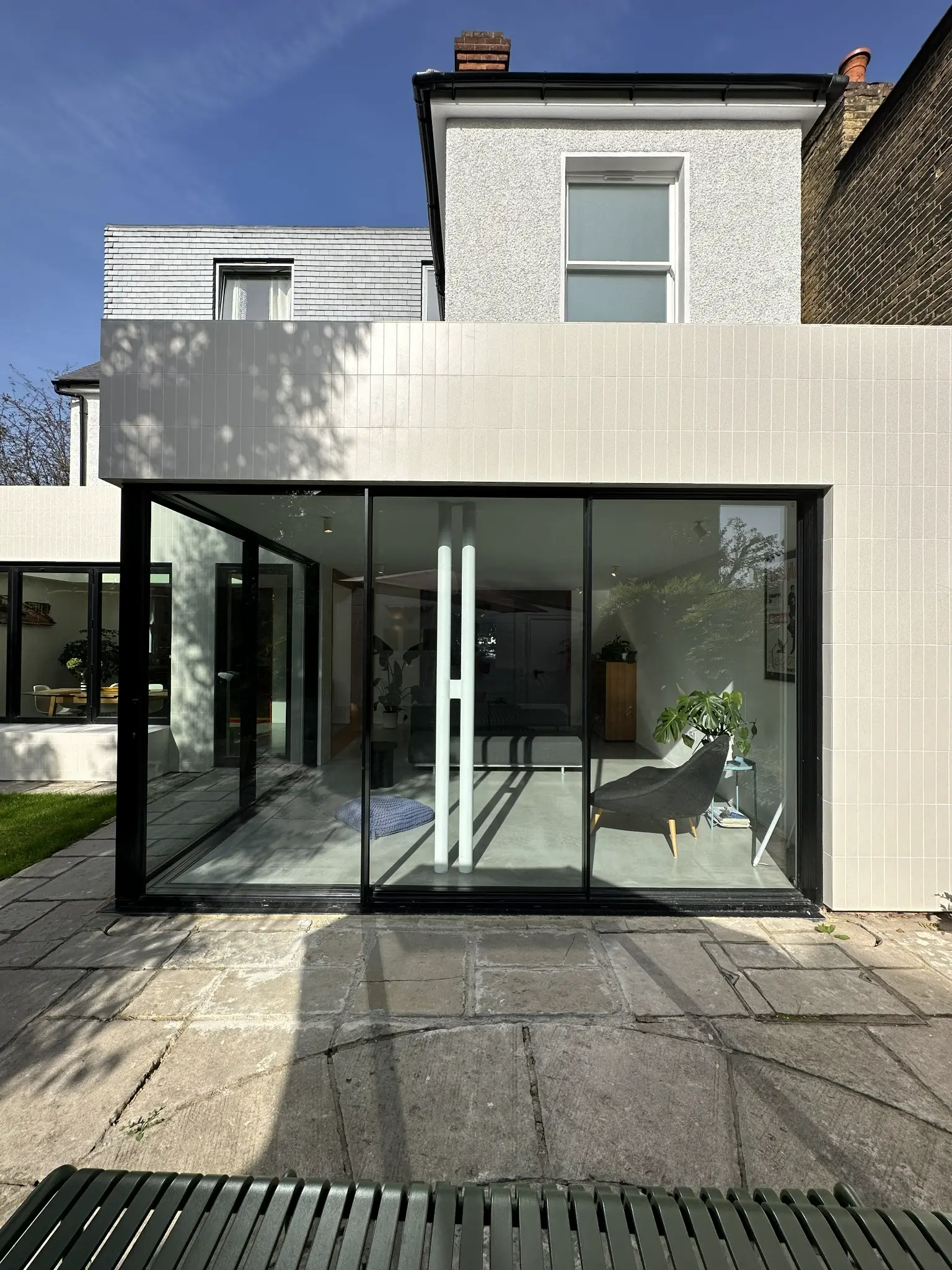
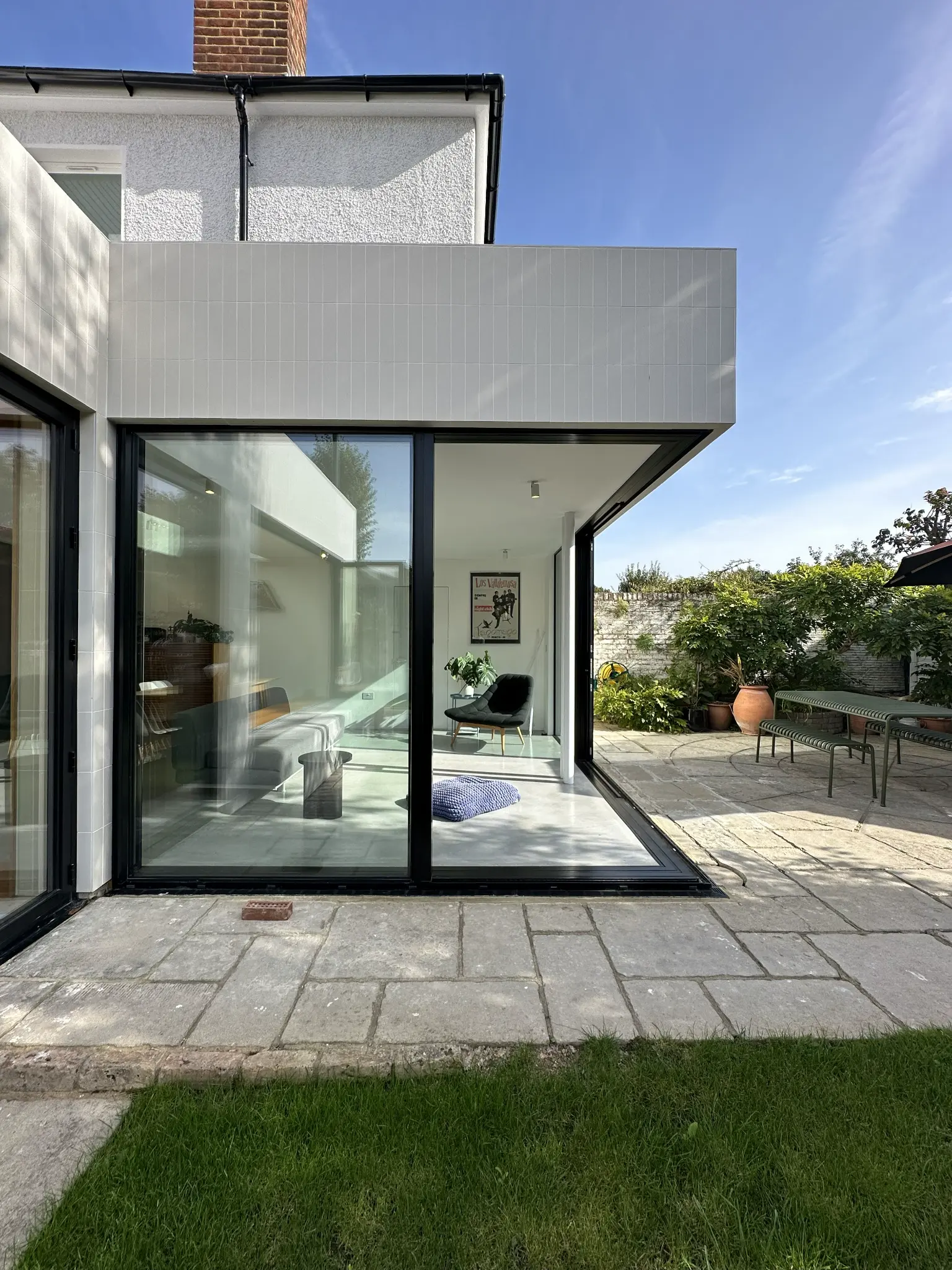
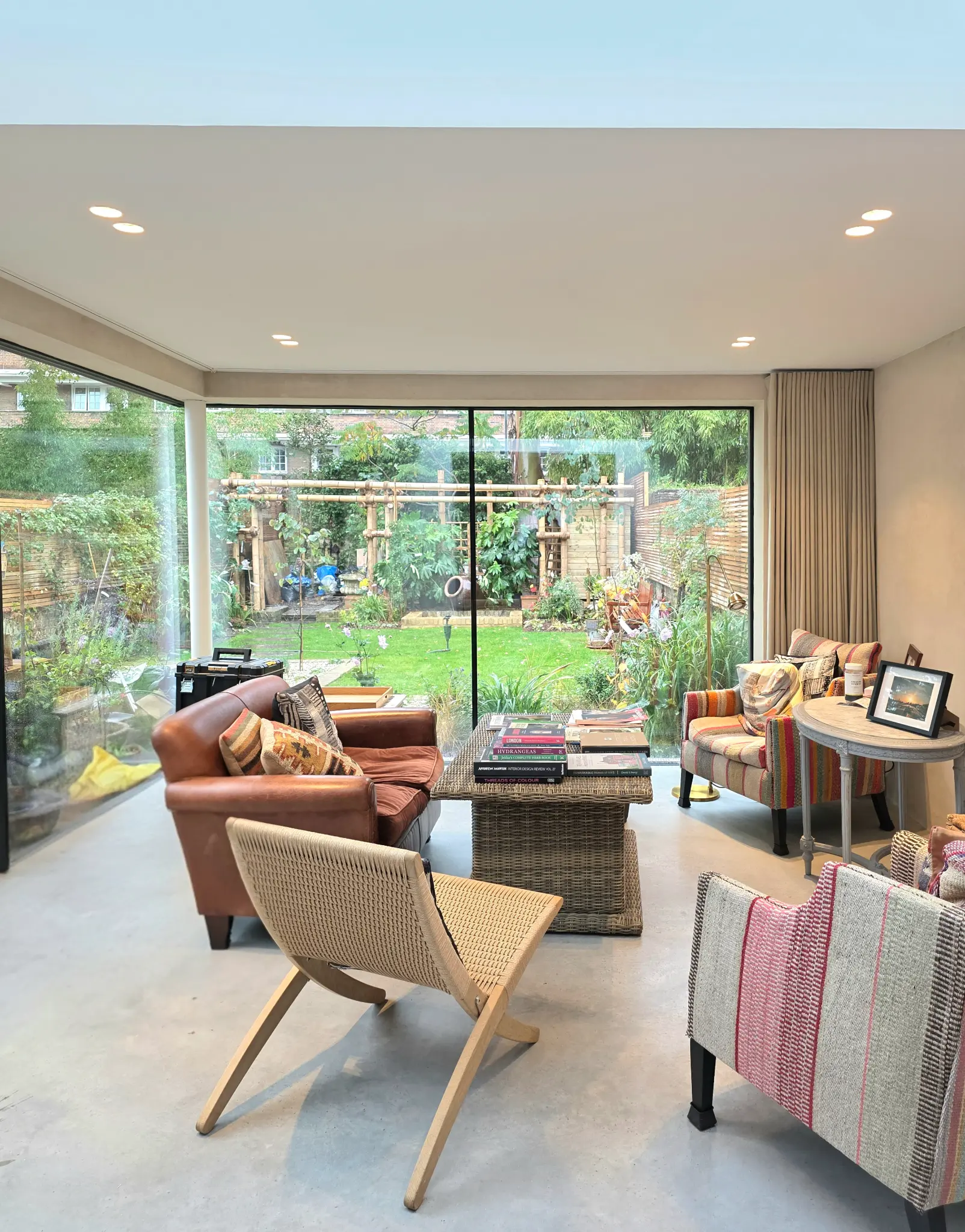
The primary appeal of a corner sliding door system lies in its ability to create an uninterrupted, panoramic opening. Unlike standard sliding or bi-fold doors that leave a frame or post in the corner, these systems vanish entirely, leaving a truly open void.
Maximising Natural Light and Views
By spanning two adjacent elevations, corner doors maximise the ingress of natural light throughout the day, often eliminating shadows cast by traditional structural corners. When closed, the large expanses of glass offer expansive, uninterrupted views, transforming the perception of space within the home.
Seamless Indoor-Outdoor Flow
The concept of 'breaking the box' is central to modern architectural design. A corner sliding door achieves this perfectly. When fully open, the transition between the kitchen, living room, or extension and the patio or garden becomes completely fluid. This is particularly beneficial for entertaining, making the external space feel like a true extension of the internal floor plan.
Structural Considerations: The Floating Corner
Achieving a post-free corner requires careful structural engineering. The load that would normally be supported by the corner post must be transferred upwards and outwards. This typically involves installing a substantial steel beam (often an RSJ or similar) above the opening, which is supported by the adjacent walls or columns set back from the corner. This beam must be correctly specified by a structural engineer and approved by local Building Control.
Pro Tip
When planning a corner sliding door installation, ensure your structural engineer designs the supporting steelwork to be hidden within the roof structure. This maintains the clean, minimalist aesthetic of the 'floating corner' and avoids unsightly bulkheads protruding into the living space.
Performance and UK Building Regulations
While the aesthetic benefits are clear, modern glazing must also meet stringent performance standards, particularly concerning thermal efficiency as mandated by UK Building Regulations Part L (Conservation of Fuel and Power).
Thermal Efficiency (U-Values)
The U-value measures how effectively a component prevents heat loss (lower is better). For any new or replacement glazing installed in England, compliance with Part L is mandatory.
- New Build Homes: Glazing systems must achieve a U-value of 1.2 W/m²K or better.
- Existing Homes (Replacement/Extension): Glazing systems must achieve a U-value of 1.4 W/m²K or better.
Corner sliding doors are complex due to the intersecting frames and seals. To meet these demanding U-values, systems almost always require thermally broken aluminium frames and high-performance double or triple glazing (often using low-emissivity coatings and argon gas filling).
Airtightness and Weather Sealing
One potential drawback of large sliding systems, especially corner units, is maintaining airtightness. Because the corner post is removed, the sealing mechanism relies entirely on sophisticated interlocking profiles and robust gaskets where the two door sections meet. Reputable manufacturers invest heavily in advanced weather testing to ensure the system remains watertight and airtight against typical British weather conditions.
Ventilation Requirements (Part F)
When installing new glazing, you must also consider Part F (Ventilation). If the installation reduces the ventilation capacity of the room, trickle vents may be required, even on large sliding doors. However, modern systems often offer integrated ventilation solutions that maintain the aesthetic while ensuring compliance.
Technical Specifications and Operation
Understanding the mechanics of corner sliding doors is crucial for making an informed decision regarding their suitability and longevity.
Track Systems and Thresholds
Corner systems typically operate on heavy-duty bottom tracks. There are two main options for the threshold:
- Standard Threshold: Provides superior weather resistance and drainage, often resulting in a small upstand (lip).
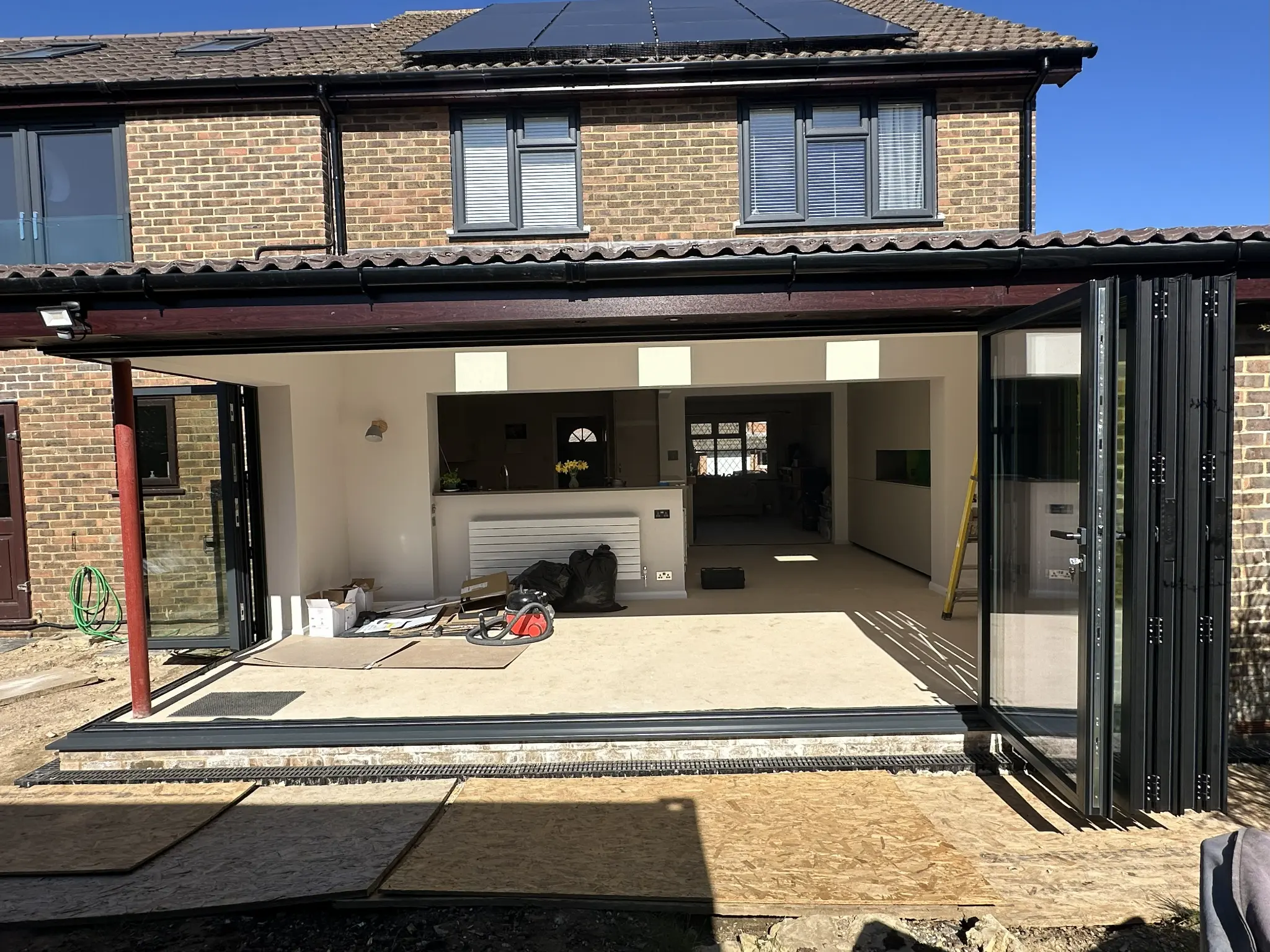
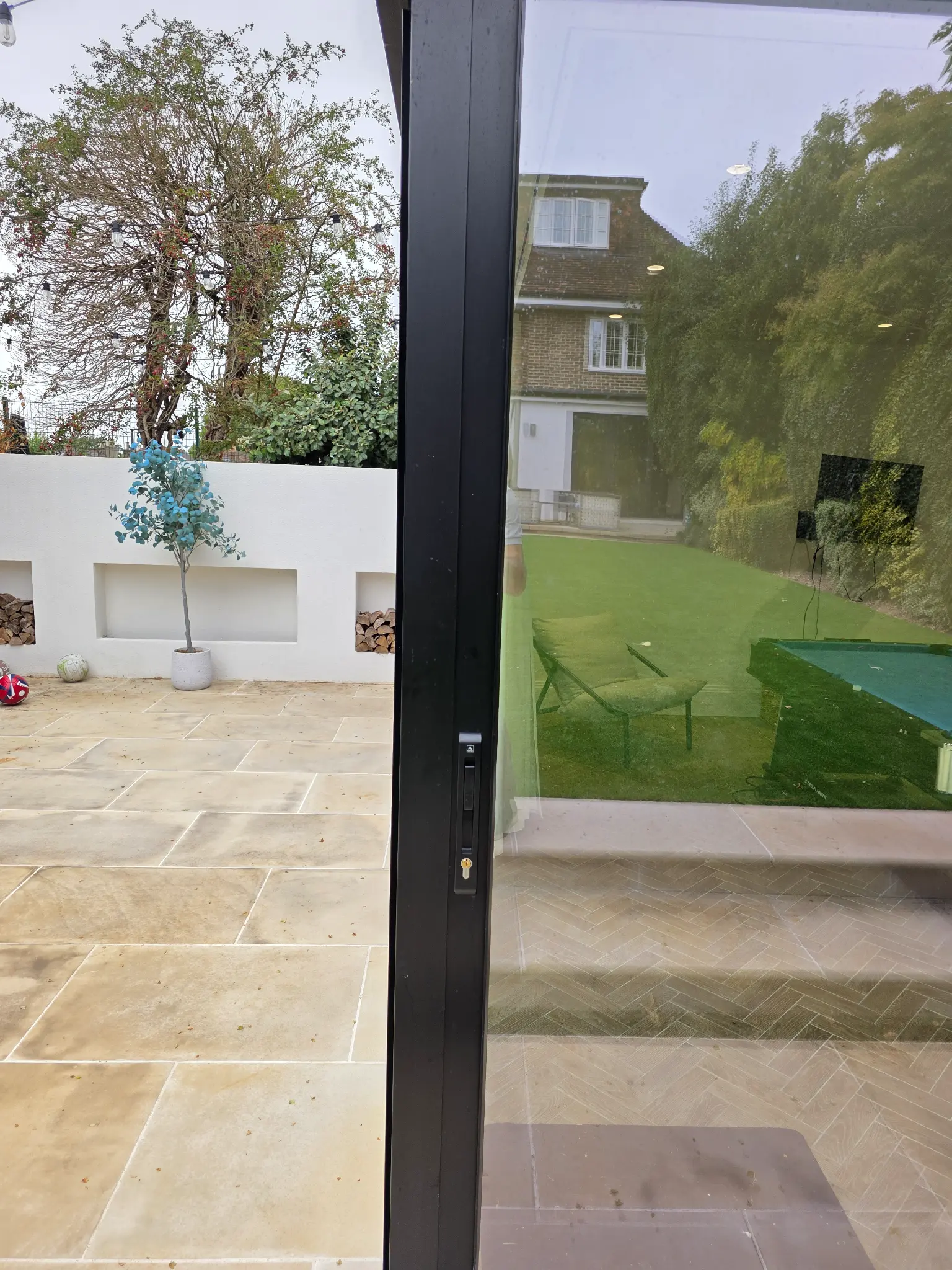
- Flush Threshold: Creates a completely level transition between inside and out, minimising trip hazards and enhancing the seamless flow. While aesthetically superior, flush thresholds require excellent drainage solutions (e.g., linear drainage channels) immediately outside the door to prevent water ingress.
Panel Configuration and Stacking
Corner sliding doors are available in various configurations, often designated by the number of panels and how they stack:
- Symmetric Stacking: Panels on both sides slide towards their respective adjacent walls.
- Asymmetric Stacking: One side may have fixed panels while the other slides, or the number of panels on each elevation differs.
The panels stack either internally or externally, depending on the system design and available space. Ensure you account for the 'stack depth'—the space required to store the open panels—which can be significant on large openings.
Table: Comparison of Glazing System Specifications
| Feature | Corner Sliding Door System (High-End) | Standard Bi-Fold Doors | Standard Sliding Patio Doors |
|---|---|---|---|
| Maximum Opening | 100% (Post-Free Corner) | 90-95% (Requires End Post) | 50-66% (Fixed Panels Remain) |
| Typical U-Value (W/m²K) | 1.2 – 1.4 | 1.4 – 1.6 | 1.2 – 1.4 |
| Structural Requirement | Significant overhead support (RSJ) required | Standard lintel/beam | Standard lintel/beam |
| Aesthetic Impact | Maximum panoramic view, floating corner | Framing lines visible when closed | Large glass panels, minimal vertical frames |
| Cost Implication | High (Due to complex engineering and hardware) | Medium to High | Medium |
Practical Considerations and Maintenance
While corner sliding doors offer spectacular results, homeowners must be aware of the practical implications regarding cost, cleaning, and operation.
Cost Investment
Due to the bespoke engineering required to manufacture the heavy-duty tracks, complex sealing mechanisms, and the necessary structural modifications, corner sliding doors represent a premium investment compared to standard sliding or bi-fold systems. Budgeting for structural engineering consultation and specialist installation is essential.
Weight and Operation
The glass panels are substantial and heavy. Modern systems utilise precision rollers and high-quality hardware to ensure smooth, effortless operation. However, choosing a system with robust stainless steel rollers and tracks is vital for long-term reliability. Regular cleaning of the tracks is necessary to prevent debris (grit, leaves) from impeding the smooth glide of the panels.
Security Features
Security is paramount, especially on large glazing systems. Reputable corner sliding door systems incorporate multi-point locking mechanisms that engage along the vertical frame and, critically, where the two door sections meet at the corner. Look for systems tested to UK security standards, such as PAS 24, which confirms resistance to common forced entry methods.
Unmatched Aesthetics
Creates a truly unique, contemporary look by eliminating the corner post, offering 100% clear opening.
Enhanced Property Value
Acts as a significant architectural feature, highly desirable in the modern UK property market.
Superior Light Ingress
Maximises natural daylight from two elevations, improving the internal environment.
Seamless Integration
Provides the ultimate connection between internal and external living spaces.
Choosing the Right Supplier and Installer
The complexity of corner sliding doors means that selection and installation should only be entrusted to experienced professionals. The integration of the structural elements, the precision of the track alignment, and the sealing of the corner joint are critical factors that determine the system's long-term performance and compliance.
Always verify that your chosen supplier can provide evidence of:
- Compliance with current UK Building Regulations Part L U-values.
- Robust weather testing data for the specific corner system.
- Experience working collaboratively with structural engineers and Building Control.
For UK homeowners embarking on ambitious renovation or new build projects, the corner sliding door offers an unparalleled architectural statement. By combining high-performance glazing with innovative engineering, these systems deliver light, space, and a truly seamless connection to the outdoors, provided the structural and regulatory requirements are meticulously addressed.