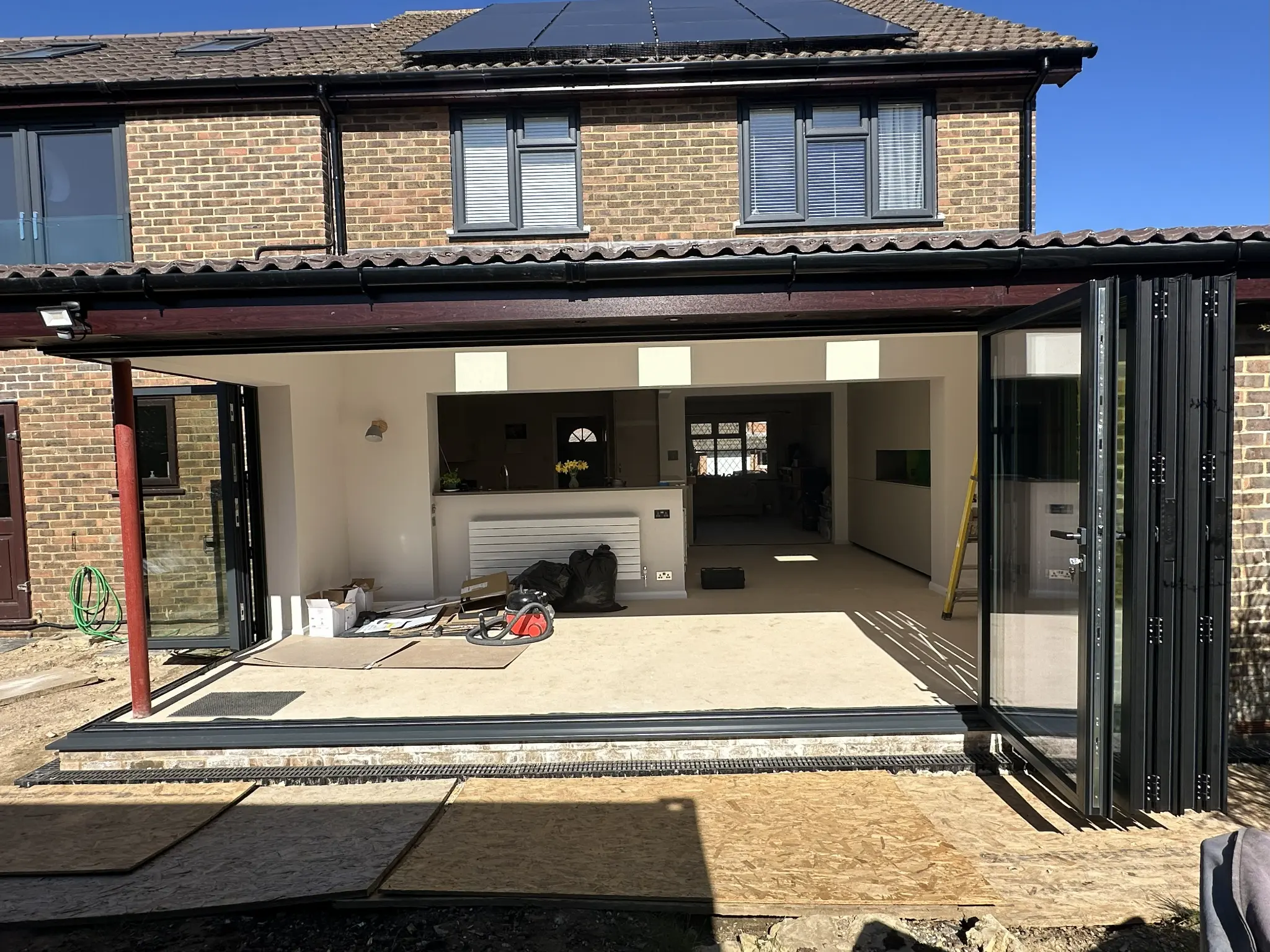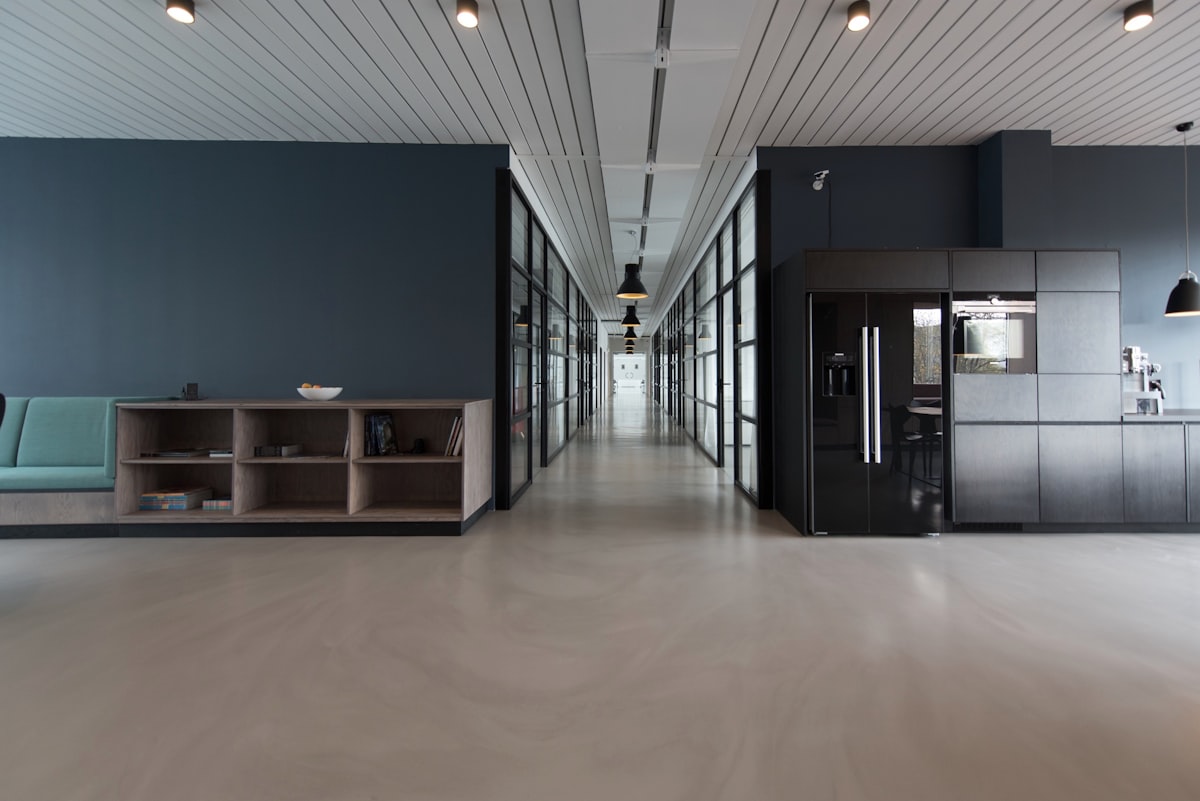


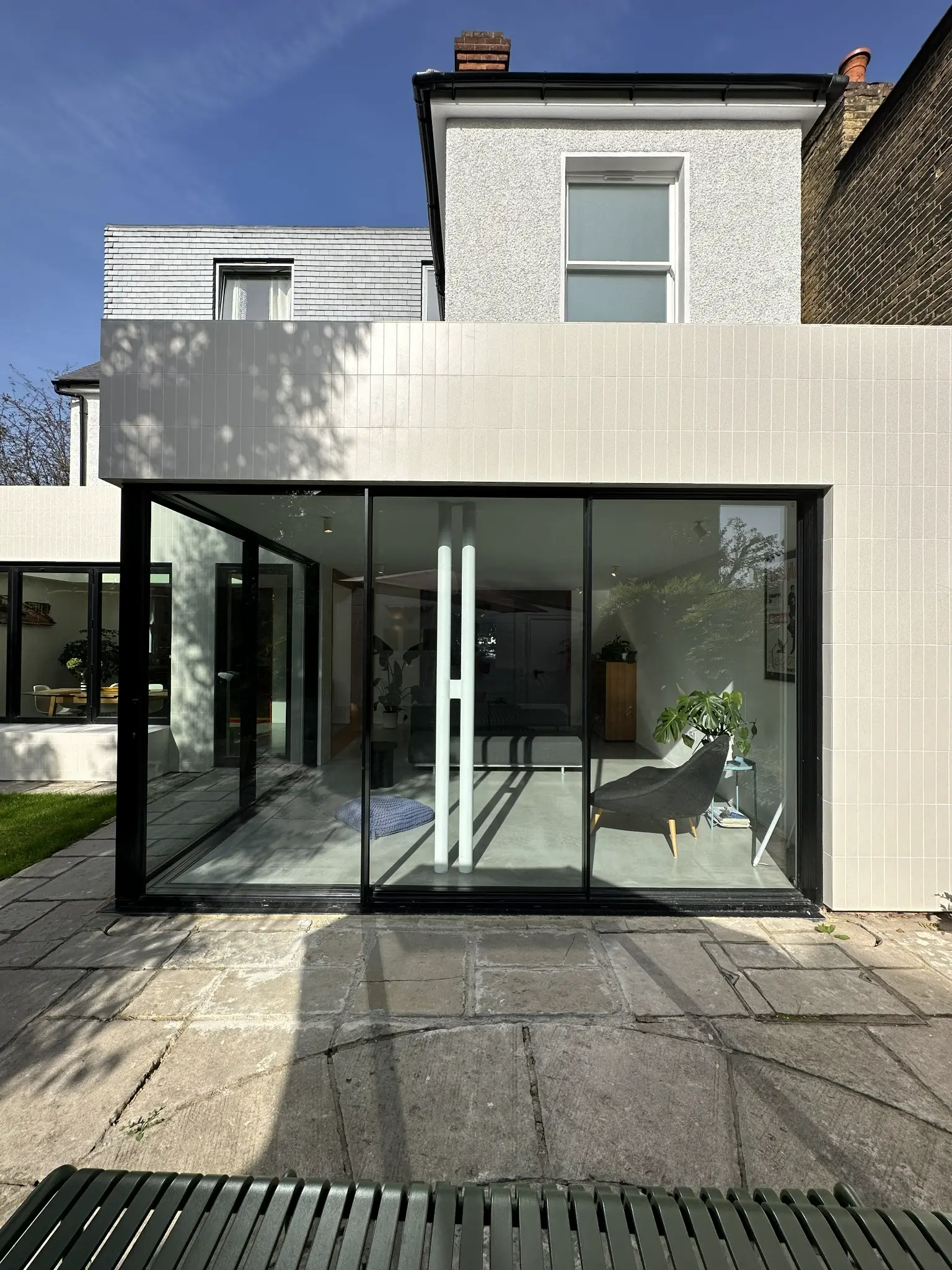

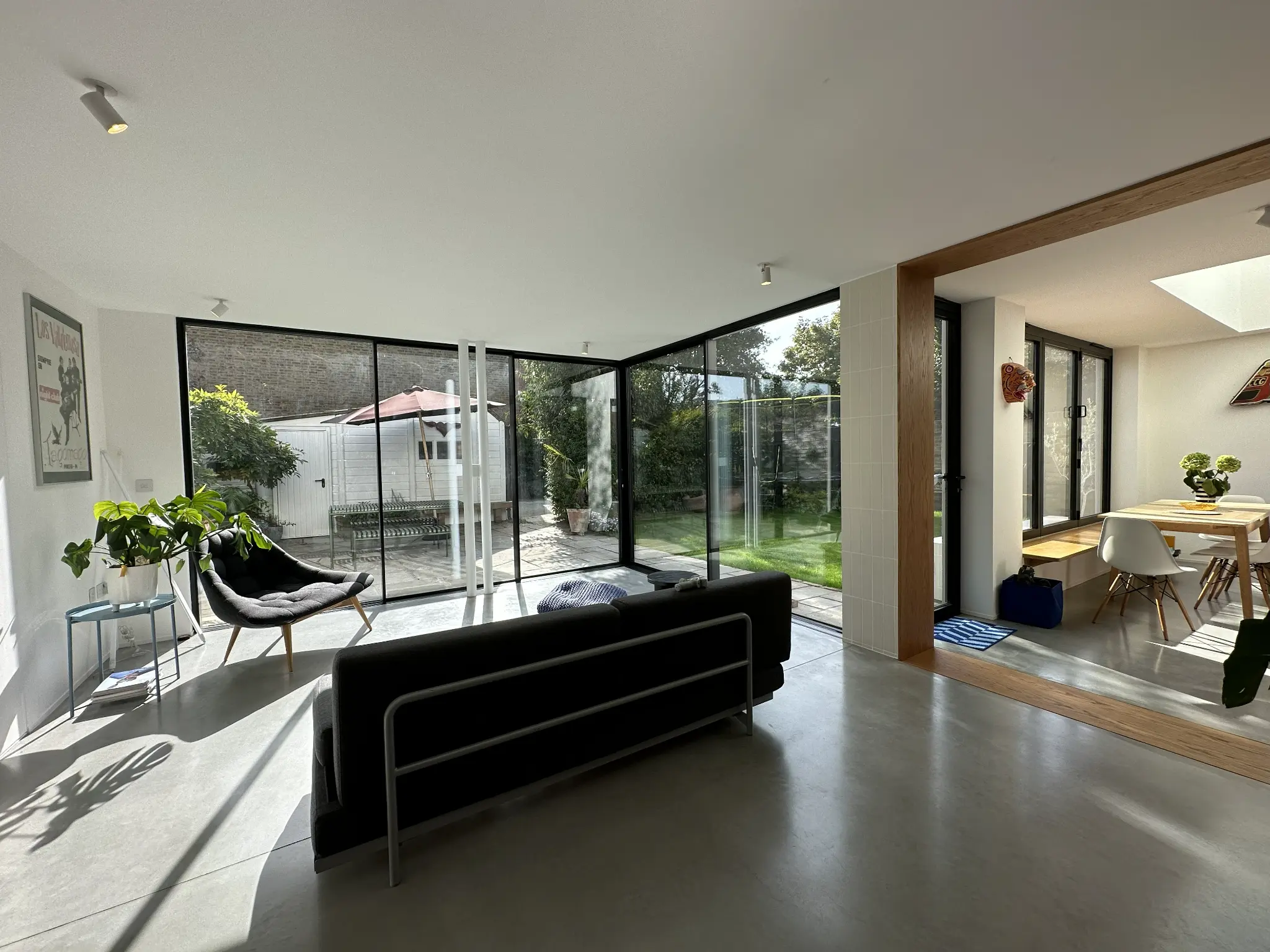
Floor-to-ceiling windows (FTCWs), often referred to as architectural glazing or picture windows, are a transformative design element that maximises natural light and blurs the line between indoor and outdoor spaces. However, integrating such large expanses of glass into a UK property requires careful consideration of structural integrity, thermal performance, and compliance with stringent Building Regulations.
This comprehensive guide provides UK homeowners with the essential technical knowledge and practical advice needed to plan, specify, and install high-performance floor-to-ceiling glazing successfully.
Defining Floor-to-Ceiling Glazing and Design Options
While the term 'floor-to-ceiling' suggests glass running seamlessly from the finished floor level to the ceiling line, in practice, it refers to any large glazed unit that significantly exceeds standard window dimensions, often incorporating minimal framing systems.
Framing Systems and Aesthetics
The choice of framing material heavily influences the aesthetic and thermal performance of the final installation:
- Aluminium: Highly popular for large glazing projects due to its strength-to-weight ratio, allowing for slim sightlines and large panels. Modern aluminium frames incorporate thermal breaks to prevent heat transfer.
- Timber/Composite: Offers excellent natural insulation and aesthetic warmth, but may require thicker frames for structural support compared to aluminium.
- Minimal Frame Systems: These systems often hide the frame within the wall structure, offering sightlines as narrow as 15mm–20mm, creating a near-frameless aesthetic highly sought after in contemporary architecture.
FTCWs can be fixed (non-opening) or incorporate sliding or pivoting mechanisms (such as lift-and-slide doors) to provide ventilation and access.
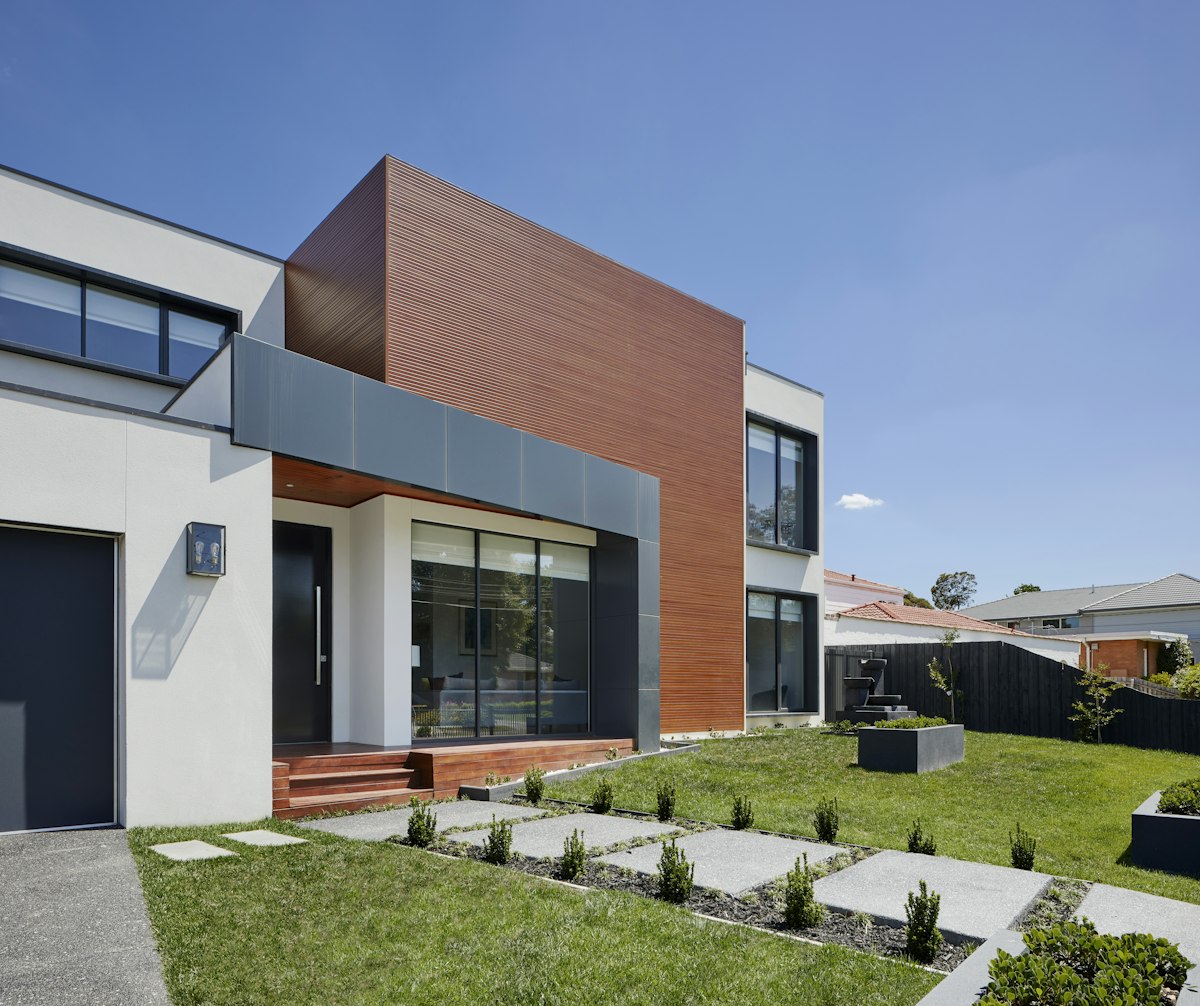
Structural Integrity and Safety Requirements
Installing large glazing units is fundamentally different from fitting standard windows. It often involves significant structural alterations that must be signed off by a qualified structural engineer and approved by Building Control.
Load Bearing and Lintels
When replacing a standard window or creating a new opening for a large FTCW, the existing wall structure (whether masonry or timber frame) must be adequately supported. A structural engineer will calculate the necessary size and material specification for the new lintel or steel beam (RSJ) required to carry the load of the roof and upper floors above the opening.
Wind Load and Deflection
Large panels of glass are subject to significant wind loading, particularly in exposed areas of the UK. The thickness and specification of the glass must be calculated based on the window's size, location, and height above ground level (BS EN 1991-1-4: Wind Actions). The framing system must be robust enough to prevent excessive deflection (movement) under high wind pressure, which could compromise the integrity of the seals and the unit itself.
Safety Glazing (Part K)
UK Building Regulations Part K (Protection from falling, collision and impact) mandates the use of safety glass in critical locations:
- Any glazing in a door or side panel next to a door.
- Any glazing whose bottom edge is less than 800mm above floor level.
For FTCWs, this means the entire panel must typically be specified as toughened or laminated glass to ensure that if the glass breaks, it does so safely (either shattering into small, blunt pieces or remaining held in place by an interlayer).
Pro Tip
When specifying large fixed panels, consider the glass handling and access during installation. Extremely large or heavy units may require specialist crane hire or vacuum lifting equipment, significantly impacting the project logistics and budget. Ensure your supplier includes this in their site assessment.
Thermal Performance and UK Building Regulations Part L
The greatest challenge with large glazing areas is maintaining thermal efficiency and preventing excessive heat loss. UK Building Regulations Part L (Conservation of fuel and power) sets strict standards for energy performance.
U-Values Explained
The U-value measures how effectively a building element (like a window) prevents heat transfer. The lower the U-value, the better the insulation.
- New Build & Extensions (Limiting Fabric U-values): For new dwellings or extensions, the overall U-value for windows and doors must be 1.2 W/m²K or better.
- Replacement Windows: For replacing existing windows, the maximum permissible U-value is 1.4 W/m²K.
Achieving these low U-values with floor-to-ceiling glazing requires high-specification materials, typically triple glazing or high-performance double glazing with warm edge spacers and argon or krypton gas fills.
Controlling Solar Gain (G-Value)
While U-values address heat loss in winter, large south or west-facing windows can lead to excessive heat gain (overheating) in summer. This is measured by the G-value (Solar Heat Gain Coefficient).
- A high G-value (e.g., 0.7) means 70% of the sun's heat passes through.
- A low G-value (e.g., 0.3) means only 30% passes through.
For large, sun-exposed FTCWs, it is often necessary to specify glass with a low G-value (solar control glass) to prevent overheating, especially in heavily glazed extensions. However, this must be balanced against maintaining adequate natural light transmission.
Condensation Risk
Large glass surfaces are naturally colder than surrounding walls, increasing the risk of internal condensation, especially in kitchens or bathrooms. Specifying high-performance glazing with insulated frames and ensuring adequate ventilation (Part F) are crucial mitigation strategies.
Practical Design and Installation Details
Successful installation relies on meticulous detailing, particularly around the perimeter where the frame meets the building fabric.
Drainage and Weatherproofing
The junction between the bottom of the window frame and the finished floor level is critical for weatherproofing. The frame must sit on a suitable damp-proof membrane (DPM) and often requires a drainage channel or threshold system to manage rainwater runoff and prevent water ingress into the floor structure.
- Flush Thresholds: For seamless indoor-outdoor transitions (common with sliding doors), drainage must be carefully engineered to allow the frame to sit flush with the internal floor level while still providing adequate external drainage capacity.
- Damp Proof Course (DPC): The frame perimeter must be sealed effectively to the DPC or DPM of the wall structure to prevent capillary action drawing moisture into the building fabric.
Acoustic Performance
If the property is located near a busy road or airport, the sheer size of FTCWs means acoustic insulation becomes vital. Specifying laminated glass with different thicknesses for the inner and outer panes (asymmetric double glazing) can significantly improve sound reduction compared to standard float glass.
Window Treatments and Privacy
The expansive nature of FTCWs means privacy and light control must be planned early. Options include integrated blinds (sealed within the double-glazed unit), external shutters, or automated curtains. Manual operation of large, high curtains can be cumbersome, making automated systems a common choice.
Maximum Natural Light
FTCWs dramatically increase daylight penetration, reducing reliance on artificial lighting and improving interior well-being.
Enhanced Views
They offer uninterrupted panoramic views, effectively making the external landscape part of the interior design.
Increased Property Value
Architectural glazing is highly desirable in the UK property market, often increasing the perceived value and appeal of a home.
Seamless Transition
Especially when paired with flush thresholds, they create a fluid, continuous space between the interior and exterior living areas.
Cost and Specification Comparison
The cost of floor-to-ceiling glazing is significantly higher than standard windows due to the structural work, specialist glass specification, and complex installation logistics. Costs vary based on size, frame material, and U-value requirements.
| Feature/Specification | Standard Double Glazing (1.4 W/m²K) | High-Performance FTCW (1.2 W/m²K) | Minimal Frame System (1.0 W/m²K) |
|---|---|---|---|
| Typical U-Value (W/m²K) | 1.4 | 1.2 – 1.0 | 0.8 – 1.0 |
| Glazing Type | Standard Double Glazed (Argon) | High-Performance Double or Triple Glazed | Triple Glazed (Krypton/Argon) |
| Frame Material | uPVC or Standard Aluminium | Thermally Broken Aluminium/Timber | Architectural Aluminium (Hidden Frame) |
| Solar Control (G-Value) | Standard (0.6 – 0.7) | Required for South/West Facing (0.3 – 0.4) | Required (0.3 – 0.4) |
| Cost Index (Relative) | Low | Medium to High | Very High |
Planning Permission and Compliance
While replacing existing windows with similar-sized units is generally permitted development, creating new, large openings for floor-to-ceiling glazing often requires formal approval.
Planning Permission vs. Building Control
Planning Permission relates to the appearance and use of the building. If you are significantly altering the external appearance (e.g., changing a small window to a massive glazed wall), you may need planning permission, especially if the property is listed or in a conservation area.
Building Control Approval is mandatory for any structural alteration (like installing a new lintel) and ensures the installation meets minimum standards for safety (Part K), fire escape (Part B), ventilation (Part F), and energy efficiency (Part L). Always notify your local authority's Building Control department before starting structural work.
Fire Escape Requirements (Part B)
In certain rooms (such as bedrooms), windows must serve as an emergency escape route. If your FTCW is a fixed panel, you must ensure that another window or door in that room meets the minimum escape opening dimensions (typically 450mm wide x 450mm high, with the bottom edge no more than 1100mm above the floor).
For those seeking expert guidance on navigating the complexities of high-performance architectural glazing in the UK, consulting specialists is highly recommended. Shard AG focuses exclusively on delivering bespoke, structurally sound, and thermally efficient glazing solutions tailored to meet the rigorous demands of UK Building Regulations and contemporary architectural design, ensuring your vision is realised with uncompromising quality and compliance.