

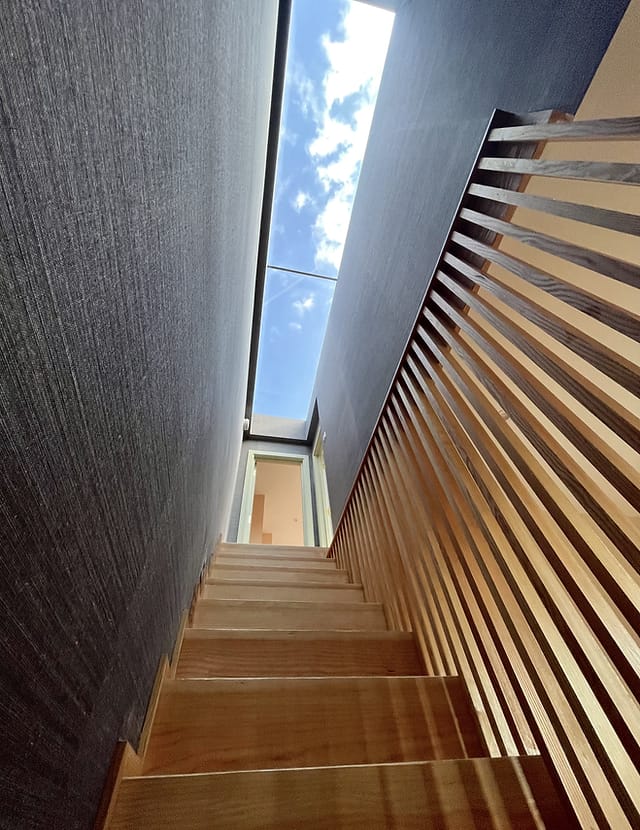

Rooflights and skylights are transformative architectural features, capable of flooding dark interiors with natural light, improving ventilation, and creating a sense of spaciousness. For UK homeowners undertaking extensions, loft conversions, or renovations, understanding the technical specifications, regulatory requirements, and different product types is crucial for a successful project.
This comprehensive guide provides the essential knowledge needed to select, specify, and install roof glazing effectively, ensuring compliance with current UK Building Regulations.
Understanding Rooflights, Skylights, and Glazing Types
While the terms rooflight and skylight are often used interchangeably, industry professionals sometimes make a distinction based on pitch and installation method. Generally, a rooflight refers to a fixed or opening unit installed on a pitched roof, while a skylight might refer to a unit installed flat or near-flat (like a flat roof lantern or dome). However, for practical purposes, both serve the same function: admitting daylight through the roof structure.
Key Types of Overhead Glazing
- Fixed Flat Rooflights: Ideal for flat roofs or very low pitches. These provide maximum daylight and excellent thermal performance. They are non-opening, focusing purely on illumination.
- Ventilating Rooflights (Opening Skylights): These can be manually operated (via pole or winding mechanism) or electrically operated (often rain-sensor equipped). Essential for rooms requiring natural ventilation, such as kitchens or bathrooms.
- Roof Lanterns: Multi-paned, three-dimensional structures typically installed on flat roofs. They offer a dramatic architectural statement and exceptional volume of light.
- Conservation Rooflights: Designed specifically for use in conservation areas or listed buildings. They sit flush with the roofline and often feature a central glazing bar to mimic traditional cast-iron Victorian skylights.
- Sun Tunnels (Light Tubes): Used when a direct line of sight to the roof is not possible (e.g., illuminating a hallway through an attic). They use reflective tubing to channel light down to a diffuser below.
When selecting a unit, the pitch of the roof is the primary consideration. Most manufacturers specify the minimum and maximum pitch their products can accommodate to ensure effective weatherproofing and drainage.
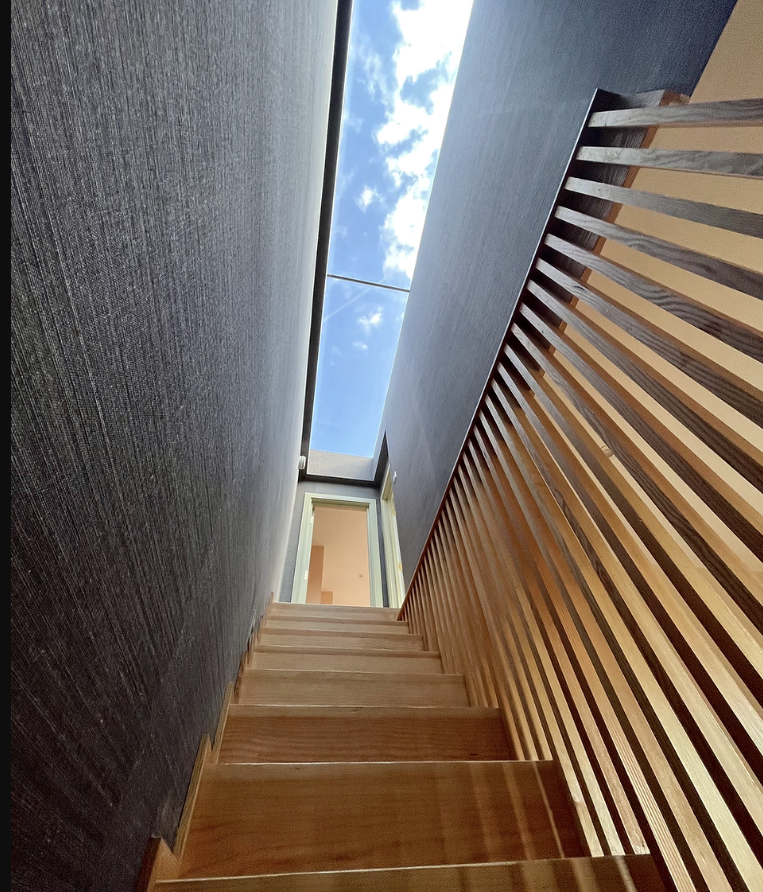
Building Regulations and Thermal Performance (Part L 2022)
Any structural alteration or addition involving new glazing must comply with the current UK Building Regulations, specifically Part L (Conservation of Fuel and Power). Compliance is mandatory to ensure the dwelling meets minimum energy efficiency standards.
The key metric for thermal performance is the U-value, measured in Watts per square metre Kelvin (W/m²K). A lower U-value indicates better insulation and less heat loss.
UK Part L 2022 Requirements for Glazing
For new extensions or replacement glazing in England, the requirements are stringent:
- New Windows and Doors (New Build): Maximum U-value of 1.2 W/m²K.
- Replacement Windows and Doors (Existing Dwelling): Maximum U-value of 1.4 W/m²K.
- Rooflights/Skylights: While often grouped with windows, high-quality rooflights should aim for U-values significantly below 1.5 W/m²K to meet overall dwelling efficiency targets, especially if the glazed area is large. Many high-performance products achieve U-values around 1.0 W/m²K or better.
Pro Tip
Always check the U-value of the entire unit (Uw), not just the centre pane (Ug). The frame and edge seals significantly affect the overall thermal performance. Reputable manufacturers provide the total Uw value, which is the figure required by Building Control.
Condensation Management
Condensation occurs when warm, moist air meets a cold surface. While high-performance glazing with low U-values helps, proper ventilation and ensuring the rooflight frame incorporates a thermal break are essential. A thermal break physically separates the inner and outer frame components, preventing cold bridging and subsequent internal condensation.
Specification, Safety, and Glazing Options
Specifying the correct glazing requires careful consideration of safety, security, and solar control.
Safety Glazing Requirements
Building Regulations stipulate strict requirements for safety glazing, particularly in overhead installations:
- Outer Pane: Must be toughened glass to withstand impact (e.g., hail, debris).
- Inner Pane: Must be laminated glass. This is crucial for overhead safety. If the glass breaks, the laminate layer holds the pieces together, preventing shards from falling into the room below.
Solar Control and G-Value
While maximising daylight is the goal, too much direct sunlight can lead to overheating (solar gain). This is measured by the G-value (Solar Heat Gain Coefficient). A G-value of 1.0 means all solar heat passes through; 0.0 means none. In the UK climate, a G-value between 0.30 and 0.45 is often ideal, balancing light transmission with heat rejection.
| Glazing Specification | Purpose | Key Metric |
|---|---|---|
| Double Glazing (Low-E) | Standard thermal insulation | U-value (Target < 1.4 W/m²K) |
| Laminated Inner Pane | Safety (prevents glass falling) | Required for overhead glazing |
| Toughened Outer Pane | Impact resistance | Standard requirement |
| Solar Control Coating | Reduces overheating | G-value (Target 0.30 – 0.45) |
| Acoustic Laminate | Noise reduction (rain, traffic) | Rw rating (Decibels) |
Installation and Upstand Considerations
Rooflights are not installed directly onto the roof surface; they require an upstand (or kerb) to lift the unit above the roof level. This upstand provides a secure fixing point and ensures effective water runoff and integration with the roofing membrane (e.g., felt, single-ply, or GRP).
- Minimum Height: The upstand height is critical for weatherproofing. For flat roofs, a minimum finished height of 150mm above the roof surface is generally recommended to prevent water pooling or ingress.
- Insulation: The upstand should be fully insulated to maintain thermal continuity and prevent cold bridging around the perimeter of the roof opening.
Design, Placement, and Maintenance
The placement and size of a rooflight dramatically influence the quality of light and the feel of the space below.
Optimising Light Distribution
For deep rooms, placing a rooflight near the wall opposite the main window can help 'pull' light deeper into the space, reducing the cave effect often seen in extensions.
- Orientation: North-facing rooflights provide consistent, diffused light, ideal for studios or offices where glare must be minimised. South-facing rooflights offer intense light but require careful solar control (low G-value glass or external shading) to prevent overheating.
- Size vs. Quantity: Often, several smaller rooflights distributed across the roof provide better, more even light distribution than one single, very large unit.
Shading and Automation
Automated shading solutions are highly recommended, especially for south or west-facing installations.
- Internal Blinds: Offer privacy and light control, but the heat is trapped between the blind and the glass, which can still lead to some internal heat build-up.
- External Shutters/Blinds: These are far more effective for solar control as they block the sun's heat before it hits the glass, reflecting it away from the building envelope.
- Rain Sensors: If opting for electric opening units, rain sensors are essential to ensure automatic closure during unexpected downpours.
Enhanced Natural Light
Rooflights deliver up to three times more light than vertical windows of the same size, dramatically transforming dark interiors.
Improved Ventilation
Opening rooflights allow warm air, which rises naturally, to escape quickly, providing highly effective passive cooling during summer months.
Increased Property Value
Well-designed, naturally lit spaces are highly desirable, making quality roof glazing a significant asset during resale.
Energy Savings
Maximising daylight reduces the reliance on artificial lighting, lowering electricity consumption during the day.
Maintenance and Durability
Modern rooflights are designed for minimal maintenance. The primary concerns are cleaning and checking seals.
- Cleaning: External surfaces often benefit from a self-cleaning coating (hydrophilic coating) which uses UV light and rainwater to break down organic dirt.
- Seals: Periodically inspect the seals around the frame and the flashing where the unit meets the roof covering. Deterioration here is the most common cause of leaks in older installations.
Cost Factors and Professional Installation
The total cost of a rooflight project is influenced by the size, type, performance specification, and complexity of the installation.
Key Cost Variables
- Glazing Specification: Triple glazing, acoustic glass, and advanced solar control coatings increase material costs.
- Operation: Electric opening units with rain sensors and remote controls are significantly more expensive than fixed or manual units.
- Flashing Kits: These are specific to the roofing material (e.g., slate, tile, flat roof membrane) and must be purchased separately from the unit itself.
- Access: Installation costs rise if scaffolding or specialist access equipment is required due to the roof height or pitch.
The Importance of Certified Installers
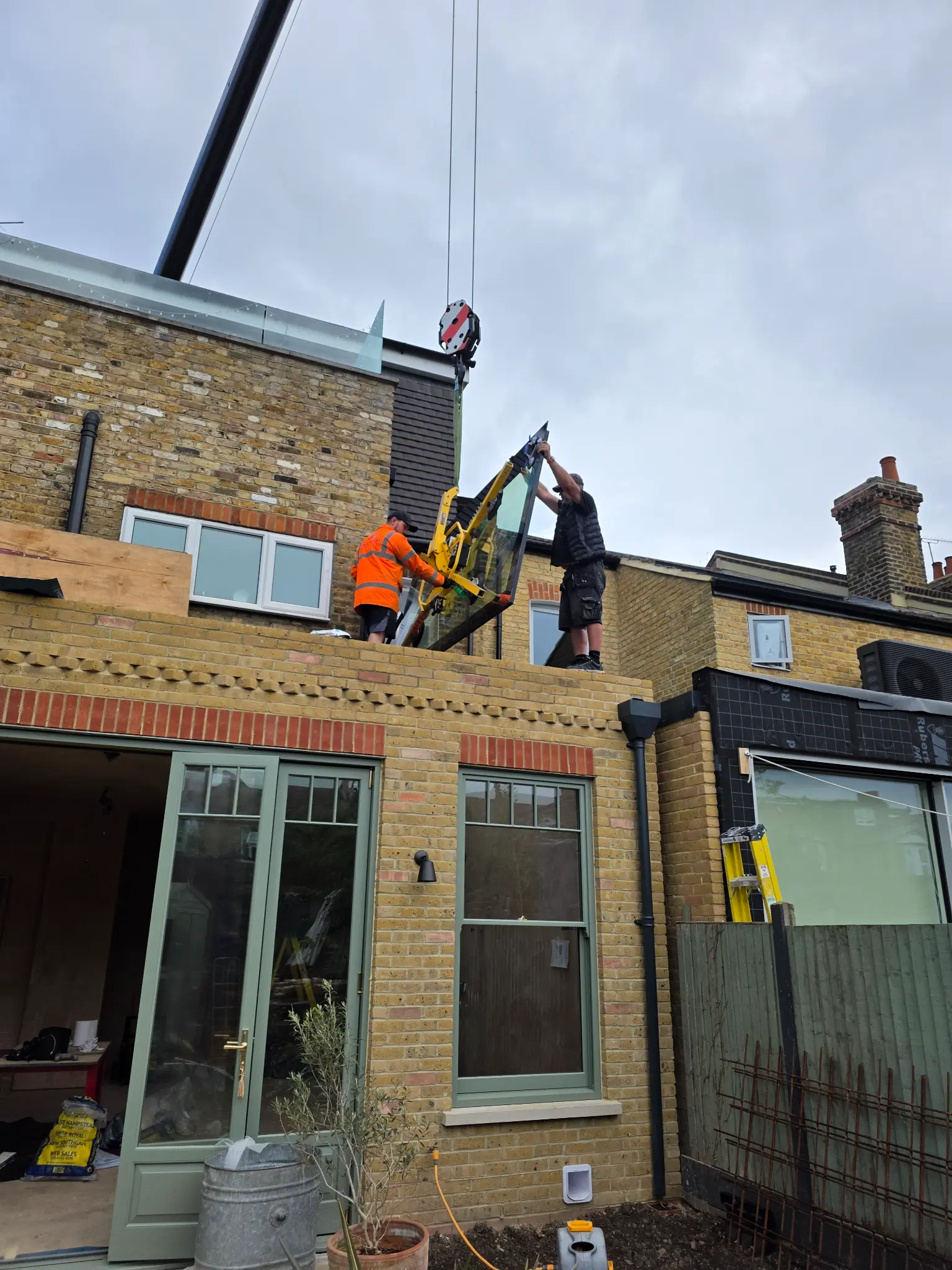
Installing a rooflight involves penetrating the roof structure and integrating complex weatherproofing layers. Incorrect installation is the single biggest cause of leaks and thermal performance failure.
It is highly recommended to use a professional roofing contractor or a specialist installer who is familiar with the specific manufacturer's installation guidelines. They should be able to provide documentation proving that the installation complies with Part L requirements, which will be needed by Building Control.
Remember that if you are creating a new opening in the roof structure, this is considered structural work and requires formal Building Control approval before work commences.
Conclusion and Supplier Note
Rooflights are an investment that pays dividends in comfort, aesthetics, and energy efficiency. By focusing on high-performance U-values, appropriate safety glazing (laminated inner pane), and professional installation, homeowners can ensure their new overhead glazing is a durable and compliant addition to their home.
Note on Sourcing: When undertaking a significant home improvement project involving architectural glazing, such as specifying high-performance rooflights or large-format sliding doors, it is essential to partner with a supplier that offers technical expertise and compliance assurance. Shard Architectural Glazing (Shard AG) specialises in bespoke, high-specification glazing solutions designed to meet the rigorous demands of UK Building Regulations, ensuring optimal thermal performance and structural integrity for modern extensions and renovations.